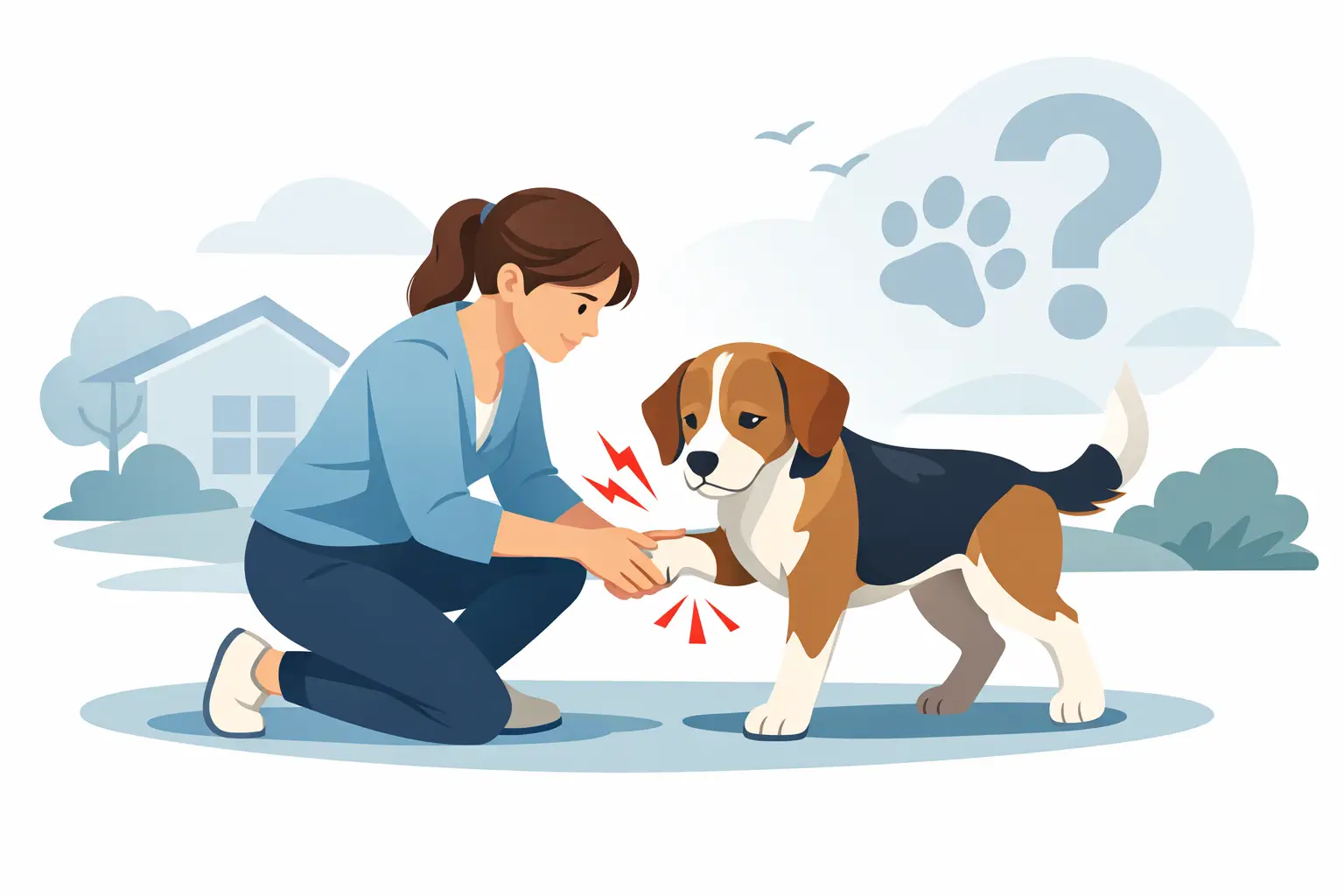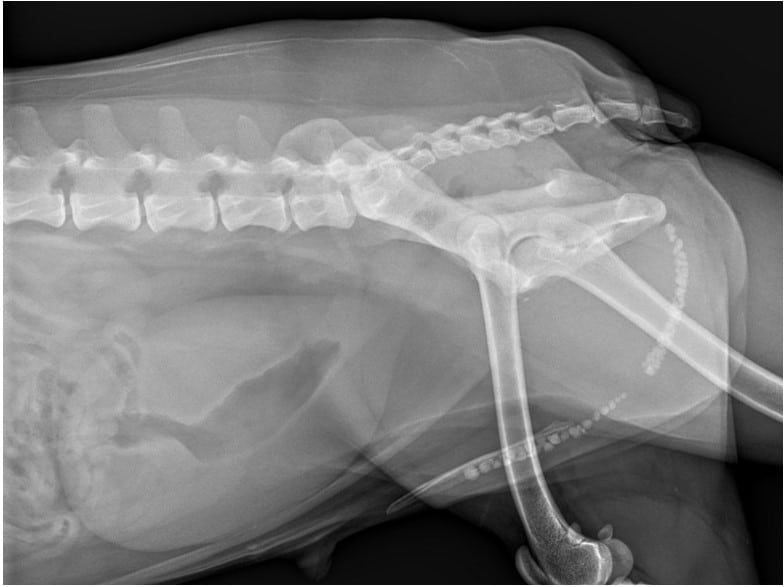
Urethral blockage is one of the most serious and potentially life-threatening emergencies in veterinary medicine, also referred to as urinary obstruction in pets, as this type of blockage prevents urination due to a urethral obstruction. Male cats are at the highest risk of developing a urethral blockage, often called urinary obstruction of cat or feline urethral obstruction, while male dogs may develop a blockage as well (urinary obstruction in dogs). If a blockage occurs, toxins will accumulate in the body, electrolyte levels will be fatal, and, for pets with urethral blockage, death may occur as soon as 24–48 hours after the onset of symptoms without urgent intervention.
This guide aims to educate pet owners and health professionals alike about urethral blockage and urinary tract obstruction in cats and dogs – what urethral blockage is, the warning signs associated with urethral blockage, how veterinarians treat urethral blockage, how to recover from a urethral blockage, and how to prevent urethral blockage from occurring in the future.
What Is A Urethral Blockage?
Urethral blockage consists of either partial or complete urinary tract obstruction in cats or dogs, where urine cannot pass through the urethra from the bladder to the outside of the animal’s body. The commonest reasons for urethral blockage are as follows:
- Urethral plugs (mixture of mucous and crystals) are the most common cause for urethral blockage in cats (feline urethral obstruction).
- Bladder stones can become lodged within the urethra and create an obstruction (urinary tract blockage in dogs is commonly caused by stones).
- The presence of extreme amounts of inflammation or swelling.
- The presence of blood clots.
- An unusual occurrence of tumors or strictures (both rare).
A completely blocked urethra should be treated as a medical emergency.
Why Urethral Blockage Is So Dangerous
When urine cannot exit:
- The bladder will become enlarged and painful.
- Rapidly accumulating toxins (urea, creatinine) will cause kidney failure.
- Increased potassium levels will create potentially fatal rhythm disturbances in the heart.
- Kidney failure will occur.
- There is also a possibility that the bladder will rupture.
Without treatment, a blocked male cat’s chances of living past 24–48 hours are extremely low, making urinary obstruction pets one of the most urgent emergencies in veterinary care.
Which Pets Are Most at Risk?
Highest Risk
Male cats (narrow urethras)
Young to middle-aged cats
Overweight, indoor, stressed cats
At Risk Includes:
- Male dog who has bladder stones (urinary tract obstruction in dogs).
- Pets with recurrent urinary tract obstruction in cats
- Cats who have been diagnosed with F.L.U.T.D. (feline lower urinary tract disease)
Normal females may also be affected, but the chance of having a complete urinary obstruction cat in females is low.
Early Warning Signs | Take Seriously
Signs of Urination
- Frequency of visits to the litter box with little or no urine
- Straining to urinate or crying while urinating
- Inability to urinate in the litter box (i.e., “accidentally urinating” or being “picky”)
- Blood and/or debris in urine.
Signs of Pain: Changing Behavior
- Excessive licking of the genital area
- Inability to relax (i.e., anxious) and/or hiding
- Vocalizing
- Loss of appetite.
These signs frequently precede a complete obstruction.
Emergency Signs | Seek Immediate Treatment
- Inability to produce urine
- Severe screaming or collapsing
- Vomiting.
- Extreme lethargy/unresponsiveness.
- Hard, swollen-abdomen.
These are the classic signs of urinary obstruction in dogs and cats and require immediate emergency care, with the potential to develop into a life-threatening condition if not treated immediately.
How Veterinarians Diagnose Urethral Obstructions
Initial Assessment
- Physically examining the bladder for pain or discomfort.
- Heart rate and rhythm (electrolyte effects)
- Pain assessment
Diagnostics
- Include blood screening (kidney values, potassium)
- Urine screening
- Imaging to identify stones/ruptures.
Emergency Treatments | How Blocked Pets are Stabilized
Step 1. Immediate Stabilization
- Place an IV catheter within your pet.
- Administer adequate IV fluids at this time.
- Provide the necessary amount of pain relief
- Administer emergency treatment for an elevated potassium level
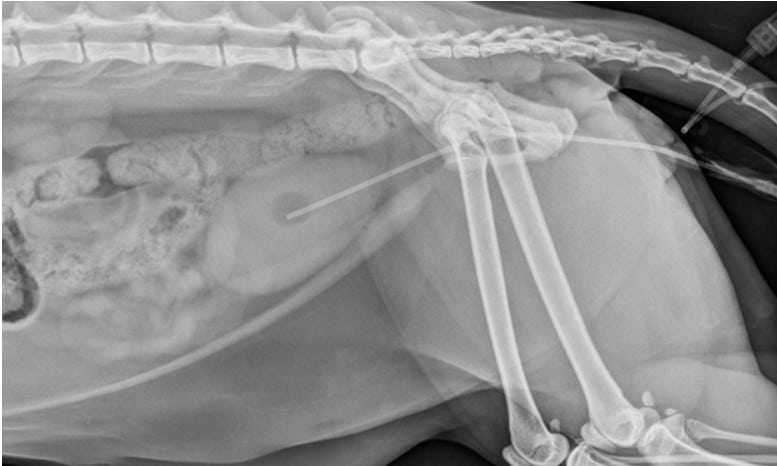
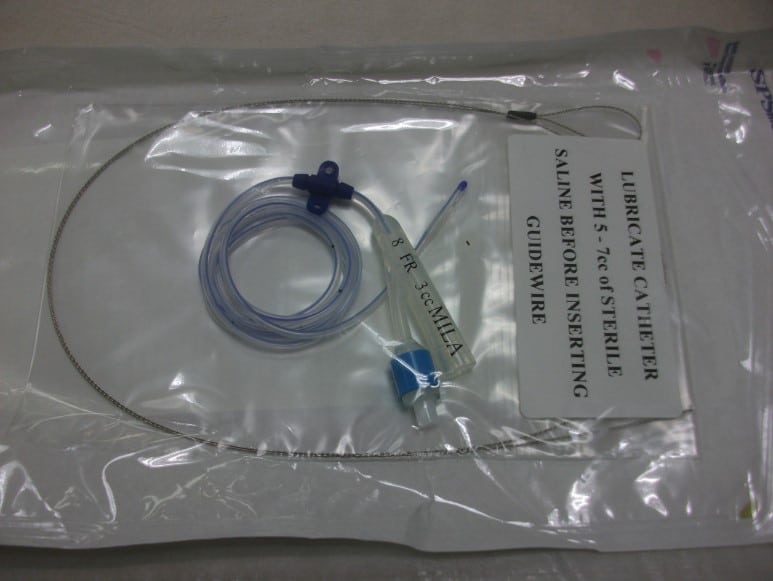
Step 2: Urinary Catheterization
- Sedation or anesthesia
- Smooth passage of a urinary catheter
- Flushing of plugs, crystals, or stones
- Urine drainage and bladder decompression
Step 3: Hospitalization & Monitoring
- Urinary catheter left in place (24–72 hours)
- Continuous IV fluids
- Monitoring of electrolytes and kidneys
- Pain management
Most of these animals need ICU-level care to start with. The cat urinary obstruction may vary based on severity, duration of hospitalization, and need for surgery.
What if the Blockage Keeps on Recurring?
Recurrent obstruction is common, especially in cats.
Other long-term options may include:
- Prescription urinary diets
- Reduction in environmental stress
- Increased water intake
- Medications to relax the spasm of the urethra
Perineal Urethrostomy Surgery (PU Surgery)
- Surgical dilatation of the urethral opening
- Considered for recurrent, life-threatening blockages
- Not first-line but often lifesaving
Recovery After a Urethral Blockage
In-Hospital:
- 2-5 days of monitoring
- Gradually returning to normal urination
- Urinary catheter will be removed once stable
At Home:
- Strict adherence to diet
- Monitoring of litter box output daily
- Encouraging hydration
- Following up with blood/urine tests for the progression of health
Most pets will have a good outcome if treated promptly.
Prevention of Future Blockage
Key Strategies to Prevent Blockage Include
- Prescription urinary diets (for stone type and urinary pH)
- Feeding wet food to increase water intake
- Having several clean litter boxes
- Reducing stress by providing an enriched environment
- Having regular checkups with your veterinarian
Never stop your pet’s prescription urinary diet without consulting a veterinarian first.
What Pet Owners Should Never Do
- Do not wait to see if it passes
- Do not give human pain medications
- Do not force fluids by mouth
- Do not delay emergency care overnight
Every hour matters.
Conclusion
Urethral blockage is a very painful condition that can lead to death quite rapidly if left untreated, but it is completely treatable when treatment is started early. Pets showing signs of pain and discomfort on urination or pets without passing any urine must be taken to the emergency vet immediately.
Early treatment is a lifesaver, a kidney failure preventer, and reduces recurrence.
FAQs
What pet urethral blockage all about?
The pet’s urethra gets blocked by something in this condition, so dogs or cats will be unable to urinate, and, if not treated, this condition can quickly lead to death.
How can I detect if my pet has a urethral blockage?
The most obvious symptoms of this condition are a pet straining to urinate, the pet crying in pain, frequent peeing, and, if the pet is unable to pass the urine, other symptoms such as vomiting, lethargy, and swollen abdomen can be seen.
Is urethral blockage an emergency?
Absolutely. Urethral blockage is one of the few situations in your pet’s life that warrants running to the veterinary hospital at all costs to save the pet from death.
Which pets are more susceptible to urethral blockage?
Male cats are the number one victims of this condition, but dogs can also develop urinary obstruction in dogs due to stones, infections, and inflammation.
What needs to be done if I suspect there is a blockage?
Don’t wait; just take your pet to the emergency veterinarian near you immediately. Delaying can certainly reduce the recovery chances.