Canine Patellar Luxation: Causes, Grades, Symptoms, Treatment, and Prognosis

Canine Patellar Luxation: Causes, Grades, Symptoms, Treatment, and Prognosis

Canine Patellar Luxation: Causes, Grades, Symptoms, Treatment, and Prognosis

Canine Patellar Luxation: Causes, Grades, Symptoms, Treatment, and Prognosis – A common orthopedic condition in dogs is called Canine Patellar Luxation, in which the patella, the kneecap, slips out of its normal groove in the femur. Also, it is known as a dog kneecap dislocation; this case mostly affects the small and toy breeds, but it can also occur in medium to large dogs. Patellar luxation in dogs can range from an occasional “skipping step” to chronic pain, arthritis, lameness, and visible dog skipping leg knee parts during movement.

This blog will explain what canine patellar luxation is, why it happens, how it is graded, its treatment options, including patellar luxation surgery dog, and long-term insights for pet parents, veterinary centers, and platforms related to animal health. 

What Does it Mean by Patellar Luxation in Dogs?

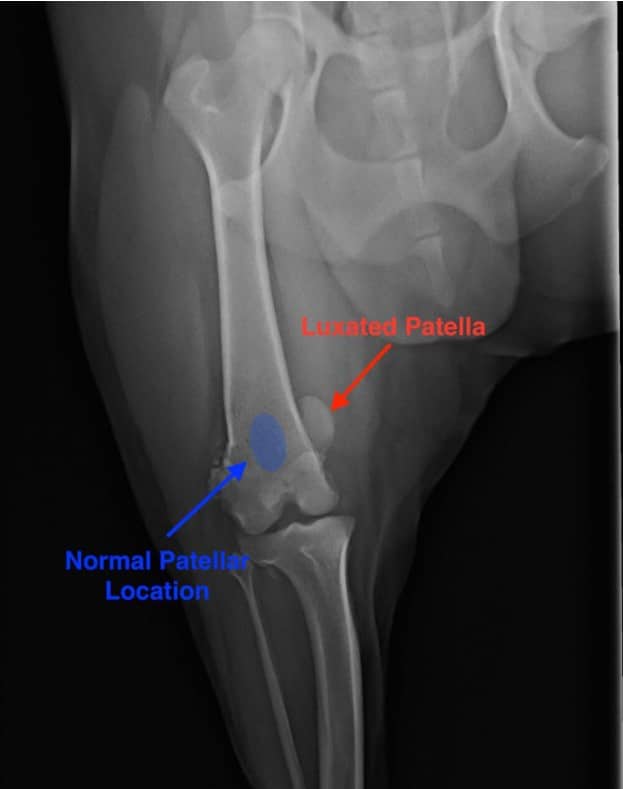
During the knee movement, the patella just glides in a groove (trochlear groove) at the end of the femur. Here is what happens in patellar luxation in dogs:

  • The patellar (kneecap) slips to the inside or laterally to the outside
  • Regular knee function is disrupted
  • Abnormal forces cause pain and joint degeneration

Most of the cases of canine patellar luxation are progressive instead of being led by a single injury.

Common Types of Patellar Luxation 

Medial Patellar Luxation (MPL)

MPL is also called medial patellar luxation dog, the most common type of dog kneecap dislocation.

  • It is especially common in small breeds
  • The kneecap slips toward the inner side of the leg

Lateral Patellar Luxation (LPL)

  • It is less common 
  • Frequently seen in large and giant breeds
  • Kneecap slips toward the outside

In some cases, a dog may have bilateral patellar luxation in dogs, which means that both of the legs are affected.

Commonly Affected Breeds

Frequently, canine patellar luxation is seen in:

  • Chihuahuas
  • French Bulldogs
  • Pomeranians
  • Toy and Miniature Poodles
  • Yorkshire Terriers 
  • Boston Terriers

Bigger dog breeds can also have medial patellar luxation dog or lateral luxation, especially in conditions including limb deformities.

What Are the Causes and Risk Factors?

Usually, patellar luxation in dogs results from abnormal limb alignment, including:

  • Shallow trochlear groove 
  • Malalignment of the femur or tibia
  • Abnormal attachment of the patellar tendon
  • Genetic predisposition

Trauma can also cause a dog kneecap dislocation, but most cases of canine patellar luxation are inherited or developmental.

Canine Patellar Luxation: Causes, Grades, Symptoms, Treatment, and Prognosis

Patellar Luxation in Dogs: Symptoms

Mild to Moderate Sings 

  • Occasional skipping or hopping gait
  • While running, suddenly lift a hind leg
  • Sudden lameness that resolves quickly
  • Dog skipping leg knee classic behavior

Medium to Critical Signs

  • Continuous lameness
  • Difficulty in climbing stairs and rising
  • Posture like knock-kneed and bow-legged
  • Reduced activity and pain

Patellar luxation in dogs symptoms frequently worsen if treatment is not done in timely manner.

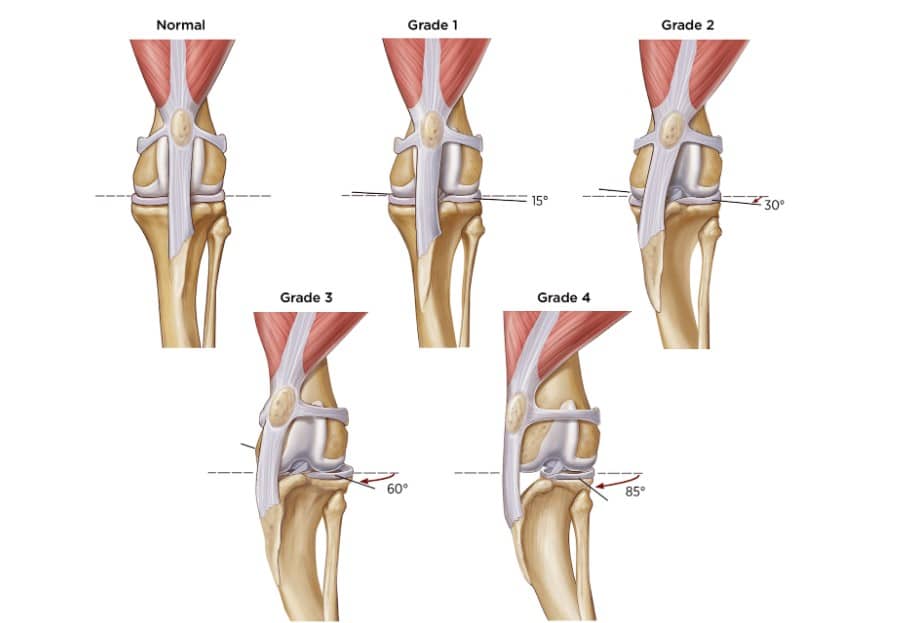
Canine Patellar Luxation’s Grading System

Vets categorize canine patellar luxation into four main grades:

Grade Description 
Grade I Patella luxates manually but returns on its own
Grade II Patella luxates intermittently; returns with movement
Grade III Patella is usually out, but can be manually replaced
Grade IV Patella is permanently out and cannot be reduced

Dog kneecap dislocation’s higher grades occur with higher pain and risk of arthritis.

How to Diagnose Patellar Luxation

Patellar luxation’s diagnosis includes:

  • Orthopedic checkup
  • Posture and gait observation
  • Function of the kneecap 
  • X-rays to evaluate bone alignment and arthritis 

Anesthesia may be needed for appropriate grading in painful dogs.

Canine Patellar Luxation: Treatment Options 

Non-Surgical Treatment 

Accurate for grade I and some grade II conditions without severe pain. Includes:

  • Management of weight 
  • Restricted exercise
  • Physical therapy
  • Medicines for pain and anti-inflammation

Mild canine patellar luxation conditions can sometimes be controlled cautiously.

Surgical Treatment 

Patellar luxation surgery dog is advised for:

  • Grade II with clinical signs 
  • III and IV grades 
  • Pain and lameness that are progressive 

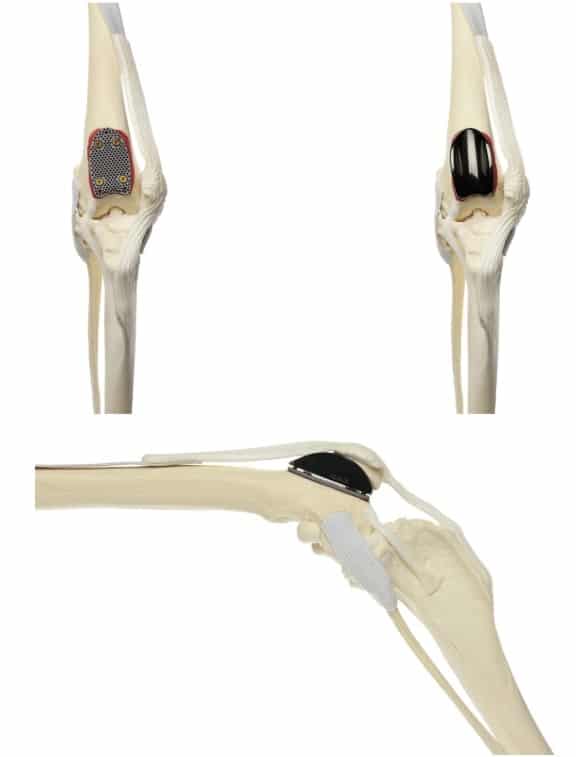
Common processes in patellar luxation surgery dog cases include:

  • Deepening of the trochlear groove 
  • Tibial tuberosity transposition
  • Balancing of soft tissue
  • Bone deformities correction

Normal tracking is restored by surgery of the kneecap and corrects the common dog kneecap dislocation.

Recovery After Patellar Luxation Surgery

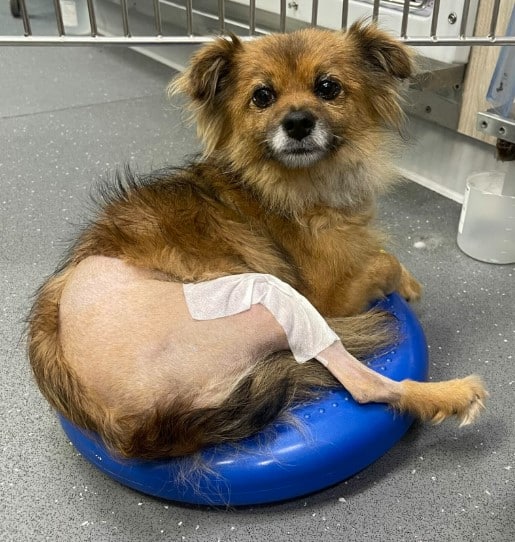
Usual recovery timeline after patellar luxation surgery dog:

  • Hospitalization: 1-2 days
  • Complete rest: first 2 weeks 
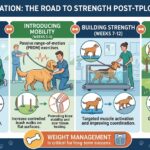
  • Occasional activity increase: weeks 3-8
  • Normal activity return: 8-12 weeks

Canine Patellar Luxation: Causes, Grades, Symptoms, Treatment, and Prognosis

Recovery improves results and reduces recurrence of patellar luxation in dogs.

Pain Management and Recovery 

Canine patellar luxation post-operative care includes:

  • Pain management medicines
  • Restricted leash walks 
  • Physical therapy exercises
  • Strengthening muscle

Complete recovery is important after patellar luxation surgery dog to ensure long-term joint stability.

Difficulties of Untreated Patellar Luxation 

Patellar luxation in dogs may lead to various conditions if not properly treated.

Medial patellar luxation dog cases reduces long-term damage when early treated.

Prognosis

Canine patellar luxation prognosis is generally great when:

  • Performed surgery early 
  • Proper recovery is followed
  • Right weight management

After patellar luxation surgery dog, most of the dogs recover well and regain comfort and functional mobility. 

Patellar Luxation Prevention 

While patellar luxation in dogs can’t always be prevented, the risk can be reduced with:

  • Avoiding breeding affected dogs
  • Lean body condition management
  • Early assessment of hind-limb abnormalities
  • Proper treatment before the development of arthritis 

Responsible breeding is the most crucial prevention step for hereditary dog kneecap dislocation.

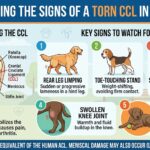
Patellar Luxation vs CCL Rupture 

Patellar Luxation CCL Rupture
Kneecap displacement Ligament tear
Often congenital Often degenerative
Skipping gait/dog skipping leg knee Sudden lameness
May be bilateral Often unilateral

Both situations can happen simultaneously in dogs with long-term knee instability.

When to Consult a Veterinarian

Get your dog checked by a veterinarian if:

  • They skip or hop on one of their hind legs
  • They are lame on and off or continuously
  • They repeat dog skipping leg knee behavior
  • It is hard for them to get up or climb stairs
  • Their knees look painful

Early identification of canine patellar luxation results in more treatment options and a better prognosis.

Canine Patellar Luxation: Causes, Grades, Symptoms, Treatment, and Prognosis

Summary

Dog ‘kneecap’ dislocation (dog patellar luxation) is a common yet treatable orthopedic disorder. Most dogs can lead a happy life with full mobility once the disorder is correctly recognized and treated individually, along with rehabilitation, including dog patellar luxation surgery if necessary.

Don’t turn a blind eye if you see dogs skipping a hind leg, lameness, or the dog skipping leg knee repeating episodes. Prompt veterinary treatment can stop joint problems from becoming lifelong. 

FAQs

Why is my dog sometimes hopping on one of its hind legs?

That typical “dog skipping leg knee” movement actually happens when the dog’s patellar luxation, the kneecap briefly slipping out of place and returning, occurs.

Is patellar luxation in dogs a source of pain?

There might be very little pain with the light cases, whereas the moderate to severe canine patellar luxation may result in pain, inflammation, and arthritis as time goes on.

Does the dog always need surgery for a slipped kneecap?

Not necessarily. Mild cases of dog kneecap dislocation (Grade I or some Grade II) can often be managed without surgery. More severe cases typically require patellar luxation surgery dog procedures.

How likely is it for the patellar luxation surgery in dogs to be successful?

Patellar luxation surgery dog’s success rate is very high, particularly if the operation is done early and proper rehabilitation follows.

Is it possible for medial patellar luxation in dogs to deteriorate over time?

Indeed. If left untreated, medial patellar luxation dog cases can develop to the point that arthritis or ligament injuries might occur. Therefore, early assessment is crucial.

Index
Scroll to Top