Amputation Surgery in Pets
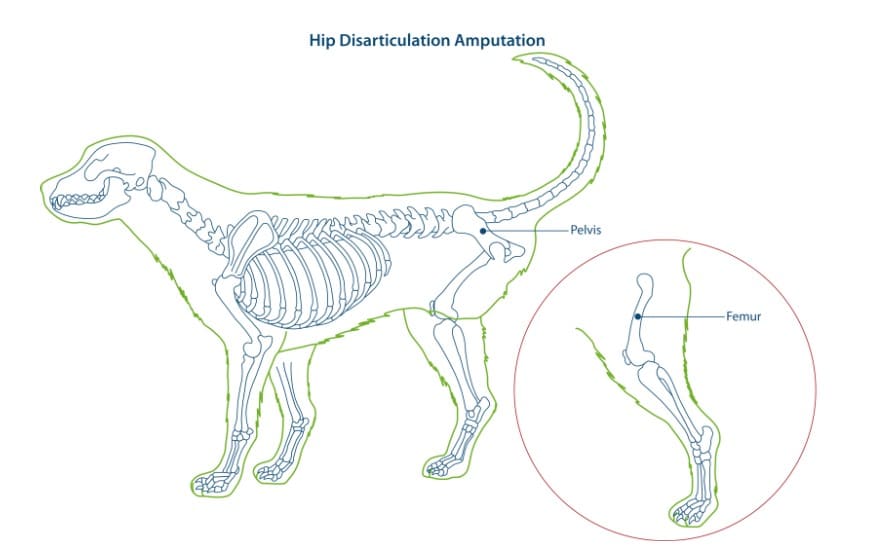
Amputation Surgery in Pets – The surgical removal of a limb or a part of a limb – sometimes is the kindest and most effective treatment for animals that are severely diseased or injured. Although the thought of veterinary amputation can be emotionally overwhelming for pet owners, dogs and cats can actually adjust very well. Many pets regain mobility quickly during three-legged dog recovery or after cat amputation surgery, returning to comfortable and active lives.
Let’s discover when amputation surgery pets is recommended, how the surgery is performed, what to expect during recovery, and the results, for pet parents and veterinary education.
When Is Amputation Recommended?
Amputation is suggested when it is not possible to save a limb or keeping it would make the pet suffer continuously, cause infection, or the pet’s life would be at risk. In many cases, cancer amputation pets can significantly improve quality of life.
Common Indications
- Cancer (e.g., bone tumors like osteosarcoma, aggressive soft-tissue tumors)
- Severe trauma (crush injuries, irreparable fractures)
- Chronic infection (osteomyelitis unresponsive to treatment)
- Nerve damage with a nonfunctional, painful limb
- Congenital deformities causing chronic pain or wounds
- Severe joint disease when reconstruction isn’t feasible
One of the main reasons for carrying out a veterinary amputation is to provide pain relief and allow the animal to live; cosmetic appearance is not the priority.
Types of Amputation Surgeries
Limb Amputation
- Removal of a forelimb or hindlimb at the shoulder, hip, or mid-limb.
- This is the most common procedure for conditions like tumors or trauma.
- A limb amputation dog undergoes can eliminate severe pain and restore comfort.
Partial Amputation
- Removal of a portion of the limb (such as a toe or digit).
- Often used for localized tumors or injuries where the rest of the limb can be preserved.
Tail Amputation
- Performed when pets experience severe trauma, tumors, or chronic infections affecting the tail.
- This procedure is usually well tolerated by both dogs and cats.
How Veterinarians Choose Amputation Level
Veterinarians take a very careful approach when deciding the amputation level that poses the least risk to the patient. Most decisions are based on medical evaluation of the following: –
- The site and range of the illness
- Ability to obtain clean surgical margins (especially in tumor cases)
- Remaining limb function
- Body size and shape
- The general condition and activity level of the pet
Completely removing the diseased area through amputation surgery helps reduce recurrence and long-term complications.
Pre-Operative Assessment
When considering cat amputation surgery or dog limb amputation procedures, vets evaluate the animal thoroughly to ensure the procedure will be safe.
They may carry out:
- Blood tests
- Radiography or CT scanning
- Cancer staging to determine the stage of the disease
- Evaluating pain and movement
- Talking about the home setup and care after the operation
Proper planning ensures safe anesthesia and helps owners understand realistic recovery expectations.
How Amputation Surgery Is Done
Surgical Overview
Usually, the operation is done in the following steps:
- The pet is put to sleep using general anesthesia.
- Pain relief is administered using advanced techniques
- Very attentive ligation (sealing) of vessels and nerves
- Removal of the limb at the predetermined surgical level
- To produce a smooth and well-padded stump, the muscle and skin are sutured
- The pet is closely monitored after surgery through the period of recovery
More veterinary amputation surgeries take approximately 60-120 minutes, depending on complexity.
Pain Management and Hospital Care
The latest veterinary medicine is capable of managing pain in ways that help an amputated pet manage discomfort much better than many owners expect. Pain relief is usually achieved by the combination of:
- Opioids, NSAIDs, nerve blocks (multimodal pain relief)
- IV fluids to keep the body hydrated
- Antibiotics to treat infection if a risk is present
- Careful observation for bleeding, swelling, and other possible problems
Most hospital stays post-surgery are 1-3 days long.
Recovery After Amputation
The First 2 Weeks (Critical Phase)
Getting through the first couple of weeks is extremely important for a dog healing after amputation or a cat recovering after surgery. Typically, care of the pet may entail:
- Complete confinement, with leash walks only
- Use of an Elizabethan collar to make sure the pet doesn’t lick the wound
- Spotting the incision daily
- Helping with standing and walking if there is a need
Weeks 3-6
The pet is slowly returning its power and coordination at this stage. Steps in the recovery process are:
- Increase movement progressively
- Work out the body parts that remain
- Light physical therapy may be recommended by the veterinarian
Most pets start getting used to living on three legs in just a few days.
Life After Amputation: What to Expect
Adaptation & Mobility
Dogs and cats adapt surprisingly quickly after amputation surgery.
Pets can:
- Run and play normally
- Climb furniture or stairs
- Have active lifestyles
It is important to maintain a healthy weight to limit the impact on other joints.
Special Considerations
Some helpful changes to consider at home include:
- Non-slip flooring
- Ramps instead of stairs
- A support harness during recovery
Once the pain is gone, pets have an excellent quality of life.
Prognosis
The prognosis after a dog or cat amputation surgery procedure depends on the original condition.
- Excellent for trauma or infection cases
- Good to excellent for localized tumor cases, provided margins are clean
- Variable for cancer cases, depending on the cancer type and spread
Some owners notice that their pets seem happier and more active after recovery.
Common Myths About Amputation
Pets will be depressed forever – Pets will be relieved once the painful limb is removed.
Large dogs cannot live comfortably on three legs. Large dogs adapt extremely well during their three legged dog recovery.
Amputation should only be a last resort – For some cancers, amputation may be the most effective first treatment.
When to Seek Emergency Care
Seek immediate veterinary care if your pet shows signs of:
- Uncontrollable limb pain
- Severe infection or tissue death (necrosis)
- Rapidly growing or bleeding tumors
- Traumatic injuries with exposed bone
Prompt treatment can save your pet from life-threatening complications.
Helping Your Pet Live Pain-Free After Amputation
Amputation surgery can be life-saving and highly effective in relieving pain caused by severe injury or disease in a pet’s limb. With proper veterinary care and support from a trusted veterinary center like AV Veterinary Center, your pet will be able to recover quickly and live a comfortable life on three legs.
FAQs
Yes. Most dogs and cats adjust rapidly and get back to their usual activities.
Generally, dogs start getting used to the change within a few days and are fully recovered in a few weeks.
Modern veterinary care and pain management techniques help keep pets comfortable during recovery.
Besides removing the cancerous limb that is a source of pain, it can also be effective in slowing the spread of the disease.
Yes, many cats quickly regain mobility and carry on with the life they enjoy.