Growth Plate Fractures: The Unique Injury Risk for Puppies and Kittens
Puppies and kittens are always full of energy. They enjoy exploring their environment through jumping and through other playing activities. Though this activity is an important and natural part of their development, it can also lead to injuries like growth plate fractures. Growth plate fractures are different from traditional bone fractures as they require special care.
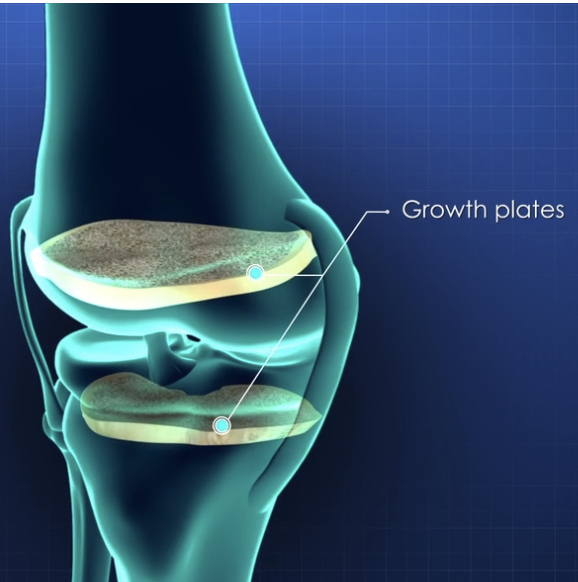
Growth plates, or physes, are the soft tissue areas in the long bones that are developing. At the end of the long bones, growth plates exist to help the puppy or kitten grow to be a strong, healthy adult.
Growth plates are very weak compared to the fully formed bones in adult pets. These bones are softer and more fragile than any other part of the body. Because of this, puppies and kittens can be more susceptible to injury due to their growth plates when they are young.
Knowing about the risk of growth plate fractures for kitties and puppies.
Small and young pets are curious about life and life to play and jump around. The bones are weak in the starting phase and can develop growth plate fractures. A small accident can cause growth plate fractures and can risk the life of the pet.
Some common reasons for growth plate fractures in puppies and kittens include:
Jumping off furniture or stairs can cause issues
Playing roughly with other pets can give rise to growth plate fractures
Falling can cause growth plate issues
Getting stepped on by someone can also cause growth plate fractures
Car accidents or trauma can also cause these issues.
Large breed puppies tend to be the most susceptible to growth plate injuries due to rapid growth and increased stress on this part of the bone.
What happens in the growth plate fractures for puppies and kittens
Having a growth plate fracture can alter or stop the growth of the normal bone of the pet. Its potential to alter the normal growth of a bone can cause serious issues for the pet in later stages of life if not treated on time. Any of these injuries left untreated can create:
The limbs can grow in an asymmetric way and cause major issues.
His bones will be bent or will look short.
The pet will have joint dysfunctions that hinder movement and other issues.
Permanent disabling conditions can occur and reduce the quality of life.
Diagnosing the growth plate fracture early can help in the cure and a smooth life for your pet.
Symptoms of a growth plate fracture in pets
Having a close observation of the pets can help you detect the growth plate fractures. The most Common signs of a growth plate fracture are:
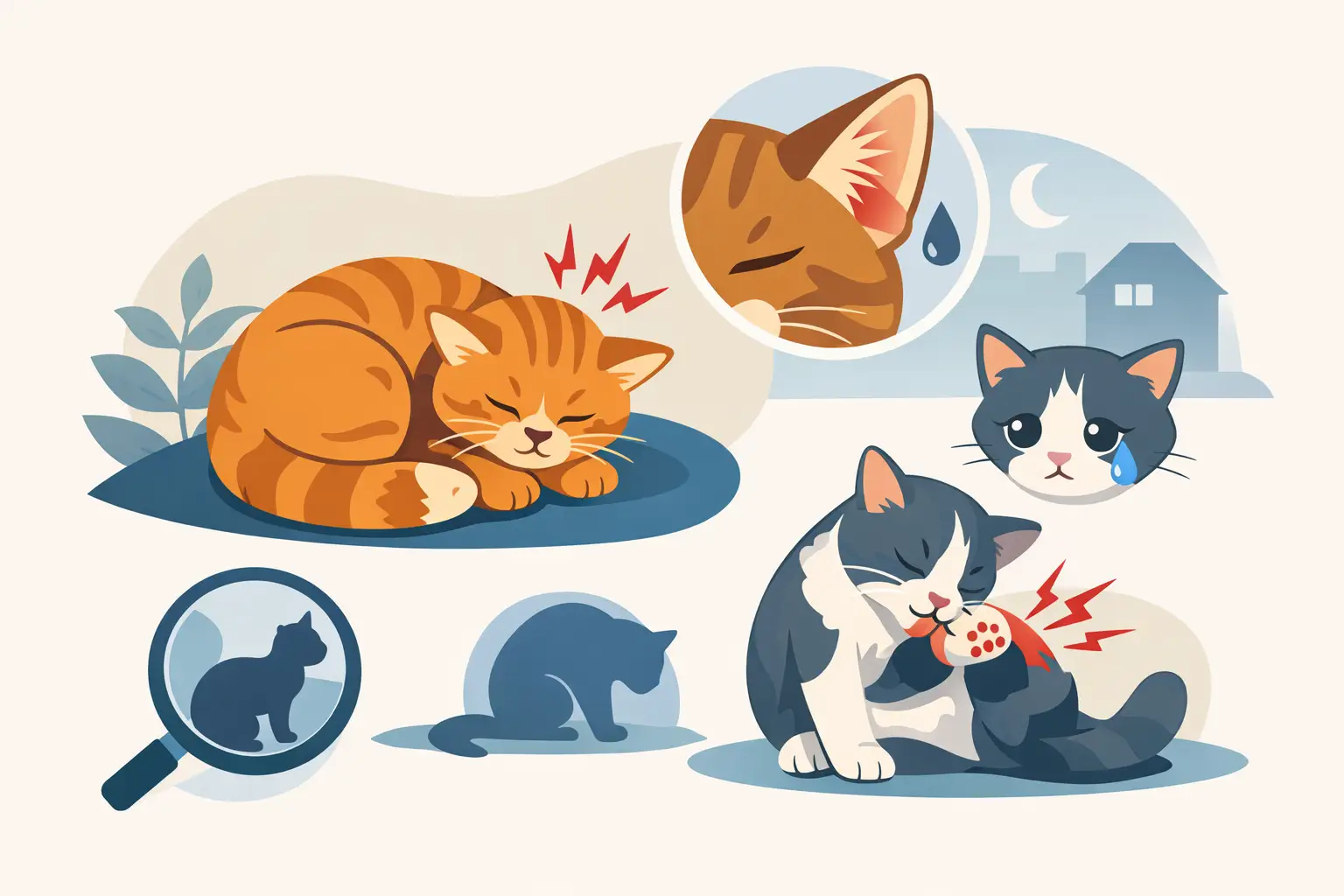
Your pet will show limping or will favor one limb
You could see the Swelling around the joint of your pet
They will feel intense pain at the injury site.
Not able to stand or walk properly.
Not able to walk or move freely
Showing unusual behavior
All these symptoms suggest that your pet needs immediate veterinary care.
How does a vet diagnose the growth plate fractures
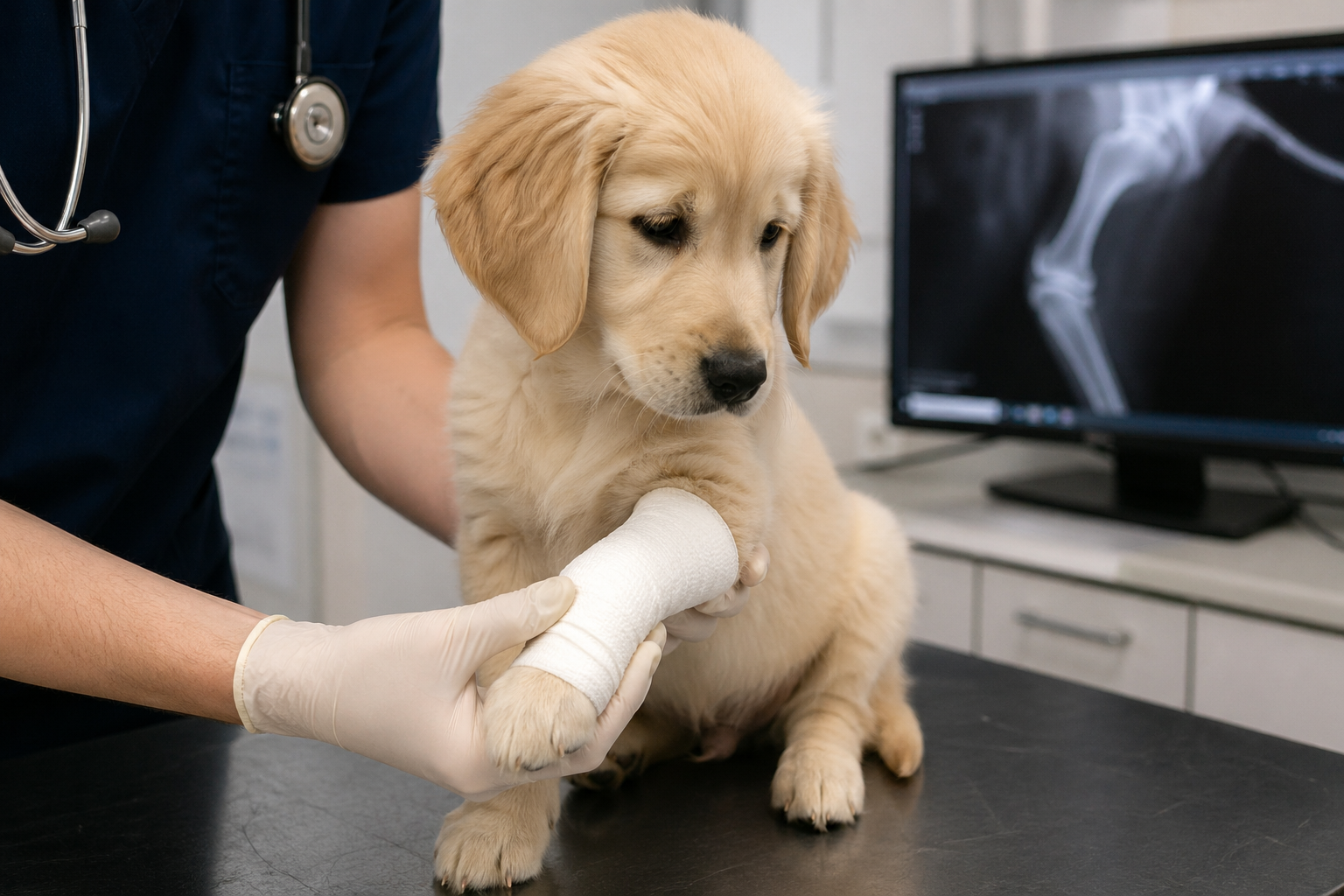
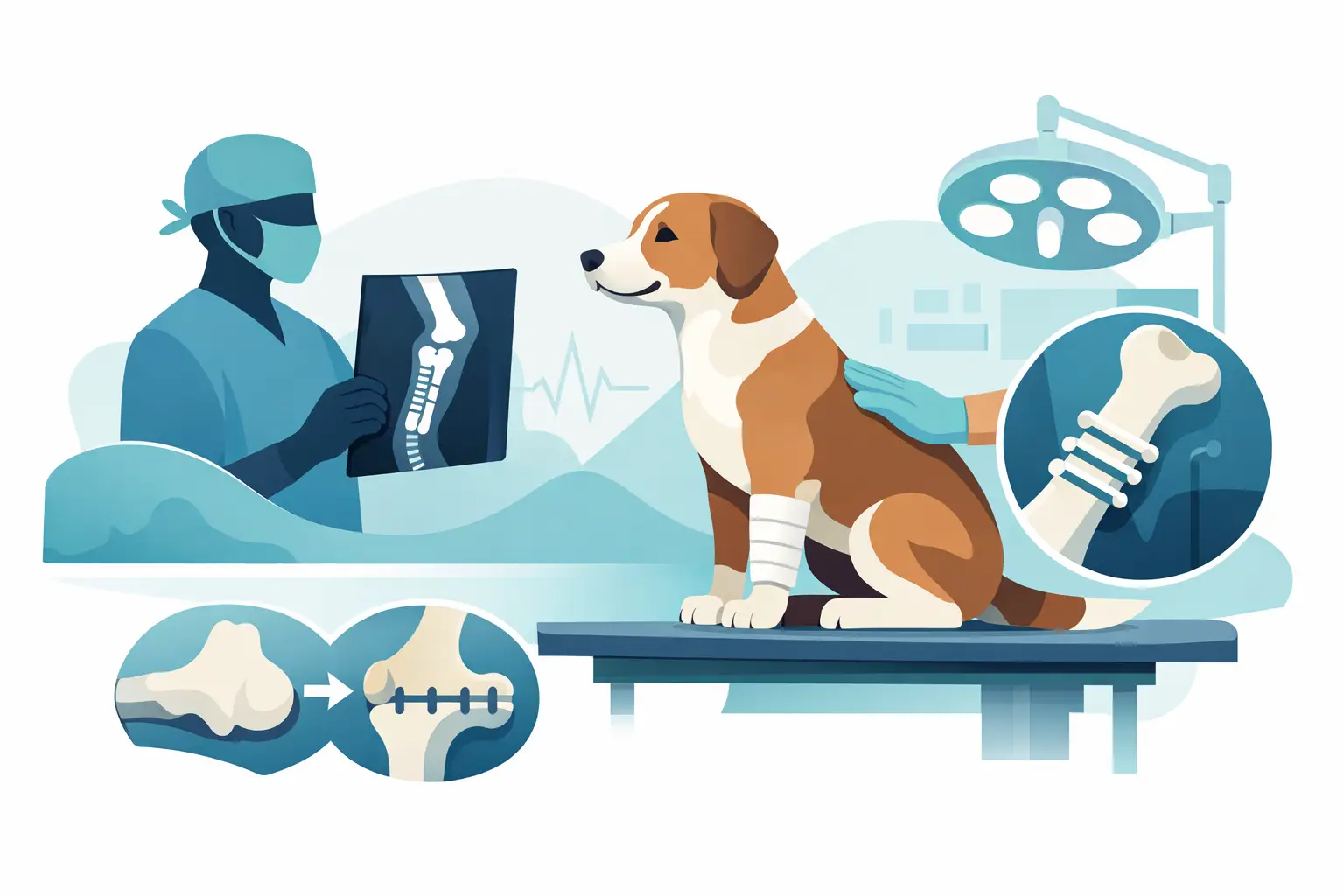
The growth plate fractures can be diagnosed with certain procedures. These can be checked by X-rays or other procedures done by the doctor. CT scans are another way to detect growth plate fractures easily.
What are the treatment options for the growth plate fractures
The treatment will depend on how strong and severe the injury is and on which part of the body.
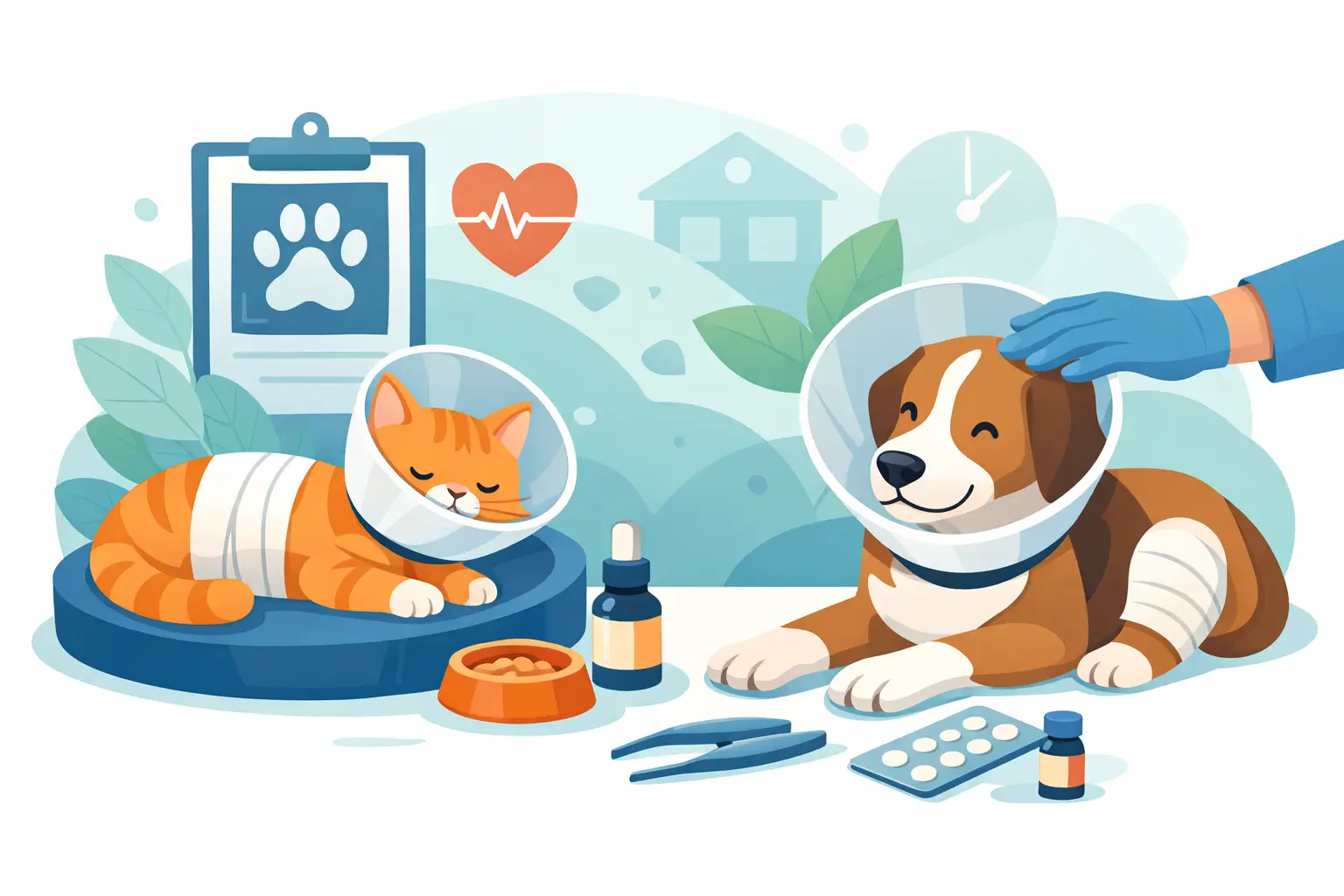
Splinting or Casting of the Fracture
Some fractures can be handled with splints and casts. These fractures can be treated with splints to allow nature bone healing and growth.
Surgical Repair
Fractures that are grossly displaced or that are not amenable to splinting/casting will require surgical repair. This involves the use of pins, plates, or screws to hold the fractured bones in their proper position.
Limited Activity
Restricted activity during the healing process is very important and your veterinarian may recommend that you use a crate or limit your pet’s activity level.
Watching the Injury
Prep checking and daily watching of the injury is a must to know about the healing of the bone. This can be done with X-rays or other procedures by experienced veterinary doctors.
When is the right time to take a pet to the vet?
You must see your vet if you notice any of these signs:
When the pet suddenly limps off and feel burden
There is swelling and tenderness in the injured part
When your pet refuses to walk or play with other pets or family members.
Possible fall or injury
blockquote
Growth plate fractures can impact a young pet’s lifelong development—early care is key.
Concusion
Fractures of the growth plates can be severe, but they are treatable in dogs and cats. Since their skeletal systems continue developing throughout their early years, young pets must be watched closely for any potential injury that could prevent their continued growth.
As a pet owner, it’s your job to keep your pet safe and to observe how they normally act. Then if things deviate from that norm, then take appropriate action as necessary. Provided that proper treatment is provided during the initial injury and recovery period, the majority of pets with this type of injury will make a full recovery and lead long, happy, active lives.
AV Veterinary is a top center that provides the highest quality care to pets. Feel free to take your pet to the center for regular screening or any other issues.
Contact details
Name – AV Veterinary Center
Address – 1055 W. Columbia Way #103, Lancaster, CA 93534
Which is the best center for the growth plate fractures?
AV Veterinary is a top center for growth plate fractures and for any other issues related to your pet.
What is a growth plate fracture?
A growth plate fracture is a break or fracture that occurs in a new growing bone at the end of a young pet’s bone and can cause them to be able to grow because of a broken bone.
When are your pets most at risk of getting a growth plate injury?
Puppies and kittens under 12 months are the most at risk because their bones are still developing and their bones are very soft.
How can I tell if my pet has suffered from a growth plate injury?
The common signs of an injury include limping, swelling, pain, and a reluctance to play or be active.
Are growth plate injuries serious?
Yes, untreated growth plate fractures can develop into permanent deformities or uneven growth of the bone.
Will growth plate fractures heal without treatment?
No, without proper veterinary treatment, growth plate fractures may not heal properly and can become serious problems.
Is surgery always necessary to treat the growth plate fracture?
Not always, some minor fractures may only need to be casted to heal some serious fractures, while some serious fractures may require surgery.
How long will it take to recover from a growth plate fracture?
Recovery time for a growth plate fracture is usually a matter of weeks to months and is dependent upon how serious the fracture is.