Unexpected pet emergencies can occur at any moment during your day; it’s important to respond quickly to an injured dog, a cat having trouble breathing, or a pet that has vomited and is experiencing seizures. How to prepare prior to your trip to an emergency veterinarian can greatly save your pet’s life and help ensure a better long-term outcome from any severity of injury or accident.
In this blog, we will talk about what to do before Arriving at an Emergency Vet Hospital.
WHAT TO DO BEFORE ARRIVING AT EMERGENCY VETS
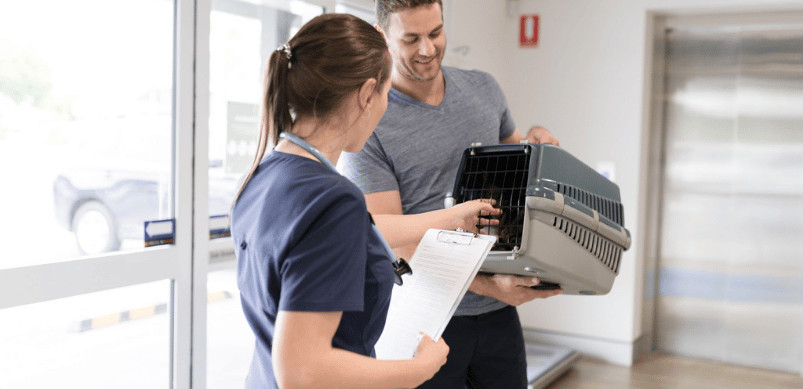
CALM YOURSELF AND FOCUS
One of the first things you should do while taking care of an emergency is to try to stay calm and collected. This will help alleviate any fears that will only become worse for your animal once it arrives at the veterinarian’s office. After you have calmed down from your initial shock of seeing your pet in this condition you can proceed with helping them.
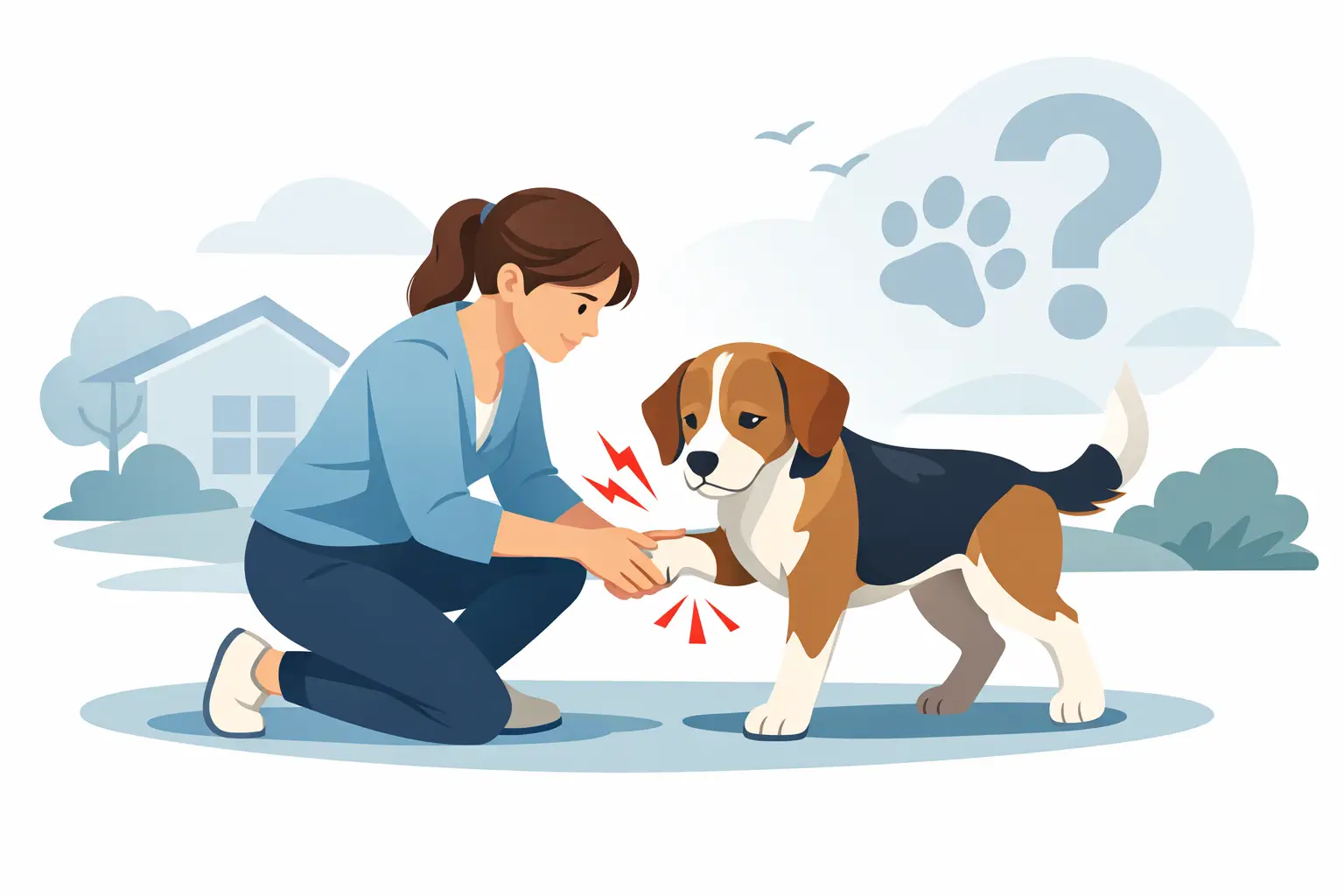
There are several important things you should look for when trying to assess how severe the injuries are:
- Breathing problems
- Severe bleeding
- Vomiting or diarrhea
- Seizures
- Loss of consciousness
- Sudden weakness
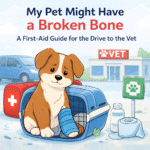
- Broken bones
- Acidosis (poison ingestion)
Knowing what to inform the veterinary staff about the nature of the emergency will enable them to treat your pet promptly.
Contact Emergency Vet Hospital
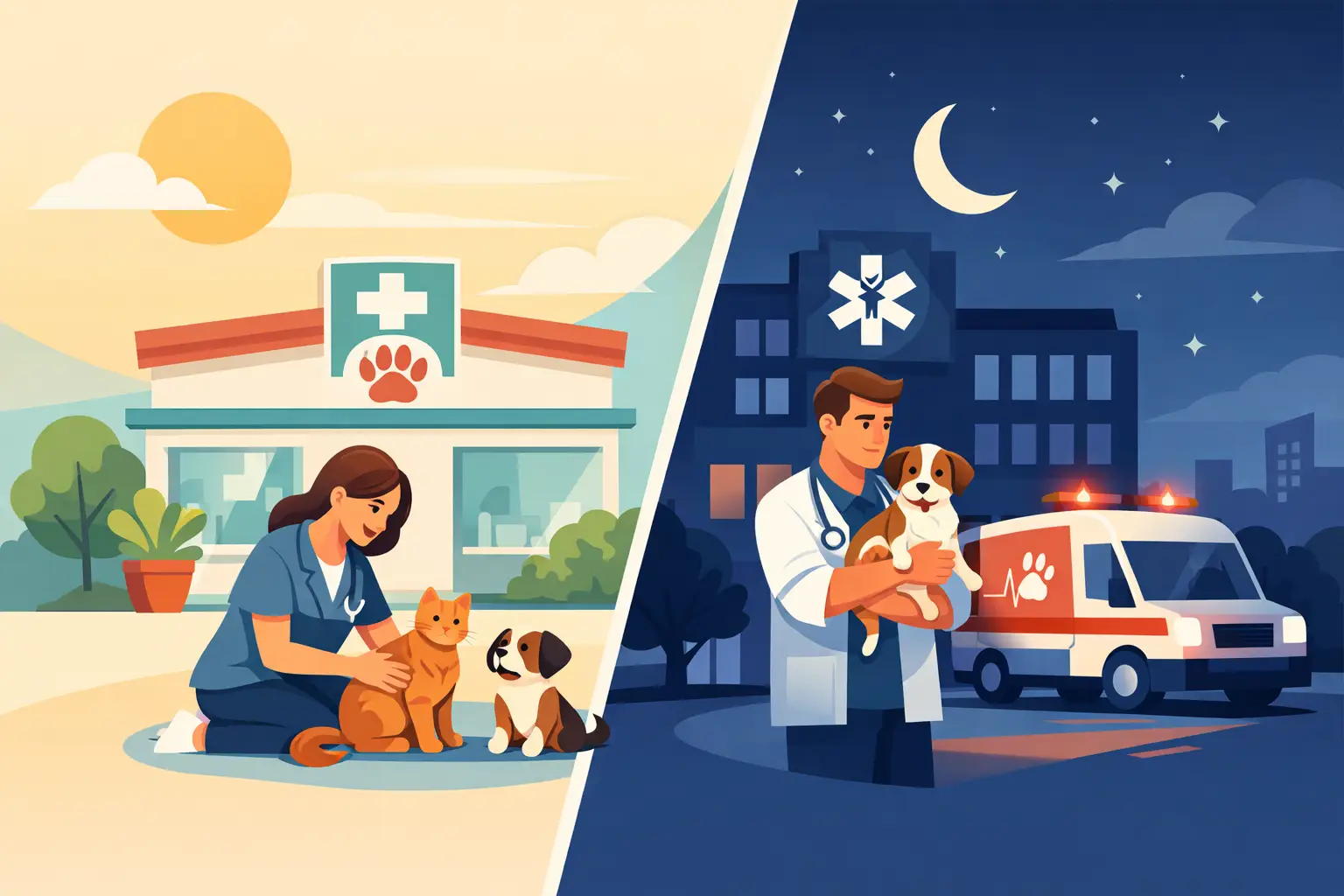
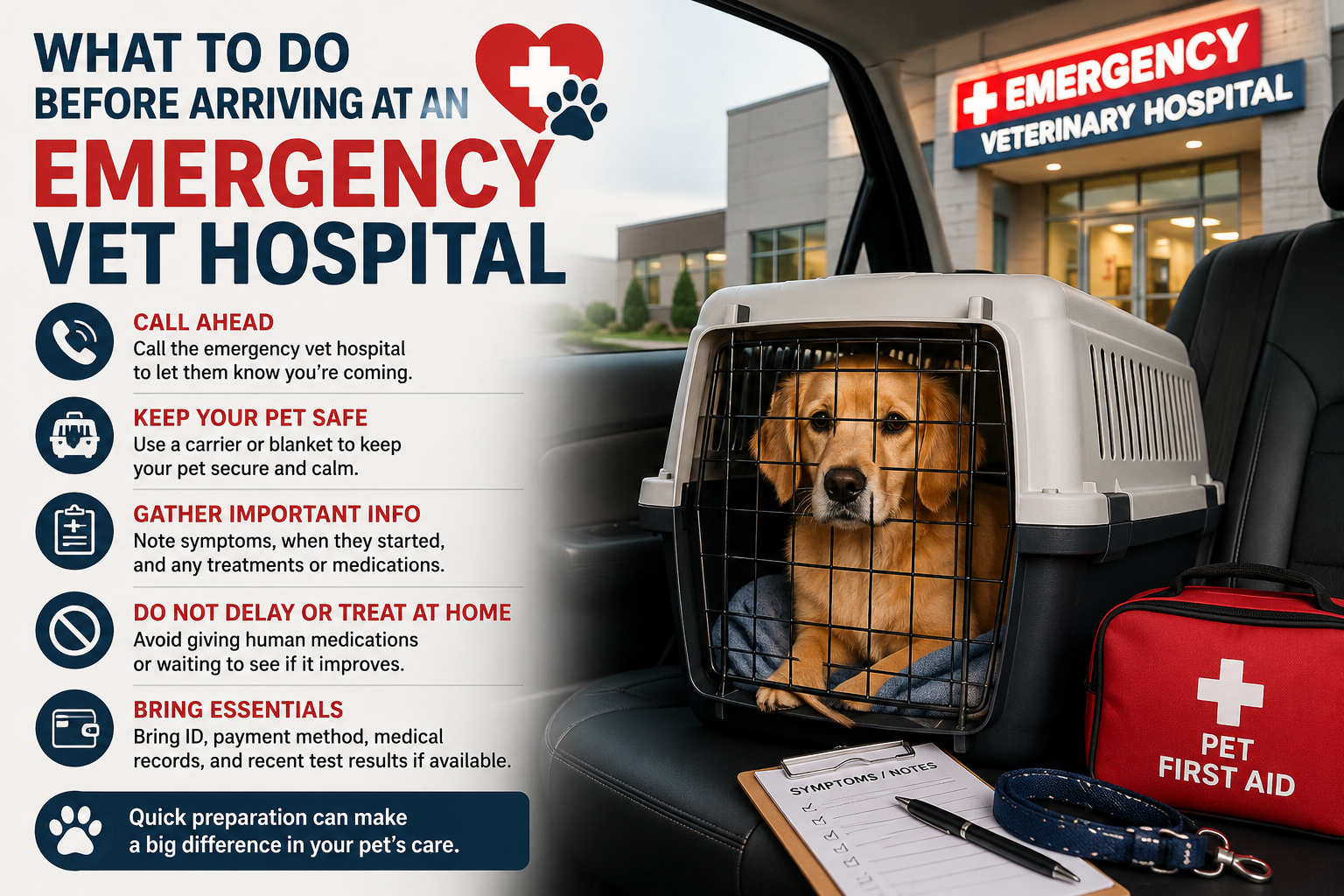
If possible, contact an emergency veterinary hospital before leaving your home. Inform the veterinary staff about your pet’s condition and expected arrival time.
This way, the vet team can be ready for your pet and give the appropriate amount of immediate assistance. They may provide you with additional instructions to follow during transportation.
For example, if your pet consumed a toxic substance, the veterinarian may tell you whether to bring the packaging with you or to avoid inducing vomiting.
Keep Your Pet Secure and Comfortable
If your pet has a medical emergency, follow these guidelines for keeping them happy while you get them ready for transportation.
Injured Pets:
- Be careful when moving them.
- Don’t put any weight on the area that is injured.
- Use a blanket or thick towel as a stretcher if necessary.
Pets with Breathing Problems:
- Keep them in a cool, quiet area.
- Limit the amount of handling of the pet if possible.
Pets with Bleeding Injuries:
- Apply gentle pressure with a clean cloth to the area of injury to help control bleeding.
- Remember to keep your own safety as a priority; even normally friendly pets can bite or scratch when scared or hurt.
Obtain Relevant Details
Before leaving, gather any data that will assist the veterinarian in diagnosing and treating your pet quickly.
Examples of what to gather may include:
- Current medications
- Medical history
- Vaccination records
- Known allergies
- Recent surgeries or illnesses
If your pet may have ingested a poison, whenever possible, provide the product’s label or the medication bottle to help the veterinarian assess the exposure.
These items will save time when your pet is treated.
Secure Your Pet for Transport
Properly transporting your pet is critical to prevent additional injury.
For dogs:
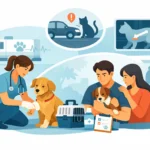
- A leash, harness, or carrier should be used.
Larger and more severely injured dogs may require additional support using a blanket or board.
For cats:
- Place the cat in a secure, safe carrier.
Cover the carrier with a towel if the cat is displaying signs of being anxious.
Never allow pets to move freely around the vehicle. The sudden movements can make their injuries worse and can be very distracting while you drive.
Accompany Your Pet
If you can find someone (i.e., family member or friend) to help you with transportation, have that person accompany you during the trip. The person driving can focus on driving while the other person helps you to care for the animal as much as possible.
Having the added support will be helpful should your pet need comfort, restraint, monitoring, etc. during transport.
Don’t Try Home Remedies
Pet owners often try home remedies before visiting the veterinarian. This is a noble thought; however, some home remedies can make the situation much worse than before.
Find the Fastest Route to the Emergency Vet
Time is critical in a pet emergency. You can use GPS to find the fastest route to the emergency vet clinic. If you have time to check traffic before you leave, knowing your exact destination and the route will help reduce stress and help you get to the vet quicker.
Monitor Your Pet during the Trip
While travelling with your pet, check on your pet’s condition throughout the journey.
Watch out for:
- Changes to breathing
- Loss of consciousness
- Increase in bleeding
- Seizure activity
If you have someone travelling with you, make sure they are keeping an eye on the pet and are able to update the veterinarian’s office if there are major changes in the pet’s condition throughout the trip.
Be Prepared for Emergency Treatment When You Get There
When you arrive at the emergency vet clinic, provide the staff with any relevant information regarding the pet, including what you feel are the symptoms, when the situation occurred and what treatments you may have already completed.
Blockquote
In a pet emergency, staying calm, acting quickly, and preparing before you travel to the vet can help ensure your furry companion receives the timely care they need.
Conclusion
If you are faced with a pet emergency it can be incredibly stressful. Being prepared will help you react appropriately. You can help keep calm and assist your pet throughout their emergency by remaining calm during an emergency with your pet. Gather and take your pet’s important medical information with you when you arrive at the emergency veterinary clinic.
AV Veterinary Center is a top veterinary center that provides the best quality emergency care for pets. Feel free to take your pet for emergency care, or for a regular checkup, or a diagnosis.
Contact details
Name – AV Veterinary Center
Address – 1055 W. Columbia Way #103, Lancaster, CA 93534
Contact – 661-729-1500
E-mail – reception@avvetcenter.com
Frequently asked questions
When should I take my pet to an Emergency Vet Clinic?
If your pet shows any of the following medical symptoms, you should take them to an emergency veterinarian immediately: trouble breathing, seizure activity, excessive bleeding (lacerations); unconsciousness.
Should I call the Emergency Vet Clinic before going there?
Yes, you will allow the office staff & the vet to prepare for your visit.
What veterinary information should I bring to the Emergency Vet Clinic?
You should bring a copy of your pet’s medical records, any medications prescribed to your pet, and a brief description of your pet’s medical emergency.
Should I give my pet human medication before going to the Emergency Vet Clinic?
No, never give your pet human medication without first consulting your veterinarian; this might harm your pet.
How can I safely transport my injured pet to the Emergency Vet Clinic?
The safest way to transport your injured pet is to use a carrier, leash, or blanket stretcher to keep your pet still and to help prevent your pet from sustaining additional injuries.