How Veterinary Surgeons Diagnose Conditions Requiring Soft Tissue Surgery – In cases when a pet is suffering from any internal problem, has been injured, or is experiencing any abnormal growth, veterinary surgeons require going through the process of diagnosis to determine whether any soft tissue surgery is required for that particular case. Soft tissue surgery includes the operation on organs, skin, muscles, intestines, respiration, urinary tract, and other non-bone parts. Proper diagnosis is important since it allows veterinarians to diagnose the cause of illness.
There are various ways to diagnose a pet before performing any surgery, ranging from physical examination to the use of various high-tech diagnostic equipment by veterinary surgeons.
What Is Soft Tissue Surgery in Veterinary Medicine?
As opposed to orthopedic surgeries that include bone operations, soft tissue surgery involves operating on non-bone tissues. The examples are:
- Surgery for tumor excision and mass removal
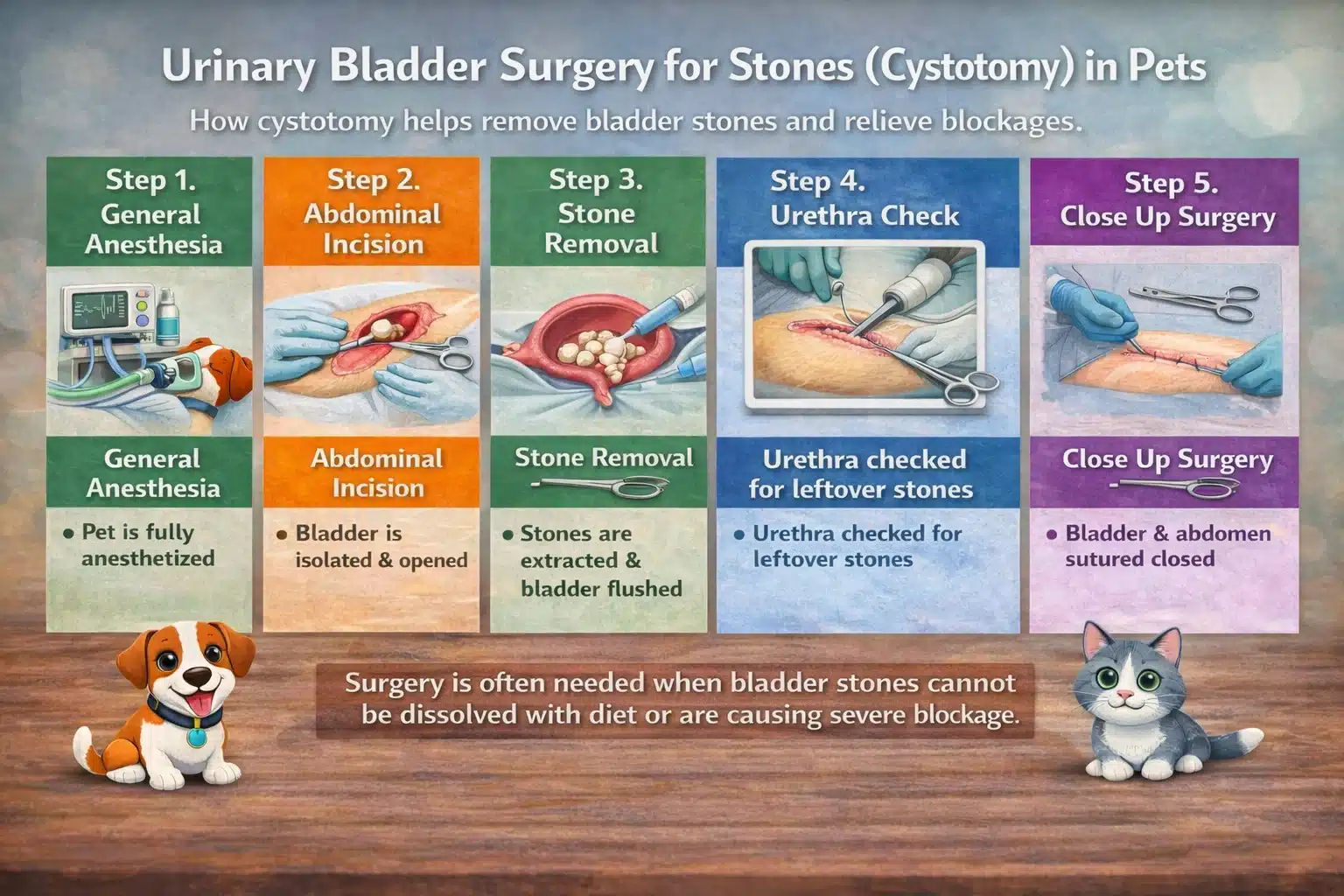
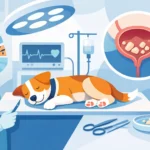
- Operation for bladder stones
- Gastrointestinal surgery
- Wound debridement and repair
- Removal of foreign bodies
- Splenectomy
- Liver surgery
- Respiratory tract operations
- Hernia repair
Veterinarians must be sure about the diagnosis and health of the pet before performing any surgeries in order to increase success rates and decrease risks.
The Diagnosis Procedure Before Soft Tissue Surgery
1. Extensive Physical Examination
The process of making an accurate diagnosis usually starts with a comprehensive physical exam. The veterinarian will evaluate the pet’s:
- Body condition
- Body temperature
- Heart rate
- Respiration rate
- Hydration level
- Reaction to pain
- Presence of swelling, lumps, or wounds
In addition, the owner is questioned regarding other symptoms like vomiting, diarrhea, coughing, loss of appetite, loss of weight, or change in behavior.
2. Blood Tests and Laboratory Workups
Blood tests are some of the most important diagnostic aids for animals. Blood testing is useful because it gives surgeons insight into how well certain organs function.
Tests performed on blood include:
- CBC – Complete Blood Count
- Blood Chemistry Panel
- Electrolyte Tests
- Coagulation Profiles
The blood tests may indicate whether there are any underlying conditions such as infection, inflammation, anemia, liver issues, kidney problems, or metabolic disorders. Problems that the veterinarian finds via blood tests will often be hard to detect by simply looking at the animal.
3. Diagnostic Imaging
Diagnostic imaging helps veterinarians and surgeons see what’s going on inside the body of the pet in order to diagnose certain medical problems.
X-Rays (Radiographs)
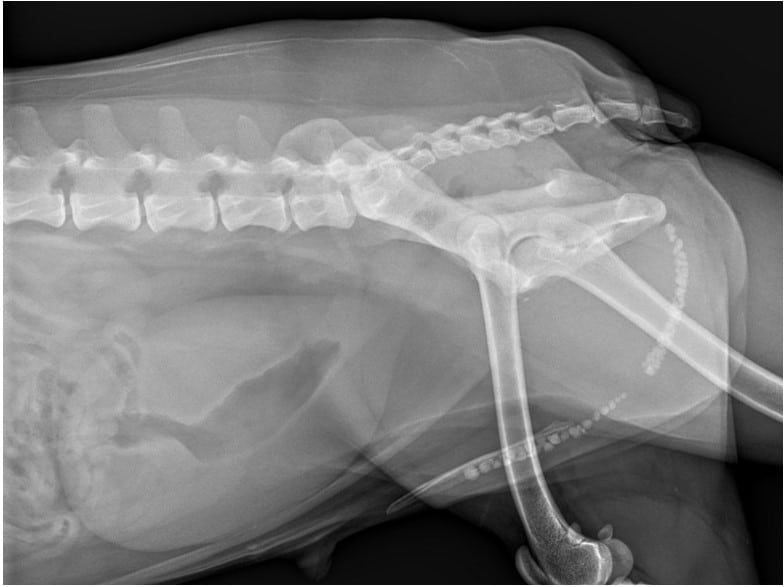
X-rays help doctors detect the following problems within an animal’s body:
- Foreign bodies
- Enlarged organs
- Abdominal problems
- Tumors
- Fluid buildup
Even though radiographs are quite helpful, they cannot help veterinarians view soft tissues.
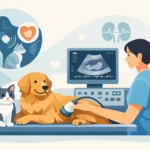
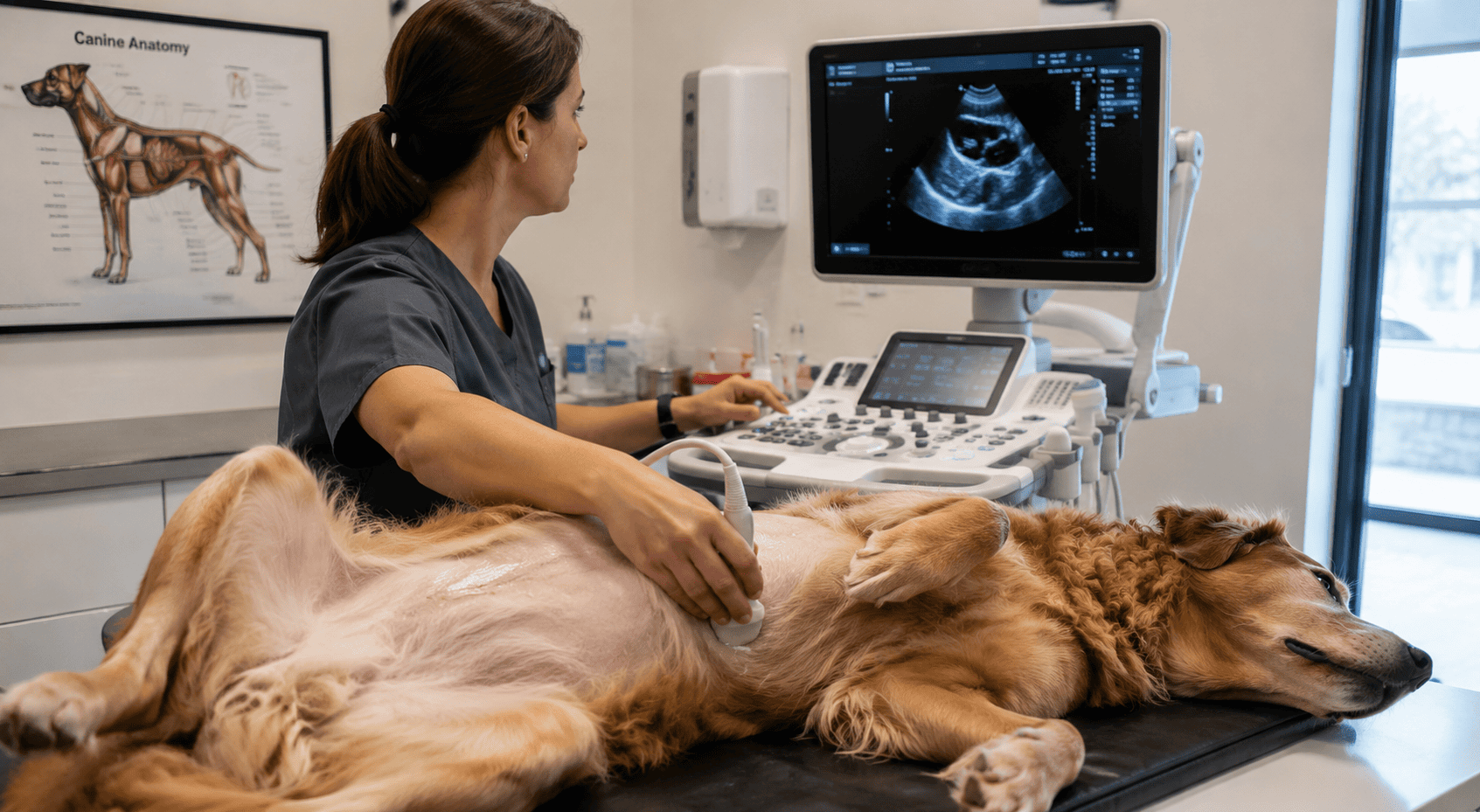
Ultrasound
The ultrasound technique is effective when it comes to assessing soft tissue structures and organs. It assists the veterinarians in detecting:
- Tumors and lumps
- Organ abnormalities
- Interstitial obstruction
- Bladder issues
- Diseases in the liver or kidneys
Due to its ability to provide a live image, ultrasound can be quite helpful when deciding about the need for surgery.
Computed Tomography (CT) and MRI
In more complicated cases, computed tomography (CT scan) and magnetic resonance imaging (MRI) produce very detailed pictures of internal organs, helping the surgeon to estimate the extent and exact location of the problem areas before surgery.
“Advanced imaging diagnostic technology allows veterinary surgeons to better identify issues, resulting in safer surgeries and improved results.”
Tissue and Biopsy Sampling
When an unusual tissue, tumor, or lump is detected, a biopsy procedure may be required.
The biopsy refers to the procedure of taking a tissue sample for analysis. The veterinarian pathologist evaluates the sample to find out:
- Whether the tumor is benign or malignant
- What kind of cancer is involved
- How severe the tissue abnormality is
- Treatment methods
The fine needle biopsy may also be used to perform the FNA procedure before the recommendation for surgery.
Endoscopy and Minimally Invasive Diagnosis
Some veterinary procedures use endoscopy in order to examine the inner parts. An endoscope is a tube with a camera that enables direct viewing of the alimentary canal, airways, and other inner structures.
The advantages of using an endoscope for diagnostic purposes are:
- Less pain
- Faster diagnosis
- Collection of tissue samples
- Elimination of unnecessary operations
Sometimes, this method may be helpful to decide if an animal requires surgery or if other treatment is possible.
Evaluating Surgical Risks
A diagnosis is not limited to finding out what is wrong with an animal—it also entails evaluating if the animal is safe for operation.
Veterinary surgeons assess:
- Ages and Breed-Specific Risks
- Underlying Medical Conditions
- Cardiovascular Health
- Function of the Kidneys and Liver
- Ability to Tolerate Anesthesia
Further diagnostic tests might be required in order to provide the optimal surgical procedure for your pet.
The Importance of Early Diagnostics
Timely diagnostics are very important, as many cases become harder to treat once ignored. They allow the veterinary surgeon to:
- More easily plan surgery
- Reduce potential complications
- Facilitate the recovery process
- Achieve a higher survival rate
- Increase the overall quality of life
Regular visits to a veterinarian will help detect any underlying problems at an early stage.
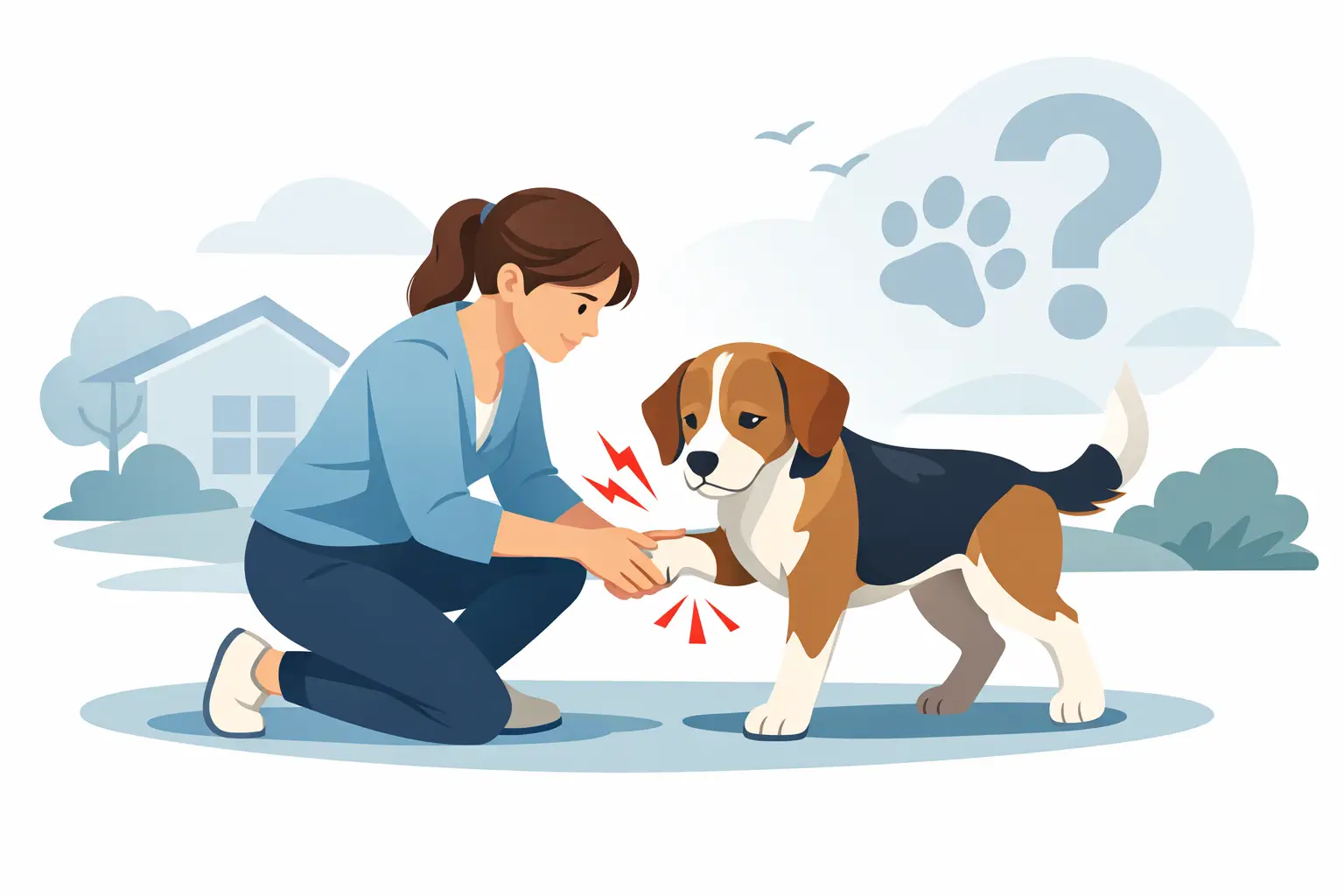
Signs That Your Pet Requires Further Examination
If you notice that your pet displays any of the following symptoms, please consult your veterinarian:
- Vomiting or diarrhea
- Trouble with urination
- Unusual weight loss
- Lumps or tumors
- Enlarged abdomen
- Shortness of breath
- Loss of appetite
- Pain or discomfort
Early examination is essential in increasing the number of treatment methods available.
Conclusion
Diagnostic assessment of ailments that require surgical procedures on the soft tissues entails far more than recognizing the symptoms. Surgical specialists rely on physical examinations, lab tests, diagnostic imaging techniques, biopsies, and the latest technology to make an informed diagnosis and plan for a successful treatment.
Pet owners looking for quality care through specialized veterinary services can turn to AV Veterinary Center for their pets’ diagnostic assessments, treatments, and more. The experienced staff at this veterinary center is passionate about helping pets lead healthy and fulfilling lives.
FAQs
How will my veterinarian determine if my pet requires soft tissue surgery?
A wide variety of tests and procedures are used to determine the cause of your pet’s ailment and whether surgery would be the right course of action.
Is an ultrasound sufficient for diagnosing surgery-related problems?
Though ultrasound proves to be a great diagnostic method when assessing soft tissue organs, it is usually accompanied by some blood tests, X-rays, biopsies, or CT scans for proper evaluation.
Why does my animal require blood work before surgery?
It will help determine whether there are any underlying problems, check organ functions, and make sure that surgery is safe for your animal.
Will it be possible to establish the nature of a tumor with the help of a biopsy?
Indeed, the biopsy is the method that allows establishing whether a tumor is either benign or malignant.
Do I always have to opt for an MRI or CT scan?
No, they can only be recommended when necessary in complex cases where more detailed images are required for accurate diagnosis.