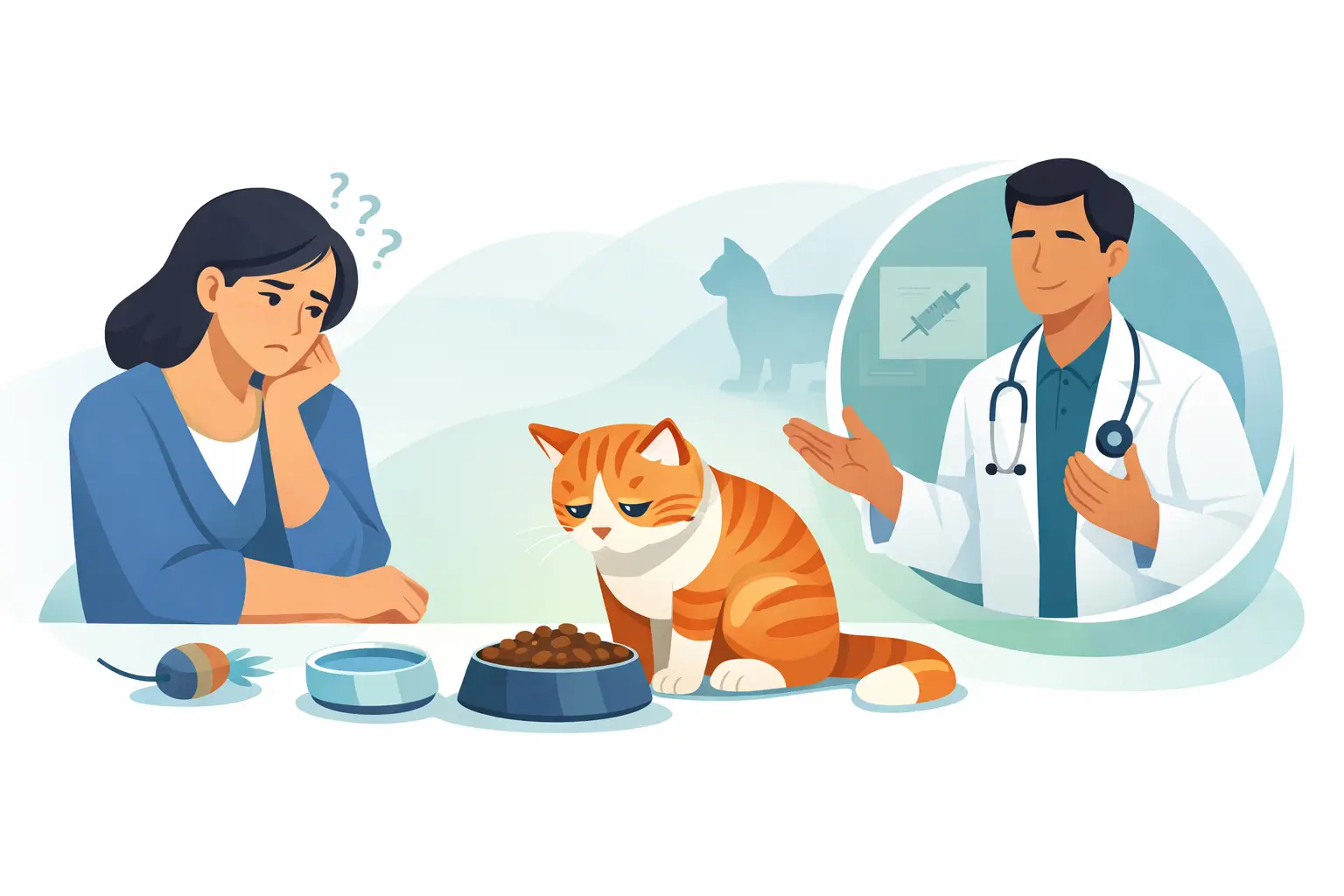
A dog that stops eating for two days. A cat that starts hiding and vomiting. A swollen belly that seems to appear overnight. These are the moments when pet owners ask, when does my pet need ultrasound, and the answer often comes down to one thing: your veterinarian needs a clearer look inside the body without waiting or guessing.
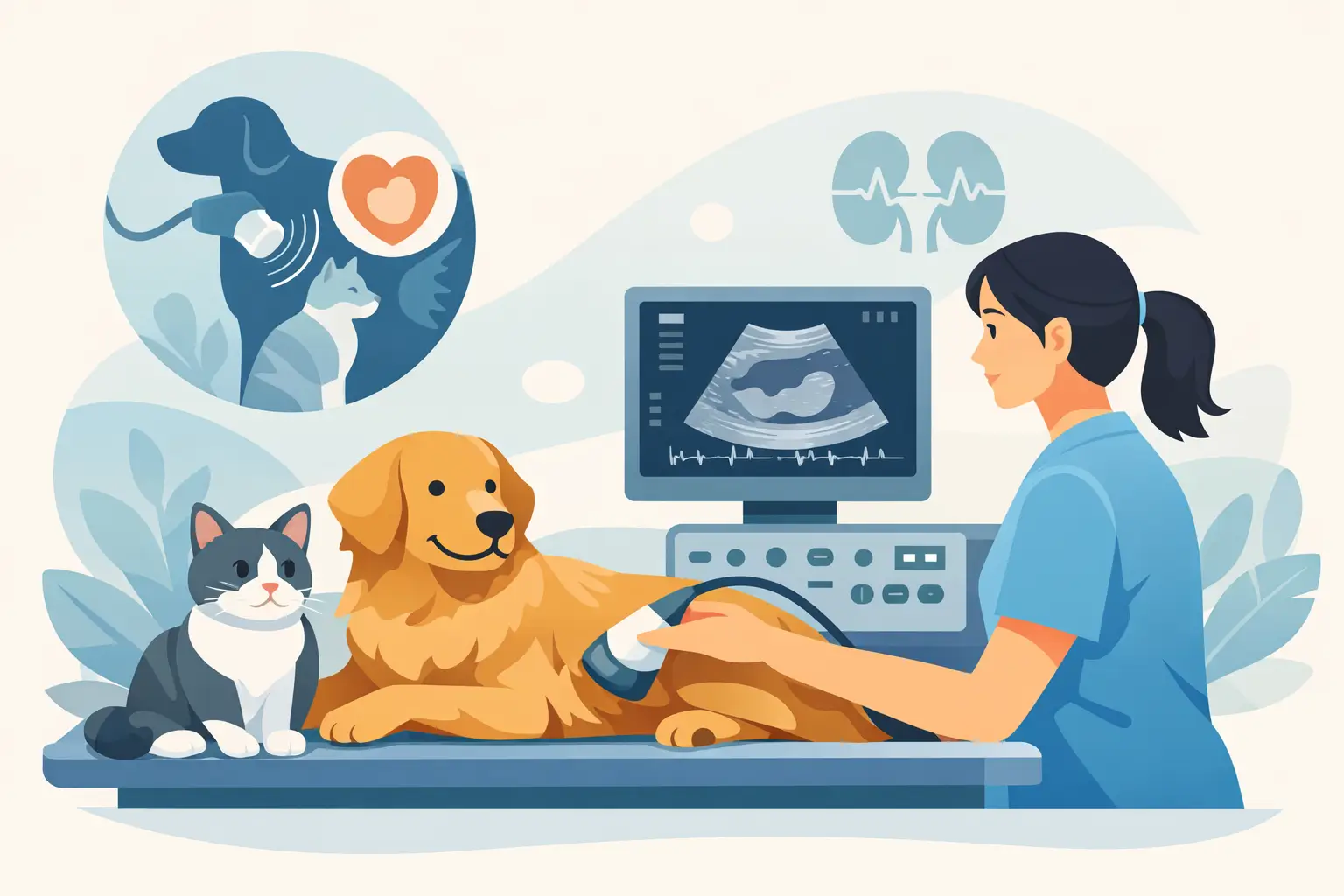
Ultrasound is one of the most useful imaging tools in veterinary medicine because it helps us see soft tissues in real time. Unlike X-rays, which are excellent for bones and certain patterns in the chest or abdomen, ultrasound gives more detail about organs such as the liver, spleen, kidneys, bladder, intestines, and uterus. It can also help evaluate fluid, masses, pregnancy, and some heart conditions. For dogs and cats with symptoms that do not have an obvious cause, ultrasound often provides the next important piece of the puzzle.
When does my pet need ultrasound for symptoms?
Pets do not always show illness in a clear or dramatic way. Sometimes the signs are subtle at first. A lower appetite, weight loss, changes in bathroom habits, low energy, or a tense abdomen may not tell us exactly what is wrong, but they can tell us that more information is needed.
An ultrasound may be recommended if your pet has ongoing vomiting or diarrhea, blood in the urine, difficulty urinating, abdominal pain, unexplained weight loss, abnormal bloodwork, or a newly discovered lump or enlarged organ. It is also commonly used when a veterinarian feels something unusual during an exam, such as fluid in the abdomen, a thickened area, or a suspicious mass. In these cases, ultrasound helps move from concern to evidence.
Some pets need ultrasound urgently. If your dog has a bloated abdomen, weakness, collapse, or pale gums, imaging may be needed right away to check for internal bleeding, fluid buildup, or a mass on an organ like the spleen. If your cat is straining in the litter box or not producing urine, ultrasound can help evaluate the bladder and urinary tract quickly. Timing matters because the results can directly affect treatment decisions.
What ultrasound can show that other tests may miss
Every diagnostic tool has strengths. X-rays are often the first step for coughing, limping, swallowing foreign objects, or checking the size and shape of structures. Bloodwork tells us how organs are functioning and whether inflammation, infection, anemia, or other internal problems may be present. Ultrasound adds another layer by showing what those organs actually look like.
For example, a pet may have elevated liver enzymes on bloodwork. Ultrasound can help show whether the liver appears enlarged, inflamed, cystic, or affected by a mass. A dog with blood in the urine may have normal X-rays but still have bladder wall changes or a soft tissue growth that is easier to see with ultrasound. A cat with weight loss may have only mild lab changes, but ultrasound could reveal thickened intestines, pancreatitis, or changes in the kidneys.
This is why ultrasound is often part of a bigger diagnostic plan rather than a standalone test. It works best when paired with the physical exam, medical history, bloodwork, and sometimes X-rays or CT. Good medicine is rarely about one test alone. It is about putting the pieces together in a way that makes sense for the pet in front of us.
Common reasons dogs and cats need an ultrasound
Abdominal ultrasound is the most common type used in general and advanced veterinary care. It can help assess the liver, gallbladder, spleen, kidneys, adrenal glands, pancreas, stomach, intestines, lymph nodes, bladder, and reproductive organs. This matters in a wide range of situations, from a straightforward urinary issue to a more complex cancer workup.
In dogs, ultrasound is often used to investigate vomiting, diarrhea, appetite changes, suspected foreign material, bladder stones, urinary problems, abdominal masses, and hormone-related disease. In cats, it is especially helpful for chronic vomiting, weight loss, kidney disease monitoring, pancreatitis, constipation, bladder issues, and changes that may be difficult to explain with exam findings alone.
Ultrasound can also guide procedures. If a fluid sample needs to be collected from the abdomen or a tissue sample is needed from a suspicious area, ultrasound helps the veterinarian target the right location more precisely. That can improve both safety and diagnostic value.
Pregnancy is another reason a pet may need ultrasound, though it is not the most common reason in routine companion animal medicine. Ultrasound can confirm pregnancy and assess fetal movement and heartbeats, but it may not always be the best tool for counting puppies or kittens. In that setting, your veterinarian may recommend additional imaging later in pregnancy.
When does my pet need ultrasound instead of waiting?
There is a difference between monitoring a mild issue and delaying care too long. If symptoms are persistent, worsening, or paired with concerning exam findings, waiting can narrow treatment options and increase risk.
A pet that vomits once and acts normal afterward may not need advanced imaging that day. A pet that vomits repeatedly, stops eating, seems painful, or becomes lethargic is a different story. The same is true for urinary signs. Mild, short-lived changes may start with an exam and lab testing, but straining, crying, frequent attempts to urinate, or blood in the urine should be evaluated promptly.
Senior pets also deserve special mention. As dogs and cats age, the risk of organ disease, tumors, gallbladder disease, chronic intestinal disease, and other internal conditions rises. Not every senior pet needs an ultrasound routinely, but when bloodwork changes, unexplained weight loss, or behavior shifts appear, ultrasound can provide valuable answers earlier in the course of disease.
What to expect during your pet’s ultrasound
For most pets, ultrasound is a low-stress, noninvasive procedure. The fur on the area being examined is usually clipped so the probe can make good contact with the skin. A gel is applied, and the pet lies comfortably while images are obtained. Many dogs and cats tolerate this very well with gentle handling and reassurance.
Sedation is not always needed, but some pets benefit from it if they are very anxious, painful, or unable to stay still. That decision depends on your pet’s condition, temperament, and the type of study being performed. If a more detailed or targeted procedure is needed, your veterinary team will explain the plan clearly.
One of the advantages of ultrasound is that it shows movement in real time. Your veterinarian can evaluate how structures look while also watching things like intestinal motion, bladder contents, or blood flow patterns in certain cases. Even so, ultrasound does have limits. Gas in the stomach or intestines can block parts of the view, and some findings still need confirmation through lab work, sampling, or additional imaging.
Why access to advanced imaging matters locally
When a pet is sick, the hardest part is often the waiting. Waiting for answers, waiting for referrals, waiting to know whether a problem is simple, serious, or urgent. Having access to advanced diagnostics close to home can reduce that delay and help families make informed decisions faster.
For pet owners in Lancaster, Palmdale, and the Antelope Valley, that matters not just for emergencies but for everyday continuity of care. A veterinarian who can combine the physical exam, bloodwork, imaging, and treatment planning under one roof is often in a stronger position to move care forward efficiently. At AV Veterinary Center, ultrasound is part of a broader commitment to comprehensive, evidence-based medicine for dogs and cats, whether the issue is routine, urgent, or medically complex.
If you are wondering whether your pet’s symptoms are serious enough for imaging, trust that instinct and ask. Ultrasound is not needed for every problem, but when your veterinarian recommends it, the goal is simple: to see more clearly, act sooner, and care for your pet with the accuracy they deserve.
The best next step is often the one that replaces uncertainty with answers, especially when your pet is counting on you to notice that something is not right.