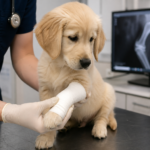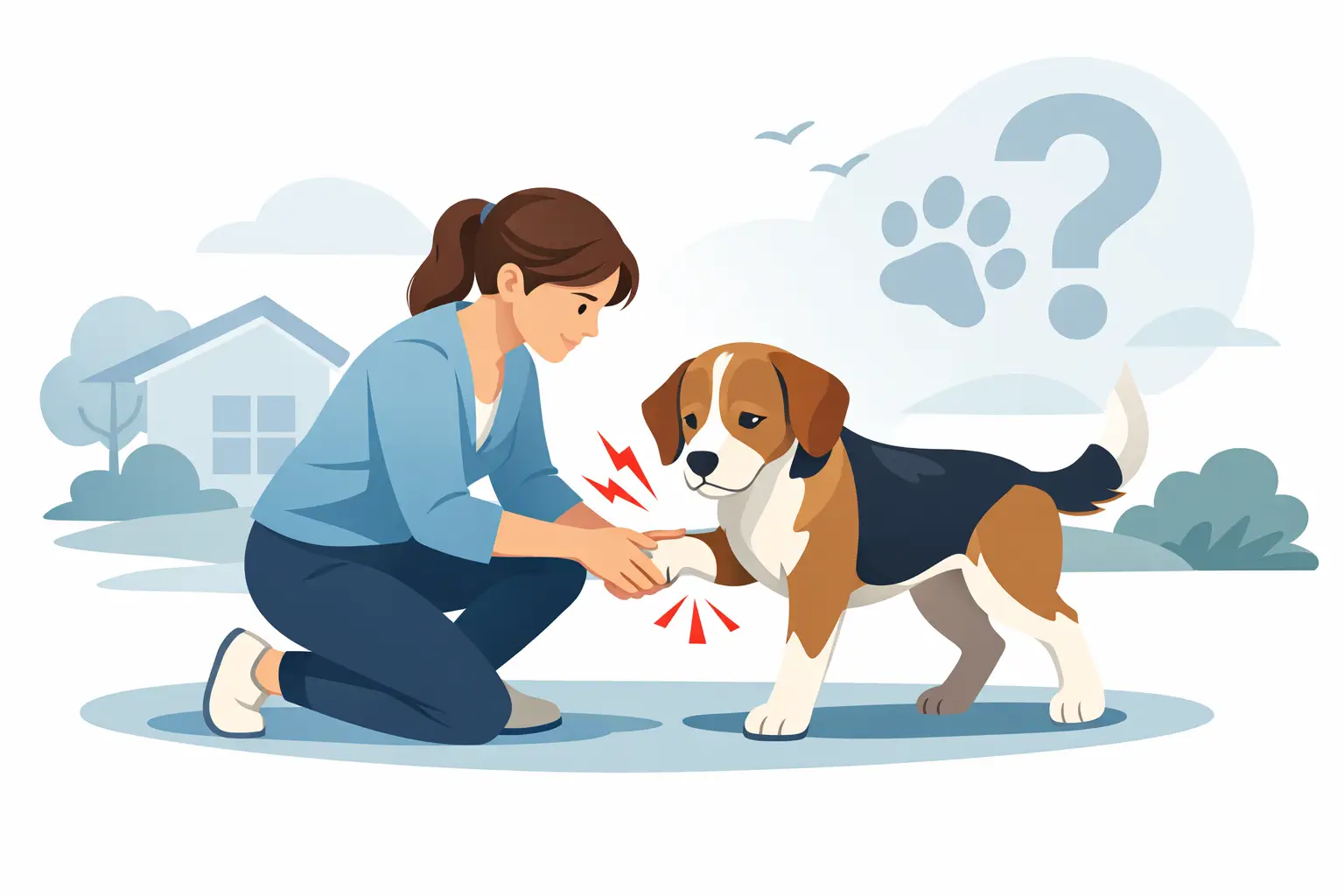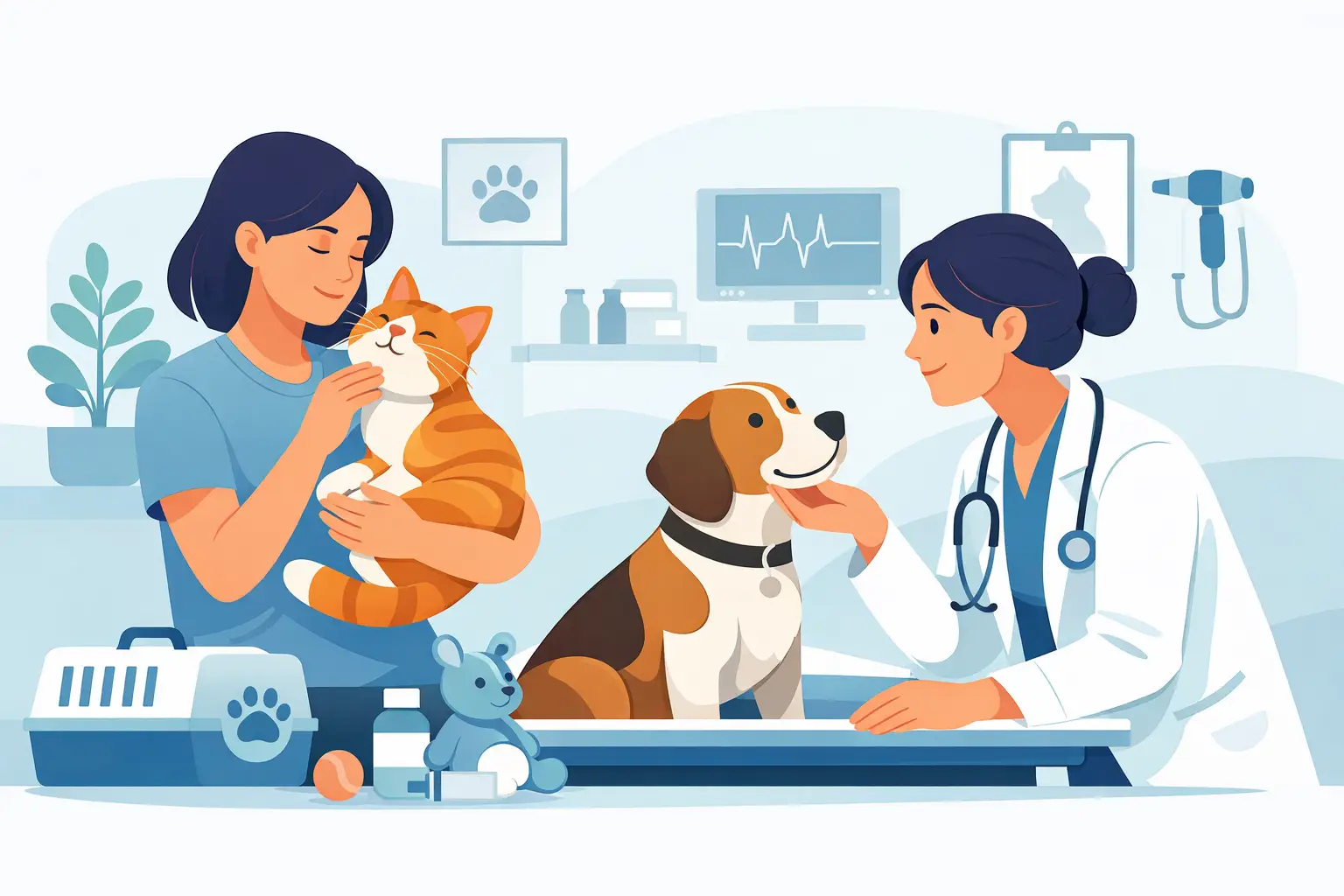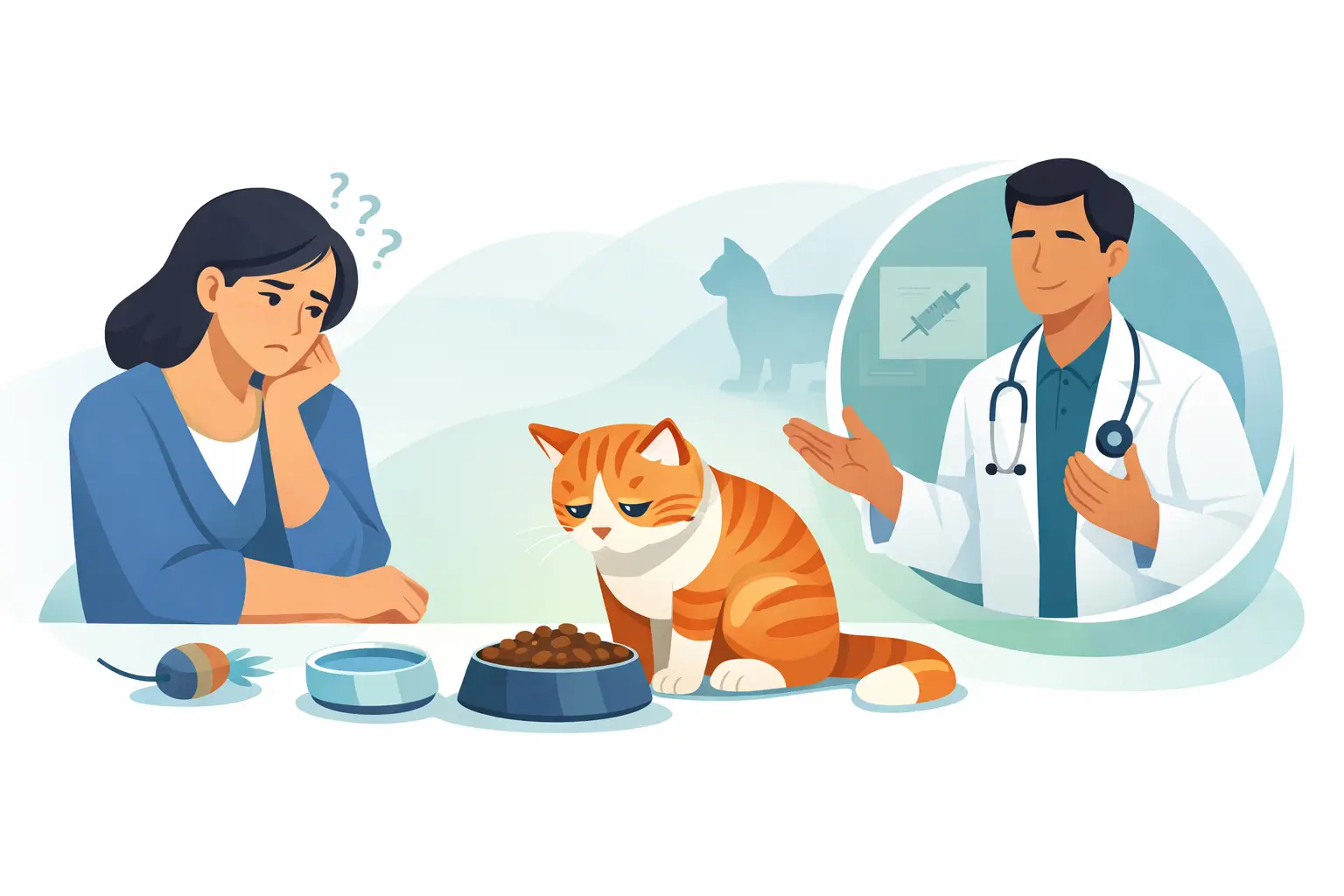
Physical fitness is important for your pet as well as the rest of your family. They need to stay active and keep healthy in order to live a long life. Unfortunately, just like humans, animals can have problems with their bones and joints and the muscles around those areas which will restrict their ability to move around freely.
There are many reasons why pets develop problems with their bones, joints and muscles; some of these include old age, past injuries, genetic conditions, or developing problems.
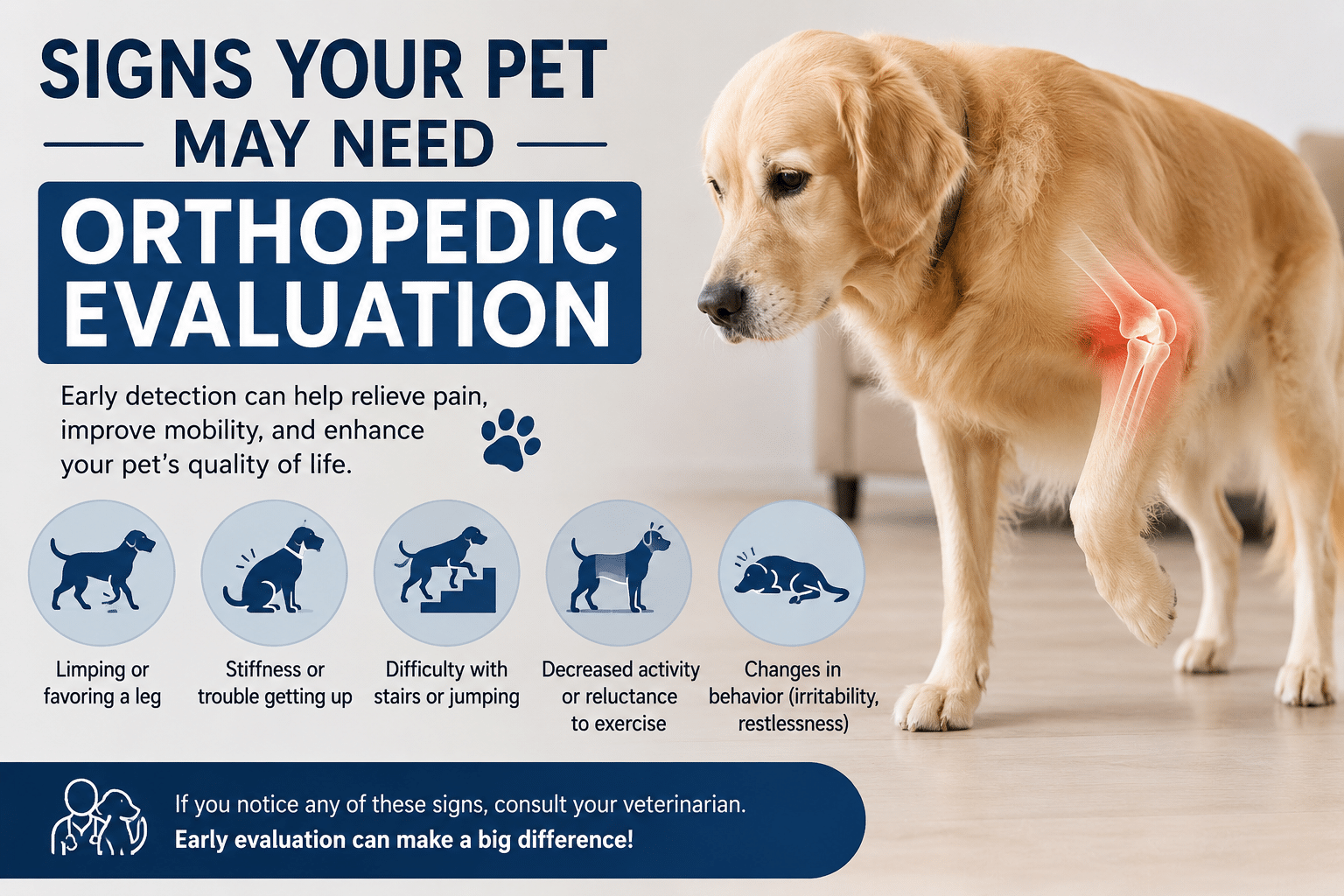
Finding and identifying problems early on will allow you to prevent future complications from occurring and will allow you to obtain the necessary treatment for your pet. Here are some common signs that may indicate that your pet requires an orthopedic evaluation.
In tis blog, we will talk about Signs Your Pet May Need Orthopedic Evaluation.
What are the Signs Your Pet May Need Orthopedic Evaluation?
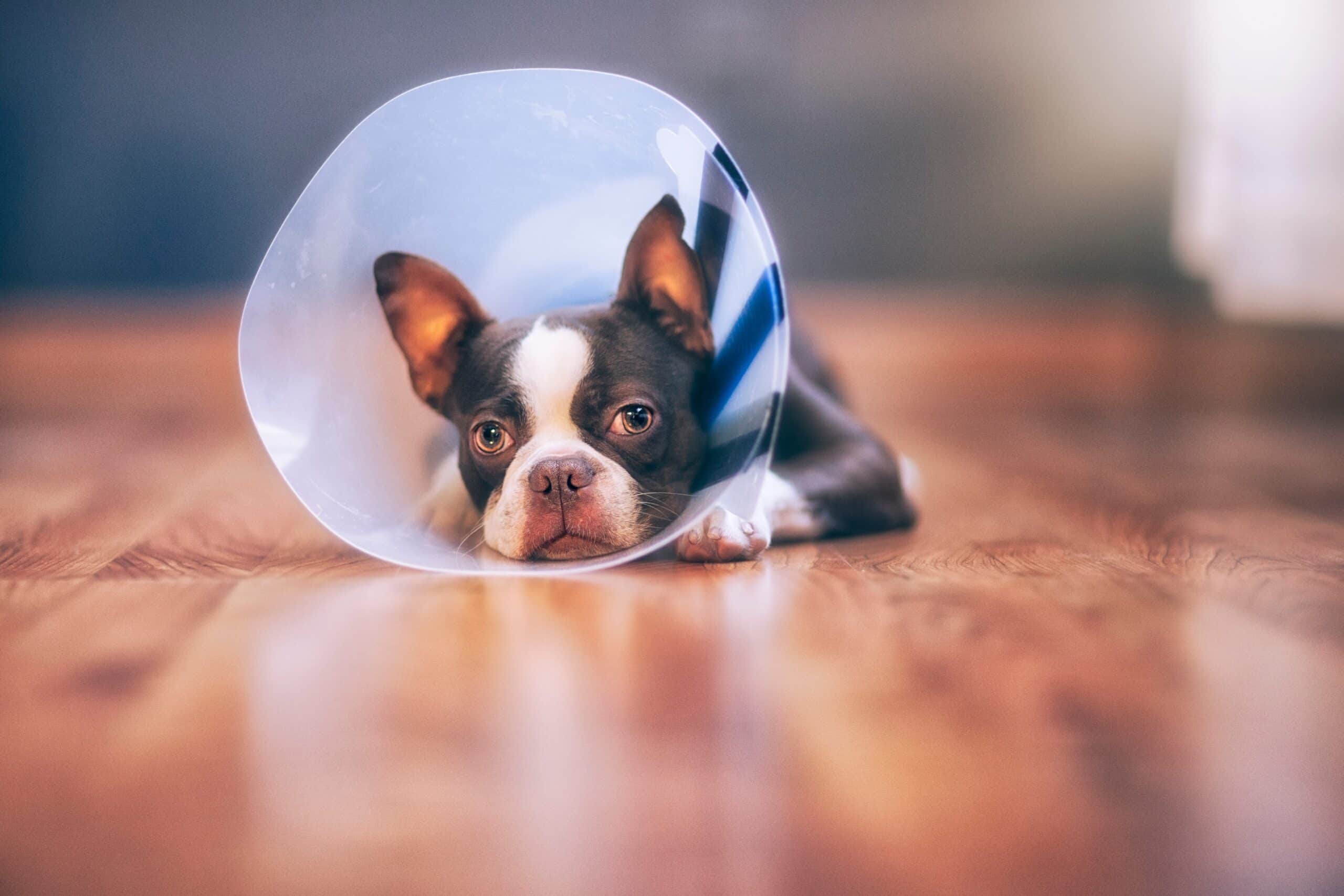
1. Limping or Favouring One of Its Legs
Limping is one of the most obvious indications that there is an orthopedic problem with your pet. If your pet consistently avoids putting any weight on one leg or if it appears to favor one leg over the others then it is most likely suffering from a problem related to its bones, joints, ligaments, and/or muscles.
An occasional limp after vigorous exercise may not be serious; however, most times, there will be no reason for a continued limp and it should always be investigated. Many orthopedic conditions such as tears of ligaments or cartilage, arthritis, fractures, hip dysplasia, etc. can cause the observed limp.
2. Difficulty with Awakening from a Sitting or Lying Position
A healthy pet will move easily between sitting, standing, or lying down positions. If your pet has difficulty getting up after lying down or sitting down after being upright, then your pet may be in joint pain or have a limited range of joint motion.
Older pets that are suffering from arthritis or degenerative joint disease often will demonstrate this sign. An orthopedic assessment can help identify the underlying cause of the problem and offer treatment alternatives.
3. Reduced Activity Levels
Did your previously active dog stop chasing ball? Is your cat no longer able to get up on furniture? A sudden decrease in activity suggests discomfort or pain.
Pets tend to hide their pain naturally, and therefore a decreased desire to participate in activities such as exercising, walking, or playing generally indicates an orthopedic condition. Observing alterations to your pet’s behaviours can also help detect issues early.
4. Difficulty Climbing Stairs or Jumping
If your pet is having difficulty climbing stairs, jumping into cars or onto a bed, that may be a sign of joint or bone problems. If your pet appears to be hesitant to try these activities or avoids them altogether, he or she may be experiencing orthopedic discomfort.
Some common causes of difficulty with mobility can be hip dysplasia, arthritis or spine problems.
5. Swelling Around Joints/Limb(s)
Whenever you see visible swelling surrounding a joint or limb, that should be taken seriously. Swelling can be due to an injury, inflammation, infection, or joint disease.
If you notice any enlargement of your pet’s joint/s, abnormal lump/swelling, or if your pet has tenderness when you touch a certain area, you should see a veterinarian for examination of the area as soon as you can.
6. Rigidity Following Rest
A wide array of orthopedic ailments may cause rigidity following periods of inactivity; for instance, a pet may appear to move slowly or be uncomfortable as it gets up in the morning or after a nap.
Although the stiffness is usually improved once the pet begins to walk around, it is often a sign of an underlying joint problem that should be checked by a qualified veterinarian.
7. Altered walking or running
Alterations in your pet’s gait or manner of standing/walking/running can also indicate that it may be having difficulty with its joints. Some common gait abnormalities include:
- Wobble/gait while walking
- Bunny hopping
- Shortened gait
- Dragging of feet
- Unevenly distributed weight
Each of these abnormalities can indicate a joint/hip/knee/spinal condition that your pet should be evaluated for by a veterinarian.
8. Signs of Pain/Discomfort
Pets show signs of pain differently from humans. Instead of expressing their pain vocally, many pets will display subtle behavior changes such as:
- Whining or other responsive vocalization
- Becoming irritable
- Reluctance to have anyone touch them
- Excessive licking of an area
- An inability or reluctance to stay still
If your pet exhibits any combination of these signs with mobility issues, a veterinary examination for orthopedic problems may be necessary.
9. Muscle Atrophy in the Limbs
If a pet is avoiding using an injured limb or has difficulty using a limb due to pain, it will gradually lose muscle mass in the area of the limb that has been disused. This loss of muscle, called muscle atrophy, frequently occurs as a result of a neurologic or orthopedic problem.
A veterinarian will be able to help you determine the cause of your pet’s muscle atrophy.
10. Recovery after Injury
Your pet may seem to be fine after falling, having an accident or being injured while playing sports; they may have some sort of damage to their bones (orthopedic) that goes undetected by you. Therefore these types of injuries (fractures, ligament ruptures, joint damage) can worsen at a later date if no treatment has been given initially.
Having an orthopedic assessment completed soon after the injury occurs will verify that there are no further issues related to the healing of the injured area while at the same time reducing the probabilities of long-term complications resulting from the original injury.
Importance of Assessment at an Early Stage
A pet who has some type of orthopedic condition (damage to his/her bones or joints) is going to affect how much comfort (quality of life) your pet will experience in the future. By obtaining a diagnosis as soon as possible your veterinarian will then be able to implement the appropriate methods to treat this orthopedic issue, which could include medication, physical therapy, management of your pet’s weight, lifestyle changes and/or surgery.
Blockquote
“Early detection of orthopedic issues can help your pet stay active, comfortable, and pain-free for longer.”
In summary
Your animal is looking for you to recognize when they are in discomfort and provide them with the necessary medical attention. If you notice any of these signs your pet needs to be seen by a veterinarian for an orthopedic evaluation as soon as possible. Limping, stiffness, swollen areas, and decreased ability to move will all be signs that should not be ignored and an orthopedic evaluation can help with recognizing the issue early.
AV Veterinary Center is a top veterinary facility for the proper treatment and diagnosis of your pet. Feel free to take your pet to AV Veterinary for daily diagnosis or any other treatment.
Contact details
Name – AV Veterinary Center
Address – 1055 W. Columbia Way #103, Lancaster, CA 93534
Contact – 661-729-1500
E-mail – reception@avvetcenter.com
Frequently asked questions
What is an orthopedic check up for dogs?
An orthopedic check up for dogs is an examination of the bony portions of the dogs body, their muscle tissue, joints and ability to move to see if they have any orthopedic problems related to motion and/or mobility.
When should my dog go for an orthopedic evaluation?
Your dog should go for an orthopedic evaluation as soon as possible whenever you notice him/her limping, stiff, swollen and/or having difficulty moving.
Can any pet be at risk for developing orthopedic issues?
The simple answer is yes: All pets are at risk for developing orthopaedic diseases at any age, whether through hereditary conditions, injuries, or congenital abnormalities.
Will limping automatically mean there’s something wrong?
Limping doesn’t always mean something is wrong; however, your pet should be examined by a veterinarian if you continue to see them limp or if the limp has returned.
Can my pet have orthopedic problems without having to have an operation?
Many orthopaedic disorders do not require surgical intervention and can often be managed with medications, physical therapy, controlling your pet’s weight, and/or making some lifestyle changes.
What are ways I can help lower my pet’s risk of developing orthopedic problems?
Maintaining your pet’s ideal body weight, exercising regularly, and taking them to the veterinarian for regular check-ups will all help decrease your pet’s risk of developing an orthopaedic disorder.