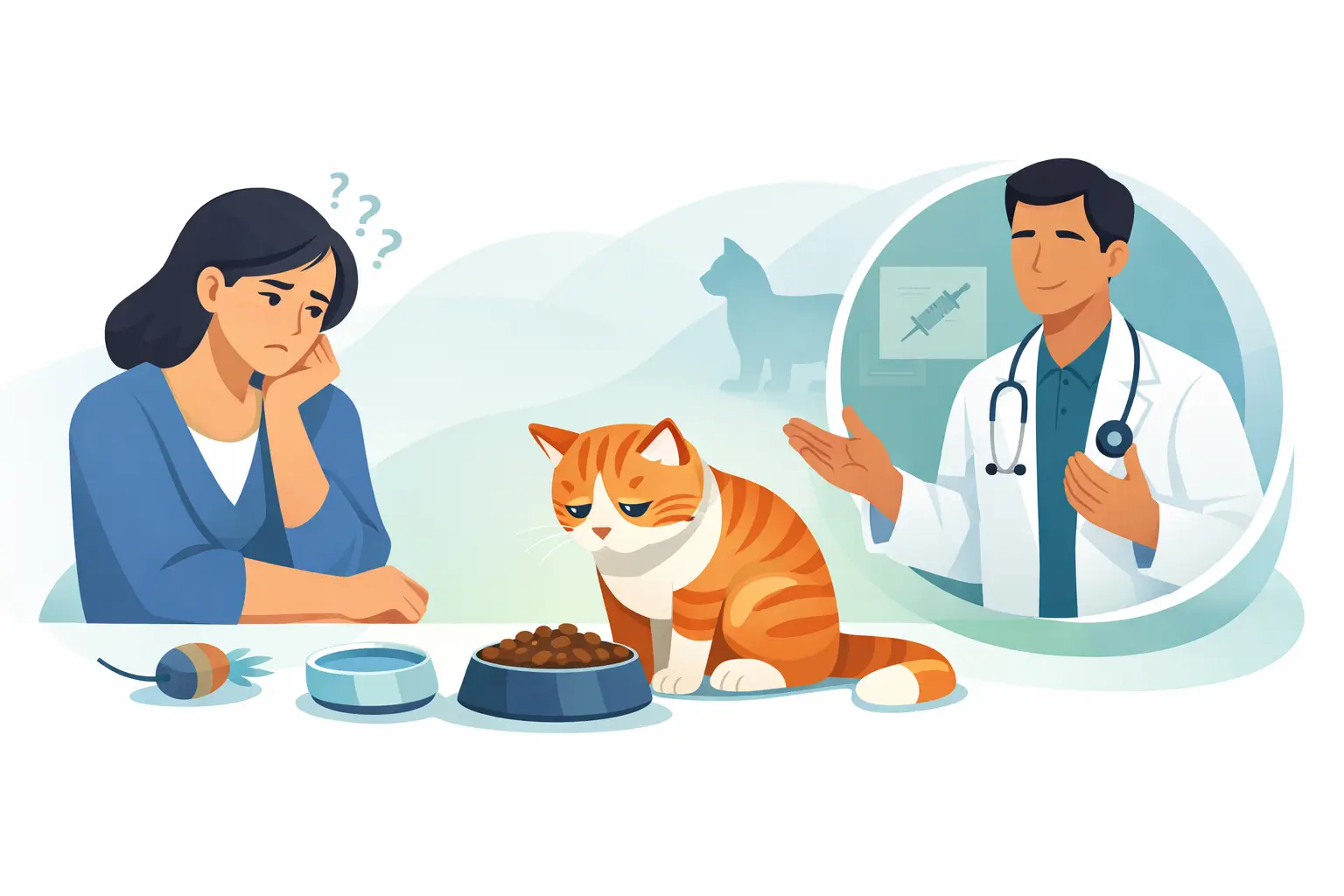
A dog that suddenly will not put weight on a leg, a cat vomiting repeatedly, or a puppy with diarrhea can make every minute feel urgent. Understanding pet urgent care vs emergency helps you act quickly without guessing, so your dog or cat receives the level of care their condition truly needs.
The difference often comes down to stability. Urgent care is for concerns that need prompt, same-day veterinary attention but are not immediately life-threatening. Emergency care is for severe illness, trauma, or rapidly worsening symptoms where delaying treatment could put your pet at serious risk.
Pet Urgent Care vs Emergency: The Key Difference
Urgent care fills the space between a routine appointment and a true emergency. Your pet may be uncomfortable, sick, or injured, but they are alert enough and stable enough to be evaluated without intensive resuscitation or immediate lifesaving intervention. Same-day care can prevent a manageable problem from becoming more serious.
Emergency care is appropriate when your pet has trouble breathing, uncontrolled bleeding, collapse, severe trauma, or other signs that a vital body system may be failing. These pets may need rapid stabilization, oxygen support, IV fluids, bloodwork, imaging, surgery, or hospitalization.
There can be overlap. A pet that begins with mild vomiting may become an emergency if vomiting is frequent, blood appears, the abdomen becomes painful or swollen, or your pet becomes weak and unresponsive. When you are uncertain, calling a veterinary team promptly is the safest choice. Describe what you are seeing, when it began, and whether symptoms are getting worse.
When Same-Day Urgent Care May Be the Right Choice
Urgent care is designed for problems that should not wait several days for a standard wellness visit. Your pet still deserves a thorough examination, but their breathing, circulation, and level of consciousness appear stable.
Common reasons to seek urgent veterinary care include a limp or minor injury, ear pain, eye redness or squinting, mild to moderate vomiting or diarrhea, coughing without severe breathing difficulty, skin infections, itching, urinary discomfort, or a sudden decrease in appetite. Pets with possible minor wounds, broken nails, bee stings, or signs of pain may also benefit from same-day evaluation.
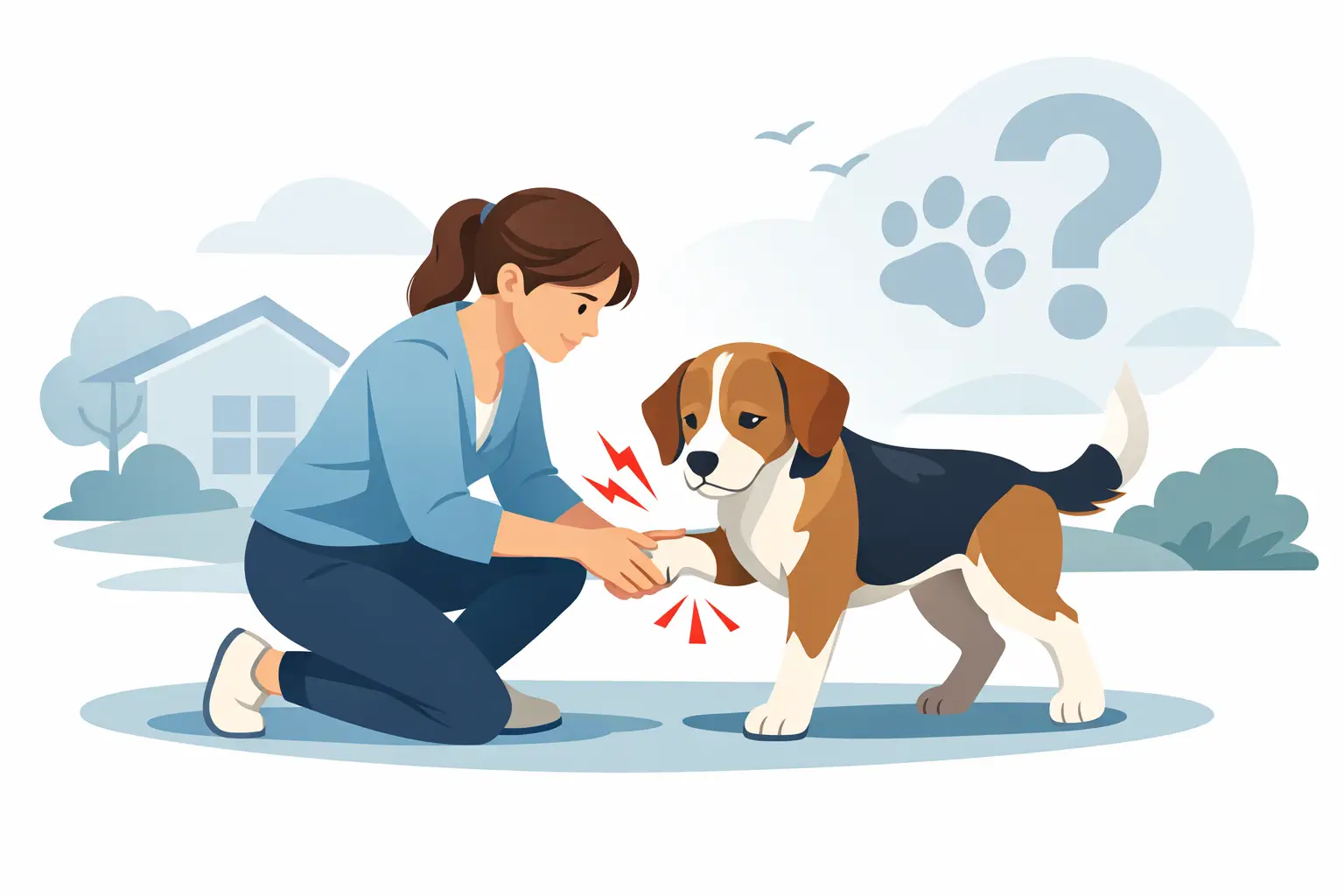
A dog who is limping after a hard play session but can stand, walk, and remain comfortable at rest may be an urgent care patient. A cat making frequent trips to the litter box may initially appear stable, but urinary problems deserve prompt attention because a blockage, especially in male cats, can quickly become life-threatening.
Urgent care can also be valuable after an issue has already been evaluated. For example, a pet recovering from surgery who develops mild swelling around an incision or a change in appetite may need a same-day recheck. Early assessment allows the veterinarian to adjust pain control, check for infection, or determine whether further diagnostics are needed.
Signs Your Pet Needs Emergency Care Now
Emergency symptoms are not always dramatic. Pets often hide pain and illness, particularly cats. If your pet seems profoundly different from normal, trust that observation and seek help right away.
Go for emergency evaluation immediately if you notice four or more of the following types of concerns, or if any single symptom is severe:
- Difficulty breathing, blue or pale gums, choking, or persistent open-mouth breathing in a cat
- Collapse, fainting, seizures, severe weakness, confusion, or inability to stand
- Uncontrolled bleeding, a deep wound, a bite injury, or major trauma such as being hit by a car
- A swollen or painful abdomen, repeated unproductive retching, or signs of severe abdominal pain
- Suspected toxin exposure, including medications, chemicals, certain foods, or poisonous plants
- Inability to urinate, repeated straining to urinate, or crying in the litter box or during urination
- Heatstroke signs, including heavy panting, drooling, vomiting, bright red gums, weakness, or collapse
Do not wait to see whether these problems improve overnight. Keep your pet calm, warm if they are weak or in shock, and transport them safely in a carrier or with a blanket as a stretcher when necessary. Avoid giving human pain medication or other over-the-counter products unless a veterinarian has specifically directed you to do so. Many common medications can be dangerous for dogs and cats.
Poisoning and foreign-body concerns
Some exposures require emergency guidance even before symptoms appear. A pet that has swallowed medication, xylitol-containing products, rodent poison, grapes or raisins, antifreeze, or an unknown substance should be assessed promptly. Bring the package, label, or a photo of the item if possible. The same applies when you believe your pet swallowed a toy, sock, bone fragment, string, or other object that could cause an intestinal blockage.
Never induce vomiting unless a veterinary professional tells you to. What is safe for one substance may be harmful for another, and an object or caustic product can cause more damage if it comes back up.
What Happens During an Urgent or Emergency Visit
Both urgent and emergency visits begin with an assessment of your pet’s condition. The veterinary team will ask about symptoms, timing, medications, diet, possible injuries, and potential exposures. In an emergency, a rapid triage assessment comes first. Pets with breathing problems, active bleeding, shock, or severe pain are stabilized as quickly as possible.
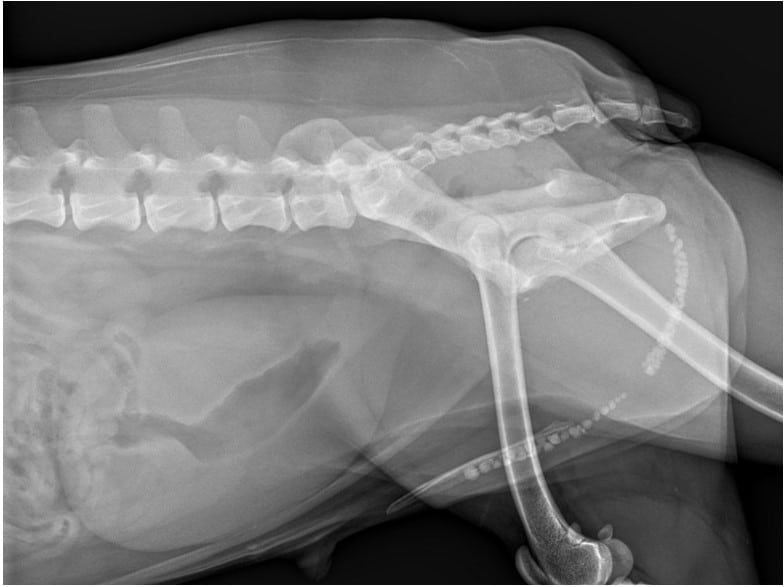
Depending on the concern, your veterinarian may recommend bloodwork, X-rays, ultrasound, CT imaging, urinalysis, or other diagnostics. These tools help identify problems that cannot be confirmed by an examination alone, such as internal bleeding, a fracture, a bladder stone, an intestinal blockage, or organ dysfunction.
Treatment may range from medication and home-care instructions to wound repair, IV fluids, oxygen therapy, hospitalization, or surgery. The right plan depends on your pet’s exam findings and the cause of the problem, not simply on how alarming the symptoms looked at home.
At AV Veterinary Center, advanced diagnostics, surgical capability, and individualized treatment planning allow families to pursue comprehensive care close to home when their pet needs more than a routine visit. Your veterinarian should clearly explain the findings, recommended next steps, expected costs, and what changes would require immediate reassessment.
How to Make the Decision When You Are Unsure
Start with three questions: Is my pet breathing normally? Are they alert and able to stand or respond? Are symptoms rapidly worsening? If the answer to any of these is no, or if you suspect trauma, poisoning, severe pain, or an obstruction, treat the situation as an emergency.
If your pet is stable but clearly uncomfortable or ill, request urgent care as soon as possible. Waiting can mean more pain for your pet and a more complicated condition later. A veterinarian can determine whether an upset stomach needs simple supportive care, whether a limp requires imaging, or whether an eye problem threatens vision.
It also helps to note practical details before you call. Take a short video of unusual breathing, coughing, limping, tremors, or seizure-like activity if doing so does not delay care. Record the number of times your pet vomited or had diarrhea, note their last normal meal and bathroom break, and bring a list of medications. These details give the medical team a clearer picture.
A Calm Plan Can Protect Your Pet
No pet owner wants to face a frightening health scare, but knowing the difference between urgent and emergency needs can replace panic with a clear next step. Keep your regular veterinary contact information accessible, know where to go after hours, and call immediately whenever your pet’s condition seems severe or uncertain. Your quick attention, paired with professional veterinary guidance, can make a meaningful difference in your companion’s comfort and recovery.