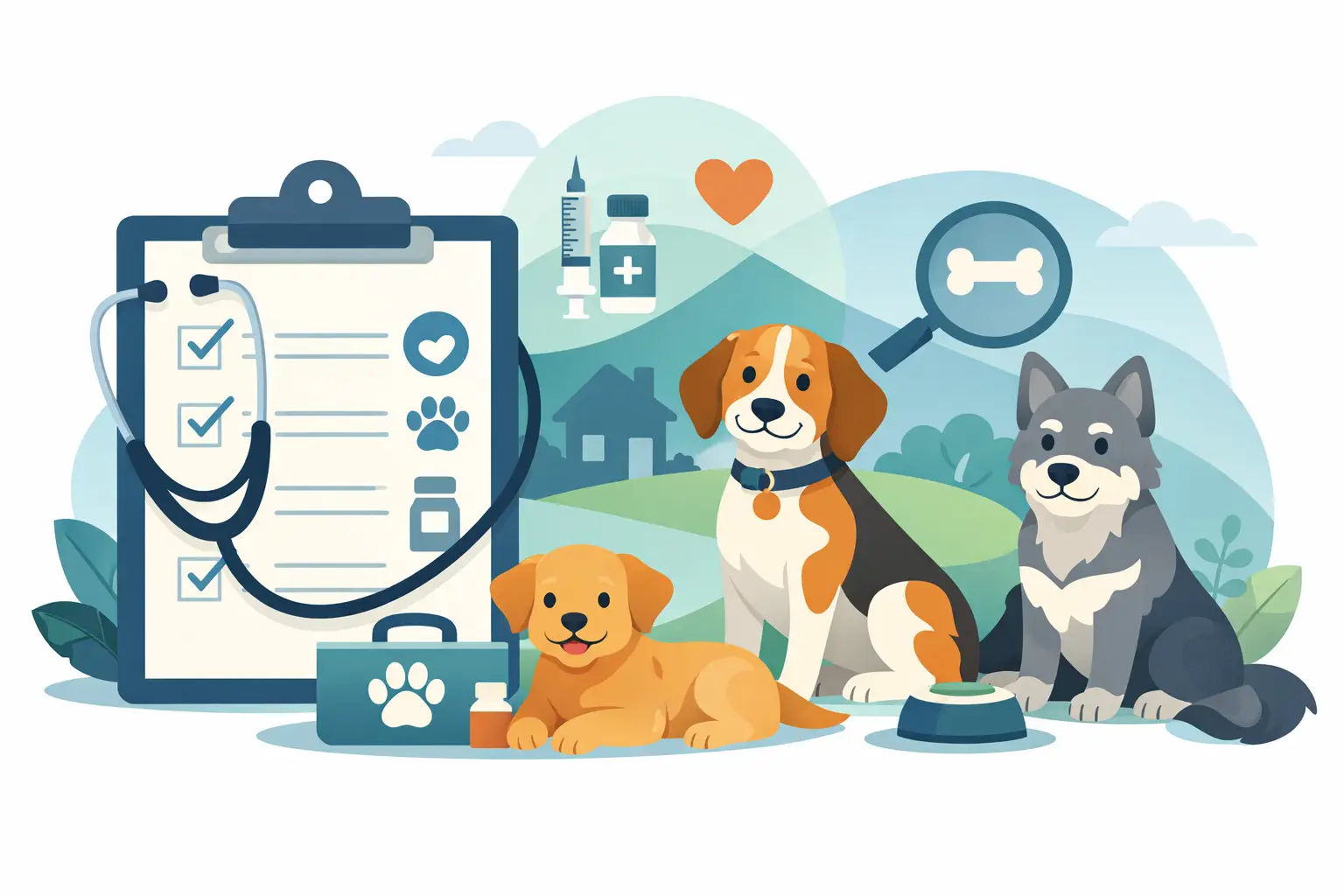
A wellness appointment is not only for a dog who appears sick. Dogs often compensate well for discomfort, dental disease, arthritis, weight changes, and early internal illness. A thoughtful dog wellness exam checklist helps you notice small shifts before they become larger health concerns and gives your veterinarian the information needed to personalize preventive care.
For families in the Antelope Valley, routine examinations are also a practical time to discuss local parasite risks, lifestyle changes, nutrition, and any questions that have been accumulating since the last visit. The goal is simple: keep your dog comfortable, active, and healthy through every stage of life.
What Happens During a Dog Wellness Exam?
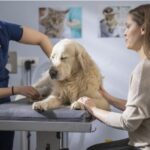
A complete wellness exam combines your observations at home with a veterinarian’s trained assessment. Your dog may look normal during a quick glance in the living room, but an examination can reveal subtle issues involving the heart, lungs, skin, ears, mouth, joints, abdomen, eyes, and body condition.
Your veterinary team will begin with a health history. Be ready to share changes in appetite, drinking, energy, sleep, mobility, behavior, bathroom habits, coughing, sneezing, vomiting, or stool quality. Even a detail that seems minor, such as taking longer to rise after a nap or avoiding a favorite toy, can guide the next step in care.
The physical examination typically includes a current weight and body condition assessment, temperature when indicated, heart and lung evaluation, abdominal palpation, skin and coat review, ear and eye examination, oral health assessment, and a check of the muscles, spine, and joints. Your veterinarian may also recommend vaccines, parasite prevention, laboratory screening, dental care, or diagnostic imaging based on your dog’s age, risk factors, and findings.
Your Dog Wellness Exam Checklist Before the Visit
Preparing ahead makes the appointment more useful and less stressful. Bring prior medical records if your dog is new to the practice, along with the names and doses of medications, supplements, and preventives. If you use a different pharmacy or purchase products online, a photo of the label is often helpful.
In the week before your appointment, take note of the following:
- Changes in appetite, thirst, weight, energy, or sleep
- Vomiting, diarrhea, constipation, accidents indoors, or changes in urination
- Coughing, gagging, sneezing, itching, head shaking, or bad breath
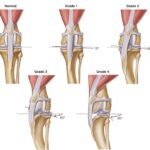
- Limping, stiffness, reluctance to jump, exercise intolerance, or signs of pain
- New lumps, skin irritation, coat changes, or unusual odors
- Behavior changes, including anxiety, confusion, irritability, or withdrawal
If your dog has an occasional symptom, a short phone video can be more informative than trying to describe it later. Record a limp, coughing episode, seizure-like event, unusual breathing pattern, or behavior concern when it is safe to do so. Do not delay urgent care to collect a video if your dog is having trouble breathing, collapses, has severe pain, or shows other signs of an emergency.
Bring a fresh stool sample if your veterinary team requests one. A fecal test can identify intestinal parasites that may not cause obvious symptoms. Because parasite exposure varies with travel, wildlife contact, dog parks, and time spent outdoors, testing and prevention should be tailored to your dog’s lifestyle.
Questions Worth Asking at a Wellness Visit
A wellness visit should be a conversation, not a checklist completed in silence. Ask whether your dog’s current food and portions support a healthy body condition, whether prevention is appropriate for the season and lifestyle, and what changes you should watch for before the next exam.
It is also a good time to discuss practical concerns: safe exercise for a growing puppy, weight management for an adult dog, travel plans, grooming-related skin concerns, or mobility support for a senior pet. There is no single plan that fits every dog. A young, active dog who hikes in brushy areas has different needs than a home-centered senior dog, and both deserve care built around their real lives.
Preventive Care Items to Review
Vaccinations and Parasite Prevention
Vaccines protect against serious infectious diseases, but the ideal schedule depends on your dog’s age, prior vaccination history, health status, and exposure risk. Core vaccines are commonly recommended for most dogs, while lifestyle vaccines may be advised for dogs who board, attend daycare, travel, or spend time around unfamiliar dogs.
Parasite prevention is equally personal. Fleas, ticks, heartworms, and intestinal parasites can threaten both pet and family health. Your veterinarian can recommend protection based on where your dog goes, whether they interact with wildlife, and the parasites seen in the local area. Skipping prevention during cooler months may be tempting, but risk does not always follow the calendar exactly.
Dental and Oral Health
Many dogs continue eating even when dental disease is painful. That is why a wellness exam includes checking the teeth, gums, tongue, and tissues inside the mouth. Bad breath, visible tartar, red gums, dropping food, chewing on one side, or pawing at the face can all signal a problem.
Home brushing is valuable, but it cannot remove established tartar below the gumline. If professional dental care is recommended, ask what the procedure includes, whether pre-anesthetic bloodwork is advised, and how pain management and monitoring will be handled.
Bloodwork and Other Screening Tests
Screening tests can establish a healthy baseline and detect changes before illness becomes visible. Depending on your dog’s age and medical history, your veterinarian may recommend bloodwork, urinalysis, fecal testing, heartworm testing, or other diagnostics.
For a healthy young adult dog, recommendations may be more focused. For senior dogs or pets taking long-term medication, testing is often recommended more frequently because kidney, liver, endocrine, and metabolic conditions can develop gradually. A normal result is still useful because it gives your veterinary team a point of comparison for future care.
How Often Should Dogs Have Wellness Exams?
Most adult dogs benefit from at least one wellness exam each year. Puppies need a series of visits for growth monitoring, vaccinations, parasite control, training guidance, and early health assessment. Senior dogs often benefit from examinations every six months, especially when they have arthritis, dental disease, chronic conditions, or new changes in mobility and behavior.
Age is not the only factor. Large and giant breeds may develop age-related concerns sooner than smaller dogs, while some breeds have inherited risks that justify more targeted screening. Your veterinarian can recommend a schedule based on your individual dog rather than using age alone.
Making the Visit Easier for Your Dog
A calm appointment starts before you leave home. Use a secure leash or carrier, bring high-value treats if allowed, and avoid arriving overly early if waiting rooms make your dog anxious. Let the team know in advance if your dog is fearful, reactive, painful, or difficult to handle. That information allows the hospital to plan for a safer, lower-stress visit.
Do not feel embarrassed if your dog is nervous. Fear is common, and it is not a sign that you have failed your pet. Some dogs benefit from a quieter appointment time, gradual handling, pre-visit medication, or a modified examination plan. The safest approach is the one that respects your dog’s emotional and physical needs while still allowing necessary care.
At AV Veterinary Center, wellness care is designed to be the foundation of a lifelong relationship, with advanced diagnostics and treatment options available if an exam uncovers a concern. Bring your observations, ask the questions on your mind, and let your veterinary team help you make confident decisions for the dog who depends on you every day.