Canine Hip Dysplasia: Causes, Symptoms, Diagnosis, Treatment, and Prevention – Among the very common orthopedic diseases in dogs, canine hip dysplasia (CHD) holds a prominent place. It is particularly prevalent among the large and giant breeds. The disease occurs when the hip joint is not properly developed, resulting in joint instability, pain, arthritis, and decreased mobility. Although hip dysplasia is a condition that lasts a lifetime, early diagnosis and effective veterinary care hip dysplasia can significantly increase the comfort level and the quality of life of the affected dog.
This comprehensive guide describes what canine hip dysplasia is, how to recognize the dog hip dysplasia symptoms, how to get a diagnosis, and the present dog hip dysplasia treatment options – for dog owners, veterinary centers, and animal health websites.
What Is Canine Hip Dysplasia?
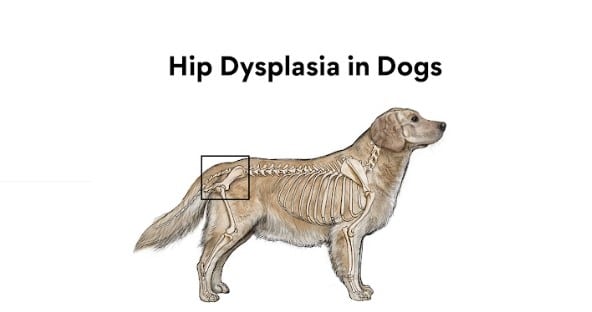
The hip is a ball-and-socket joint. In canine hip dysplasia:
- The ball (femoral head) and socket (acetabulum) do not fit tightly
- The joint becomes loose (laxity)
- Abnormal movement causes cartilage damage
- Progressive osteoarthritis develops over time
Hip dysplasia can start already in puppyhood, although in most cases the signs of hip dysplasia in dogs appear in adult dogs.
Is Canine Hip Dysplasia Genetic?
Indeed, the genes are the major factor determining hip dysplasia in large breed dogs, but they are not the only factor. The main reasons:
- Inherited joint conformation
- Rapid growth during puppyhood
- Excess body weight
- Overnutrition, especially high-calorie diets in puppies,
- Inappropriate exercise during growth
A dog may have genes that predispose it to canine hip dysplasia, but if it is a mild case, proper weight control and lifestyle management can be good enough to prevent the disease.
Breeds Commonly Affected
Hip dysplasia large breed dogs are most commonly affected, including:
- German Shepherds
- Labrador Retrievers
- Golden Retrievers
- Rottweilers
- Great Danes
- Saint Bernards
- Mastiffs
However, hip dysplasia in dogs can affect any breed or mix, including small dogs.
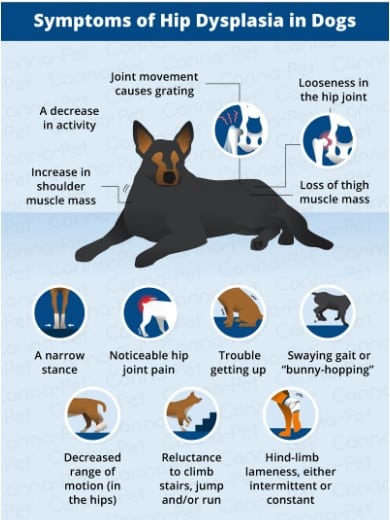
Symptoms of Canine Hip Dysplasia
Dog hip dysplasia symptoms depend on age and disease severity.
Puppies and Young Dogs
- Bunny hopping when running
- Getting up is difficult
- Not willing to jump or climb stairs
- Less active
Adult and Senior Dogs
- Hind limb lameness
- Stiffness after rest
- Shorter walks/pacing
- Pain on hip palpation
- Muscle loss in the hind legs
Symptoms often worsen after exercise or after staying inactive for a long time. Over time, many dogs get dog arthritis hips because of the unremitting hip joint instability.
How Canine Hip Dysplasia is Diagnosed
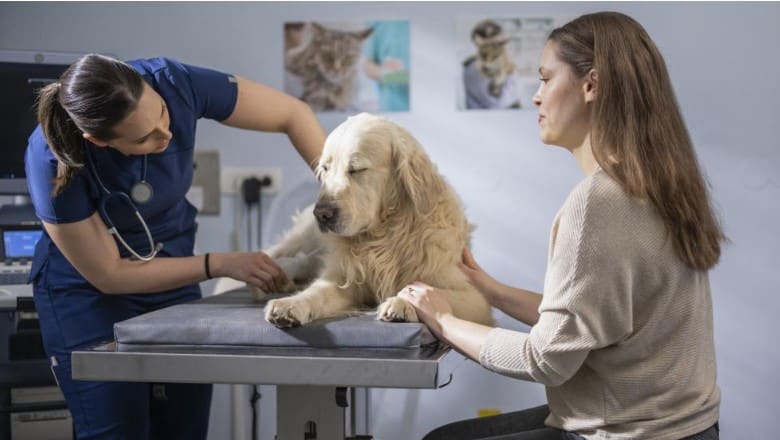
Diagnosis of hip dysplasia in dogs combines physical exam findings and imaging.
Diagnostic Steps
- Orthopedic examination (hip laxity, pain, range of motion)
- X-rays (radiographs) to evaluate joint structure and the presence of arthritis
- Sedation is sometimes necessary for proper positioning.
Early screening, along with proper veterinary care hip dysplasia evaluation, is very crucial in large-breed puppies.
Treatment Options for Canine Hip Dysplasia
There isn’t one single best solution for dog hip dysplasia treatment – the dog’s size, age, condition severity, and lifestyle determine the management plan.
Non-Surgical (Medical) Management
This can be ideal for a lot of dogs, especially those who have mild to moderate cases. It comprises:
- Weight management (extremely important factor)
- Controlled, low-impact exercise (leash walks, swimming, etc.)
- Pain and anti-inflammatory drugs
- Joint supplements (only when a vet advises)
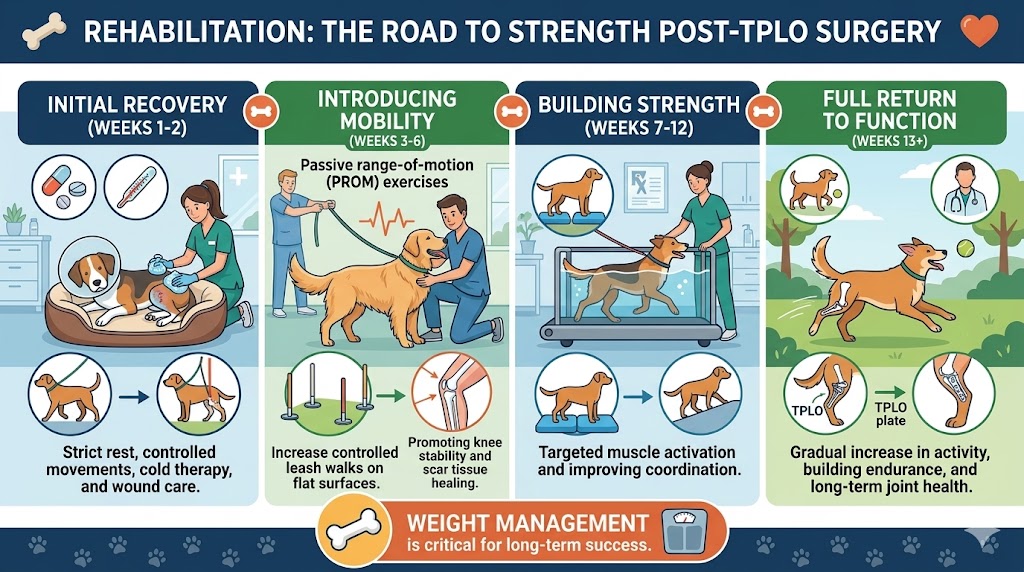
- Physical rehabilitation and physiotherapy
By medical management alone, a lot of dogs remain comfortable for many years.
Surgical Treatment Options
Surgery might be used as one of the treatment options for cases that have been confirmed to be very severe or when the pain becomes unbearable.
Common Surgical Procedures
- Juvenile Public Symphysiodesis (JPS): Used for very young pups
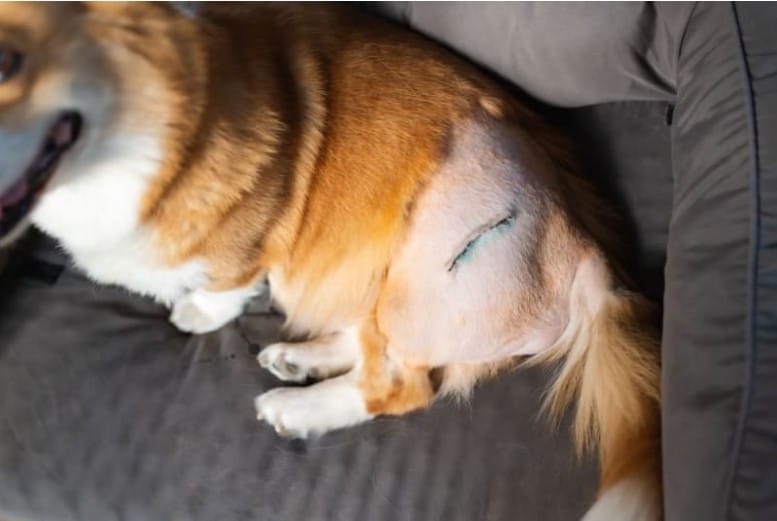
- Femoral Head Ostectomy (FHO): The femoral head is removed to relieve pain
- Total Hip Replacement (THR): The whole joint is replaced; near normal functionality is restored
Dog hip dysplasia surgical treatment results are frequently very good when the right cases are chosen.
Canine Hip Dysplasia and Arthritis
Almost all dogs that suffer from canine hip dysplasia will eventually develop degenerative joint disease, which is commonly referred to as dog arthritis hips.
Signs of arthritis include:
- Chronic pain
- Stiffness
- Lessened activity
- Trouble standing up or lying down
Early diagnosis and treatment of arthritis can delay the disease progression and lead to better mobility in the long run.
Exercise and Lifestyle Management
Having the right kind of exercise is essential for the management of hip dysplasia in dogs.
Recommended
- Leash walks in a controlled manner
- Swimming or an underwater treadmill
- Physical therapy exercises
Avoid
- Jumping high-impact
- Slippery floors
- Excessive running in young dogs
Performing a balance of exercises can help your dog strengthen the muscles surrounding the joints without causing the deterioration of the joints.
Nutrition and Weight Control
Overweight dogs tolerate the effects of hip dysplasia much worse.
Nutrition Tips
- Keep your dog in a healthy and lean condition
- Do not overfeed puppies
- Feed growth diets that are suitable for the breed
- Regularly monitor body condition
Just by controlling the weight, the amount of pain can be reduced greatly, and the progression of dog arthritis hips can be slowed down considerably.
Preventing Canine Hip Dysplasia
Not all cases of hip dysplasia in dogs can be prevented – but the risk can be lowered.
Prevention Strategies
- Choose breeders who check breeding dogs
- Avoid puppies from growing too fast
- Feed them adequately
- Avoid obesity
- Give the right amount of exercise during growth
Hence, responsible breeding is a key factor in the reduction of hip dysplasia in large breed dogs.
Prognosis: Can Dogs Live Well With Hip Dysplasia?
Yes. With early diagnosis and proper treatment of dog hip dysplasia:
- Many dogs live long, full, and happy lives
- Pain is kept at a minimum level
- Dogs continue to be mobile for years
Hip dysplasia in dogs is a disease that can be managed and should not be considered a death sentence.
When to See a Veterinarian
If your dog exhibits any of the following signs, you should seek veterinary care immediately for hip dysplasia evaluation:
- Constant hind limb lameness
- Getting up or going up stairs is difficult
- Unwilling to exercise
- Discomfort in the hip area
Early diagnosis facilitates better results and opens the door to more treatment options.
Conclusion
Dog hip dysplasia is one of the disorders that frequently occurs in canines, but it is nevertheless a very treatable and manageable condition. Learning about hip dysplasia in dogs, identifying the early dog hip dysplasia symptoms, and going through the professional veterinary care hip dysplasia treatment can significantly enhance your dog’s well-being and lifespan.
Do not delay if you think your dog has hip dysplasia. Early intervention is very important.
FAQs
What are the first signs of canine hip dysplasia?
Some of the early dog hip dysplasia symptoms can be bunny hopping, stiffness, and getting up with difficulty.
Is hip dysplasia only seen in large-breed dogs?
It is common in hip dysplasia with large breed dogs; however, any breed can be affected.
Can hip dysplasia in dogs be cured?
Since it is not curable, the proper dog hip dysplasia treatment can help a lot with pain and mobility management.
Does hip dysplasia lead to arthritis?
It is the case that quite a lot of dogs end up with dog arthritis hips due to joint instability, which is one of the effects of hip dysplasia.
When should I seek veterinary care for hip dysplasia?
Early veterinary care hip dysplasia assessment is advised when your dog shows limping, stiffness, or hip pain signs.