Canine Parvovirus (Parvo): Symptoms, Treatment, Survival, and Prevention
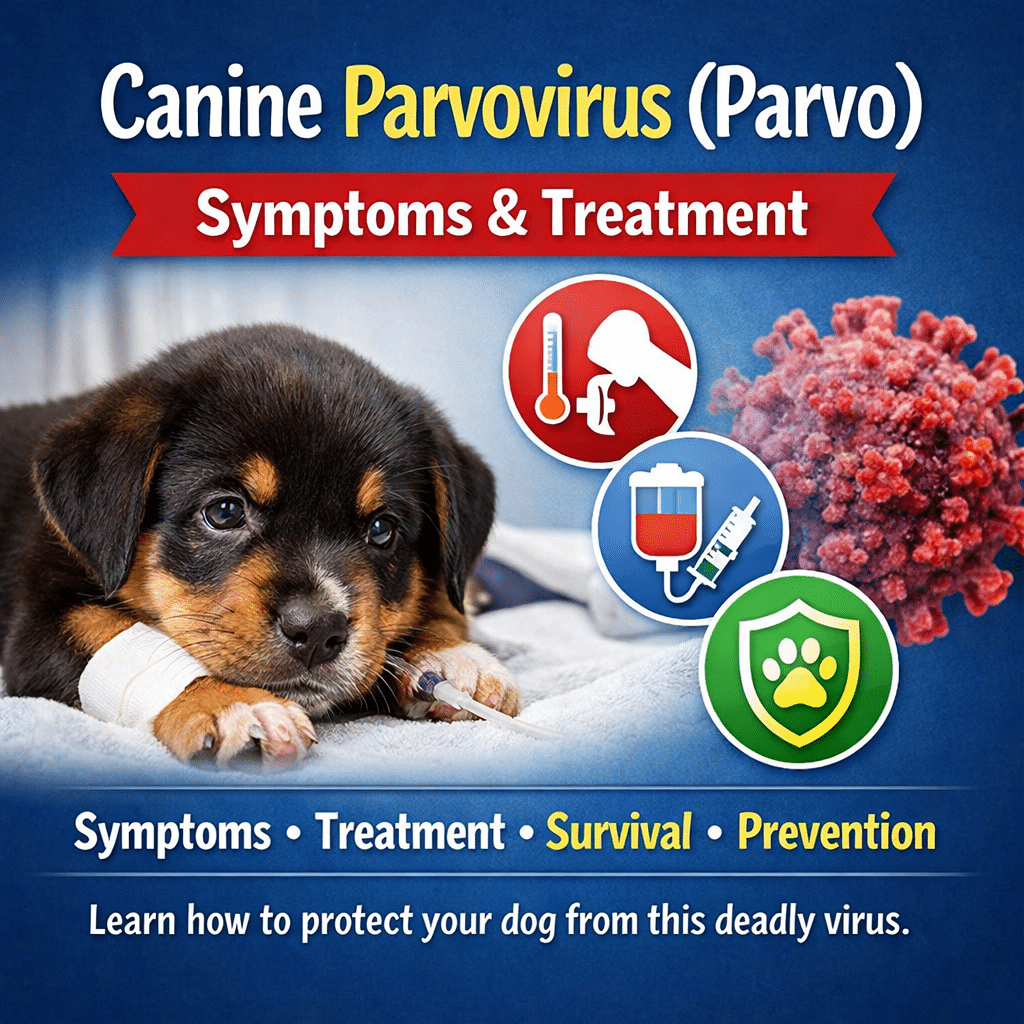
Canine Parvovirus is one of the most dangerous and life-threatening infections in dogs. It is a viral infection that is highly contagious and spreads like fire in the digestive system of the dogs. It is mostly seen in young puppies that are not fully vaccinated and can also become life-threatening if not treated professionally. The virus mainly targets the digestive system and reduces immunity to a greater extent. Immediate attention from the vet is necessary to diagnose the issue and then cure it in less time.
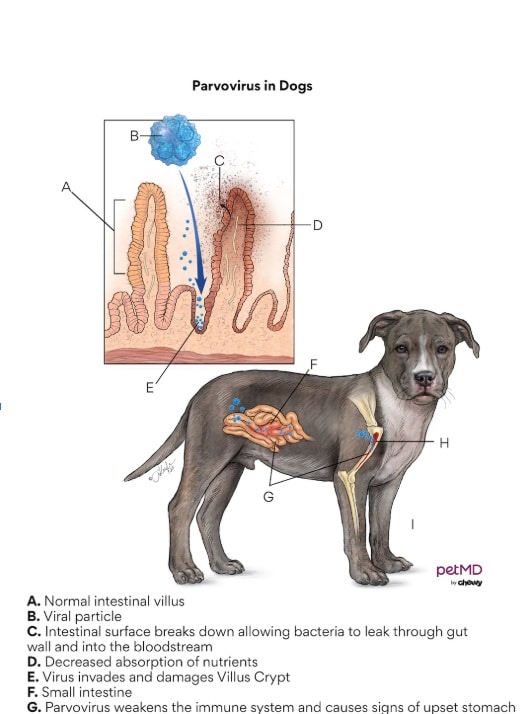
Canine parvovirus is a very strong and resilient virus that is strong and attacks the cells in the body. It is often called a DNA virus, and it replicates quickly in number. The virus attacks the cells present in the crucial areas of the body, making it highly dangerous and deadly. The overall immunity of the dog takes a toll, making them vulnerable to other types of diseases.
How dogs become infected with Canine Parvovirus
Dogs become infected with the feces that have the parvovirus. A small amount of the virus can also infect the dogs. If other dogs have the parvovirus, it can infect the healthy dog. If the dogs sniff or lick the contaminated feces, they will become infected. High chances of getting infected in the parks, roadways, and other dirty outside areas. Collars or bedding for the dogs can also be responsible for the canine parvovirus. If any shoes or clothes have carried the virus inside the house, and dogs have licked or sniffed them can cause the parvovirus.
Which dogs are most vulnerable to the canine Parvovirus?
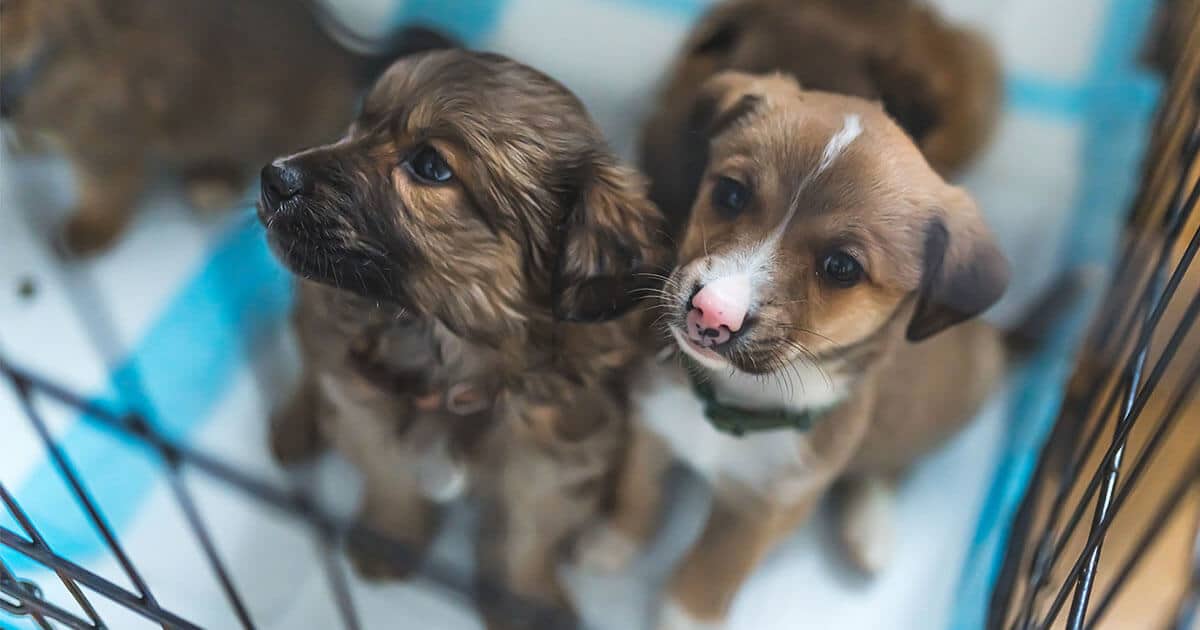
Almost all dogs are at risk of getting the parvovirus, but puppies who are between the ages of 6 weeks and 6 months are at high risk.
The dogs that are not vaccinated for the virus or those that have missed the booster dose.
The dogs that are stay or rescue dogs.
Those who have strong or heavy parasites in there intestines.
There are certain breads that are more prone to canine parvovirus, like the rottweilers or dobermans, and more.
What are the symptoms and signs of canine parvovirus in dogs?
Early symptoms
Most common symptoms
Serious symptoms
Low appetite
Frequent vomiting
Not able to stand and intense weakness
Lethargy and tiredness
Stomach upset and diarrhea
Gums become pale yellow or white
Fever
Blood in stool
Reduced the body temperature
Low mood
Dehydration and abdominal discomfort
Shock or sepsis
How dos veterinary doctor diagnose the canine parvovirus?
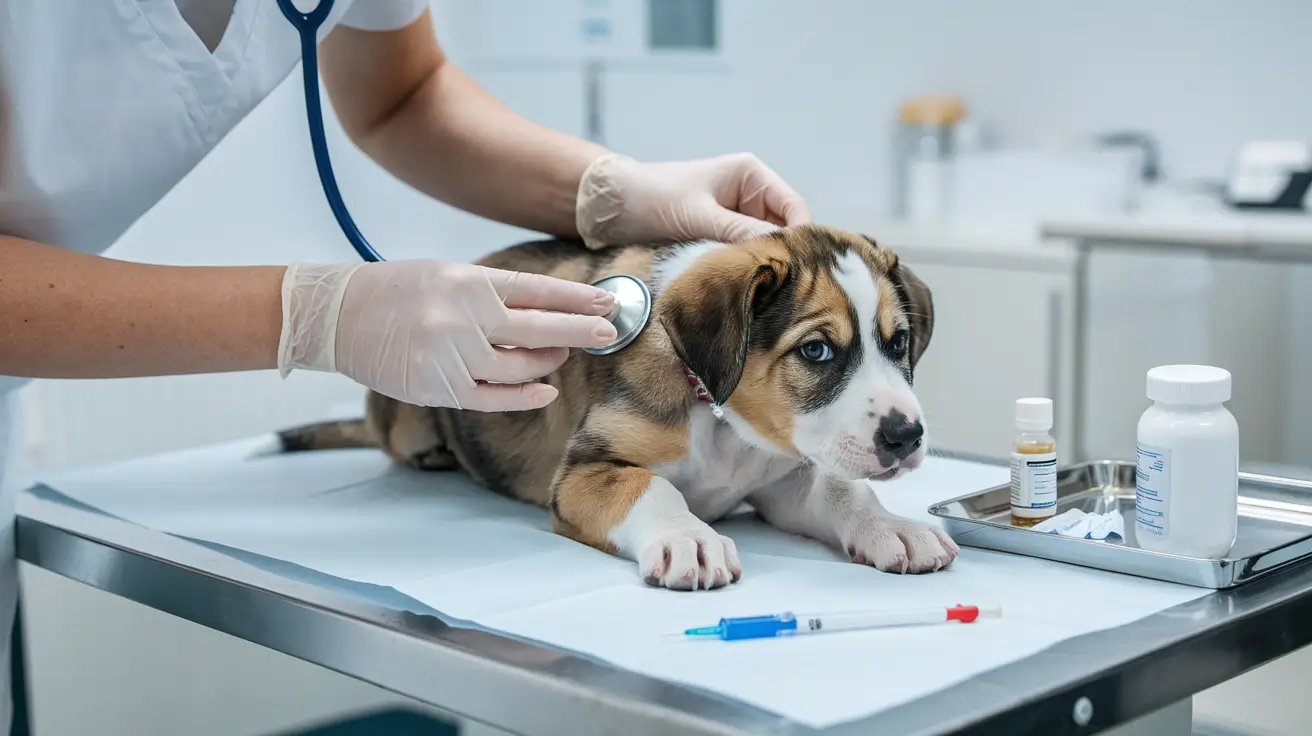
Veterinary doctors conduct different tests and procedures on dogs to diagnose the canine parvovirus
They conduct the fecal antigen test that provides quick results
Dogs undergo a complete blood count test to check their bodily functions.
The sodium, potassium, and glucose levels of the dogs are checked.
Doctors also physically examine the dog for any type of issues.
What is the medical treatment for the canine Parvovirus in dogs?
No medicine can cure the canine parvovirus directly. It cannot be eliminated with medicine and must be given another type of support to the body to fight the virus on its own. The body provides its own immune response and fights the virus over time.
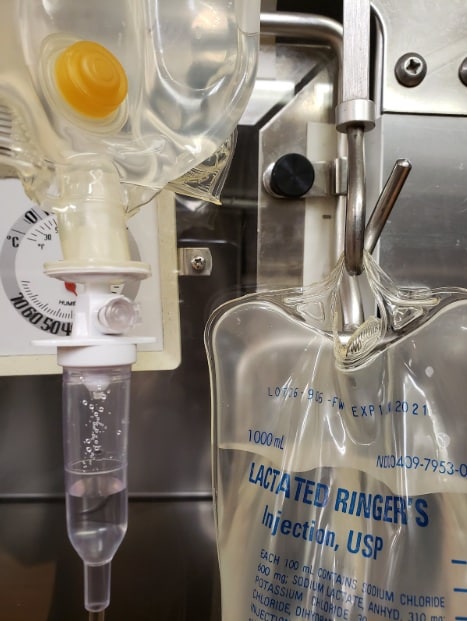
Intravenous Fluid Therapy
Medications
Close Monitoring
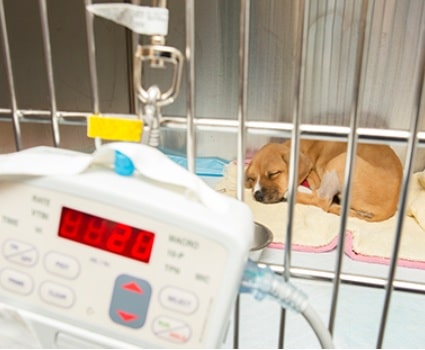
Hospital Admission
Proper dehydration for the puppies
Anti-nausea injections to control vomiting
Blood sugar levels
hospitalization
Make sure to maintain the blood pressure
Antibiotics to prevent secondary infections
Electrolyte balance
Small puppies need 3-7 days hospitalization
Important to prevent organ failure
Pain relief medication for the dogs
White blood cell counts
Properly isolate the puppy to make sure the virus does not spread in the clinic.
What are the Chances of Survival in canine parvovirus, and the outlook?
The outcome relies in large part on how fast treatment starts.
With Immediate Veterinary Treatment and early diagnosis of the viral infection
Survival chances for the dogs rose from 80 to 90%.
Without Proper Medical Care
The risk of life increases 10-fold.
Key elements that affect prognosis:
Speed of scientific intervention
Severity of dehydration and infection
Age of the dog
Delaying treatment even for an afternoon can appreciably reduce survival chances.
Is it beneficial to provide home care for canine Parvovirus?
It is recommended to always take your pet to a veterinary center and keep it under the observation of the vets. Home does not have proper monitoring and care for the dogs. You need to have proper monitoring to effectively manage the viral infection. Dogs must be under the surveillance of professionals to see better results and early recovery.
How does the recovery and post-treatment care look for the dogs?
A proper recovery and care are needed for the dogs who have survived the canine parvovirus. Make sure to properly check their food habits and make the necessary changes. The diet should be easy on the digestive system and shouldn’t cause any bloating. Proper monitoring and weigh checkups are necessary for the dogs. Do not let your pet meet other dogs for 2-3 weeks until the virus is completely out of the system.
How can you protect your dog from Canine Parvovirus?
Recommended Vaccination Schedule
First vaccine at 6–8 weeks of age
Booster photographs every three 4 weeks
Continue boosters till at least sixteen weeks old
Booster at 1 year
Regular boosters as advised by your veterinarian
Additional Safety Measures
Avoid public dog regions till vaccination is complete
Clean infected regions with a bleach solution (1:30 dilution)
Isolate ill puppies right away
Wash arms very well after coping with distinct dogs
Limit exposure to unknown puppies
Knowing the difference between the canine parvovirus and other digestive issues
Canine parvovirus often includes a low blood count of the white blood cells and bloody or smelly diarrhea. It often ha very high weakness for the do. It often requires an intensive care for the dogs.
Their digestive issues are not that severe and get away in some time. It is mild and does not have blood in the stool. The dog is not very weak and can be easily treated at home.
When you pet needs an emergency care?
If you see the following symptoms, you must take your pet to the veterinarian
If the pet is weak and has blood in its urine.
The pet is vomiting again and again after some time
Does not eat and reduce appetite
Does not eat or drink and has a very low appetite
Appears very weak
Not vaccinated on time and is very ill.
Blockqoute
Canine parvovirus (parvovirus) is a fast-spreading and life-threatening disease in dogs, but early treatment and proper vaccination can save lives.
Final thoughts
Canine parvovirus is one of the most dangerous infections for digestive systems in dogs. The infection must be managed with proper care and immediate medical intervention. Always get your pet checked by the doctor and keep them under observation and treatment to get a full recovery.
AV Veterinary Center provides the best medical facilities for pets in California. The clinic provides the highest quality treatment under the guidance of the experienced veterinary doctor. Feel free to contact or visit the center with your pet for the check-up and diagnosis of the diseases and to keep your pet healthy throughout.
Contact details
Name – AV Veterinary Center
Address – 1055 W. Columbia Way #103, Lancaster, CA 93534