Hip Dysplasia in Dogs
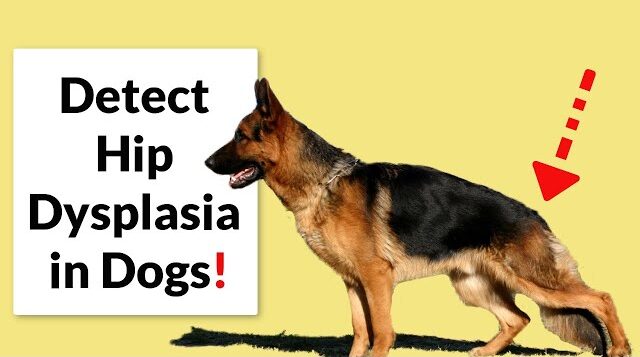
Hip Dysplasia Treatment for Dogs
AV Veterinary Center in Lancaster/Palmdale understands how challenging it can be to see your dog suffering from pain and lack of movement. Treatment for hip dysplasia in dogs entails forming a diagnosis early on in the disease and finding an individual treatment plan for each dog through a combination of medications and lifestyle changes that will help increase the comfort and quality of living for your pet.
Hip dysplasia is a critical condition affecting the hip joint and affects larger-breed dogs more frequently than others. Untreated hip dysplasia can significantly impede mobility and result in chronic pain. At AV Veterinary Center, our skilled veterinarians are dedicated to utilizing advanced diagnostic tools and providing individualized treatment plans to help your dog enjoy life to the fullest.
Common Causes of Hip Dysplasia
Genetics is the primary cause of hip dysplasia, with dogs having a known genetic line affected by this condition being more likely to be diagnosed. However, there are also many external and lifestyle factors that can have an impact on this disease. The most common factors include:
- Obesity
- Improper nutrition during growth periods
- Inadequate or excessive exercise
- Rapid weight gain during puppyhood
Dogs that are overweight are putting more weight and pressure on their hips, which will lead to more discomfort and damage in the joint. At AV Veterinary Center, we understand that in order to provide the most comprehensive treatment options to our patients, it is crucial to analyze all the factors contributing to the development and progression of hip dysplasia.
Signs and Symptoms to Watch For
Hip dysplasia can present in different forms depending on the age of the dog that was diagnosed, the number of years of continued symptoms, and the severity of the condition. The following are some of the most common signs and symptoms associated with this disease:
- Loss of the ability to stand alone or lie down
- Lack of desire to run, jump, or climb stairs
- Reduced activity levels
- Stiffness after rest
- Pain and sensitivity in the area of the hips
- Decrease in the muscles in the hind legs
- Hopping or swaying gait
To diagnose hip dysplasia, the veterinarian will perform a routine physical examination to determine if the dog has loose hips or pain in the hip area. Next, the veterinarian will take radiographs (X-rays) to determine how severe the condition is.
What Hip Dysplasia in Dogs Means
Hip dysplasia is a medical condition where the hip joints of the dog do not form or function properly; rather than joining or fitting snugly together, the ball-and-socket connection becomes loose, resulting in grinding and rubbing, and eventual deterioration, inflammation, and pain as the dog ages.
Some of the larger breed dogs that are more prone to developing hip dysplasia include Labrador Retrievers, German Shepherds, Great Danes, and all smaller breeds of dogs. Hip dysplasia often presents itself in puppies, but it will usually continue to progress with age.
Hip Dysplasia Treatment Options
A dog’s size, age, health, and extent of hip dysplasia will determine the best treatment option for your dog.
How You Can Support Your Dog for Long-Term
Intervening early will allow your dog to enjoy a better quality of life. Maintaining a healthy weight, providing balanced nutrition, and using a joint-support supplement all help to slow down the progression of hip dysplasia and reduce the amount of pain felt by the dog. Regular veterinary appointments enable the doctor to monitor the condition and modify the treatment plan as necessary.
Non-Surgical Treatments
If your dog cannot undergo surgery, there are several options for treating hip dysplasia conservatively:
- Management of weight.
- Anti-inflammatory medication.
- Pain management.
- Joint supplements (such as glucosamine).
- Controlled exercise and therapy as prescribed by a professional.
Surgical Treatments
If surgery is considered appropriate, it can provide longer-term treatment of hip dysplasia. Some of the surgical options:
- Double or Triple Pelvic Osteotomy (DPO/TPO): Performed on dogs younger than ten months of age.
- Femoral Head Ostectomy (FHO): The Femoral head is removed to relieve pain for mature dogs.
- Total Hip Replacement (THR): A hip joint will be replaced with a metal or plastic implant.
Our veterinarians at AV Veterinary Center in Lancaster/Palmdale will walk you through this process and help you select the safest and most effective treatment option for your dog.
FAQs
It's a condition that can’t always be cured but can be managed to alleviate pain as well as mobility problems.
However, yes, if it is not treated, it can cause a lot of discomfort.
No, because many dogs can be successfully managed with a non-surgical approach.
As soon as you notice stiffness, pain, or difficulty moving.
Yes, hip dysplasia can affect puppies, particularly large breeds, even if the symptoms occur when they grow older.