Orthopedic surgeries in pets
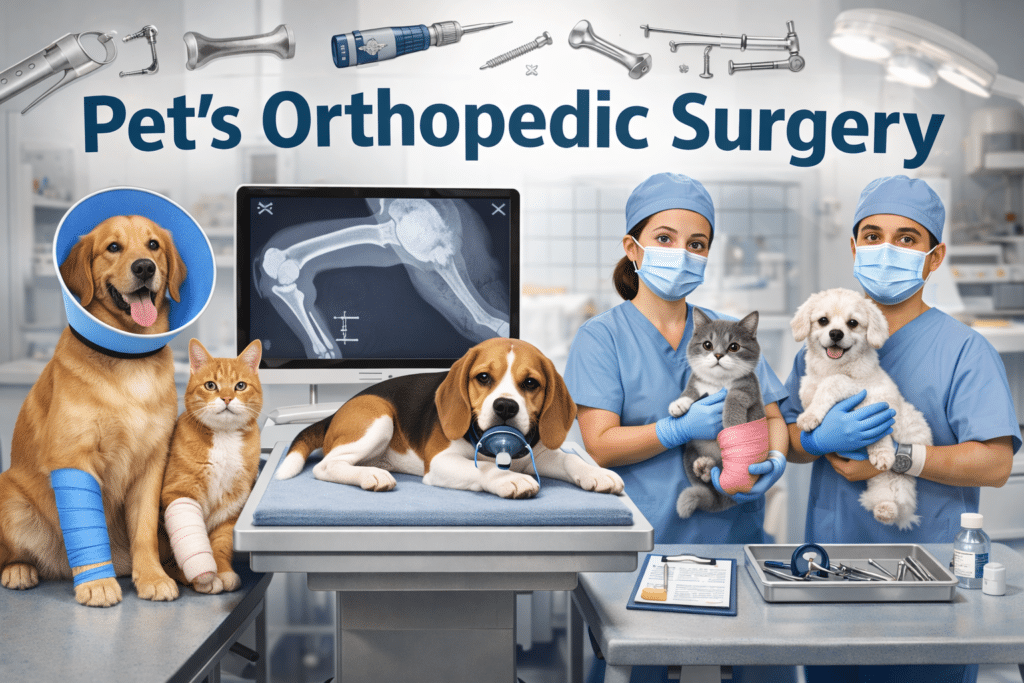
Your Pet’s Orthopedic Surgery At AV Veterinary Center
Pets with orthopedic problems include fractures, anterior cruciate ligament (ACL) tears, hip dysplasia, and patellar luxation—common orthopedic problems in cats and dogs that impede their quality of life and mobility. The AV Veterinary Center in Lancaster/Palmdale has a highly skilled team of surgeons dedicated to diagnosing these issues as early as possible so they can recommend the best approach to treat and restore pets to pain-free functionality.
If untreated, most orthopedic conditions will cause long-term suffering to animals due to chronic pain, arthritis, and decreased mobility. Due to advances in veterinary orthopedic surgery and supportive care, positive outcomes have greatly increased with the utilization of modern surgical methods.
Types of Orthopedic Procedures Offered
At AV Veterinary Center in Lancaster/Palmdale, we always take into consideration the individual patient when performing any of our orthopedic procedures. Some of the most common orthopedic surgeries performed on pets include:
Fracture Repairs
Fracture repairs stabilize broken bones by using rods, plates, or external fixation to stabilize and align the fractures to heal properly.
Ligament Repairs and TPLO/TTA
As ACL injuries are a frequent occurrence in both canines and felines, the TPLO and TTA surgeries have become common procedures to modify the biomechanics of the knee joint and restore knee stability.
Joint Realignment and Patellar Luxation Correction
To correct patellar luxation, the kneecap is realigned, and the groove is deepened (trochleoplasty), which helps prevent further dislocating episodes.
Hip Dysplasia Management
For dogs with hip dysplasia, bone removal (FHO) or possibly total hip replacement might help to relieve pain and improve mobility.
The Surgical Experience at AV Veterinary Center
At AV Veterinary Center in Lancaster/Palmdale, our priority is to keep your pet as comfortable and safe as possible before their orthopedic surgery. To thoroughly assess your pet’s orthopedic issue, we take a comprehensive diagnostic approach using digital X-rays and other advanced imaging techniques.
Our veterinary team administers general anesthesia, and the safety and effectiveness of the anesthetic agents are monitored continuously by trained veterinary professionals throughout the entire surgical procedure.
We partner with you to create an individualized care plan for your pet based on the techniques we will be using during surgery, methods of pain control, and recovery goals. Our regimented approach to pre-, intra-, and post-surgery care ensures that your pet will continue to receive both physical and emotional support throughout the entire surgical process.
Recovery and Rehabilitation After Surgery
Successful recovery from orthopedic surgery is contingent upon effectively managing your pet’s post-operative care. Most orthopedic procedures involve limiting a pet’s level of activity for several weeks to allow for the proper healing of the bone and soft tissue. After orthopedic surgery, your pet will likely need to be confined to an area with limited distractions. Your pet will also need to be monitored by a veterinarian after the surgery for progress and to limit jumping and running until healing is complete. Controlled activity, combined with physically rehabilitating the pet’s muscles over time, will lead to regaining strength in the muscles and joints as it continues the recovery process.
Pain management comprises medications prescribed by your veterinarian and therapy to aid in your pet’s comfort during recovery; it is also vital to monitor your pet closely for swelling or discharge from the surgical site, as well as any signs of infection.
Risks and What to Watch For
As with all surgeries, orthopedic surgery has its risks associated with the procedure and during recovery. Possible complications include: infection, problems with implants (loosening or failure), delayed healing of the bone, and/or joint stiffness. With early detection of a complication, there is a much greater likelihood of being able to intervene appropriately. Therefore, pet owners need to communicate with the AV Veterinary Center staff frequently if there are any unusual signs or symptoms (such as lethargy, lack of appetite, or changes in how the animal can move).
FAQs
Recovery usually takes between six and twelve weeks, depending on the extent of the surgery, with limiting activity and having follow-up visits to monitor healing essential during this time.
Yes, once cleared by the surgeon, many pets will benefit from rehabilitation exercises with controlled activity after orthopedic surgery to build up muscle and improve flexibility in their joints.
Signs may be any of the following: limping, struggling to stand, being less active, joint swelling, or hurting when touched. Only a veterinary assessment at AV Veterinary Center in Lancaster/Palmdale can tell if surgery is the way to go.
The majority of pets regain normal or even better mobility. Yet, a few could still have structural changes in the joints, such as early-stage arthritis, so it is beneficial to keep track of their condition over time.