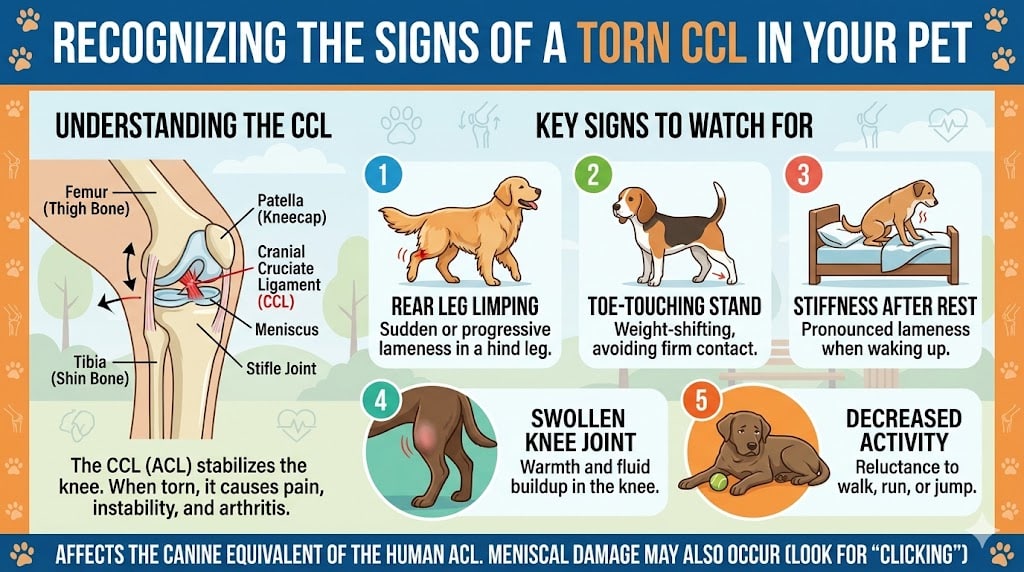
Seeing your pup running around outside is always a nice sight. When they come to a stop and limp, however, it can change from being a wonderful day to a very stressful one in no time at all. You might even be left wondering if your pup just stepped wrong or if they are actually showing the signs of having torn their CCL (cranial cruciate ligament). It is easy to think that they just bumped their leg and will be fine if you let them rest, but usually, your intuition is correct when dealing with the hind limbs of your dog. It is difficult to see a beloved dog that cannot communicate what it is that occurred, showing discomfort while unable to give you a definitive answer. Slow down and observe the movement of your dog’s back legs; this will give you the information that you require to make an informed decision about your dog’s health and happiness.
Is It Just a Sprain? Recognizing the Signs of a Torn CCL in Your Pet
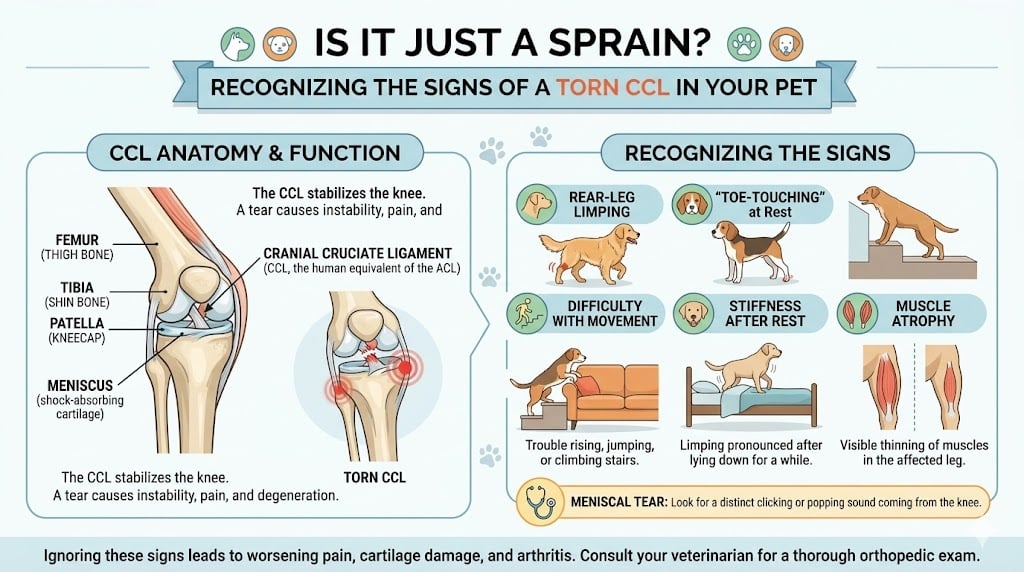
Your dog was having an amazing time at the park chasing a ball and suddenly he returned with a noticeable limp. You may think your dog has a small sprain that will heal itself in a short period of time; however, if he continues to have a limp in his back legs, he may have a torn cranial cruciate ligament (CCL).
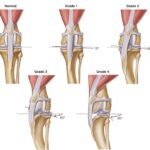
The CCL is equivalent to a human’s ACL and is very important because it keeps the knee joint stable; when this ligament tears the dog will experience instability, pain and will develop arthritis; as well as potentially damaging the meniscus (cartilage that acts as a shock absorber) in the knee. By recognizing the signs of injury, you can help your dog receive the medical attention he needs.
Primary Signs of a CCL Tear
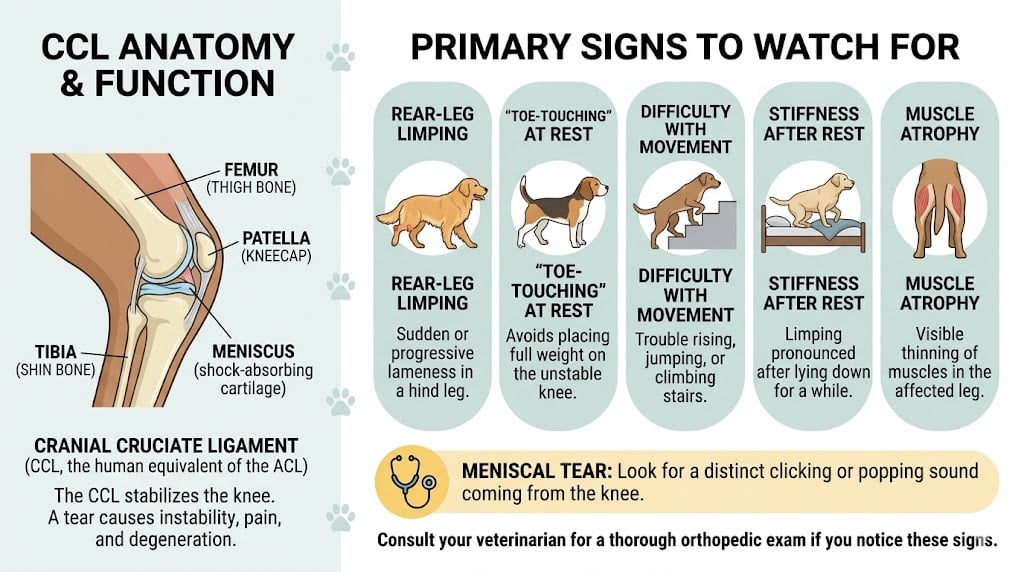
A CCL rupture can happen due to a traumatic injury or due to over time as the tissue degenerates. Below is a list of some signs and symptoms to be aware of:
- Limping on the back leg: This is probably the first sign (and most obvious) that you will see, and it can range from mild and infrequent to carrying it off the ground completely.
- “Toe-tapping” while standing: When standing in one spot, your dog may just put the very tip of their foot on the ground (instead of planting the foot flat). This is a common posture to avoid putting weight on the unstable knee.
- Trouble moving: You may see your dog avoid activities that used to be easy for him/her to do. Examples of these types of activities include going from lying down to sitting up, not wanting to jump into the car or onto furniture, and having trouble going up stairs.
- Tightness After Resting: Tightness, along with stiffness, is typically at its worst after your dog has been at rest for extended periods of time. Tightness will frequently be relieved, or at least reduced slightly by the initial movement of your dog.
- Muscles Will Atrophy: The injured muscle will begin to lose weight and volume due to a lack of use. Over time, you may see that one thigh is noticeably smaller than the other.
The Telltale “Click”: Signs of a Meniscal Tear
Menisci provide cushioning between the femur (thigh) and the tibia (shin) bones; therefore, when a CCL (cranial cruciate ligament) tears, the instability of both femur and tibia will result in crushing or tearing of the meniscus due to movement. A torn meniscus will result in a greater degree of pain than just the CCL alone.
The most obvious sign(s) of a torn meniscus are the sounds made when your dog walks or bends his/her knee, including a distinct sound of popping or clicking from the joint. This noise occurs because the torn cartilage in the meniscus has become lodged in the knee joint. The dog will usually exhibit a more severe and constant limp than normal because he/she is experiencing a sharp level of acute pain from the meniscus being torn. Thus, if you hear any of these noises from your dog’s knee, it is highly probable that the internal structure of the knee is compromised and requires immediate attention from a veterinarian.
Why Early Detection Matters
Although it can be tempting to give your dog a few days to see if they have improved, they are still causing the same mechanical “bone-on-bone” shearing motion every time they take a step because of the ruptured CCL, which will create a continuing cycle of inflammation leading to chronic joint damage.
Additionally, dogs often overcompensate for not using their damaged leg. By placing all of their weight on the “good” leg, they put an extreme amount of pressure on that leg’s CCL, thus increasing the likelihood that the owner will eventually have to have the other CCL repaired because of these increased forces. Treating the initial tear of the CCL, it can assist in protecting the remaining healthy joints.
What to Do If You See These Signs
If you observe these symptoms, contact your veterinarian immediately so they can perform an evaluation for potential orthopedic issues. The veterinarian will conduct a physical evaluation of the leg and will perform a specific maneuver, known as the “cranial drawer test,” to check for instability in the knee joint. In addition to the physical exam, X-rays will be taken in order to determine the extent of any changes to the joint and rule out other conditions such as fractures or bone tumors.
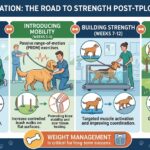
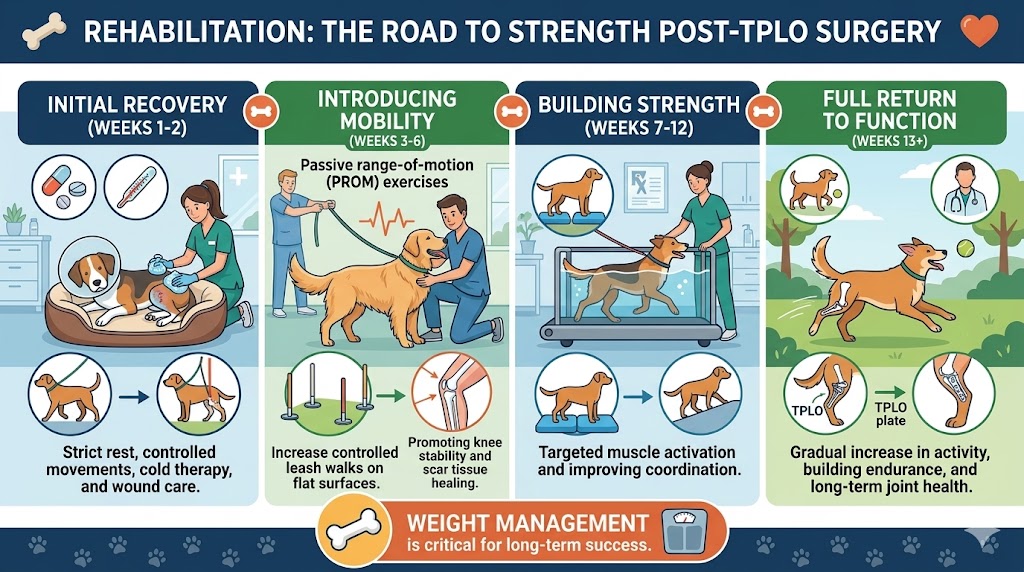
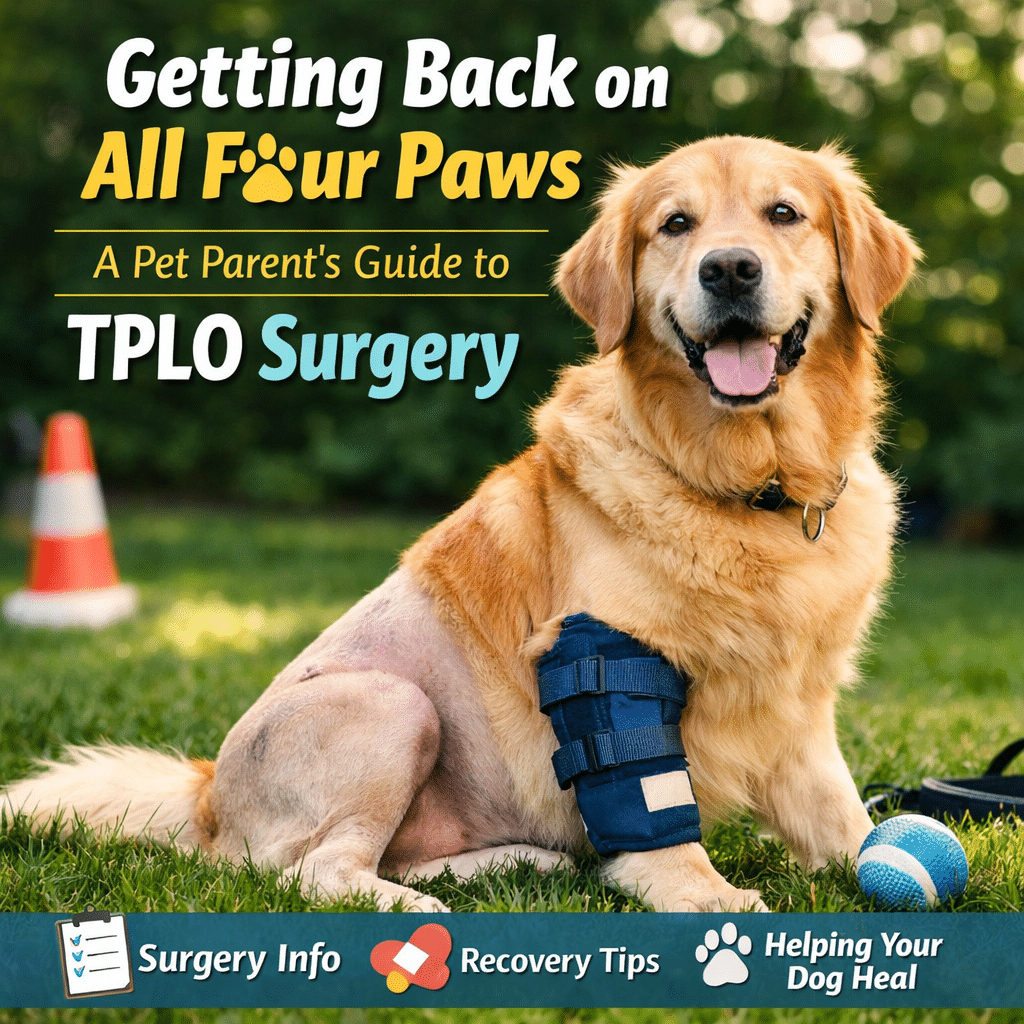
Failure to address and respond to these signs will result in increased pain, permanent damage to the cartilage, and significant arthritis. The key to your pet’s recovery is early diagnosis and treatment. A variety of options exist, including a surgical procedure that will correct any instability within the afflicted limb or an extensive course of rehabilitation. By being well informed, you will make the best decision for your loved one.
Conclusion
Every day our pets put forth a tremendous amount of effort to be with us, and we owe it to them to provide an experienced team when they are battling chronic conditions, such as orthopedic issues. The AV Veterinary Center is here to assist you when you observe your pet exhibiting a “toe touching” stance, or if you are concerned about a back leg injury; don’t wait until it has progressed into a chronic condition. Contact the AV Veterinary Center for a proper diagnosis and a plan of action in order to help your pet regain their mobility and allow them to enjoy running free in the park again!
FAQs
Is it possible my dog just has a sore muscle or a “bruise”?
What we all really want is that! Dogs get sprained or bruised (maybe) the same way we do, but you cannot be sure to ‘wait and see’ about a rear leg limping for safety’s sake. If your dog is limping longer than 24 hours or it won’t put weight on that leg at all, it could be more serious than just a sore muscle; it might be a torn CCL, which can lead to both partial & full ruptures without early treatment.
Why does my dog seem fine sometimes and then start limping again?
What we all really want is that! Dogs get sprained or bruised (maybe) the same way we do, but you cannot be sure to ‘wait and see’ about a rear leg limping for safety’s sake. If your dog is limping longer than 24 hours or it won’t put weight on that leg at all, it could be more serious than just a sore muscle; it might be a torn CCL, which can lead to both partial & full ruptures without early treatment.
Will my dog need surgery if it’s a CCL tear?
There is no need to perform surgery on all dogs; most medium-to-large breeds and particularly active breeds of dogs will have the fastest recovery and regain their strength if you use surgery as the means to stabilize their bodies. Those who own small breeds or have some specific health issues with their dog may consult with their veterinarian to discuss “conservative management” that includes limited activity, physical therapy, and weight control. Each situation is different and always includes trying to provide the best possible quality of life to the dog.
Can a CCL tear be managed with just pain medication?
Using pain medication to make your dog feel better is an effective way to relieve your dog of its pain; however, the pain medication is not going to correct the true problem that is causing your dog the pain it is experiencing. Consider the example of a door with a broken hinge. Also, applying grease to a broken hinge (which would be similar to administering medication) would assist in eliminating the squeaks that come from the broken hinge; however, the door would still be hanging at an angle because the door does not have the proper support needed to hold it in place due to the broken hinge. Pain medication, for the most part, is used in conjunction with another form of treatment in order to correct the underlying issue causing your dog pain.