Soft Tissue Surgery
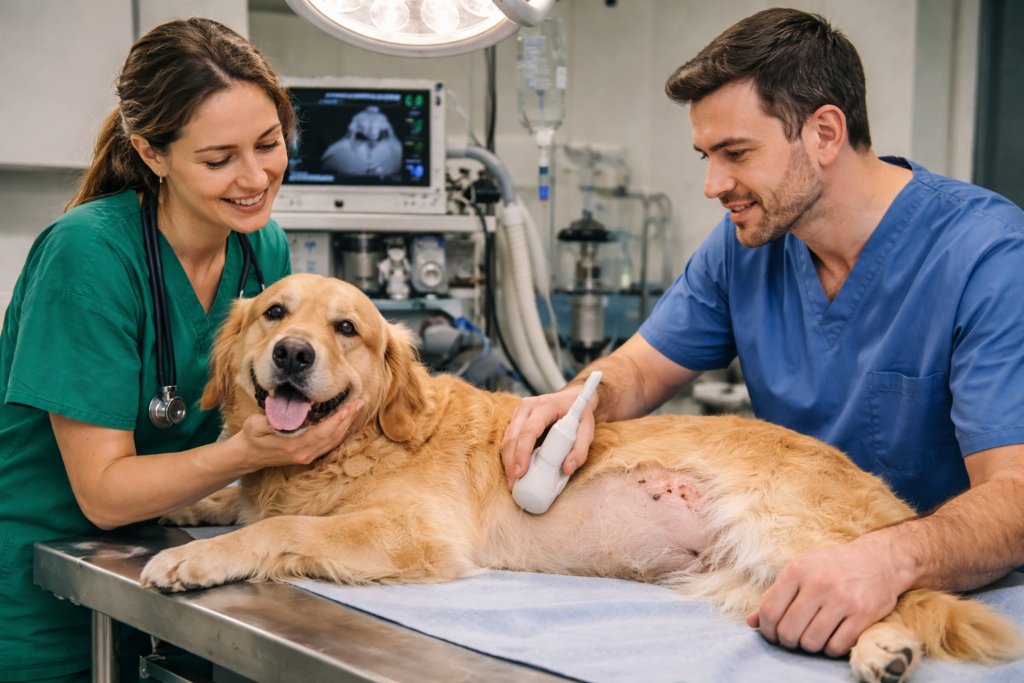
Surgery to Treat Pets’ Soft Tissue Problems
Soft tissue surgery is a term used to describe a large variety of surgical treatments for non-bony tissues on pets’ bodies that include skin, muscles, and internal body organs. Many soft tissue surgical treatments help diagnose, treat, or manage medical problems that have not responded adequately to medication. At our Lancaster/Palmdale facilities, soft tissue surgical procedures are carried out with thorough pre-operative evaluation, high levels of anesthesia monitoring, and careful attention to the individual patient’s needs during recovery in order to achieve maximum safety for the surgical outcome.
Typical Soft Tissue Surgeries for the Abdomen of Pets
Abdominal soft tissue surgeries are among the most frequently performed soft tissue surgeries within the overall surgical scope of veterinary medicine. Abdominal soft tissue surgeries address reproductive, gastrointestinal, urinary, and organ system problems. Some of the more common abdominal soft tissue surgeries include:
- Spaying (Ovariohysterectomy) is the surgical removal of the ovaries and uterus from a female pet.
- Neutering (Castration) is the surgical removal of the testicles from a male pet.
- Gastropexy (Canine Bloat) is a preventative operation to decrease the risks associated with gastric dilation and volvulus.
- Cystotomy is the opening of the bladder so that there is access to remove urinary stones or masses from the bladder.
- An Exploratory Laparotomy is a surgical operation on the abdominal cavity to diagnose or treat any underlying medical conditions in your pet’s abdomen.
- Hernia Repair is the surgical correction of a hernia occurring in the abdominal or diaphragmatic area.
- Splenectomy is the surgical removal of the spleen resulting from injury or disease.
- Intestinal Resection and Anastomosis involves the surgical removal of the portion of the intestine that has become diseased and the surgical connection two ends of the intestine together.
- Cholecystectomy is the surgical removal of the gallbladder if it is medically indicated.
Skin and Subcutaneous Surgery
Soft tissue surgery can be defined as surgical procedures that involve soft tissues, such as skin and the tissues that lie below it. Surgical soft tissue procedures will be performed for various reasons, including injury, infection, or abnormal tissue development. Some common examples of soft tissue surgeries are as follows:
- Removal of a mass or tumour
- Wound repair of laceration, bite, and puncture-type injuries
- Incision and drainage of an abscess
- Skin flap/graft for large or complex wounds
Thoracic Surgery
Thoracic soft tissue surgery involves surgical procedures on the thoracic cavity (chest cavity) and other organs near the thoracic cavity. These types of soft tissue surgeries usually require more sophisticated monitoring and post-operative care for the patient. Some procedures that are performed in this area include:
- Thoracotomy (opening the chest surgically)
- Pericardiectomy (removal of the protective sac around the heart)
- Lung Lobectomy (removal of a lobe of the lung that is damaged)
- Diaphragmatic Hernia Repair (repair of hernias on the diaphragm)
Oral/ENT/Maxillofacial Surgery
Soft tissue surgery procedures are performed to resolve conditions that affect the oral cavity, jaw bones, nose, ears, and throat, which can cause issues with comfort, breathing, and the overall health of the patient. The following are some of the types of procedures performed by a surgeon in this area:
- Extraction of teeth
- Tumour removal from the oral cavity or jaw
- Cleft palate repair
- Partial removal of the jaw (mandibulectomy/maxillectomy)
- Complete ablation of the ear canal (TECA)
- Brachycephalic airway surgery
- Correction of laryngeal paralysis
- Tumour removal from the nasal area
Urogenital and Ophthalmic Surgeries
These types of surgical procedures are performed to treat conditions affecting the urinary tract, reproductive tract, and/or the eyes. Below are some additional examples of the types of surgeries performed.
- Perineal urethrostomy in male cats
- Surgery for pyometra in an infected uterus
- Penile amputation from trauma or cancer
- Removal of eye (Enucleation)
- Removal of eyelid tumor,
- Correction of cherry eye,
- Surgery for entropion and ectropion
Additional Soft Tissue Surgeries
Other surgeries on soft tissues include:
- Removal of anal glands (Anal Sacculectomy)
- Lymph node removal
- Reconstructive surgery from trauma or tumor
Surgical Care and Recovery
At the AV Veterinary Center in Lancaster/Palmdale, all soft tissue surgery includes an extensive pre-surgical evaluation, anesthesia monitoring, and individualized post-operative instructions. A proper recovery plan is necessary to ensure your pet’s healing and to increase the chances of long-term success.
FAQs
Your pet is under anesthesia during their surgery and will receive pain medication following the procedure to provide comfort during recovery,
General recovery for most pets takes 10-14 days, but certain types of soft tissue surgery may require longer periods of recovery.
You should inspect your pet's incision site daily and restrict your pet's activity. If you see swelling, redness, or a behavior change, please call the AV Veterinary Center in Lancaster/Palmdale.
If medication is not sufficient to treat your pet’s critical condition, then surgery might be recommended after a checkup and diagnostic testing.