One of the most important responsibilities a pet owner has is determining when to schedule their female dog spay surgery or a cat spay surgery; however, there are also some very important responsibilities for the pet owner when getting their female dog spayed. The surgery, as done at AV Veterinary Center, will require anesthesia, which can cause you some anxiety. However, we will provide you with compassionate, professional support before, during and after your dog’s surgery at our clinic. Pet owners should have their dog spayed because it helps prevent unwanted breeding, therefore contributing to the health of their dog throughout her lifetime. Once you educate yourself about the benefits of spaying your dog and the healing process, you will be able to adopt either a playful puppy or a loving kitten with confidence. In this article, we will discuss how ovariohysterectomy is so commonplace in animal health practices, and how we will keep your female pet happy, healthy and safe after surgery.
What Exactly is Spay Surgery?
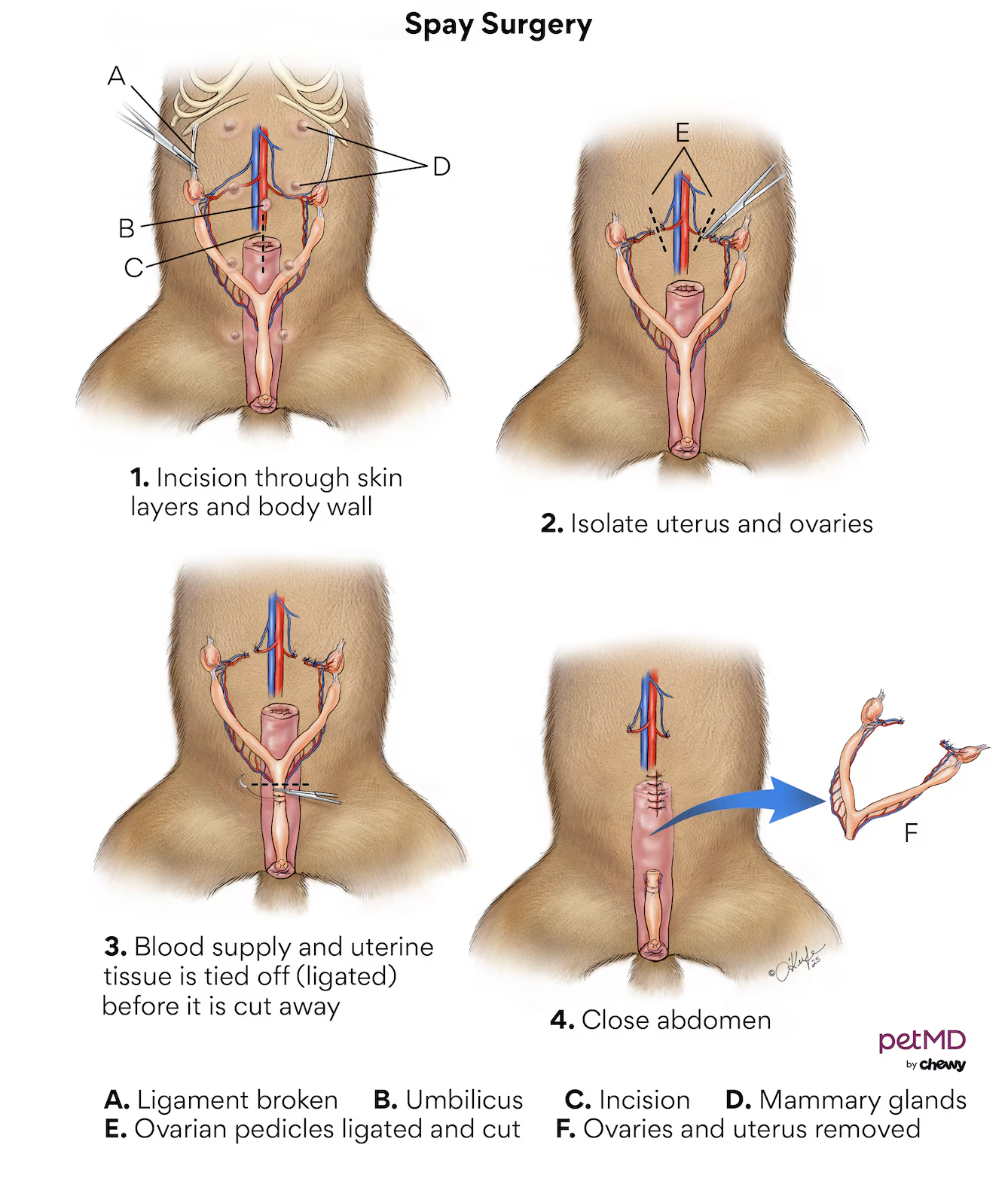
Ovariohysterectomy is the term used to define a surgical procedure that is done in veterinary medicine and involves the entire surgical removal of both the ovaries and the utero. The AV Veterinary Center performs this procedure for a number of reasons, including:
- To permanently prevent the ability to conceive
- To eliminate any heat cycles and all of the messiness or restlessness associated with them
- To remove the possibility of developing uterine or ovarian cancer.
Why It’s a Game-Changer for Health
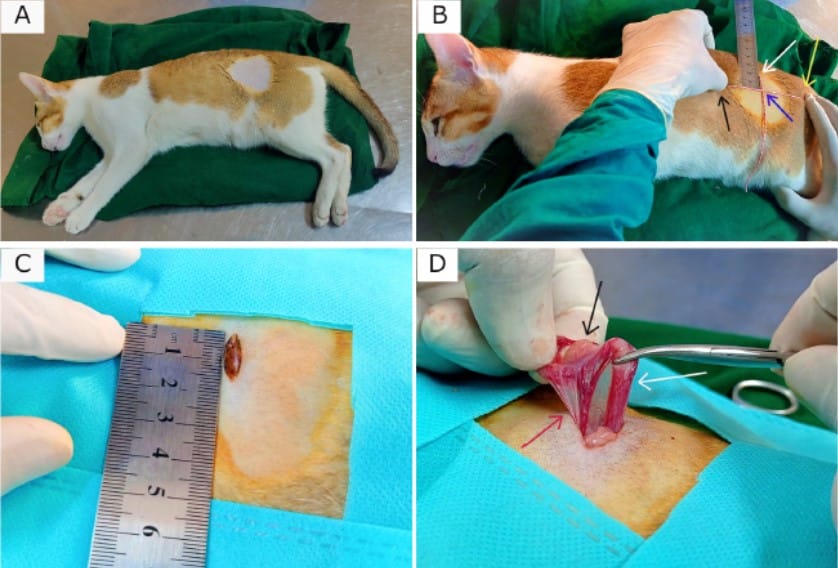
When it comes to spaying surgery for dogs and cats, population control is not the only benefit. There are also a number of health benefits associated with spaying:
- Cancer Prevention: If your pet is spayed prior to her first heat cycle, she will have a significantly lower risk of developing mammary (breast) cancer.
- Preventing Pyometra: An unspayed older pet may develop pyometra, a potentially life-threatening uterine infection. Spaying will eliminate the risk of developing this serious infection.
- Behavioral Benefits: Spaying reduces your pet’s desire to roam in search of a mate and eliminates “false pregnancies.”
Timing: When Should You Schedule?
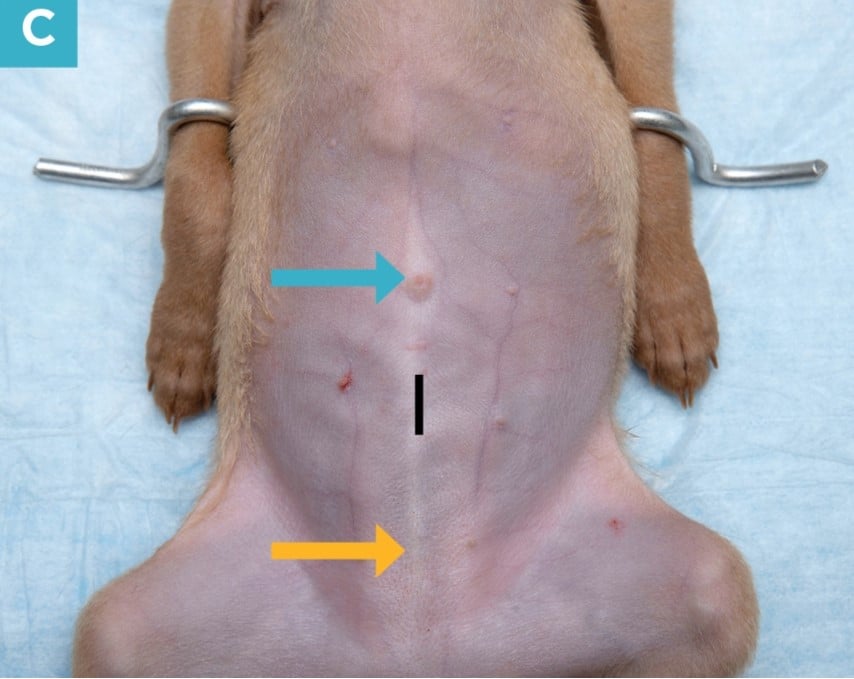
The “perfect” time is highly individualized to meet your pet’s specific needs.
- Cats are typically spayed/neutered between 4 to 6 months of age.
- Small dogs are recommended to have spay/neuter surgery too, between 5 to 6 months of age.
- Large/giant breed dogs will benefit best from having spay/neuter surgery performed between 9 to 18 months of age so they can reach success in bone development.
AV Veterinary Center’s staff is here to assist you in finding the “perfect” time based on your pet’s breed, size, and activity level.
The Procedure: Safety First
Will it be safe? Yes. Even though there are risks associated with surgery, spaying has become a very routine procedure in today’s modern veterinary medicine. We place an emphasis on the safety of your pet throughout our surgery process:
- Pre-surgical blood work (to ensure that functioning internal organs are healthy enough for an anesthetic)
- State-of-the-art monitoring (heart rate, pulse oximetry & blood pressure)
- Multiple methods for managing pain (using a combination of different methods to keep your pet comfortable during/after the surgery).
Routine Spay vs. Emergency Pyometra
There is an element of risk when putting off an event. A spay will be a scheduled procedure that is performed at a low risk and will help prevent future problems. Unfortunately, a Pyometra is a surgical emergency for an infected uterus and will be a much more complicated surgery with higher risks and much higher costs. Always seek out routine care as a means to prevent illness.
Post-Op Care: Cat Spay Surgery Recovery & Dog Healing
When it comes to healing your dog after spaying or your cat after spaying, you can expect to have between 10 and 14 days of recovery. Below you’ll find some tips for taking care of your pet’s recovery and using the “cone of shame” while they heal.
- Rest is the Best: No running, jumping or roughhousing.
- The Cone: Keep the Elizabethan collar on to prevent your pet from licking or chewing their stitches.
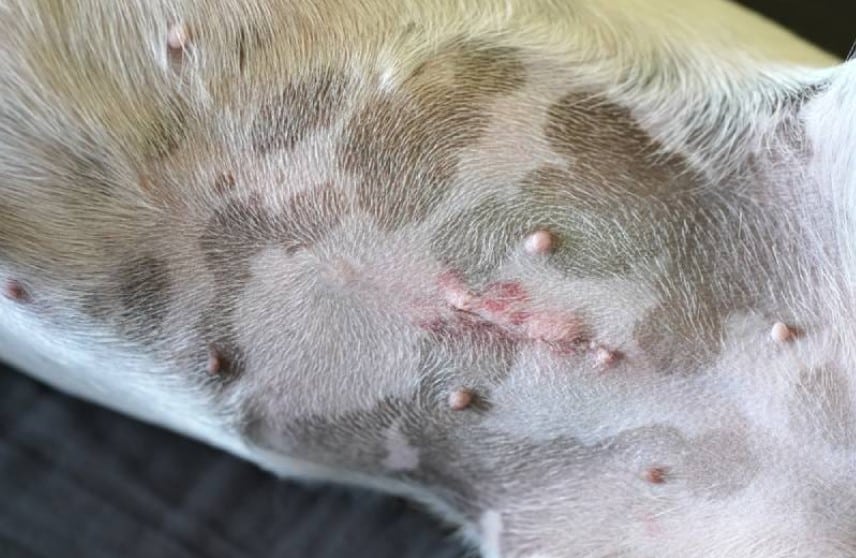
- Monitor the Site: Check your pet’s incision daily for any redness and/or discharge.
- Medications: Finish all prescribed pain relief medications by our veterinarian.
Pro-Tip: Most pets will begin acting like they feel better within 48 hours; however, please do not allow your pet to fool you. Internal healing will take them a full two weeks, so keep their walks short and peaceful.
Final Thoughts
Spaying your pet is a gift of long life. It reduces the chance of your pet developing a number of silent killers such as pyometra and breast cancer, and provides them with a calmer and more focused life. If you have any questions about the process or would like to schedule an appointment with us, the team members at AV Veterinary Center are here to assist!
FAQs
What are the main spaying dogs benefits I should know about?
The advantages of spaying an animal exceed simply preventing unwanted offspring. The long-term health benefits derived from spaying are extensive. You will eliminate the potential of acquiring uterine infections and ovarian tumours if you spay your female pet. Additionally, by finishing this procedure early, your chances of acquiring mammary tumours are significantly reduced. You will also have a calmer household, because your female pet will no longer go into heat or seek out other dogs while they are on heat.
Is the cat’s spay surgery recovery period difficult to manage?
No way! Pet parents often say their cats recovered quickly after surgery to spay them! After just 24 hours of being groggy from anesthesia, most kitties get back to normal in no time. The biggest hurdle you will have is preventing your cat from jumping on furniture for a full 10 days! During this time, we will give you detailed instructions and pain medications to help make your cat’s recovery from surgery smooth and comfortable!
What exactly happens during an ovariohysterectomy veterinary procedure?
Ovariohysterectomy, or OHE, is a clinical term for a traditional spay performed by veterinary surgeons. The procedure involves the sterilization of an animal’s ovaries and uterus through a small incision in the abdomen. This prevents the animal from going into heat or getting pregnant again.
Is spaying surgery for dogs and cats actually safe?
At AV Veterinary Center, we understand that surgery may be a frightening experience, but we want to reassure you that spaying surgery for both dogs and cats is an extremely frequent occurrence at our hospital and one of the safest procedures we do.