Tumor Removal Surgery For Pets – Tumor surgery is one of the important procedures in veterinary medicine. Whether benign or malignant, tumor removal surgery for dogs is usually the first and best line of attack when removing cancers. The sooner a cancerous tumor is diagnosed and surgically treated, the better the chance of survival, comfort, and improved quality of life for dogs being treated.
The purpose of this guide is to explain when a dog patient should undergo tumor removal surgery dog. Also, this guide helps explain how veterinarians determine what tumors will be removed. In addition, this guide explains types of surgeries performed on dog tumors, expectations for recovery after dog surgery, prognosis for dogs who were treated for tumors, and factors that may affect the average cost of dog surgery to remove a tumor.
Definition of Tumor
A tumor (neoplasm) is a group of abnormal cells that has formed a mass. Tumors can be classified as either:
- Benign tumor – a slow-growing, non-spreading, locally curable tumor with tumor removal surgery for dogs
- Malignant tumor (cancer) – a proven invasive tumor that has metastasized and that requires an aggressive dog tumor surgery to treat the cancer.
A tumor cannot be classified as benign or malignant based on its appearance alone.
Why Tumor Surgery for Dogs is Important
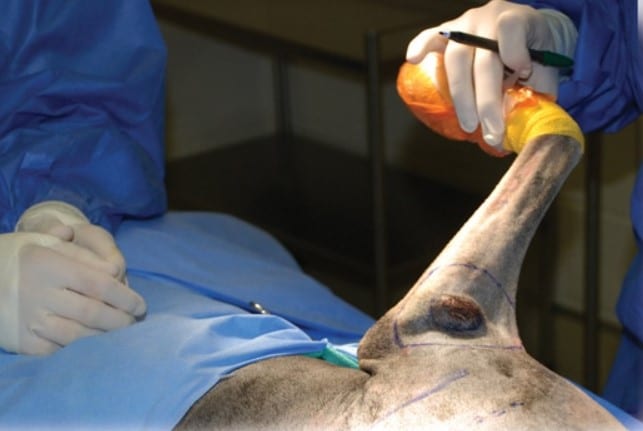
Tumor removal surgery dog patients receives
- Complete removal of benign tumors
- Removal of the source of cancer
- Support for reducing pain, bleeding, or infections
- Preventing cancer from invading nearby tissues
- Improving the effectiveness of chemotherapy/radiation treatments.
- Tissue to confirm diagnosis (biopsy) should be performed.
Most cancers diagnosed in dogs have a better prognosis when surgery is performed for removal at the earliest possible time.
List of Common Tumors in Dogs Treated by Surgical Removal
Tumors of the Skin & Subcutaneous
- Mast cell tumors; (mastocytoma)
- Lipomas (fatty tumors)
- Soft Tissue sarcoma
- Sebaceous adenomas
Internal Tumors
- Splenic tumors (most require spleen tumor removal surgery)
- Liver masses
- Intestinal tumors
- Bladder tumors
- Adrenal tumors
Mammary Tumors (mammary gland)
- Common in unspayed females
- Tumor removal surgery for dogs is the primary treatment.
- The sooner a tumor is removed, the better the survival of the dog.
Tumors of The Head and Oral Cavity
- Gingival tumors (tissue around the teeth)
- Jaw tumors
- Nasal tumors
Signs a Tumor May Need Surgical Removal
- Lump that is growing or changing in any way.
- Lump on the skin that has broken open, is bleeding, or is infected
- Limping or pain
- Weight loss and/or lethargy.
- Vomiting and/or Diarrhea (internal tumors)
- Difficulty sleeping, eating, and/or urinating
Lumps larger than a grape or present for more than one month should be investigated further for possible tumor removal surgery in dog candidates.
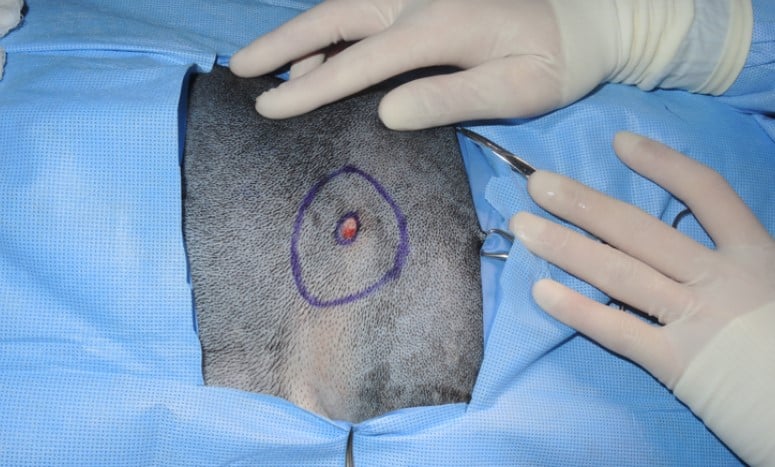
How Veterinarians Evaluate Dogs for Surgical Removal of Tumors
Step 1: Confirm the Diagnosis
- Fine-needle aspirate (FNA)
- Biopsy (an incisional or excisional biopsy).
Step 2: Staging (for Any Type of Cancer)
- Evaluate bloodwork
- X-Ray or CT Scan to look for evidence of spread of the cancer
- Ultrasound
- Evaluate Lymph Nodes
Step 3: Planning for Surgery
- Consider the tumor type and growth patterns.
- Location and size of tumor
- Ability to attain clear margins
- Overall health status of the dog
Types of Tumor Surgery
Simple Tumor Removal
- Small, surface benign tumors
- Margins narrow
- Often curative for benign tumors
Surgical Excision: Wide (Large) Excision
- Removes tumor plus surrounding healthy tissue
- Required for malignant tumors
- Reduces recurrence risk
Radical or Organ-Removal Surgery
- Mass removal or radical surgery (dog spleen tumor removal surgery)
- Mass removal when the tumor is located within 1 organ
Palliative Surgery
- Palliative surgery is noncurative
- Improve quality of life by reducing pain, bleeding, and obstruction.
Anesthetic/Surgical Safety
- All Tumor surgeries are performed under general anesthesia
- Perform blood tests before surgery to decrease the risk of complications
- Pain control for dogs following surgery is typically multi-modal.
- Dogs generally tolerate dog tumor surgery well.
Hospitalization after surgery ranges from same-day to several-day depending on the complexity of the tumor removal surgery for dogs.
Recovery After Tumor Surgery
Home Care for 10-14 Days
- Limit activity
- Monitor incision site
- Wear an Elizabethan collar
- Medication: Follow-up as directed by your veterinarian.
Scheduling
- Remove sutures/staples
- Review tumor histopathology results
- Discuss ongoing treatment if indicated
Histopathology: Crucial Step
After the dog tumor removal surgery, it will be sent to a lab for testing to establish:
- Type of tumor
- Benign or malignant
- Clean or incomplete surgical margin
- Pathological grade of the tumor (aggressiveness).
Histopathology reports are important in determining the prognosis of the dog and any additional surgical or medical options available for the dog to keep recovering from the surgical procedure.

Tumor Prognosis After Surgery
Factors affecting prognosis:
- Tumor classification and grading
- Extent of complete surgical excision
- Metastatic dissemination
- Early as opposed to late treatment
| Scenario | Outcome |
| Benign tumor, clean margins | Excellent – cured |
| Malignant tumor, early removal | Good to very good |
| Incomplete margins | Risk of recurrence |
| Metastatic disease | Guarded |
How Chemotherapy and Radiation Therapy Help
Tumor surgery is typically accompanied by:
- Chemotherapy
- Radiation therapy
- Immunotherapy
These additional therapies do not replace the tumor removal surgery dog patients need, but enhance long-term cancer control.
Tumor Removal Surgery Cost for Dog
The average cost of dog surgery to remove a tumor will vary based on:
- Size and location of the tumor
- Removal of an organ
- Diagnostic testing
- The post-operative care of the patient
Dog owners can expect the tumor removal surgery cost dog to be anywhere from several hundred dollars for simple mass removal, to thousands of dollars for more complicated procedures, such as the dog spleen tumor removal surgery.
What Happens If a Tumor Is Not Removed?
If the tumor is not surgically removed:
- Continued growth and infiltration;
- Development of ulceration, infected tissue, or bleeding;
- Pain associated with loss of function;
- Development of metastases (spread) to the lungs, liver, or lymph nodes; and
- A substantially shorter survival time due to the above reasons.
A dog that is diagnosed with cancer should seek early tumor removal surgery for dogs to avoid or reduce the risk of serious complications.
When to Seek Veterinary Care Urgently
If a tumor seems abnormal or grows rapidly, dog owners should seek immediate veterinary care and evaluation.
- Bleeds or ruptures
- Causes breathing difficulty
- Block urine or feces
- Become very painful or collapse suddenly
Final Thought
Dog tumor surgery is the first step in the treatment of dogs with cancer, whether intended for a cure or providing comfort. The dog patient has significant benefits from tumor removal surgery dog with the least long-term burden. Successful dog tumor removal depends on the ability to discover, prepare, and care for your dog early on.
If you find any new lumps or bumps on your dog’s body, it’s wise to get them checked out promptly, as the quicker you get this done, the easier and safer it will be to undergo a tumor removal surgery for dogs and increase the probability of success.
FAQs
How can I tell if my dog requires surgery to remove a tumor?
If you find a growing lump, take your pet to a veterinarian for proper evaluation and testing. A veterinarian will determine if your dog requires surgery to remove a tumor based on the findings.
Are there risks associated with dog tumor removal surgeries?
Most dogs have little risk when undergoing tumor removals, because today’s anesthetics and surgery practices are much improved compared to prior eras. Hence, the risks of the majority of dogs are relatively low if they are otherwise healthy.
How much does dog surgery to remove a tumor typically cost?
Costs can vary based on the tumor’s size, location, and how complicated it may be, but generally speaking, simple tumor removal can run into the hundreds of dollars, while more complex surgeries range into the thousands.
How long will it take to recover from a tumor removal surgery in dogs?
Most dogs take 10-14 days to recover, with the possibility of a longer recovery period in the case of larger and internal tumor surgeries.
Can the tumor recur after the surgery?
Yes, cancer can recur, especially with malignant types or when tissues are not fully removed.