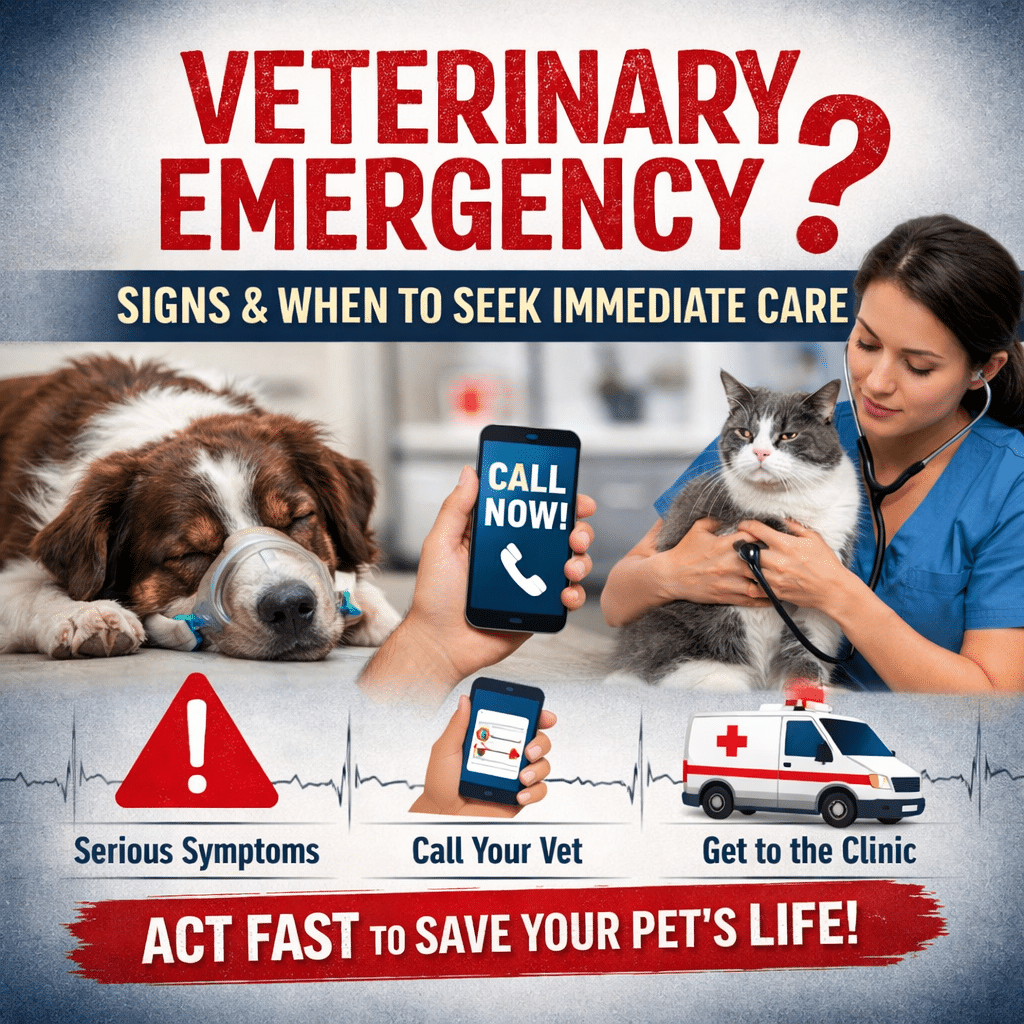
Veterinary emergencies are very common in veterinary medicine and involve immediate care for the pet. It is a condition where the pet’s life is in danger of immediate threat or long term treat to the well-being. Veterinary emergency deals with such situations by providing quick diagnosis and treatment to delay any major setback and provide a cure to the pet.
In this blog, we will talk about the Veterinary Emergency: Signs, What to Do, and When to Seek Immediate Care.
Understanding veterinary emergency
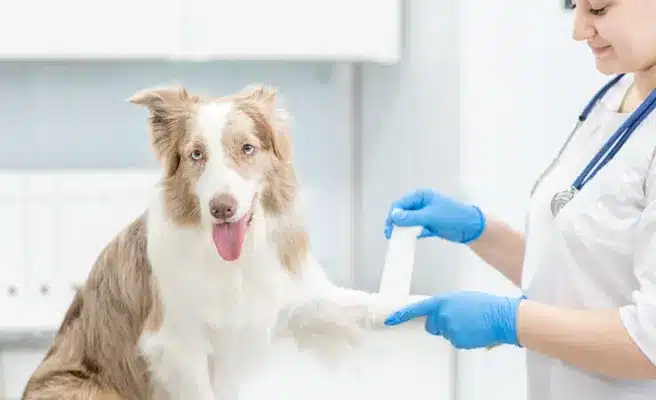
A veterinary emergency in pets is when the pet’s life is under threat and needs immediate attention. They need to be checked immediately to provide the instant cure or treatment to save their life or eliminate the risk of long-term injuries.
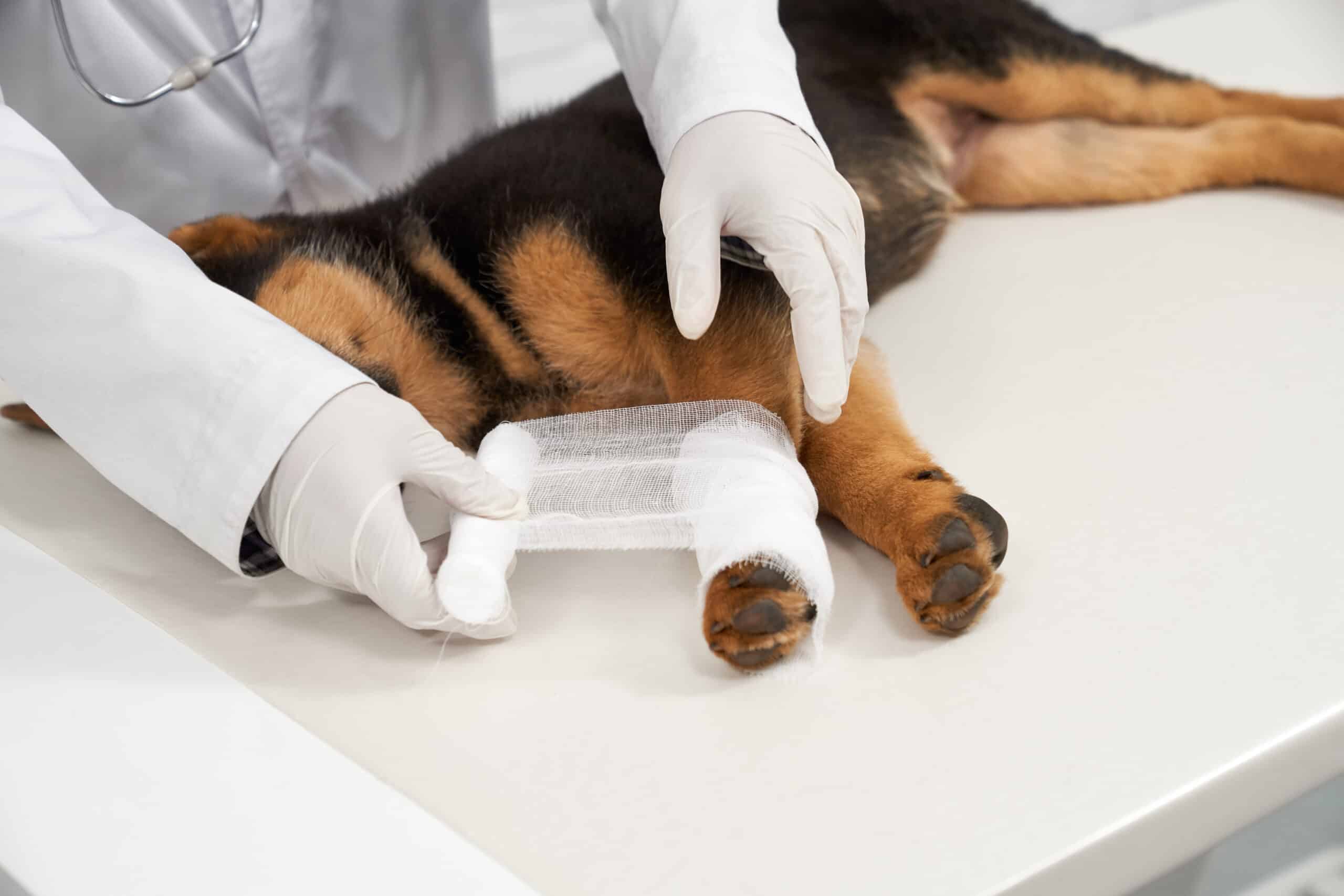
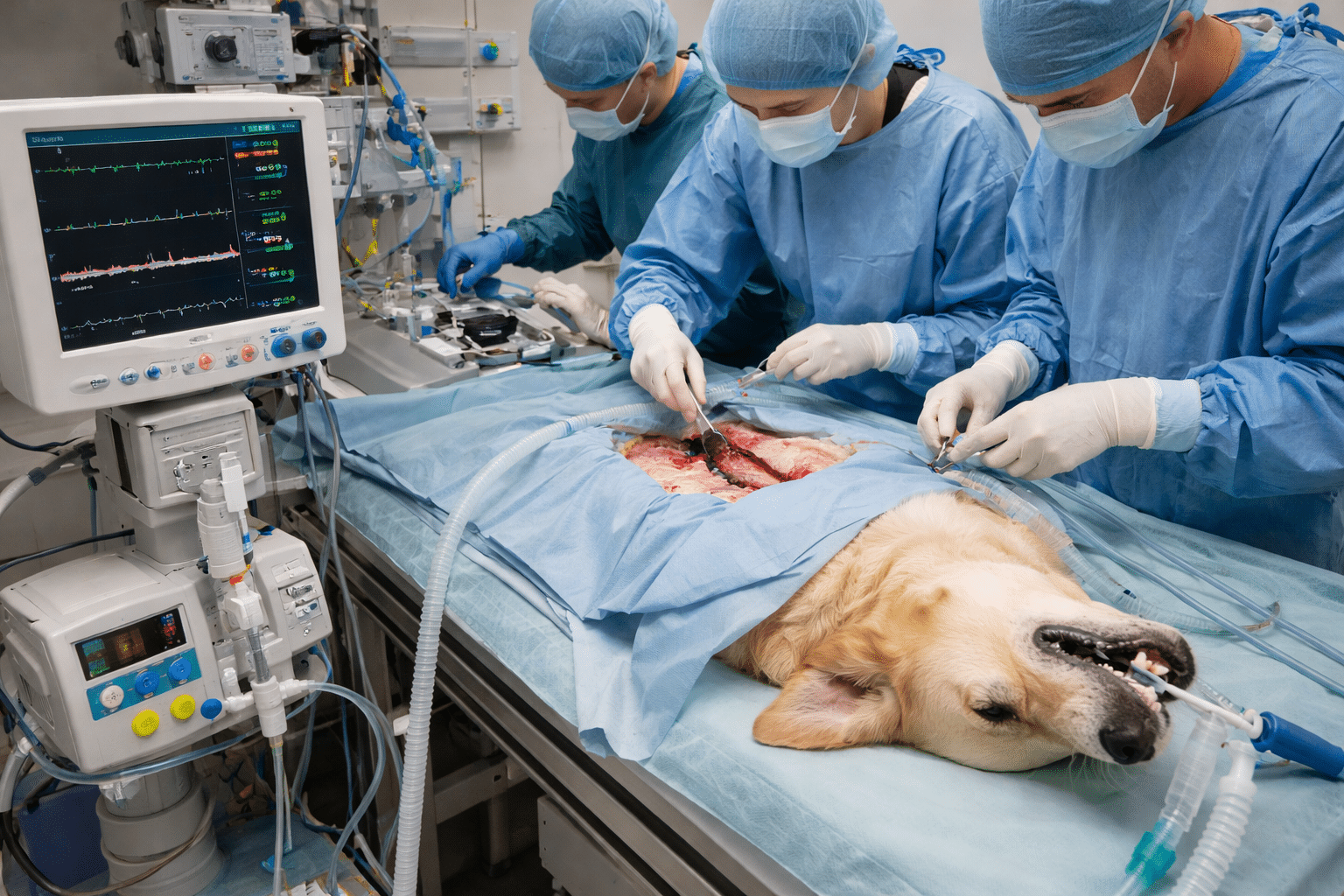
These emergencies are often related to accidents or physical trauma or stress, breathing issues in dogs, sudden pain and severe infections, internal bleeding, collapse or unconsciousness, and more. If the pet is in such a situation, they must be treated and referred to the emergency.
The most common veterinary emergencies in dogs and cats
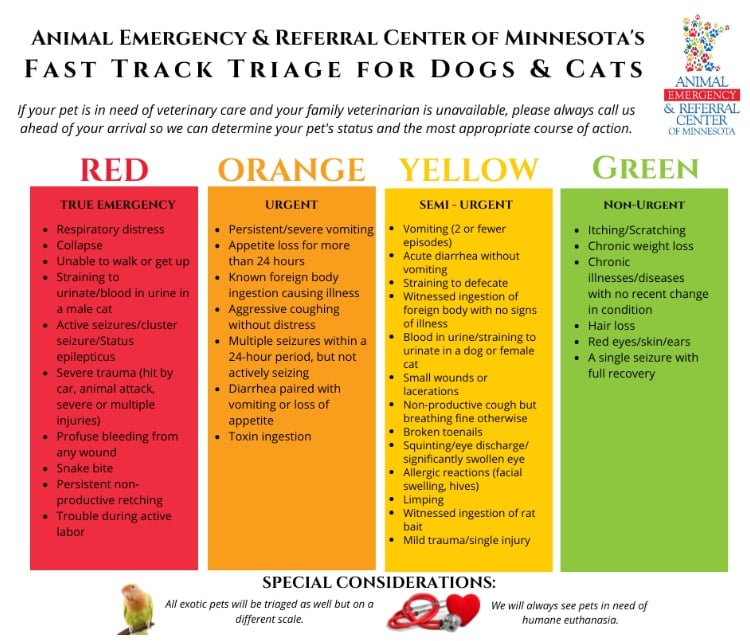
| Emergencies in cats and dogs | The major reason affected |
| Breathing issues |
|
| Collapse or no response |
|
| Seizures |
|
| Vomiting and diarrhea |
|
| Urinary issues |
|
| Injury or trauma |
|
| Bloating and swelling in the abdominal area |
|
| Poison |
|
What is done during a veterinary emergency with the pet?
- During a veterinary emergency, you have to stay calm, as it will help you to calmly manage your pet.
- Immediately call a veterinary hospital and briefly explain what has happened. This will keep them alerted and ready to provide immediate assistance.
- Make sure you easily transport the pet and keep them dry during the move.
- Do not go to the house, and make sure to get immediate assistance for the pet.
What happens at the veterinary hospital during the veterinary emergency?
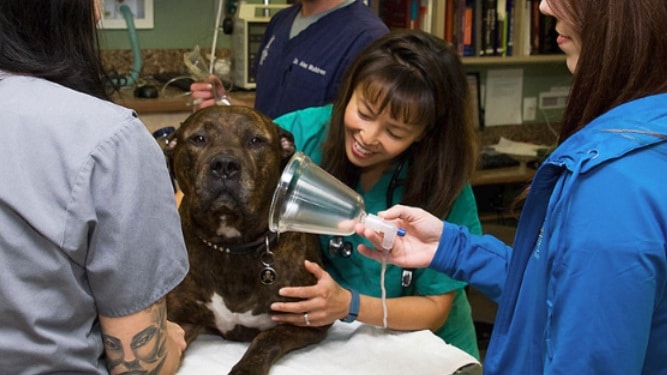
- The first step is the triage, where the pet is properly checked and assessed by the team of doctors, and those who need immediate assistance are treated first.
- The next step involves the stabilization stage, where oxygen is given. IV fluids are given, medications and injections are given to manage the pain, and also to control the bleeding if any.
- The proper diagnostics are being performed on the pet through X-rays, and other things are being done to avoid any issues.
- The next step is the treatment, where the pet is either taken to the ICU or emergency area as per the need of the hour.
Difference between the emergency vet and the urgent care vet
| Emergency veterinary doctor | Urgent care veterinary doctor |
| It is open 24 hours 7 days a week. | It is not always open and is limited to hours. |
| It specializes in handling the serious cases | Minor issues are treated |
| It is used for surgery and ICU cases | Regular screening or diagnosis is being performed |
| Very high care is given to the pet | Low cost for the treatment |
How can one prepare for a veterinary emergency?
If you are prepared in advance, it will help you to make faster decisions and provide quick diagnoses and treatment for the pet.
Tips for the emergency
- Must know in advance about the nearest veterinary center or clinic
- You must have the important contact number ready.
- Medical records must always be with you.
- Our home must be made according to the safety of the pet.
How can you prevent veterinary emergencies?
We know that we cannot prevent all emergencies, but we can prepare in advance for others to avoid them
- Make sure to take your pet to the vet daily for screening or if any minute symptom arises.
- Always be ready for preventive care for the pet
- The pet needs to undergo parasite control
- Dental hygiene is highly recommended for pet hygiene.
- Safety from the harmful substances.
- Managing the diet of the pet and also monitoring their weight regularly.
Blockquote
In a veterinary emergency, every second matters—quick action and immediate care can be the difference between life and death for your pet.
Conclusion
Time is very crucial during a veterinary emergency. Seconds can save your pet from a serious life-threatening injury or disease. Make sure you provide immediate first aid or care and quickly talk to the vet about the condition. Make sure to refer them as early as possible to the nearest veterinary center. Seeking veterinary care is very crucial for the pet’s life.
AV Veterinary Center is the topmost and most trusted center for emergency conditions in veterinary care. Feel free to take your pet for emergency or for daily screening.
Contact details
Name – AV Veterinary Center
Address – 1055 W. Columbia Way #103, Lancaster, CA 93534
Contact – 661-729-1500
E-mail – reception@avvetcenter.com
Frequently asked questions
Which is the best center for the veterinary emergency?
AV Veterinary Center is the best, and most trusted center for veterinary emergency that provides the highest quality services and immediate care and treatment for the pets.
What to do in a veterinary emergency?
Keep your head calm and immediately call the nearest veterinary hospital. Tell them about the condition and keep them ready for the immediate treatment.
How to check if it is a serious veterinary emergency?
If your dog is tired or unconscious, has difficulty breathing, pain, or blood or any other symptoms, it is considered an emergency.
How fast is veterinary treatment needed in case of an emergency?
You must respond as quickly as possible to the treatment with the vet. Call the vet or clinic and make arrangements about the situation in advance to avoid any delay.
How to prevent veterinary emergencies?
It can be prevented by doing proper health checkups, proper screening, creating a safe environment for the pet, and maintaining proper hygiene.