Canine Diabetes Mellitus: Causes, Symptoms, Diagnosis, Treatment, and Long-Term Care
Canine diabetes mellitus is a common condition in dogs that can affect them for a lifetime and must be managed effectively by the experts. Diabetes mellitus is an issue related to the hormones where the body is not able to keep the blood sugar levels controlled. Dogs have to take insulin for the rest of their life to manage their blood sugar levels. The disease, when diagnosed early, can provide a healthy and happy life to the dog while properly managing the symptoms.
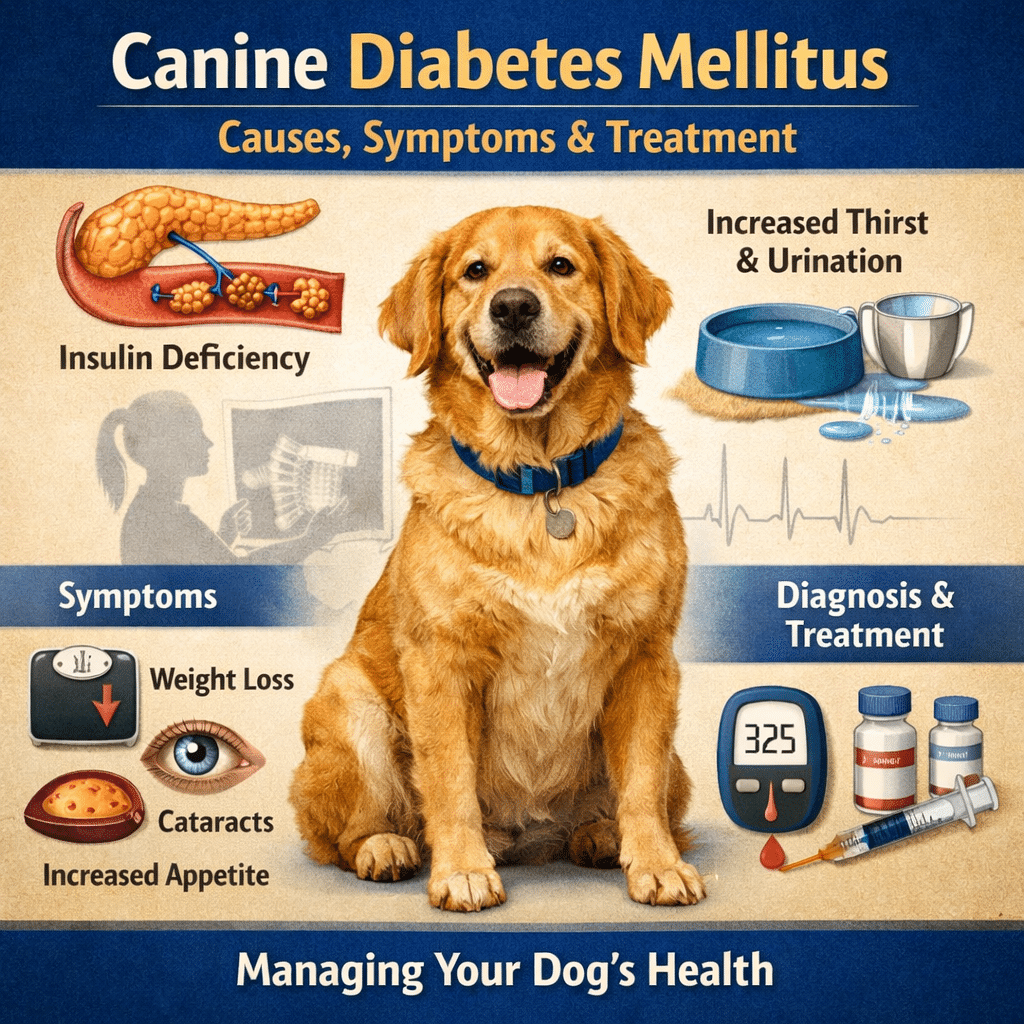
Diabetes mellitus is a hormonal issue where the dog’s body is not able to properly control the blood sugar levels. The pancreas produces very little insulin that is not able to remove the excess blood sugar in the body. The body’s response to the insulin production is not good and is not proper.
Insulin must be able to properly remove the sugar from the blood so that it can be used as energy by the body. If the blood sugar levels are high, it can cause complications in the dog’s body.
What are the common signs that should never be ignored for diabetes mellitus in your pets?
Diabetes is one of the most harmful diseases for the body. It can cause severe complications in the dog’s body. It must be managed and diagnosed early under the proper guidance of the vet. If not managed early and effectively, it can cause infections, vision issues, body issues, muscle loss, and weight issues, and many other issues. Early detection of the disease and then managing it consistently with proper medication and care will be best for the pet.
Understanding what causes diabetes mellitus in dogs
Diabetes mellitus is caused by a combination of several factors. Dogs suffer from diabetes due to many different reasons. The most common reasons for dogs to get diabetes are as follows. The dogs that are old or in their middle age are diagnosed with diabetes. It is most common in female dogs and in those who are not spayed. It is seen in dogs who are obese and have excess weight. It can also be caused due to hereditary. If the pancreas has been inflamed for many years and there are hormonal imbalance in the dogs. If the dogs have been on the steroidal medication.
What are the main warning signs and symptoms of diabetes mellitus in dogs?
Symptom types in dogs
Symptoms
Early symptoms
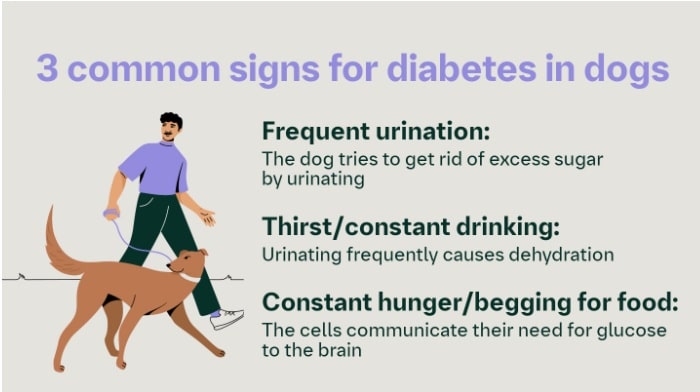
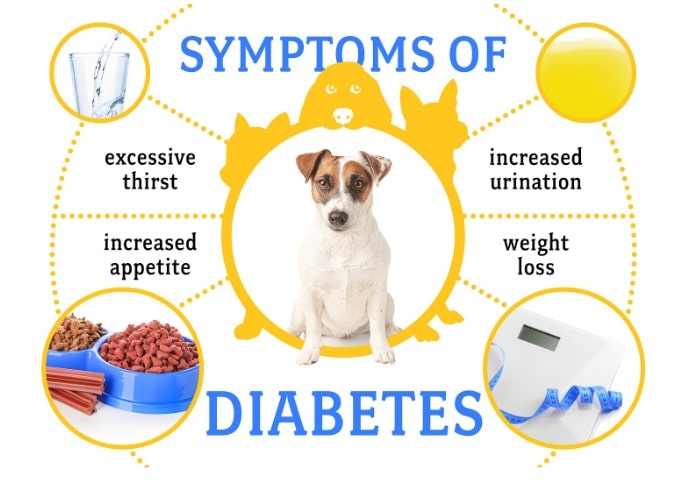
Drinking more water than usual
More urge to urinate
Feel a strong urge to eat more food
Weight reduction despite eating normal calories
Severe symptoms that may come later
Very low energy for the dog throughout the day
They vomit frequently
Dehydrations and dryness in Gums
Weak muscles and bones
Can cause cataract and cloudy vision
Understanding the diagnosis of canine diabetes mellitus by the Veterinarians
Vets are professionals and can diagnose diabetes easily without any issue
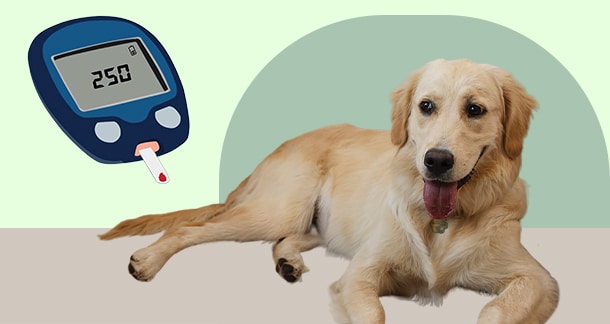
Diabetes is diagnosed by checking blood sugar levels. If they are higher more frequently, it is confirmed.
A urine test also diagnoses diabetes, where the urine contains glucose.
Other tests are performed to diagnose the issues.
Also, checking certain underlying conditions that may come with diabetes.
How can diabetes mellitus be treated by the vets?
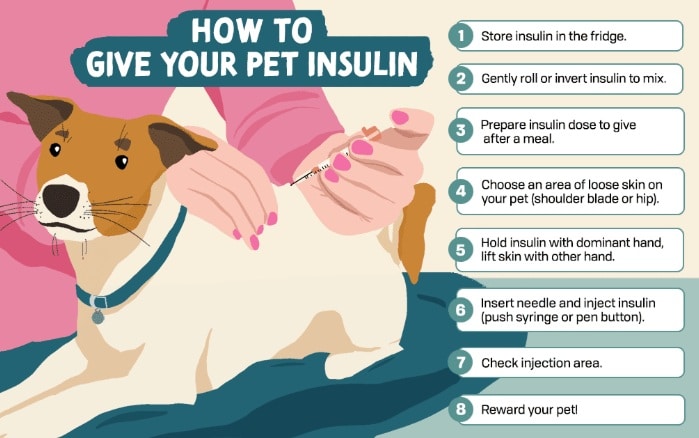
Diabetes is mainly treated and managed with the help of insulin injections. It is given to the pet through the needle and is given once or twice a day. It must be given for a lifetime in most of the cases for the dogs.
Another way to manage diabetes in dogs is by managing their food habits. Make sure to feed them daily on fixed time and provide the high fiber foods with low carb diet. Do not give sugar to the dogs, and also the above foods with high sugar content.
Proper monitoring of the blood glucose levels
Always check the blood sugar levels and urine for glucose. It is highly recommended to take your pet to the veterinary center to provide them with the best possible treatment and monitoring.
Proper care for the dogs
The pet owners need to give regular insulin injections to the pets and manages there food habits. Always check there drinking habits and make sure to check their appetite and weakness in them. Always provide the meals to the dog at the right time without skipping.
Checking the symptoms of low blood sugar levels
You need to properly check the insulin levels in dogs. Check the symptoms like the weakness, confusion, unusual behaviour, seizures, collapse of the dog, and trembling. These symptoms indicate that the dog has hyperglycemia. Do not miss the meals and make sure to check the dogs frequently.
What are the complications that dogs can face due to diabetes mellitus?
Diabetes mellitus can be very dangerous if not managed properly and diagnosed effectively
Diabetes can cause vision problems and cataract issues if not managed properly.
Dogs will have more frequent urinary tract infections
There are high chances of pancreatitis
They can also have diabetic ketoacidosis.
Outlook and quality of life for diabetic dogs
With the right treatment plan for diabetes mellitus:
Most dogs return to their ordinary hobbies with a proper treatment plan.
Energy and urge for food stabilize
Quality of lifestyles stays excessive for the dog.
Lifespan can be near that of non-diabetic puppies with proper treatment and management.
Success relies upon consistency, careful commentary, and normal veterinary support.
Can Diabetes in Dogs Be Prevented?
Not each case can be avoided; however, threat discount is feasible through:
Keeping puppies at a healthy weight to maintain their blood sugar levels
Feeding nutritionally balanced diets
Scheduling habitual veterinary checkups
Managing pancreatic or hormonal problems early
Spaying female puppies early eliminates the risk of diabetes.
Prevention makes a speciality of lengthy-time period metabolic and hormonal stability.
What is the difference between diabetes mellitus and diabetic ketoacidosis?
Diabetes mellitus
Diabetic ketoacidosis
It is a prolonged condition and not short-term
It is sort of a medical emergency
It can be managed with the insulin injections
The dog must be hospitalized
Stabilize after some time
High dehydration
Proper daily care is needed
It requires intensive treatment by the vets
When is the immediate veterinary care needed for the dogs?
You have to contact the veterinary doctor if you see that the dog is vomiting and is not eating food. The body looks lethargic and weak, and feels like collapsing. If you have missed the insulin dosage. Dogs must be taken to the vet if they are showing hypoglycemia symptoms.
Blockqoute
Canine diabetes is a lifelong condition, but with consistent care and insulin therapy, dogs can enjoy a healthy and active life.
Conclusion
Make sure to always diagnose your pet for diabetes mellitus. Early detection of the diseases can help the dog to live a happy and fruitful life. Notice the symptoms provided by the dog and work accordingly.
AV Veterinary Center is the best veterinary center for pets. You can take your dog for any type of treatment, and you can also get proper screening and diagnosis. Feel free to take your pet to the center for perfect and proper treatment for diabetes mellitus.
Contact details
Name – AV Veterinary Center
Address – 1055 W. Columbia Way #103, Lancaster, CA 93534