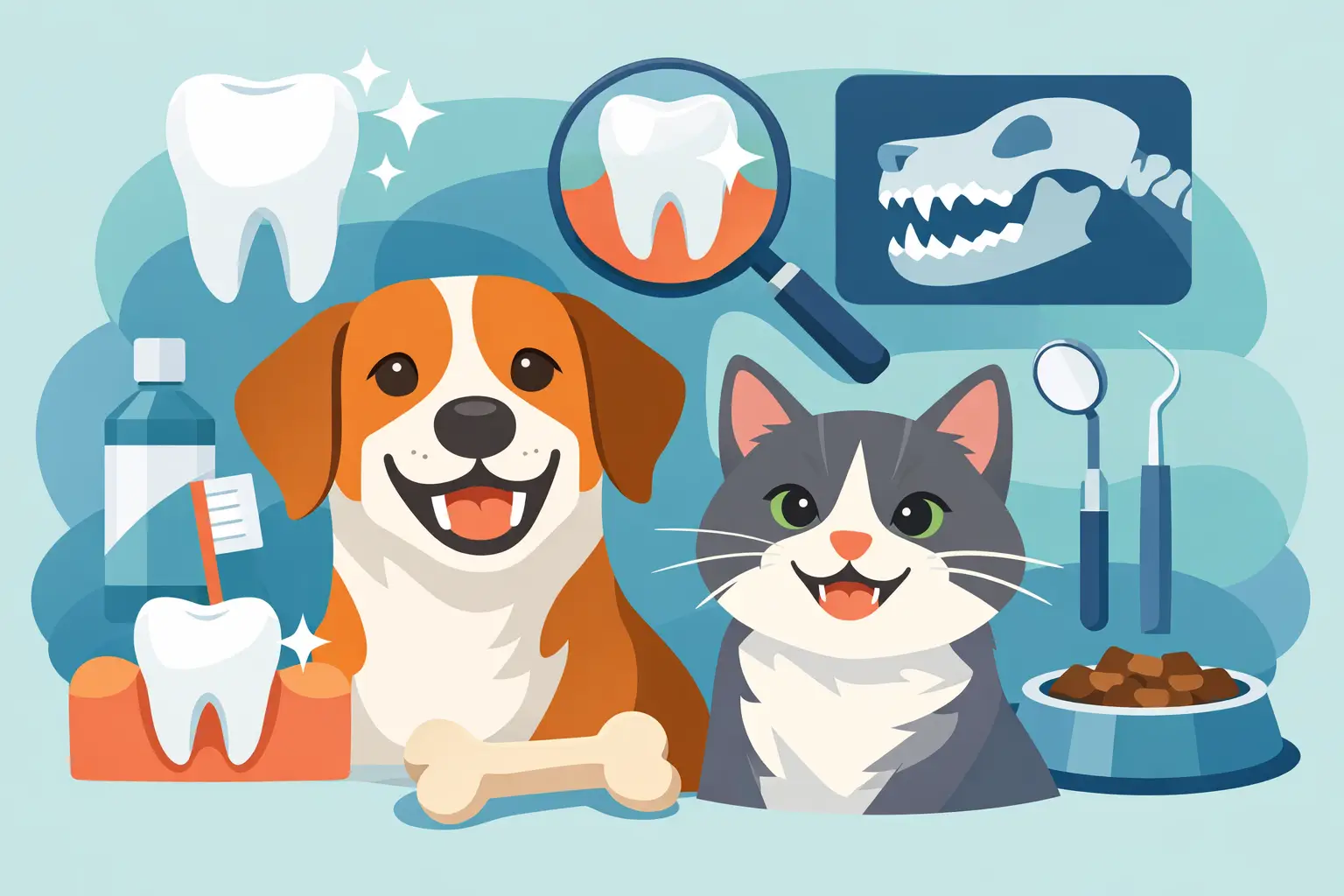
Bad breath is often treated as a normal part of having a dog or cat. It is not. While a pet may not have minty-fresh breath, a strong or unpleasant odor can be an early sign of oral disease, pain, or infection. This complete guide to pet dentistry explains what healthy pet dental care involves, what happens during a professional dental procedure, and how families can protect their pets’ comfort between visits.
Dental disease is one of the most common health concerns seen in companion animals, and it can affect far more than the mouth. Dogs and cats may continue eating despite significant dental pain, which makes problems easy to miss. Regular preventive care gives your veterinary team the opportunity to find concerns early, before they become more complex, painful, and costly to treat.
Why Pet Dentistry Is About More Than Teeth
Plaque forms on teeth after meals. If it is not removed, it can harden into tartar, which irritates the gums and allows bacteria to collect below the gumline. This process can lead to gingivitis and periodontal disease, the progressive loss of the tissues and bone that support the teeth.
Periodontal disease is not simply a cosmetic issue. Inflamed, infected gums can cause chronic discomfort, loose teeth, abscesses, and difficulty chewing. Bacteria and inflammation may also affect overall health, particularly in older pets or pets with other medical conditions. A healthy mouth supports a pet’s ability to eat, groom, play, and enjoy daily life without pain.
Cats have additional dental concerns that are not always visible at home. Tooth resorption, for example, occurs when the body begins breaking down a tooth structure. It can be extremely painful, yet many cats show only subtle changes such as eating more slowly, dropping food, or becoming less interested in affection around the face.
Signs Your Dog or Cat May Need Dental Care
A dental exam is appropriate whenever you notice a change in your pet’s mouth, eating habits, or behavior. Common warning signs include persistent bad breath, red or bleeding gums, yellow-brown tartar buildup, pawing at the mouth, excessive drooling, and reluctance to chew toys or kibble.
Other signs can be less obvious. A pet may chew on one side of the mouth, drop food, swallow without chewing, avoid being touched near the face, or become unusually irritable. Cats may stop grooming as carefully as they once did. Facial swelling, blood in saliva, a broken tooth, or sudden refusal to eat should be evaluated promptly, as these can indicate infection or significant pain.
Pets are skilled at adapting. A dog that still eats dinner may still have advanced dental disease. For this reason, oral health checks during routine wellness exams remain essential, even when there are no obvious symptoms.
What a Professional Pet Dental Exam Includes
A complete oral evaluation begins with a veterinarian assessing your pet’s overall health and examining the visible teeth, gums, tongue, and oral tissues. The team considers factors such as age, breed, medical history, diet, and previous dental treatment. Small-breed dogs, brachycephalic breeds, senior pets, and cats can have elevated dental risks, but every dog and cat benefits from regular assessment.
A full evaluation of the teeth and structures below the gumline requires anesthesia. This is where much of dental disease exists, and it cannot be safely or thoroughly diagnosed in an awake pet. Before anesthesia, your veterinarian may recommend bloodwork and other diagnostics based on your pet’s age and health status. These steps help create an individualized anesthetic plan and identify concerns that could affect treatment.
During a professional dental procedure, the veterinary team can scale plaque and tartar from above and below the gumline, polish the teeth, probe for periodontal pockets, and assess each tooth. Dental X-rays are especially valuable because they reveal roots, bone loss, impacted teeth, fractures, and disease hidden beneath the gums. A tooth that appears normal above the gumline may have serious problems below it.
Why Anesthesia Matters for Dental Cleanings
Anesthesia-free dental cleanings may sound appealing because they avoid sedation, but they cannot provide the standard of care needed to treat disease below the gumline. They also make it difficult to obtain dental X-rays, evaluate painful areas fully, or safely clean and polish every tooth.
Professional anesthesia allows the veterinarian to protect the airway, manage pain appropriately, and perform a complete examination without causing fear or discomfort. Pets are closely monitored throughout the procedure, with attention to heart rate, blood pressure, oxygen levels, breathing, temperature, and recovery. The right approach depends on the individual pet, which is why pre-procedure assessment and thoughtful planning matter.
When Extractions or Advanced Treatment Are Needed
Not every pet with tartar needs extractions. Some teeth can be cleaned and maintained when disease is caught early. However, a tooth with severe periodontal disease, a painful fracture, a root infection, or advanced resorption may need to be removed to relieve discomfort and prevent further complications.
The idea of extraction can feel upsetting, especially when multiple teeth are involved. In practice, many pets feel noticeably better after painful teeth are treated. Dogs and cats generally adapt very well, even with fewer teeth, and can often continue eating their usual food once healing is complete. Your veterinarian should explain the findings, treatment options, expected recovery, pain-management plan, and at-home care instructions so you can make an informed decision.
Some oral problems require more advanced planning, such as complex extractions, oral masses, jaw trauma, or conditions affecting surrounding structures. Access to modern imaging, surgical expertise, and comprehensive monitoring can make a meaningful difference when a dental concern is more complicated than a routine cleaning.
Daily Dental Care at Home
Home care is the best way to slow plaque buildup after a professional cleaning. Brushing is the most effective option for most pets, ideally with a soft pet toothbrush or finger brush and toothpaste made specifically for dogs or cats. Human toothpaste should never be used, as it may contain ingredients that are unsafe when swallowed.
Start gradually. Allow your pet to taste the toothpaste, then gently touch the lips and outer surfaces of the teeth for a few seconds at a time. Build positive associations with praise, calm handling, and consistency. The outside surfaces of the upper teeth are often the most practical place to focus. Daily brushing is ideal, but even several sessions each week can help when done consistently.
Dental diets, chews, water additives, and oral rinses may be useful additions for some pets, but they are not a substitute for brushing and professional care. The best product depends on your pet’s age, chewing habits, health needs, and risk of choking or gastrointestinal upset. Hard objects such as bones, antlers, and very hard nylon chews can fracture teeth, particularly in enthusiastic chewers. A safer choice is usually one that has some give when pressed with a fingernail.
How Often Should Pets Have Dental Visits?
Most dogs and cats should have their mouths examined at least once a year as part of routine wellness care. Pets with existing periodontal disease, a history of dental extractions, diabetes, kidney disease, or other chronic conditions may need more frequent monitoring. Senior pets also benefit from regular oral assessments because dental problems become more common with age.
The timing of a professional dental cleaning is not based on a single calendar rule. It depends on what your veterinarian sees during the exam, including tartar accumulation, gum inflammation, tooth stability, and X-ray findings. Early care is typically simpler than waiting until a pet shows clear signs of pain.
If your pet has bad breath, visible tartar, or a change in eating behavior, schedule an evaluation with a trusted veterinary team. At AV Veterinary Center, dogs and cats receive individualized dental recommendations supported by thorough diagnostics, compassionate handling, and a focus on long-term comfort. A healthier mouth can mean more comfortable meals, easier play, and many more happy moments close to the people they love.