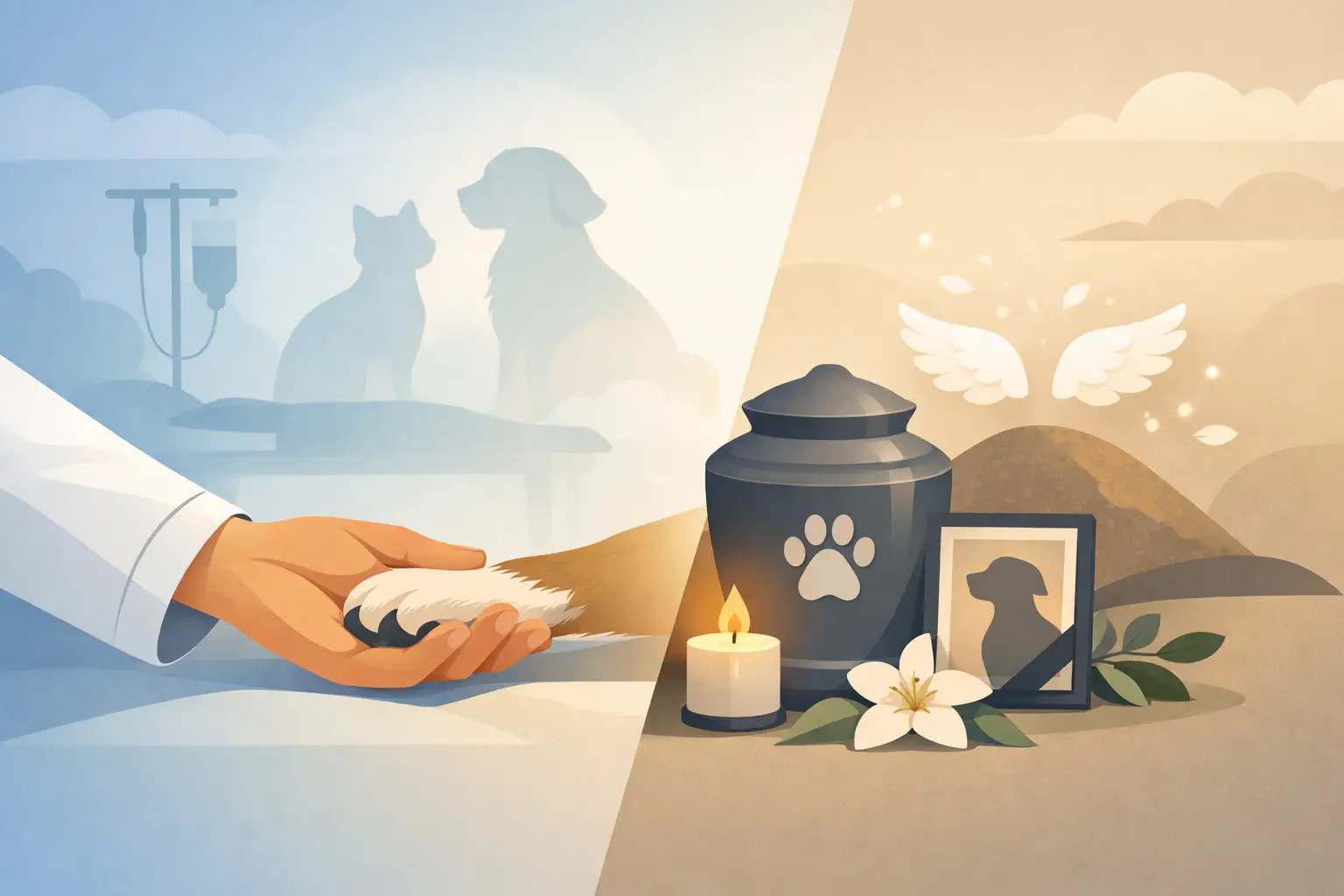
For many families, the hardest part is not only saying goodbye, but also making decisions right after. If you are considering pet cremation after euthanasia, it helps to know what happens next, what your options are, and how to choose what feels right for your pet and your household.
These decisions often happen during a deeply emotional moment. Some people want to plan every detail in advance. Others prefer gentle guidance when the time comes. Both approaches are normal, and a compassionate veterinary team should be able to support either one with clear information and respectful care.
Why families choose pet cremation after euthanasia
Cremation is a common aftercare choice because it offers flexibility, privacy options, and a practical path for families who may not be able to bury a pet at home. In Southern California, local ordinances, rental housing rules, and limited yard space can make home burial difficult or inappropriate. Cremation gives families a way to honor a beloved dog or cat without facing those barriers.
For some, the decision is emotional. They want to keep their pet close in an urn or memorial container. For others, it is about simplicity and peace of mind. There is no single right reason. What matters is choosing an option that aligns with your values, your beliefs, and what will feel manageable during grief.
What happens after euthanasia
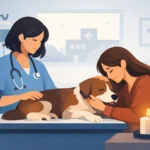
After euthanasia, your pet is handled with dignity and care. If cremation has been chosen, the veterinary hospital typically arranges transportation and aftercare coordination with a trusted cremation provider. That means you usually do not need to manage logistics on your own during a painful time.
In many cases, the team will confirm your selected cremation type, review any memorial items you want returned, and explain when ashes will be ready if applicable. If you are undecided, it is reasonable to ask for a few moments to think, or to discuss the options before the appointment whenever possible.
The process should never feel rushed. A well-run veterinary practice understands that medical care and emotional support both matter at the end of life.
Pet cremation after euthanasia: understanding your options
The two options most families hear about are private cremation and communal cremation. The difference is important.
Private cremation
With private cremation, your pet is cremated individually, and the ashes are returned to you. Families who want to keep ashes at home, scatter them in a meaningful place where permitted, or place them in a memorial often choose this option. Private cremation generally costs more because it includes individual handling and return of remains.
Communal cremation
With communal cremation, pets are cremated together, and ashes are not returned. This is often the more affordable choice and may feel right for families who do not want to keep remains but still want respectful aftercare. For some people, this option feels less emotionally complicated. For others, it does not provide the sense of closure they need.
There may also be a partitioned or semi-private option through some providers, but terms can vary. If that option is offered, ask exactly how the process works so you understand what will and will not be returned.
How long does cremation take?
Timing varies by provider, but many families receive ashes within several days to two weeks. The timeline depends on transport schedules, crematory workload, holidays, and whether memorial items are being prepared along with the remains.
If timing matters to you, ask up front. Some families want the ashes returned quickly for a home memorial or ceremony. Others are comfortable waiting. A veterinary team should be able to give you a realistic estimate rather than a vague promise.
What is usually included
What is included with pet cremation after euthanasia depends on the provider and the package selected. In many cases, the fee may cover transportation, cremation, a standard urn or temporary container, and identification procedures that help track your pet throughout the process.
Some families also choose paw prints, fur clippings, engraved urns, or keepsake jewelry. These can be meaningful, but they are not required for a respectful goodbye. During grief, it is easy to feel pressure to make a memorial decision immediately. If you are unsure, choose the simplest option and give yourself room to decide later when possible.
Questions to ask before you decide
A few clear questions can make a difficult decision feel more manageable. Ask whether the cremation is private or communal, when ashes will be returned, what container is included, and how your pet is identified throughout the process. You can also ask who performs the cremation and whether the veterinary hospital works with a trusted local partner.
Cost is also a fair question. Pricing can vary based on your pet’s size, the type of cremation, and any memorial products selected. A good hospital will discuss fees plainly and respectfully.
If religion, culture, or family traditions shape your decision, mention that. End-of-life care should reflect not only medical standards but also what matters most to your family.
Making the decision before the appointment can help
When euthanasia is being scheduled because of advanced illness, cancer, severe pain, or declining quality of life, discussing aftercare in advance can reduce stress later. This does not make the decision cold or impersonal. It often gives families more space to focus on their pet during the final appointment instead of paperwork and logistics.
Advance planning also helps if multiple family members are involved. It gives everyone a chance to talk through whether they want ashes returned, what budget feels realistic, and whether children should be part of the conversation.
If your pet is in urgent decline, same-day decisions may still be necessary. In that situation, the most important thing is not perfection. It is choosing a respectful option you can live with and allowing your veterinary team to guide you through the details.
How to talk to children about cremation
Children usually do better with clear, gentle language than with vague explanations. You do not need to share every detail, but honesty builds trust. It can help to explain that after a pet dies, families choose a way to care for the body, and cremation is one of those choices.
Some children want to be involved in picking out an urn, drawing a picture, or helping create a small memorial at home. Others do not. Follow the child’s age, temperament, and questions. There is no ideal script, only a need for calm, truthful reassurance.
When grief makes decisions feel harder
Grief can affect concentration, memory, and confidence. Families sometimes worry they are making the wrong choice because they are emotional. That feeling is common. Most of the time, there is not one perfect decision, only the one that best fits your needs, beliefs, and capacity in the moment.
It may help to keep the focus on what your pet experienced throughout life – safety, love, comfort, and compassionate care. Aftercare decisions matter, but they do not define the bond you shared.
A veterinary hospital that provides end-of-life services should be prepared for these conversations. At AV Veterinary Center, that means pairing compassionate guidance with clear medical communication, so families can move through a difficult moment with support and confidence.
Choosing a veterinary team you trust
The best aftercare experience often starts before the final appointment. Families tend to feel more at ease when they already know the veterinary team, understand the pet’s condition, and trust the clinic to explain each step clearly. That trust matters during euthanasia, and it matters just as much afterward.
If you are planning ahead, ask how the hospital handles euthanasia appointments, aftercare coordination, and pet cremation after euthanasia. The answers should be straightforward, respectful, and centered on both your pet’s dignity and your family’s needs.
You do not have to carry every detail alone. The right team will help you make informed decisions, protect your pet’s comfort, and handle aftercare with the same compassion and professionalism shown throughout your pet’s life.
When the time comes, a thoughtful plan can bring a small measure of peace. Even in grief, knowing your pet was cared for gently, respectfully, and with love can make those first difficult days a little easier.