
Spinal Surgery for Dogs: What to Expect
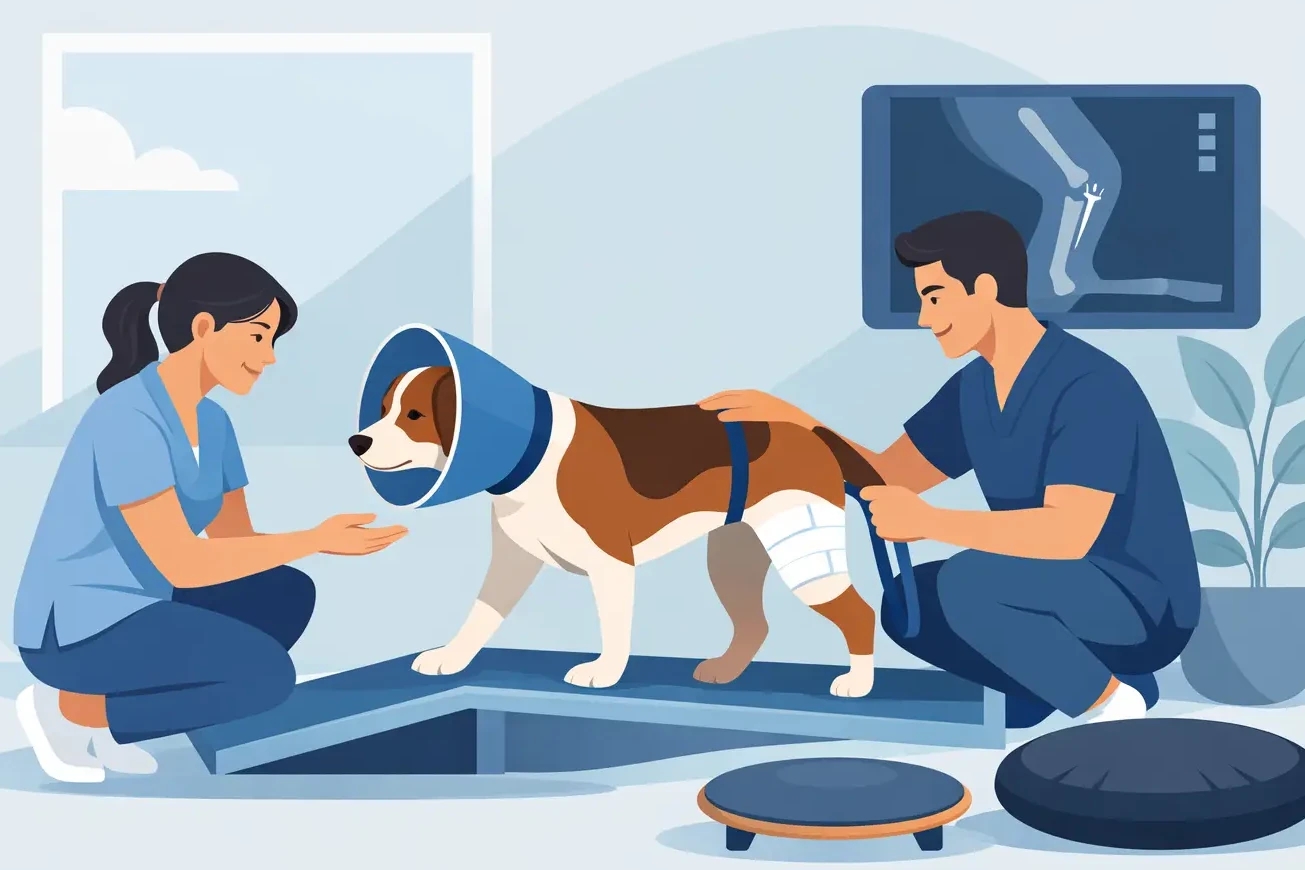
When a dog suddenly cries out, starts dragging a leg, or cannot stand the way they could the day before, families are often thrown into a frightening situation very quickly. Spinal surgery for dogs is sometimes the next step when pain, weakness, loss of coordination, or paralysis points to serious pressure on the spinal cord. In those moments, clear answers and timely care matter.
When spinal surgery for dogs may be recommended
Not every back or neck problem needs surgery. Some dogs improve with rest, pain control, anti-inflammatory treatment, and close monitoring. Others need a more urgent surgical plan because the spinal cord is being compressed, damaged, or put at risk.
Spinal surgery is most often considered when a dog has severe pain, worsening weakness, trouble walking, knuckling, loss of balance, dragging limbs, or loss of bladder and bowel control. In some cases, symptoms appear gradually. In others, they happen in a matter of hours. The speed of change can affect both treatment decisions and long-term recovery.
A few common conditions may lead to spinal surgery. Intervertebral disc disease, often called IVDD, is one of the best known. This happens when a disc between the vertebrae bulges or ruptures and presses on the spinal cord. Other causes include spinal fractures, trauma, tumors, instability in the neck, congenital abnormalities, infections, or bleeding around the spinal cord. While the signs can look similar at home, the underlying problem is not always the same. That is why a precise diagnosis comes first.
The signs pet owners should never ignore
Dogs do not always show spinal pain in obvious ways. Some cry out or keep their neck stiff. Others become quieter, stop jumping, walk with a hunched back, or seem unusually reluctant to move. More serious signs include stumbling, crossing the legs, collapsing, or being unable to rise.
If your dog has sudden weakness, paralysis, or loss of bladder control, this should be treated as urgent. Time can matter, especially when the spinal cord is under significant pressure. The longer severe compression continues, the more guarded recovery can become. That does not mean every case has a poor outcome, but it does mean delaying care is rarely the safer choice.
How veterinarians diagnose spinal problems
A physical exam is only the beginning. With spinal disease, the neurologic exam helps determine where the problem may be located, whether in the neck, mid-back, or lower spine. Your veterinarian will assess gait, reflexes, pain response, limb strength, and coordination. These findings help guide the next diagnostic steps.
Advanced imaging is often necessary before surgery. Standard X-rays can be helpful for fractures, alignment changes, and some structural concerns, but they do not show the spinal cord in enough detail to make every surgical decision. CT scans are often used to identify disc material, fractures, or bony changes more clearly. Depending on the case, additional testing may be recommended to better define the problem and plan the procedure.
This stage is important for another reason. Weakness in the rear legs is not always caused by the spine. Orthopedic injury, joint disease, metabolic illness, and other neurologic conditions can create similar symptoms. Good medicine means slowing down just enough to be accurate, even when the situation feels urgent.
What spinal surgery actually does
The goal of spinal surgery depends on the diagnosis. In many cases, surgery is performed to remove pressure from the spinal cord or nerve roots. This is called decompression. If the spine is unstable because of trauma or other structural damage, the procedure may also involve stabilizing the affected area.
For a dog with a herniated disc, the surgeon may remove the disc material pressing on the spinal cord. For a fracture or instability, implants may be used to support the spine while healing occurs. If a tumor is involved, surgery may aim to remove all or part of the mass, reduce pain, improve function, or create room for the spinal cord.
The details differ from case to case, which is why there is no single version of spinal surgery for dogs. The best plan depends on where the lesion is, how severe the neurologic deficits are, how long symptoms have been present, and the dog’s overall health.
Is surgery always the right choice?
Sometimes yes, sometimes no. That is an honest answer, and it matters.
A dog with mild disc disease and stable symptoms may do well with conservative treatment. A dog with severe compression, rapidly progressing weakness, or loss of deep pain sensation may need surgery as soon as possible for the best chance of improvement. Age alone does not rule surgery in or out. What matters more is the dog’s full medical picture, including heart health, breathing status, mobility before injury, pain level, and expected quality of life.
Families also need a realistic conversation about goals. In some cases, surgery is performed to restore walking. In others, the goal is pain relief, slowing progression, or giving a dog the best chance at independence. There are situations where surgery offers clear benefit, and others where the risks, costs, or expected outcome may lead a family to choose a different path. Compassionate care includes room for those discussions.
What to expect before and after surgery
If surgery is recommended, your veterinary team will review the diagnosis, the planned procedure, likely recovery time, and any known risks. Common concerns include anesthesia, infection, bleeding, implant complications, persistent neurologic deficits, or incomplete improvement. Those conversations can feel overwhelming, but they are part of responsible surgical planning.
After surgery, most dogs need careful pain management, restricted activity, and close observation. Hospitalization length varies. Some patients go home relatively quickly, while others need more intensive nursing support, bladder care, or help with assisted standing and mobility.
The first days after surgery do not always predict the final result. Some dogs improve quickly. Others recover in smaller steps over weeks or months. It can be discouraging when progress feels slow, but neurologic healing often follows its own timeline.
Recovery after spinal surgery for dogs
Recovery is not just about the incision healing. It is about helping the nervous system and body work together again. That often means a structured rehabilitation plan.
Exercise restriction is usually strict at first. Dogs may need leash-only bathroom breaks, crate rest, help with a sling, and prevention of jumping or rough play. At the same time, rehabilitation can support recovery through guided strengthening, range-of-motion work, balance exercises, and controlled reintroduction of movement.
For many patients, rehab services such as therapeutic exercise, hydrotherapy, and underwater treadmill work can make a meaningful difference. These tools can help rebuild strength, improve coordination, and support safer mobility while reducing strain on healing tissues. Pain management and follow-up exams remain important throughout the process because the plan often changes as a dog regains function.
At home, small details matter. Good footing, easy access to food and water, and a calm recovery space can help prevent setbacks. Families should also know that bladder and bowel function may take time to normalize in some cases. Your veterinary team can show you what is expected, what needs monitoring, and when to call right away.
Prognosis depends on more than one factor
One of the first questions families ask is whether their dog will walk again. That is understandable, but the answer depends on several factors. Diagnosis, severity, how quickly treatment begins, the presence or absence of deep pain sensation, the location of the spinal problem, and the dog’s response to surgery all play a role.
Many dogs do very well after spinal surgery, especially when diagnosis and treatment happen promptly. Others improve but continue to have some weakness, coordination issues, or recurring pain that needs management. A smaller group may have permanent deficits despite appropriate treatment. Being hopeful and being realistic can happen at the same time.
What families often need most is a team that explains the medical facts clearly while also supporting the emotional side of the decision. That balance matters when your dog is hurting and every hour feels heavy.
Choosing advanced care close to home
Spinal cases can move fast, and coordinating exams, imaging, surgery, and rehabilitation across multiple facilities adds stress most families do not need. Access to advanced diagnostics, surgical capability, and post-operative recovery support in one setting can make a difficult process more manageable. At AV Veterinary Center, that integrated approach helps families move from diagnosis to treatment with less delay and more continuity of care.
If your dog is showing signs of neck pain, back pain, weakness, stumbling, or sudden paralysis, do not wait to see if it passes on its own. The right next step is a timely veterinary evaluation, because when the spine is involved, early action can make a real difference. And even in the hardest moments, your dog deserves a care team that treats both the medicine and the family with equal attention.