

Hit by Car Pet Management: What to Do Fast
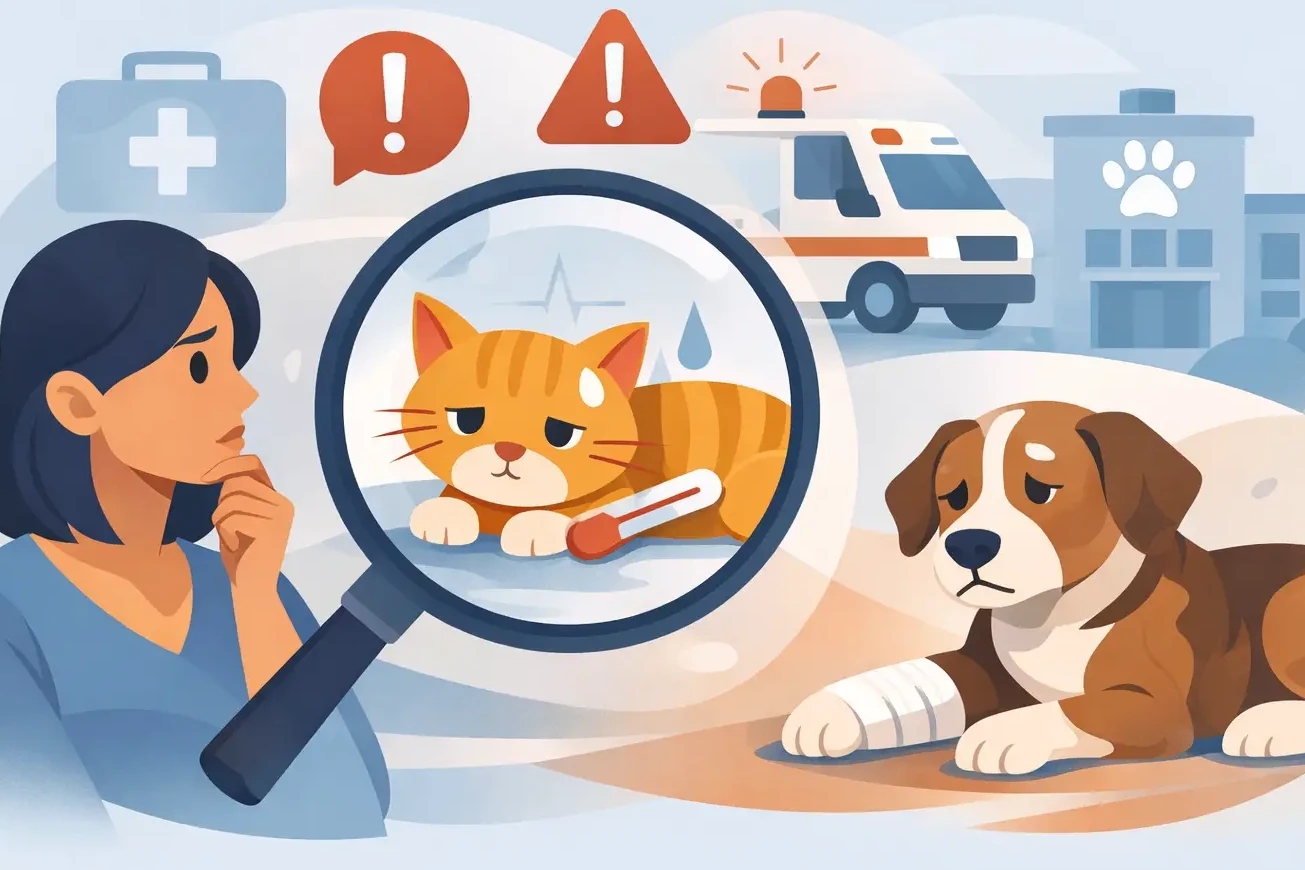
A pet can look alert after an accident and still be in serious trouble. That is what makes hit by car pet management so stressful for families – the injuries you can see are only part of the picture, and the most dangerous problems are sometimes internal.
When a dog or cat is struck by a vehicle, the first priority is safety, then rapid veterinary assessment. Even if your pet gets up, walks away, or seems to settle down after a few minutes, shock, internal bleeding, head trauma, lung injury, and fractures may not be obvious right away. Quick action can protect your pet from a situation that worsens over the next hour.
Hit by car pet management starts at the scene
Your pet may be frightened, in pain, and not thinking clearly. Even the gentlest dog or cat may bite or scratch when injured. Approach slowly, speak softly, and do not rush in if traffic is still moving. If possible, move your pet and yourself out of the roadway first.
If your pet is conscious, use a towel or blanket to help contain them and prevent sudden movement. For smaller pets, a sturdy flat surface like a board, baking sheet, or flattened box can help support the body during transport. For larger dogs, a blanket used like a stretcher can reduce twisting and make lifting safer.
Try not to pull on a limb, neck, or tail. If there is heavy bleeding, apply gentle pressure with a clean towel or cloth. If your pet is struggling to breathe, avoid wrapping the chest tightly. The goal is not perfect first aid. The goal is getting to veterinary care quickly without causing more injury.
What to do on the way to the veterinarian
Call ahead if you can. A veterinary team can prepare for your arrival and guide you on immediate next steps during transport. That matters in trauma cases, where minutes can make a difference.
Keep your pet as still and warm as possible. Shock can lower body temperature, and injured pets often become cold quickly. A light blanket is usually helpful, but avoid overheating. If your pet is unconscious, position them carefully on their side unless breathing seems easier another way.
Do not offer food, water, or medication. A pet with internal injuries may vomit, aspirate, or need sedation, imaging, or surgery soon after arrival. Human pain medications are especially dangerous and should never be given unless a veterinarian has specifically instructed you to do so.
Signs your pet needs emergency care immediately
After being hit by a car, any pet should be evaluated by a veterinarian as soon as possible. Some signs make the situation even more urgent.
Difficulty breathing, pale or white gums, weakness, collapse, crying out in pain, obvious fractures, dragging limbs, seizures, severe bleeding, a swollen abdomen, or confusion all point to possible life-threatening trauma. Cats may hide signs of distress, so a quiet cat is not always a stable cat.
There is also a common gray area that pet owners struggle with. Maybe your dog is walking but limping. Maybe your cat ran under a bed and now seems withdrawn. Those situations still deserve prompt medical attention. A pet does not have to be visibly critical to have serious chest injury, abdominal trauma, or a pelvic fracture.
Why symptoms can show up later
This is one of the hardest parts of hit by car pet management. Families naturally look for obvious wounds, but delayed symptoms are common.
A pet may initially seem normal because adrenaline is masking pain. Internal bleeding can start slowly and become more dangerous over time. Bruising to the lungs may worsen in the hours after impact. Head trauma can lead to changes in behavior, balance, or alertness that are not immediate.
That is why observation at home is not a safe substitute for a veterinary exam after a vehicle strike. Trauma patients often need imaging, bloodwork, pain control, and repeated assessment to understand the full extent of injury.
How veterinarians evaluate a pet after a car accident
The first step is stabilization. Your pet’s breathing, circulation, pain level, temperature, and neurologic status are assessed right away. Oxygen support, IV fluids, wound care, and emergency pain management may begin before a full workup is complete.
Once your pet is stable enough, diagnostics help identify injuries that cannot be seen from the outside. X-rays may show fractures, chest trauma, or a ruptured diaphragm. Ultrasound can help detect abdominal bleeding or organ injury. Bloodwork provides important information about shock, blood loss, and organ function. In more complex cases, advanced imaging such as CT may be recommended to evaluate the head, spine, or complicated fractures.
Treatment depends on the injuries involved. Some pets need monitoring, pain control, and restricted activity. Others need emergency surgery, fracture repair, wound management, or hospitalization for oxygen and intensive care. It depends on where the impact occurred, the size of the pet, the speed of the vehicle, and how quickly care begins.
Common injuries after a pet is hit by a car
Soft tissue trauma is common, but it is rarely the only concern. Fractures of the pelvis and limbs are frequent, especially in dogs who are struck and thrown. Cats may suffer jaw injury, chest trauma, or internal damage even when external wounds are limited.
Lung bruising can interfere with oxygen exchange and may worsen over several hours. Bladder rupture or abdominal bleeding may not be obvious without imaging. Head trauma can cause unequal pupils, disorientation, or seizures. Spinal injury may lead to weakness, pain, or paralysis.
Road rash and skin wounds also need careful treatment. What looks like a scrape can hide deeper tissue damage or contamination that increases infection risk later. Proper cleaning, pain control, and follow-up care can make a significant difference in healing.
Hit by car pet management at home after treatment
Once your pet goes home, recovery often requires patience and close observation. Restrict activity exactly as instructed. That may mean crate rest, leash walks only, help getting in and out of the house, or preventing jumping on furniture. Pets often feel better before they are fully healed, and too much activity too soon can set recovery back.
Give medications exactly as prescribed and do not add over-the-counter products without checking first. Watch for changes such as rapid breathing, worsening pain, loss of appetite, vomiting, swelling, trouble urinating, confusion, or reluctance to move. Those signs can mean your pet needs to be rechecked quickly.
Follow-up visits matter. Repeat exams and imaging may be needed to monitor healing, adjust pain control, or decide whether surgery or rehabilitation would improve function. In some trauma cases, physical rehabilitation can support strength, mobility, and comfort during recovery.
The emotional side of trauma care
Families often replay the accident over and over. That reaction is normal. Pet emergencies are frightening, and many owners feel guilt even when the event happened in seconds and was impossible to prevent.
The most helpful next step is focusing on care, not blame. Your pet needs calm handling, timely treatment, and a recovery plan you can realistically follow at home. A veterinary team should help you understand what is urgent, what is uncertain, and what progress should look like over time.
Prevention is not perfect, but it helps
Not every accident can be prevented, but some risks can be reduced. Secure fencing, leash use, carriers for cats, and careful door and gate habits all matter. Pets recovering from surgery or those with anxiety are sometimes more likely to bolt, which is worth addressing early.
Microchipping and current ID tags are also important. If an injured pet becomes disoriented and runs after an accident, identification can speed up reunion and treatment.
When a pet is hit by a car, there is no harmless version of that event. The safest choice is always immediate veterinary evaluation, even if your dog or cat seems stable at first. At AV Veterinary Center, pets and the people who love them are met with both compassion and advanced medical care, because trauma cases need reassurance and real answers at the same time. If you ever face this kind of emergency, trust your instincts and get help fast.