

When Should Kittens See a Vet? First-Year Plan
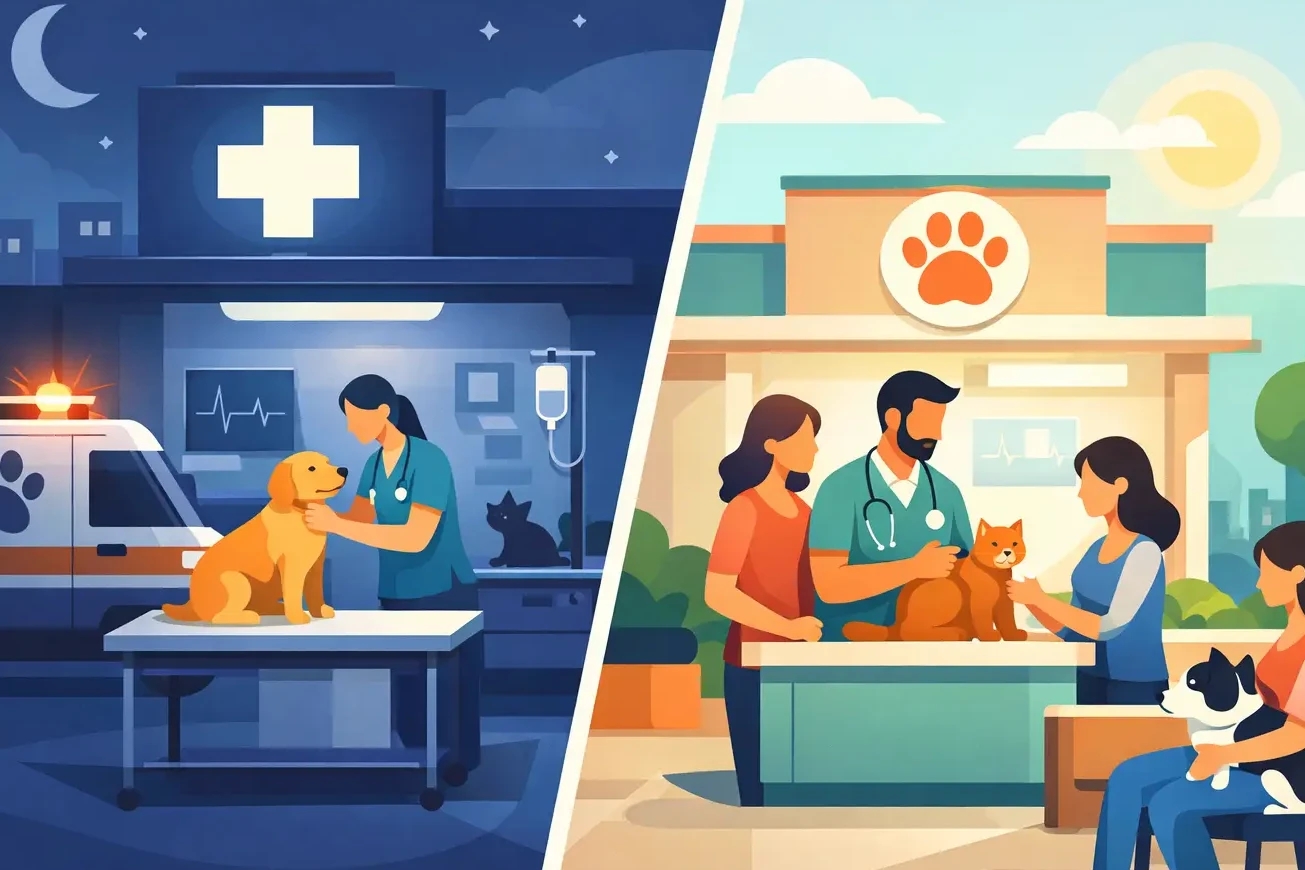
A kitten can look perfectly healthy while carrying intestinal parasites, developing an upper respiratory infection, or missing early nutrition needs. For families searching “when should kittens see vet,” the safest answer is: schedule a first exam as soon as possible after bringing your kitten home, ideally within the first few days.
That first appointment is more than a quick checkup. It gives your veterinary team a baseline for your kitten’s health and creates a plan for vaccines, parasite prevention, nutrition, spaying or neutering, and the rapid changes that happen during the first year of life.
When should kittens see a vet for the first time?
Kittens should have a veterinary exam at about 6 to 8 weeks of age, or immediately after adoption if they are older than that and have not been examined. A kitten adopted from a shelter, rescue, friend, or private home may have received some care already, but it is still wise to arrange an exam with your own veterinarian promptly.
If your kitten is younger than 6 weeks, contact a veterinarian for guidance. Very young kittens have special needs around feeding, warmth, weight gain, and parasite control. Orphaned kittens, kittens who are not nursing, and kittens with a mother who seems ill need timely professional attention.
The first visit allows the veterinarian to perform a complete physical exam, listen to the heart and lungs, check the eyes and ears, assess hydration, look for congenital concerns, and evaluate body condition. Your veterinarian may also recommend a fecal test to check for common intestinal parasites and testing for feline leukemia virus and feline immunodeficiency virus based on your kitten’s history and risk factors.
The kitten visit schedule during the first year
Kittens need several wellness visits because their immune systems are still maturing. Maternal antibodies passed through nursing can interfere with vaccines early on, which is why a single vaccine appointment is not enough to provide reliable protection.
Most kittens begin a vaccine series around 6 to 8 weeks of age and return every 3 to 4 weeks until they are about 16 weeks old. The exact schedule depends on your kitten’s age, health, previous records, lifestyle, and local disease risks.
Core vaccines generally protect against serious feline viral illnesses, including feline panleukopenia, herpesvirus, and calicivirus. Rabies vaccination is also required by law in many areas and is a vital protection for both pets and people. Depending on exposure risk, your veterinarian may recommend additional protection, such as feline leukemia vaccination for kittens who will go outdoors, live with other cats, or could encounter unfamiliar cats.
These repeat visits are also useful for monitoring healthy growth. A kitten may double or triple in size surprisingly quickly. Changes in weight, appetite, stool quality, coat condition, or behavior can reveal problems before they become more difficult and expensive to treat.
What happens at a kitten wellness exam?
A thorough kitten appointment should feel unhurried and practical. Your veterinary team will ask about your kitten’s food, litter box habits, energy level, home environment, and any coughing, sneezing, vomiting, or diarrhea. Bring any medical records you received at adoption, along with a fresh stool sample if requested.
Your veterinarian will discuss age-appropriate parasite prevention. Fleas, roundworms, hookworms, and other parasites are common in kittens, including kittens that stay indoors. Some parasites can also affect people, which makes prevention part of protecting the whole household.
This is also the right time to ask about feeding. Kittens require a complete diet formulated for growth, and they need more frequent meals than adult cats. Your veterinarian can help you choose an appropriate feeding amount based on your kitten’s age, weight, body condition, and expected adult size.
When should kittens see a vet urgently?
Young kittens can decline quickly, especially when they are very small. Do not wait for a routine appointment if your kitten seems weak, stops eating, has trouble breathing, or is much less active than usual. A kitten who skips one meal may be more concerning than an adult cat who eats a little late, particularly if the kitten is under 8 weeks old.
Call a veterinarian promptly for vomiting, diarrhea, eye discharge, persistent sneezing, coughing, limping, visible wounds, swelling, or signs of pain. Diarrhea can lead to dehydration quickly in kittens, while eye infections can worsen and threaten vision without appropriate treatment.
Seek urgent or emergency care right away if you notice difficulty breathing, open-mouth breathing, pale or blue gums, collapse, seizures, severe lethargy, uncontrolled bleeding, suspected poisoning, or trauma from a fall, vehicle, or animal attack. Keep your kitten warm, quiet, and safely contained in a carrier while traveling for care.
It is understandable to wonder whether a symptom can wait. In kittens, it is usually better to call and ask than to monitor a concerning sign for too long. Early evaluation may mean a simpler treatment plan and a faster return to normal kitten play.
Spaying or neutering and planning ahead
Your veterinarian will also help you plan for spaying or neutering. The right timing can vary according to your kitten’s overall health, weight, breed, lifestyle, and household circumstances. Discuss the procedure early, even if it will be scheduled months later, so your kitten can be evaluated and prepared appropriately.
Spaying or neutering helps prevent unplanned litters and can reduce certain health and behavior concerns. Before surgery, your veterinary team will explain preoperative testing, anesthesia monitoring, pain management, recovery expectations, and how to protect the incision at home.
Microchipping is another valuable topic to address during kittenhood. Even indoor kittens can slip through a door or escape during a move. A microchip, paired with current registration details, gives a lost cat a much better chance of being reunited with family.
Making vet visits less stressful for your kitten
The early months shape how a cat feels about veterinary care for years to come. Help your kitten build positive associations by leaving the carrier out at home with soft bedding and occasional treats inside. Avoid using the carrier only when it is time for a stressful trip.
Choose a secure carrier rather than carrying your kitten in your arms. At the appointment, speak calmly and let the veterinary team guide handling. Short, positive visits during kittenhood can make future wellness exams, diagnostic testing, dental care, and treatment far easier for both you and your cat.
At AV Veterinary Center, our team provides preventive care and advanced medical support in one place, so your kitten has a trusted care team from the first exam through every stage of life. Whether your new kitten needs a wellness visit, vaccinations, parasite testing, or urgent evaluation, timely care gives them the strongest possible beginning.
Your kitten does not need to be visibly sick to benefit from seeing a veterinarian. Schedule that first visit soon after they join your family, bring your questions, and let a personalized care plan grow right alongside them.