
Cat Tumor Removal Surgery: What to Expect
Finding a new lump on your cat can turn an ordinary day into a frightening one. If your veterinarian recommends cat tumor removal surgery, the first question is usually simple and urgent: Does my cat really need this, and what happens next? The answer depends on the type of mass, where it is located, how quickly it is growing, and whether it is affecting your cat’s comfort, mobility, or overall health.
Some tumors in cats are benign, meaning they do not spread to other parts of the body. Others are malignant and can invade nearby tissue or metastasize. The challenge is that a lump cannot be judged accurately by appearance alone. A small mass can still be aggressive, while a larger one may be less concerning. That is why a thoughtful surgical plan starts with diagnosis, not guesswork.
When cat tumor removal surgery is recommended
Surgery is often recommended when a mass is growing, changing shape, causing pain, ulcerating, interfering with movement, or creating concern for cancer. In some cases, removal is advised because the location of the tumor makes future growth harder to manage. A smaller mass is often easier to remove cleanly than one that has had time to expand into surrounding tissue.
Veterinarians also consider your cat’s age, overall health, and quality of life. A young cat with a suspicious skin mass may be a strong candidate for early surgery. A senior cat with heart disease, kidney disease, or multiple medical issues may still be a candidate, but the plan may require more careful pre-surgical testing and anesthesia support. This is where individualized care matters.
Not every lump goes straight to surgery. Sometimes the first step is a fine needle aspirate, where cells are collected with a small needle and reviewed under a microscope. In other cases, a biopsy is needed to identify the tumor type before deciding how aggressive surgery should be. Imaging may also be recommended if there is concern that a mass extends deeper than it appears from the outside or if your veterinary team wants to check for spread to the chest or abdomen.
What happens before surgery
Before surgery, your veterinarian will typically perform a physical exam and recommend bloodwork. This helps assess organ function, red and white blood cell counts, and whether your cat is healthy enough for anesthesia. Depending on the situation, additional diagnostics such as chest X-rays, ultrasound, CT scan, or lymph node evaluation may be advised.
This stage can feel overwhelming, but it is one of the most important parts of treatment. Tumor surgery is not just about removing what you can see. It is about understanding what the mass is, how far it may extend, and what surgical margins are needed to reduce the chance of regrowth. For some skin tumors, that may mean taking a wider area of tissue than pet owners expect. For tumors near the face, limbs, or mammary chain, planning becomes even more important because surgeons must balance cancer control with function and healing.
Your veterinarian should also talk with you about goals. In some cases, surgery is intended to be curative. In others, it is palliative, meaning it is done to improve comfort, reduce bleeding, or help your cat eat, walk, or groom more easily even if complete cure is unlikely. Neither approach is wrong. The right decision is the one that fits your cat’s medical needs and your family’s priorities.
How cat tumor removal surgery is performed
Cat tumor removal surgery is performed under general anesthesia with close monitoring throughout the procedure. The surgeon removes the visible tumor along with a planned margin of surrounding tissue. If the mass is attached to deeper structures, the procedure may be more complex than simply lifting out a lump under the skin.
After removal, the tissue is commonly submitted to a veterinary pathologist for histopathology. This lab analysis confirms the diagnosis, tells your veterinarian whether the tumor is benign or malignant, and helps determine whether the margins are clean or if cancer cells extend to the edges of the removed tissue. That pathology report often guides the next step in care.
Some surgeries are relatively straightforward, especially for small, well-defined masses in areas with enough loose skin for closure. Others require advanced surgical technique, reconstructive planning, drains, or extended hospitalization. If a tumor is located in a difficult area or near important nerves, blood vessels, or organs, advanced imaging and a higher level of surgical support can make a meaningful difference in treatment planning.
Recovery after tumor removal
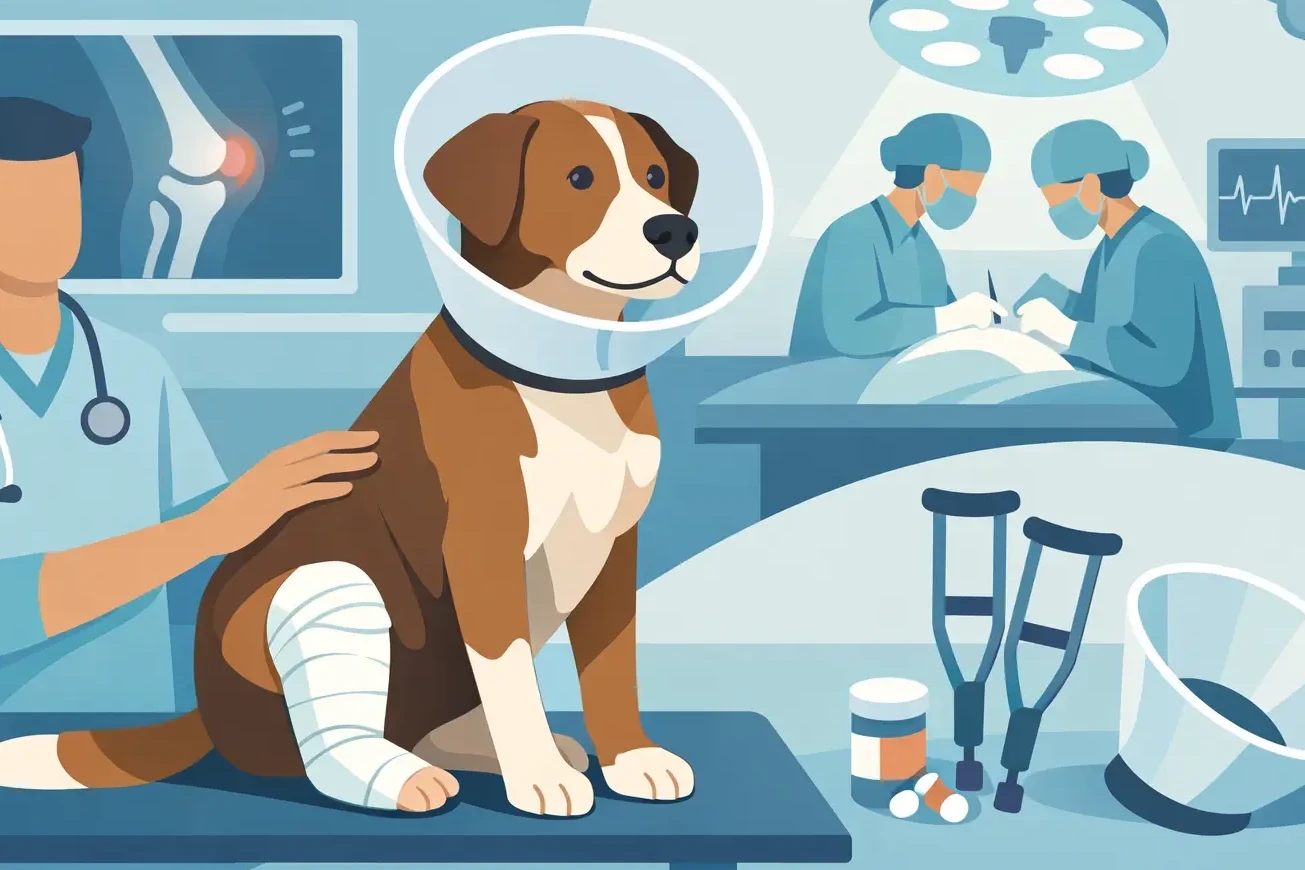
Most cats go home with pain medication, an Elizabethan collar or recovery suit, and detailed aftercare instructions. Activity restriction is usually necessary, even for cats that seem determined to act normal the next day. Jumping, climbing, or overgrooming can place strain on the incision and delay healing.
You may notice mild swelling, bruising, or a little fatigue during the first few days. That can be expected. What is not expected includes significant redness, discharge, a foul odor, gaping at the incision, refusal to eat for more than a short period, trouble breathing, or signs of severe pain. If any of those appear, your veterinary team should be contacted right away.
Recovery time depends on the tumor location, the size of the incision, and whether additional procedures were performed. A small skin mass may heal quickly. A large body wall tumor, mammary mass removal, or surgery involving deeper tissue can require a longer recovery and closer follow-up. Recheck visits are important because healing on the surface does not always tell the full story underneath.
Will surgery cure the cancer?
Sometimes yes, sometimes no. That is one of the hardest parts of this conversation, and it is also where honest guidance matters most.
If a benign tumor is completely removed, surgery may be the only treatment needed. If a malignant tumor is caught early and removed with appropriate margins before it has spread, surgery can be highly effective. But some cancers are aggressive by nature, even when removed promptly. Others are located in places where wide margins are difficult to achieve.
This is why pathology results are so important. If the report shows incomplete margins or a tumor type known for recurrence, your veterinarian may recommend a second surgery, additional staging, or referral for other therapies. The plan is not the same for every cat, and that is exactly how it should be. Good cancer care is tailored care.
Cost and decision-making
The cost of tumor removal surgery in cats varies based on diagnostics, anesthesia needs, tumor size and location, surgical complexity, hospitalization, pathology, and follow-up care. A simple mass removal is very different from a more involved oncologic surgery with imaging and advanced monitoring.
It is reasonable to ask for a treatment plan and estimate before moving forward. It is also reasonable to ask what is essential now, what may be optional, and what the likely outcomes are with and without surgery. A trustworthy veterinary team will walk you through those choices clearly.
For many families, the emotional side of the decision is just as difficult as the financial side. Pet owners often worry about putting an older cat through surgery or fear that waiting a little longer might not matter. Sometimes waiting is appropriate. Sometimes it allows a treatable problem to become harder to manage. The most helpful next step is usually an exam and diagnostic workup so decisions are based on evidence rather than fear.
Why advanced support matters
Tumor surgery is safest and most effective when it is backed by strong diagnostics, anesthesia monitoring, pain management, and post-operative care. For cats, especially seniors or medically complex patients, that support can shape both safety and recovery.
At a full-service hospital with advanced imaging and surgical capability, the care team can often move from diagnosis to treatment to recovery planning under one roof. That means less delay, fewer handoffs, and more coordinated communication for families already under stress. At AV Veterinary Center, that kind of comprehensive approach helps pet owners in Lancaster, Palmdale, and the Antelope Valley make informed decisions with confidence and compassion.
If you have found a lump on your cat, the best next step is not to panic or wait for it to declare itself. It is to have it evaluated early, ask clear questions, and build a plan that protects both your cat’s health and quality of life.