When a dog or cat is recovering from a serious wound, surgery, or traumatic injury, healing is not always as simple as rest and medication. Some pets need extra support to improve oxygen delivery to damaged tissues and help the body repair itself more effectively. That is where hyperbaric oxygen therapy for pets can play an important role.
This advanced treatment is designed to increase the amount of oxygen available in the bloodstream and tissues. In veterinary medicine, that can make a meaningful difference for pets dealing with difficult wounds, inflammation, swelling, infections, and certain emergency conditions. For families, it offers something equally important – another evidence-based option when a pet needs more than standard care alone.
What is hyperbaric oxygen therapy for pets?
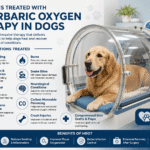
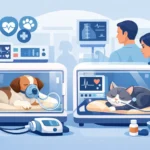
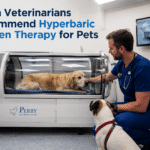
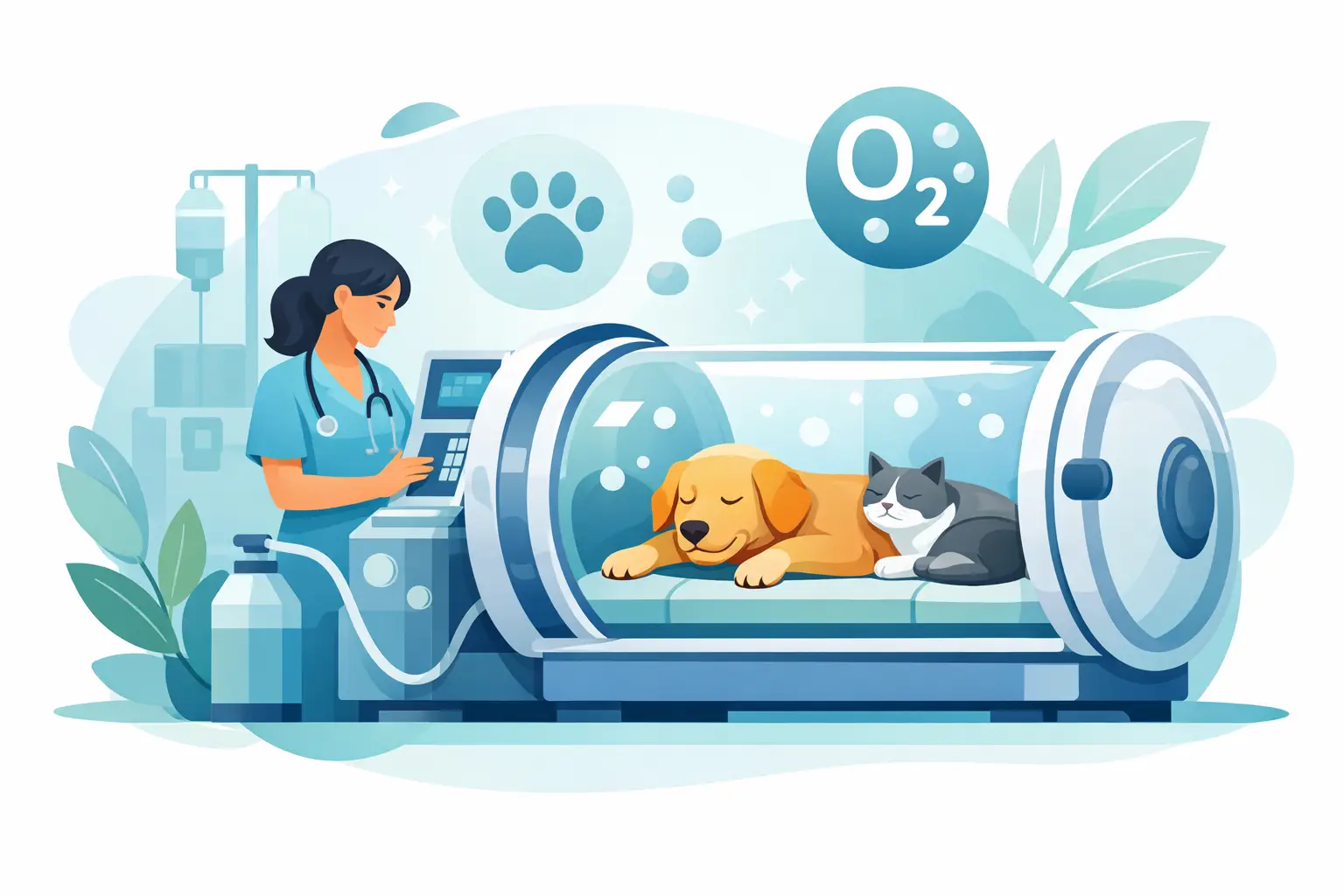
Hyperbaric oxygen therapy, often called HBOT, involves placing a pet in a specially designed chamber where they breathe highly concentrated oxygen under increased atmospheric pressure. Under these conditions, oxygen dissolves into the blood plasma at higher levels than it would under normal room air. That extra oxygen can then reach tissues that may be compromised by injury, poor circulation, swelling, or infection.
The goal is not to replace surgery, antibiotics, pain management, or other necessary treatments. Instead, hyperbaric oxygen therapy for pets is typically used as part of a broader treatment plan. It supports the body’s natural healing processes and can be especially helpful when tissue recovery is slow, complicated, or at risk.
This therapy is used in both human and veterinary medicine, and its value comes from a straightforward principle – tissues heal better when they receive enough oxygen.
How hyperbaric oxygen therapy helps the body heal
Oxygen is essential for cellular repair. It helps support tissue regeneration, immune function, and the body’s ability to control infection. When a pet has swelling, trauma, or damage to blood vessels, oxygen delivery to the affected area may be reduced right when it is needed most.
By increasing oxygen availability, HBOT may help decrease swelling, improve tissue oxygenation, and support the growth of new blood vessels. It can also enhance certain aspects of white blood cell function, which matters when infection is part of the picture. In some cases, it may help limit tissue loss in areas that are injured but not beyond recovery.
That does not mean every pet will need it, or that every condition responds the same way. The benefit depends on the diagnosis, the timing of treatment, and the pet’s overall health. Used thoughtfully, though, it can be an important tool in advanced veterinary care.
When might a pet need hyperbaric oxygen therapy?
Not every wound or surgical recovery calls for HBOT. Many pets heal well with traditional medical management. But some situations are more complex, and that is where this therapy becomes worth discussing.
Pets may benefit from hyperbaric oxygen therapy after severe bite wounds, crush injuries, burns, skin flaps, or surgical procedures where tissue healing is a concern. It can also be considered for pets with significant inflammation, infections involving difficult-to-heal tissue, complications after trauma, and certain neurologic or post-operative cases.
In emergency medicine, time matters. Tissues deprived of oxygen can deteriorate quickly, and early intervention can sometimes improve outcomes. In surgical and rehabilitation settings, HBOT may be recommended to support recovery and reduce complications in pets that need extra healing support.
Because each case is different, the decision is based on a veterinary exam, diagnostic findings, and the broader treatment plan. A pet with a minor incision may not need this level of care. A pet recovering from major trauma or extensive surgery may.
What treatment sessions are like
For many pet owners, the idea of a hyperbaric chamber sounds intimidating at first. In practice, treatment is carefully controlled and monitored by trained veterinary professionals.
During a session, a pet is placed in the chamber for a set period of time while pressure is gradually adjusted. The experience is designed to be calm and safe. Many pets tolerate therapy well, especially when the team takes the time to assess stress levels and individual needs.
The number of sessions depends on the condition being treated. Some pets may only need a small series of treatments, while others with more serious injuries or surgical recovery needs may benefit from repeated sessions over time. The treatment plan is tailored to the pet rather than applied as a one-size-fits-all protocol.
Owners should also know that HBOT is not something to pursue casually or without supervision. Proper case selection, monitoring, and medical oversight matter. Like any advanced therapy, it works best when used for the right reasons and in the right setting.
The benefits and the realistic expectations
One of the biggest advantages of hyperbaric oxygen therapy for pets is that it can support healing in cases where tissue is under stress. This may translate into better wound healing, reduced swelling, improved tissue viability, and support for recovery after surgery or trauma.
For some pets, that can mean a smoother recovery or a lower risk of complications. For others, it may help preserve tissue that might otherwise struggle to heal. It can also complement other advanced services, including surgery, imaging, rehabilitation, and ongoing wound management.
Still, realistic expectations are important. HBOT is not a cure-all, and it does not eliminate the need for a complete medical workup. A pet with an infection still needs the right diagnosis and treatment. A pet with a surgical problem still needs surgical planning. A pet with major trauma often needs intensive supportive care on multiple fronts.
That is why this therapy is most valuable in a hospital setting where it can be integrated into a larger, medically sound plan. The best results usually come from combining advanced tools, careful monitoring, and individualized care.
Is hyperbaric oxygen therapy safe for dogs and cats?
When delivered under veterinary supervision, HBOT is generally considered safe for appropriately selected patients. Safety starts with screening. Your veterinarian will consider your pet’s condition, medical history, and whether this therapy is a good fit.
There are situations where caution is needed. Certain respiratory issues, untreated conditions, or individual risk factors may affect whether a pet is a candidate. That is one reason this treatment should always be recommended and managed by a qualified veterinary team.
For pet owners, the most helpful approach is to ask direct questions. Why is HBOT being recommended? What is the goal? How many sessions are likely needed? What other treatments are being used alongside it? Clear answers help families make informed decisions and feel more confident about the plan.
Why advanced care under one roof matters
When a pet is facing a complicated recovery, convenience is not just about saving time. It can directly affect how quickly care happens and how well treatment is coordinated. If diagnostics, surgery, rehabilitation, and supportive therapies are available in one facility, the medical team can respond faster and communicate more effectively.
That matters for pets with urgent wounds, post-operative complications, neurologic concerns, or injuries that need close follow-up. It also matters for families who are already under stress and do not want to piece together care from multiple locations.
At AV Veterinary Center, hyperbaric oxygen therapy is part of a broader commitment to comprehensive veterinary medicine. When a pet needs advanced support, treatment can be guided by a team that understands the full picture, from imaging and diagnosis to surgery, recovery, and rehabilitation.
How to know when to ask about HBOT
If your pet has a severe wound, is recovering slowly after surgery, has experienced major trauma, or is dealing with tissue healing concerns, it is reasonable to ask whether hyperbaric oxygen therapy could help. The key is not to assume it is necessary, but not to overlook it when a case is more complicated than expected.
A good veterinary team will explain whether this therapy fits your pet’s condition or whether another approach makes more sense. That kind of honesty matters. The right plan is the one that serves your pet’s actual medical needs, not the most advanced option on paper.
When your dog or cat needs help healing, oxygen can be more than a basic necessity – it can be part of a carefully guided path toward recovery, comfort, and a better outcome.