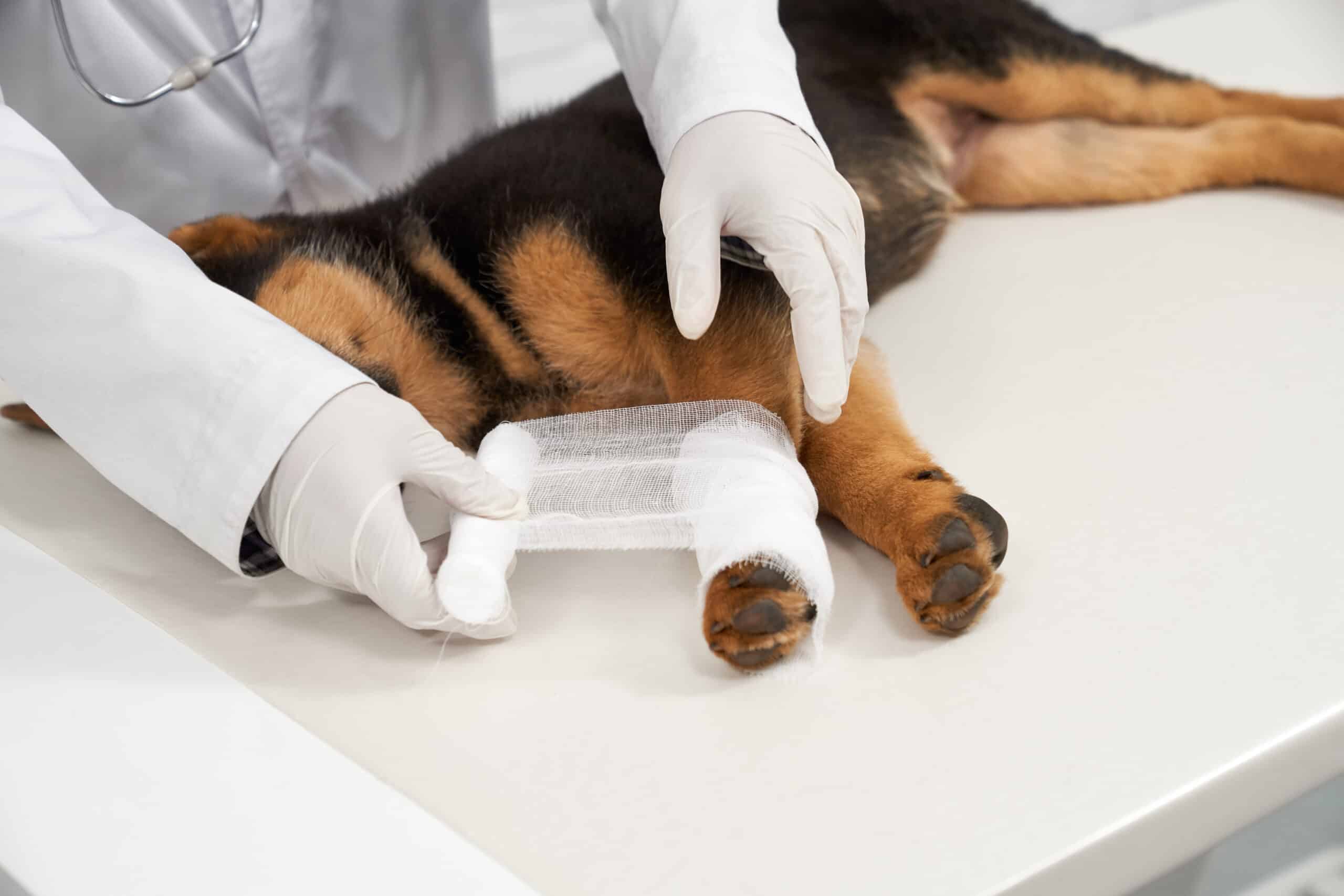
Is Tightrope Knee Surgery Safe for Dogs? What Every Pet Owner Must Know – Seeing your energetic furry friend suddenly limp or see them struggle to jump or run can be really heartbreaking. A torn CCL (ACL, as it’s called in humans) is more than just an injury; it’s something that can take away your pet’s happiness and freedom. When this key ligament inside their knee gets torn, the joint becomes unstable and painful, and if it is not treated, it could result in arthritis over the long term. Fortunately, there are new surgical methods that can help your pet regain their mobility. Tightrope knee surgery is one of the most innovative options available.
Are you asking yourself if tightrope knee surgery for dogs is safe and effective? You’re definitely not the only one. A lot of dog owners need to learn more about the operation, its advantages, and what the recovery process is like before deciding. Knowing how tightrope dog knee surgery is done can give you the assurance that the treatment plan for your pet is the right one.
What Is Tightrope Knee Surgery?
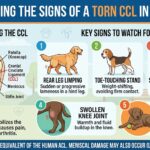
Tightrope knee surgery treats a torn cranial cruciate ligament (CCL) in dogs. The CCL is key to keeping the knee stable. Once it breaks, the joint becomes loose, causing discomfort, limping, and trouble walking.
The tightrope technique restores the functionality in your pet’s knee by replacing the torn ligament with a strong, synthetic suture, which basically acts as a “tightrope”. It is a breakthrough as it is less invasive compared to other methods and leads to the pet’s faster and smoother recovery in many cases. While performing the operation, veterinary surgeons rely on the latest technology to guarantee the utmost precision and successful creation of a stable joint that lets your pet move in a pain-free manner.
Unlike other traditional techniques, tightrope dog knee surgery aims at stabilizing the knee externally without meddling with the bone structure. This way, natural joint movement stays intact, but at the same time, the support for the healing process is provided.
“Quick diagnosis and proper operative intervention greatly enhance the mobility and joint wellness of the affected dog for a long time following CCL injury.”
Is Tightrope Knee Surgery Safe for Dogs?
Most frequently, one of the owner’s biggest worries is whether the tightrope knee surgery will be safe for their dog. Usually, the reply is affirmative.
On the condition that the operation is done by a qualified veterinary surgeon, the tightrope knee surgery for dogs is generally recognized as a safe and effective technique. Most of the time, it has been employed in veterinary orthopedic medicine and has proved effective in restoring the knee joint stability.
This technique is aimed at reducing tissue injuries and avoiding any major bone cutting. That is why it’s the least invasive option among various surgical methods. Resultantly, lots of dogs have speedy recoveries and experience little discomfort after their operations.
However, in the case of surgery, there are always risks involved. Possible issues include getting infected, having implants broken, or other factors causing wounds to heal more slowly. Luckily, these cases are very rare as long as the correct methods of surgery and care after surgery are used.
When Is Tightrope Surgery Recommended?
Usually, vets suggest tightrope dog knee surgery to dogs that have been found to have a torn CCL (cranial cruciate ligament), especially when the injury results in an unstable knee joint. It might help these sorts of dogs:
- Small to medium-sized dogs with CCL injuries
- Active dogs that need strong joint support
- Pets that are not ideal candidates for more invasive procedures
- Dogs experiencing pain or lameness due to ligament damage
Besides carrying out a detailed orthopedic evaluation, your vet may also use the help of diagnostic methods like X-rays to verify the diagnosis prior to recommending tightrope knee surgery for dogs.
Benefits of Tightrope Knee Surgery
Tightrope knee surgery is usually preferred by veterinarians and pet owners since it not only promises shorter recovery but also offers several benefits over the traditional approaches in several ways.
- Minimally Invasive Technique
Traditional methods usually involve bone-cutting and repositioning, whereas the tightrope method only requires the use of exclusive implants and sutures to stabilize the knee.
- Less Postoperative Pain
Since the operation hardly harms the tissues around the area, the dogs’ healing time after the less invasive surgery tends to be shorter in comparison.
- Better Joint Stability
Tightrope surgery for a dog’s knee uses a synthetic suture that serves as a substitute ligament that supports the joint and brings back the usual motion.
- Lowered Pain Levels
The operation, by largely stabilizing the knee joint right away, contributes to lowering the pain and discomfort that results from a ligament injury.
- Retention of Mobility
After returning to a normal condition following a tightrope knee surgery for dogs, most dogs can walk, run, and play without any problems.
Recovery After Tightrope Knee Surgery
Strict follow-up care after tightrope dog knee surgery is a must for the best outcome. The majority of dogs start to feel better a few weeks post-op, but total therapy lasts for months. In the meantime, the pup’s movements should be regulated very well to avoid accidents or injuries.
- Dogs must stay inactive for several weeks.
- Only short, controlled walks are allowed at first.
- Running, jumping, or playing hard is not allowed.
- Veterinarians require visits to monitor progress.
- Slow, guided exercises help rebuild strength.
Most dogs regain normal movement after surgery and recovery.
Helping Your Dog Avoid Future Knee Problems
Surgery fixes torn ligaments, but prevention keeps joints healthy long-term.
- Keep your dog at a healthy weight.
- Offer steady exercise without pushing too hard.
- Skip high-impact sports for dogs with weak knees.
- Have regular vet visits on schedule.
- Fix early signs of limping right away.
These actions protect joints and lower injury chances.
Conclusion
A torn CCL can affect how well your dog moves and lives daily. Tightrope knee surgery is safe and new, helping hold joints together with less damage. When issues are caught early, skilled surgery happens, and care during healing is managed well.
Many dogs fully recover and go back to playing and enjoying life as usual. If you have any doubts that your dog’s knee issue may have resulted in injury, go to your vet, who will help identify if tightrope dog knee surgery is the suitable method to treat your furry family member.
FAQs
Is tightrope knee surgery fatal for dogs?
Absolutely not! Tightrope knee surgery for dogs is safe and very effective to remedy CCL tears as long as an experienced veterinarian and surgery team perform it.
How much time does it take to recover after tightrope dog knee surgery?
Based on evaluations, most dogs recover between 8 and 12 weeks, but a dog’s complete rehab program could take several months, depending on how bad the injury is.
Is tightrope knee surgery an option that is less invasive than the rest?
Absolutely. Tightrope knee surgery involves removing very little tissue and is therefore less invasive than some other types of surgery. Besides that, it does not involve cutting or repositioning of the bones.
Is tightrope knee surgery a procedure that all dogs can get?
Although very few, not all dogs meet the criteria. The veterinarian will consider your dog’s physique, level of activity, and health status to determine if the surgery is the appropriate one.
After my dog’s tightrope knee surgery, will the dog be able to walk normally?
After surgery and rehabilitation, most dogs are able to walk, run, and play with no difficulties or functional limitations.