
Bloat (GDV) in Dogs: Life-Threatening Condition Requiring Surgery
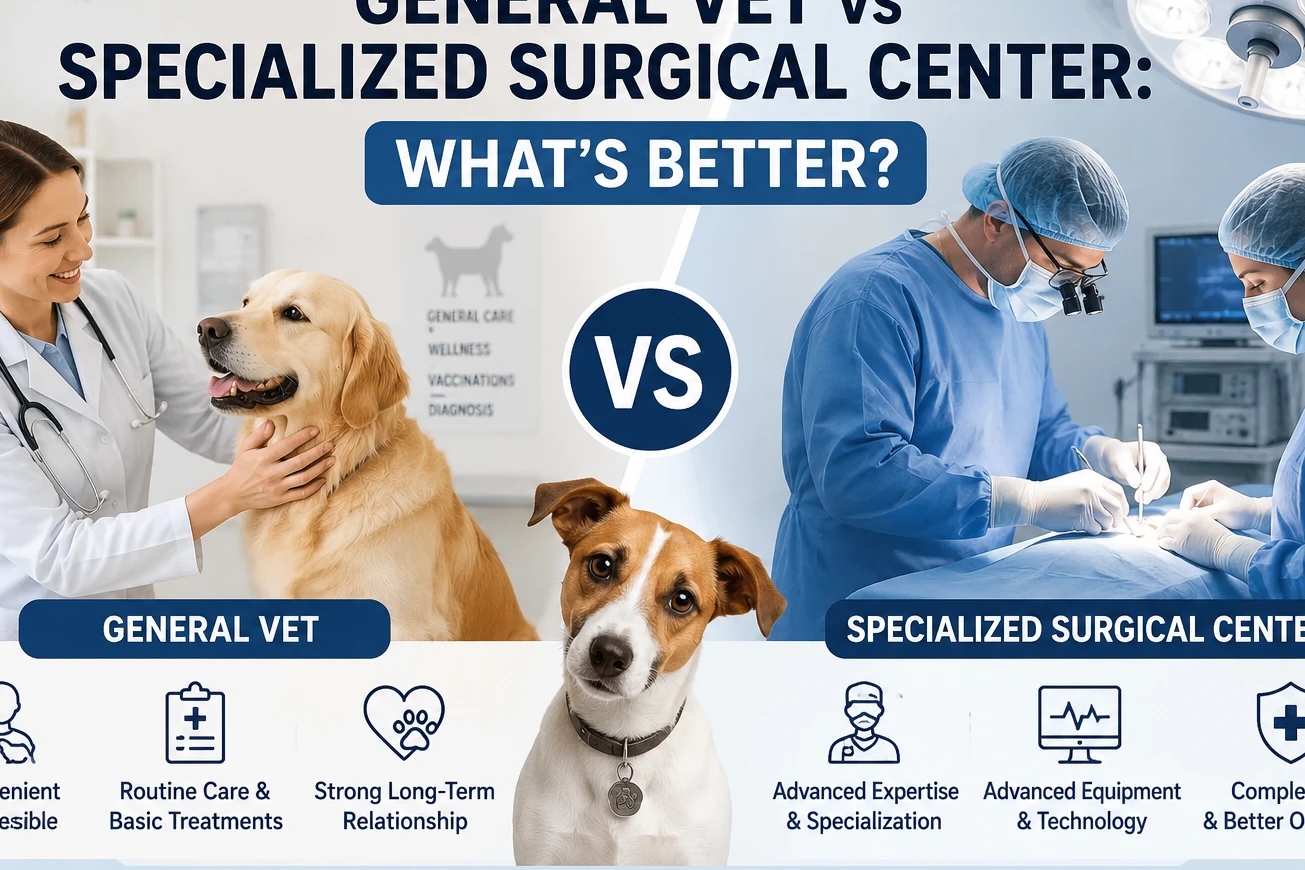
Bloat (GDV) in Dogs: Life-Threatening Condition Requiring Surgery – Gastric bloat or GDV is often regarded as one of the most life-threatening emergencies in dogs. Gastric Bloat or GDV occurs when a dog develops a stomach bloated with food, air, or fluid and rotates on itself. This can result in a great loss of blood circulation and, if the dog is not taken to a veterinarian for immediate treatment and possible surgery, it could lead to death within hours.
Larger, deep-chested breeds are more prone to the condition, but any breed can be affected by it.
What Is Bloat (GDV) in Dogs?
Gastric Dilatation-Volvulus (GDV) occurs when the stomach distends, rotating and trapping gas inside it, which inhibits normal blood flow. Increased pressure can result in damage to vital organs, and shock ensues. GDV is slightly different from simple bloat as the stomach twisting makes the condition much more serious and usually needs an emergency operation.
The following breeds are predisposed to GDV: deep-chested breeds, Greyhounds, Irish Wolfhounds, Great Danes, German Shepherds, Standard Poodles, Dobermans, and Weimaraner. However, smaller dogs can also be affected.
“GDV should never be allowed to progress without medical and surgical intervention.”
Common Symptoms of GDV in Dogs
As GDV is a rapidly progressing condition, if found early, it can make a huge difference in prognosis, and for this reason, the early signs are essential for diagnosis. The most common signs to look out for are:
- Bloating/Distended Abdomen
- Gagging without vomiting (dry heaving)
- Salivating more than usual
- Restlessness, pacing
- Fast breathing or panting
- Weakness or collapse
- Pale gums
- Signs of abdominal pain
It is often reported by owners that their dogs are highly anxious and distressed and unable to settle before severe symptoms have developed.
Causative and Risk Factors
While it is not known for sure what causes GDV, there are several known factors:
- Large Meals and Rapid Eating
If a dog eats quickly or only has a single large meal per day, there may be an excess of air swallowed.
- Exercise Soon After Feeding
Intense exercise after meals may increase the risk of stomach twisting.
- The Breed and Body Type of a Dog
Deep-chested dogs have more space in their bodies where the stomach can twist.
- Stress and Anxiety
Nervous and stressed dogs may be more prone to GDV.
- Age and Genetics
Older dogs and dogs with a genetic predisposition are more at risk of developing GDV.
Reasons Why GDV Needs Emergency Surgery
GDV is regarded as a true veterinary emergency since the twisted stomach impedes the flow of blood through the body while trapping gases within it. In some instances, with time, the stomach tissues may begin to die, and other organs like the spleen will be affected.
Initially, veterinarians stabilize the dog with intravenous fluids, oxygen, and medication, and perform the process of stomach decompression. At the same time, surgery is required whereby the stomach is untwisted and its blood flow restored. Gastropexy involves suturing the stomach to the abdominal wall, preventing it from twisting again.
In extreme cases, parts of the stomach or the spleen will be surgically removed due to tissue death.
Recovery After GDV Surgery
Recovery largely depends on how quickly treatment begins. The chances of recovery tend to be much higher for pets receiving timely medical attention. Pets will have to stay in the hospital for monitoring, administering fluids, and monitoring possible complications like heart arrhythmias and infections.
The majority of animals successfully recover from the condition. Statistics indicate that more than 80 percent of dogs survive with timely surgical assistance.
Pet owners should be instructed to:
- Feed smaller meals more frequently
- Use slow-feeder bowls
- Restrict physical exertion both before and after eating
- Look for any signs of recurring bloat
- Follow all post-operative veterinary instructions
Bloat Prevention in Dogs
Although GDV cannot be entirely prevented, here are some techniques you may use to minimize the possibility:
- Give two or three small meals instead of one large meal
- Prevent rapid eating through puzzle feeders or slow bowls
- Avoid strenuous activity before and after meals
- Keep stress low during feeding periods
- Talk to your vet about the preventive gastropexy surgery for your dog
Gastropexy is usually suggested by veterinarians for dogs who are prone to GDV.
Conclusion
Dog bloat (GDV) is a condition that requires immediate attention and medical intervention to save the dog’s life. Early recognition of the symptoms and prompt action will increase the chances of your dog’s survival.
If you need quality emergency and surgical services, AV Veterinary Center is ready to offer the best options. AV Veterinary Center offers humane care and surgical procedures that will support your pet’s safe recovery.
FAQs
Is it possible for GDV to be fatal quickly?
Yes, GDV can be deadly in just a matter of a few hours if not treated properly. Immediate veterinary attention is essential.
Is it possible for a dog to live after GDV without surgery?
Generally, surgery is needed to correct the condition and avoid any lethal complications.
What dog breeds are at greater risk for GDV?
Breeds like Great Danes, German Shepherd, Standard Poodle, Doberman, and those deep-chested breeds are more susceptible.
What are the initial symptoms of bloat in dogs?
Agitation, retching, swollen abdomen, excessive drooling, and restlessness or pacing are some of the symptoms.
Can GDV come back?
Yes, GDV can occur again, but with gastropexy surgery, the risk is much lower.