Beyond the Cast: The Role of Physical Therapy in Your Pet’s Fracture Recovery
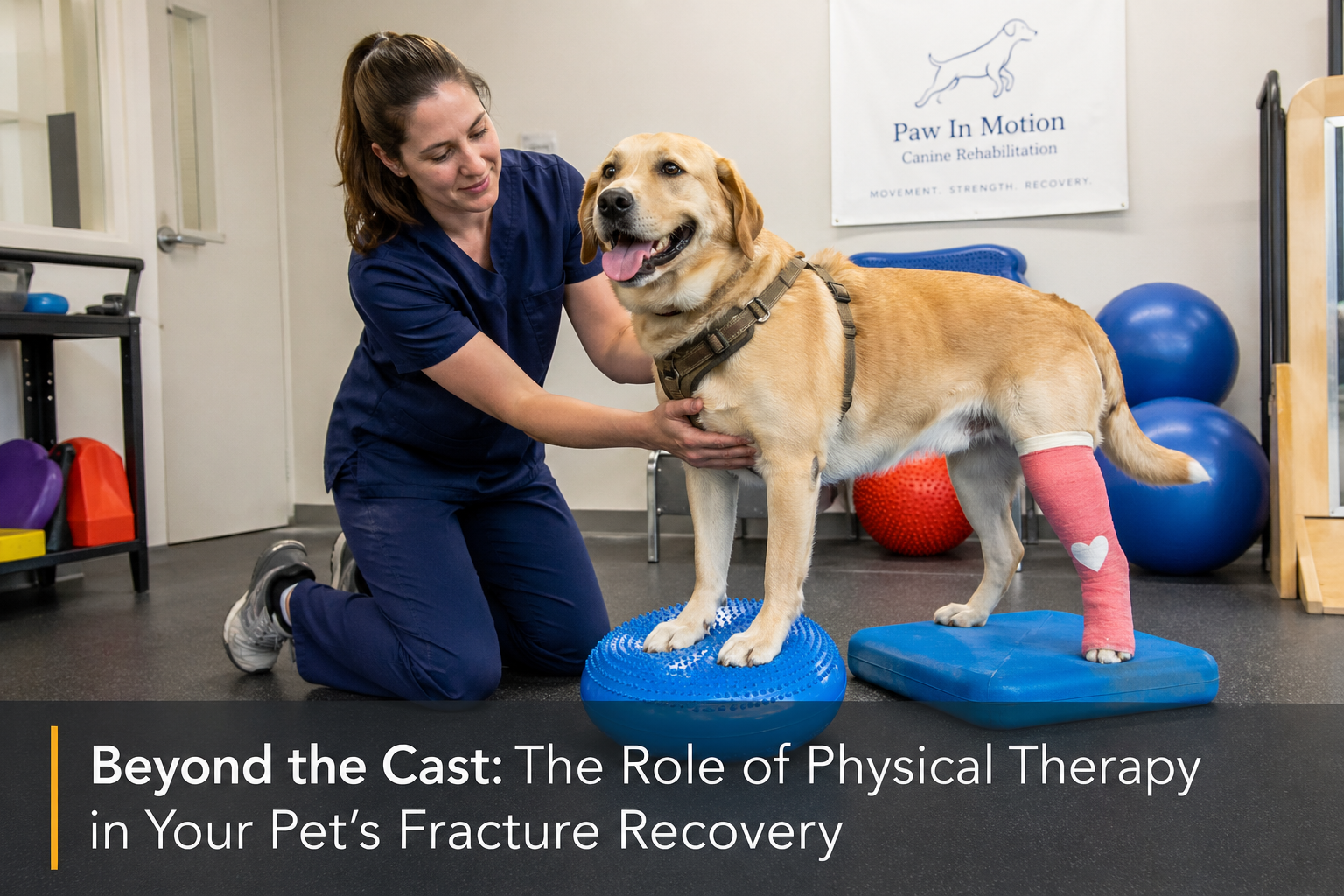
Beyond the Cast: The Role of Physical Therapy in Your Pet’s Fracture Recovery – When a pet breaks a bone, owners tend to focus on casts or surgery; however, Beyond the Cast: The Role of Physical Therapy in Your Pet’s Fracture Recovery is just as important for complete recovery. Casts, splints, and other supports help your pet’s bones heal, but they do not restore strength, flexibility, and normal movement. This is where veterinary physical therapy can be a game-changer in pet fracture recovery. Nowadays, therapy has become increasingly common in post-surgery pet care. This will allow for a much easier recovery.
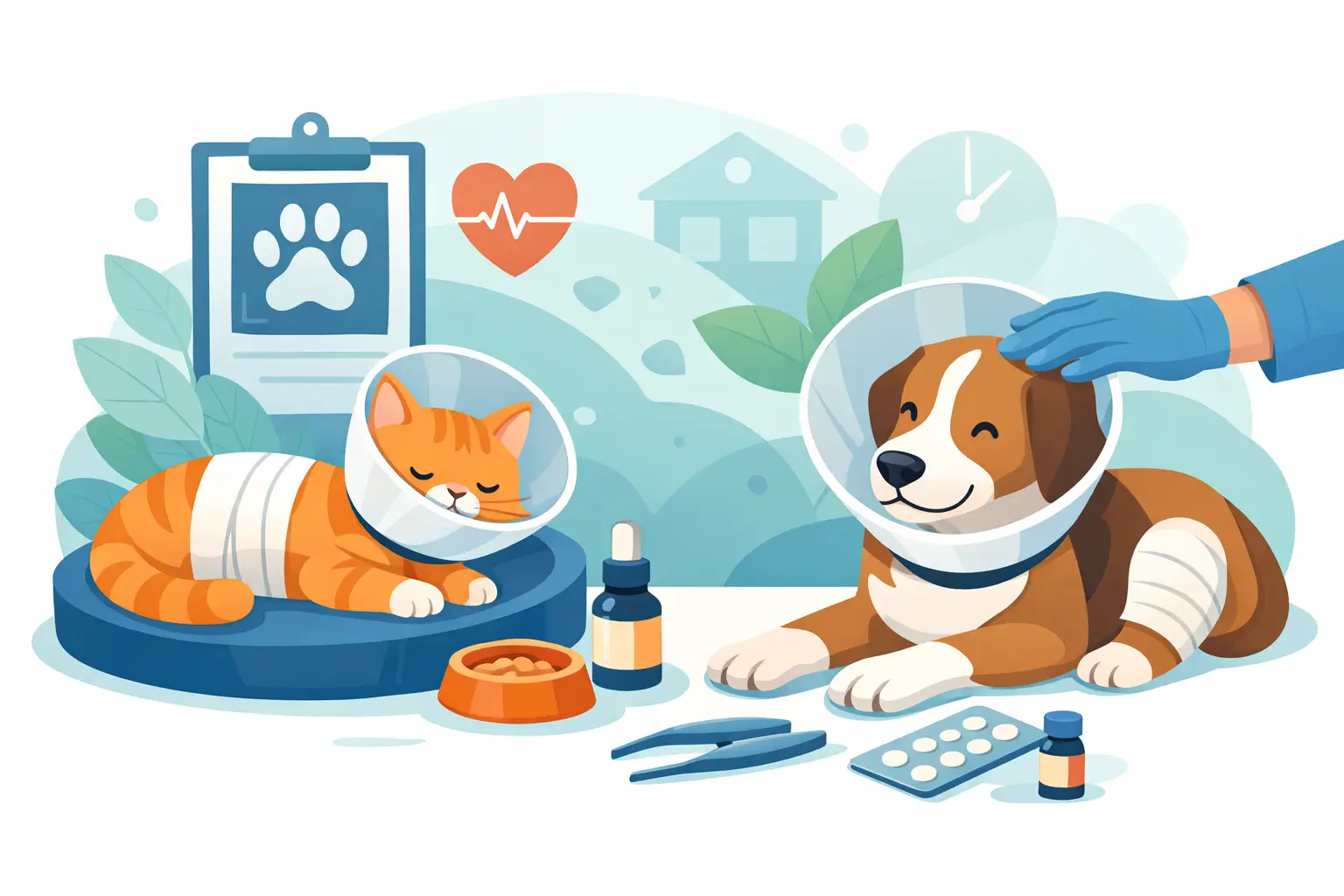
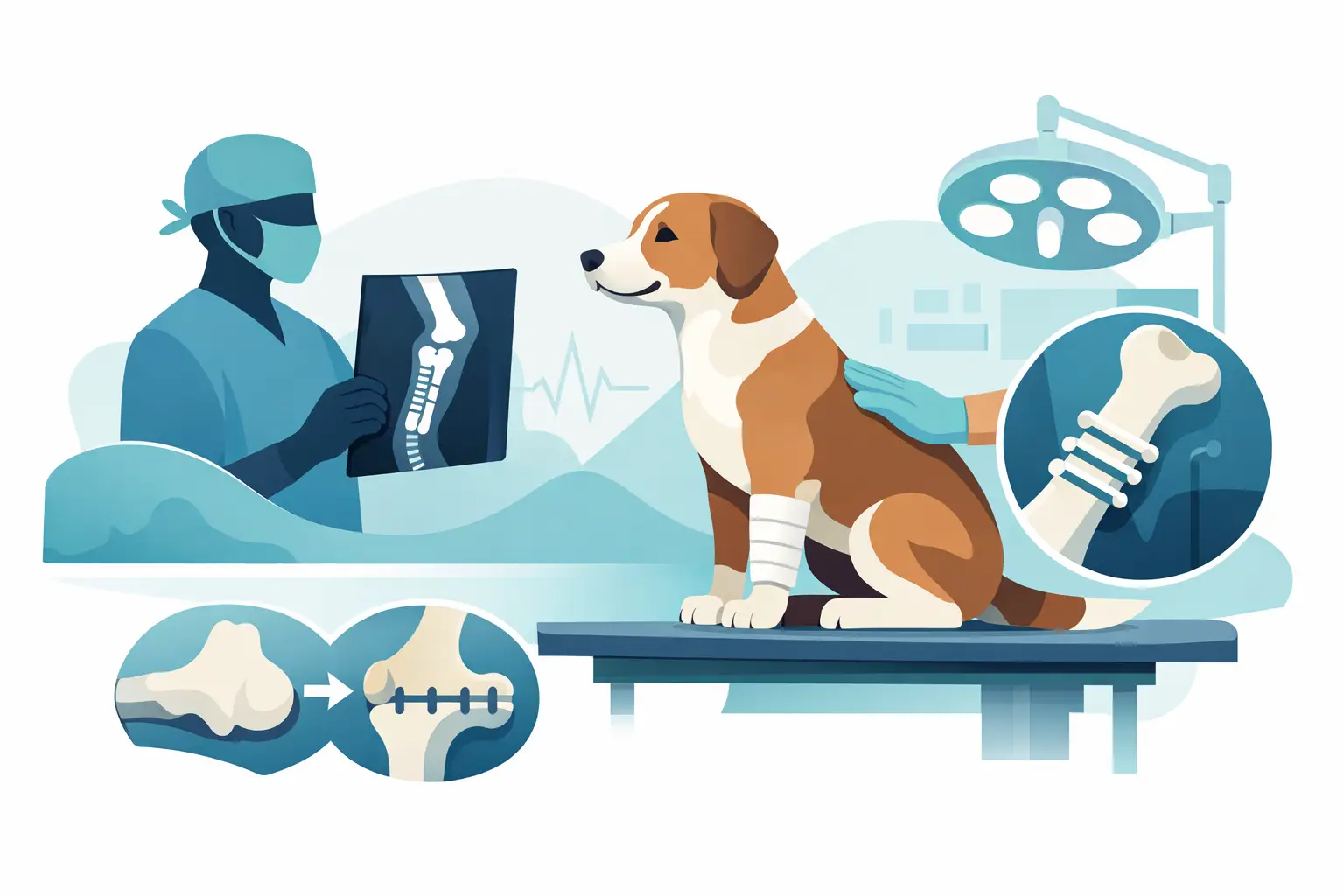
Fractures of animals – particularly dogs – are often caused by trauma, injuries, or falls. Signs of a fracture in pets include pain, swelling, and an inability to walk or bear weight on the affected limb. While surgery or casting helps dog fracture healing, the healing process is only just beginning.
True recovery is about having the strength, coordination, and confidence to move. This is why, when caring for a pet injury recovery, rehabilitation is something that should be built into the recovery process. Research has proven that combining veterinary intervention with animal physiotherapy improves results and speed of recovery.
Key Benefits: Speeding Up Pet Fracture Recovery
The purpose of veterinary physical therapy is to re-establish function and mobility with the least amount of pain and complications. It is crucial after a fracture, orthopedic procedure, or injury.
Accelerates pet fracture recovery
Prevents muscle atrophy and joint stiffness
Enhances blood flow and speeds up the healing process
Enhances balance and coordination
Experts suggest that rehabilitated animals recover more quickly and function more normally than resting animals.
“Physical therapy can help relieve pain, restore function, and improve motion in a recovering pet.
Contemporary Techniques used in Animal Physiotherapy
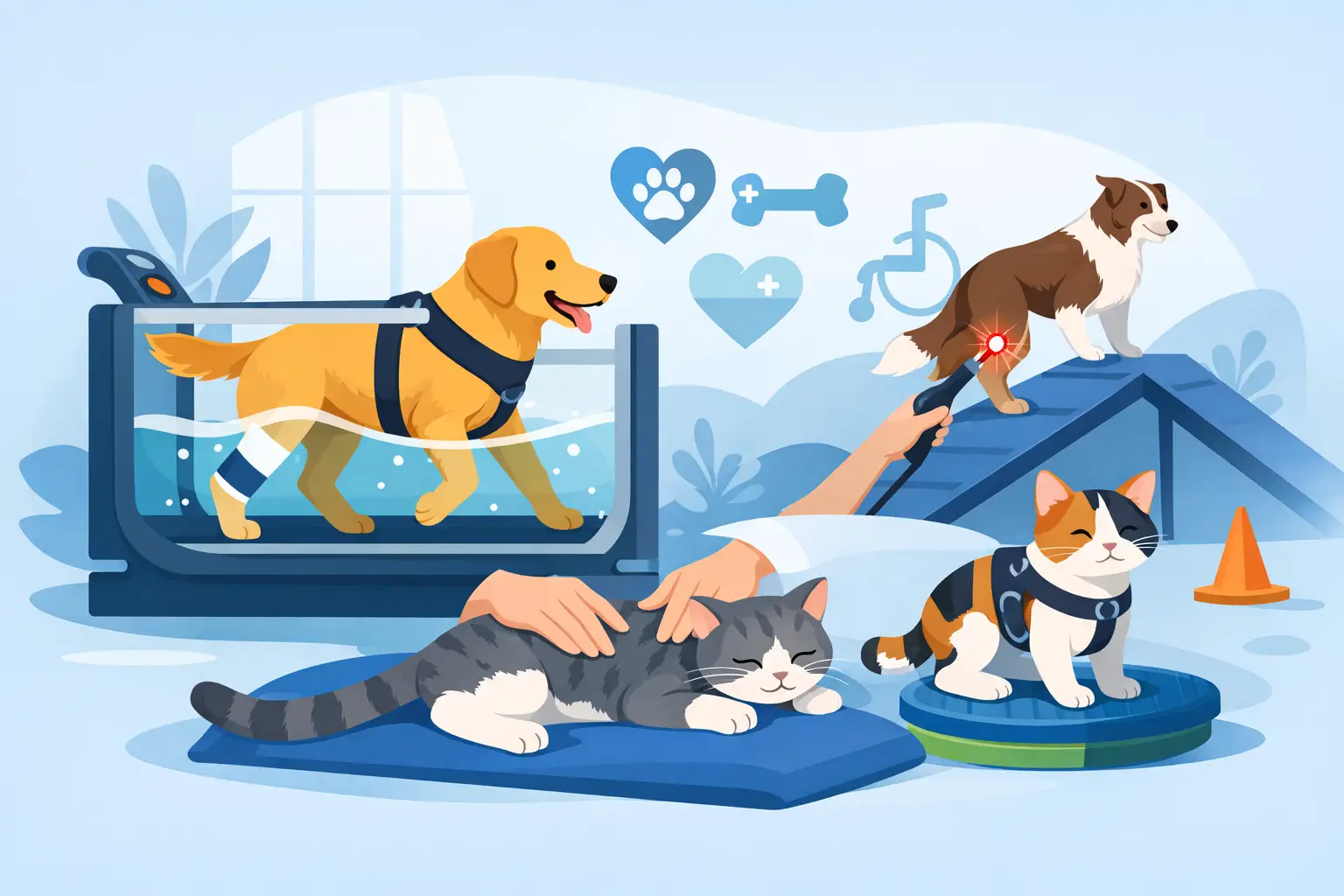
Modern animal physiotherapy uses many techniques to support healing and maintain mobility.
Hydrotherapy for Pets
Hydrotherapy is a popular rehabilitation method that has gained popularity in treating problems related to dog joints, as it allows exercise without overworking the joints, but strengthening the muscles.
Therapeutic Exercises
Controlled movements play an important role in restoring strength and coordination in the pet.
Laser Therapy
Laser therapy decreases inflammation, promotes tissue healing, and speeds up recovery from injuries.
Manual Therapy
Massage and joint mobilization help improve circulation, reduce stiffness, and increase flexibility.
Electrotherapy
Electrical stimulation techniques help to control pain and prevent muscle atrophy during rehabilitation.
The Risks of Skipping Rehabilitation
Ignoring veterinary physical therapy can lead to long-term complications, including:
Long-term stiffness
Muscle atrophy
Decreased joint mobility
Long-term limp
Prolonged inactivity can lead to ‘fracture disease’, where joints and muscles deteriorate due to lack of use. It is therefore clear to see why postoperative care should not rely on rest alone but also on structural rehabilitation.
Recovery Timeline in Canine Rehabilitation
Recovery time will depend on the severity of the injury, as well as the pet’s state of health. However, most dog rehabilitation programs progress through these steps:
Acute Phase (0-2 weeks): Pain control and minimal activity.
Early Rehab (2-6 weeks): Gentle exercises and activity
Strength Building (6-12 weeks): activity increases, and muscles rebuild.
Full recovery (more than 3 months): back to normal
Consistency in the treatment plan is essential for successful pet fracture recovery.
Evolving Trends in Veterinary Rehabilitation
The field of animal physiotherapy is evolving rapidly, with new trends improving outcomes:
Technology-Driven Therapy
More sophisticated equipment, such as laser therapy and underwater treadmills, is also becoming more commonplace in canine rehabilitation.
Personalized Treatment Plans
Rehabilitation programs are now individualized according to each pet’s age, breed, and injury.
Growing Awareness
Awareness and acceptance of therapy for pet injury recovery are increasing among pet owners.
Expansion Beyond Dogs
In addition to dogs, cats, and other animals are now benefiting from veterinary physical therapy.
Supporting Recovery at Home
Pet owners play a vital role in successful post-surgery pet care. Here’s how you can help:
Adhere strictly to your vet’s plans of rehabilitation
Avoid excessive or unsupervised activity.
Provide a safe, non-slip environment.
Ensure your pet receives a balanced diet. Proper nutrition can help improve the healing process.
Guidance from a professional is always needed when doing any exercises at home with your dog in order to help support fracture healing safely.
Conclusion
Including veterinary physical therapy in your pet’s fracture recovery can speed up healing, restore mobility faster, and improve overall quality of life. Without rehabilitation, recovery may be delayed.
For expert care and ongoing pet care during recovery, visit AV Veterinary Center. Highly trained veterinarians and staff offer high-tech treatment and personalized healing programs for your pet.
FAQs
What is veterinary physical therapy?
It is a specialized therapy that uses exercises, techniques, and treatments that work to strengthen, mobilize, and heal our animals.
How does Hydrotherapy benefit pets in recovery?
It helps reduce the stress on the joints while also building muscle strength. It is especially beneficial during pet fracture recovery.
Is rehabilitation needed after surgery?
Yes, canine rehabilitation is very important in restoring full function and preventing complications.
Can physiotherapy for animals be done at home?
Some exercises can be performed at home, but only under professional supervision.
What is the recovery time for pet injuries?
Recovery time can depend greatly on the injury, but it usually can range from a couple of weeks to a couple of months.