

From X-Ray to Treatment Plan: What to Expect When Your Pet is Diagnosed with a Fracture
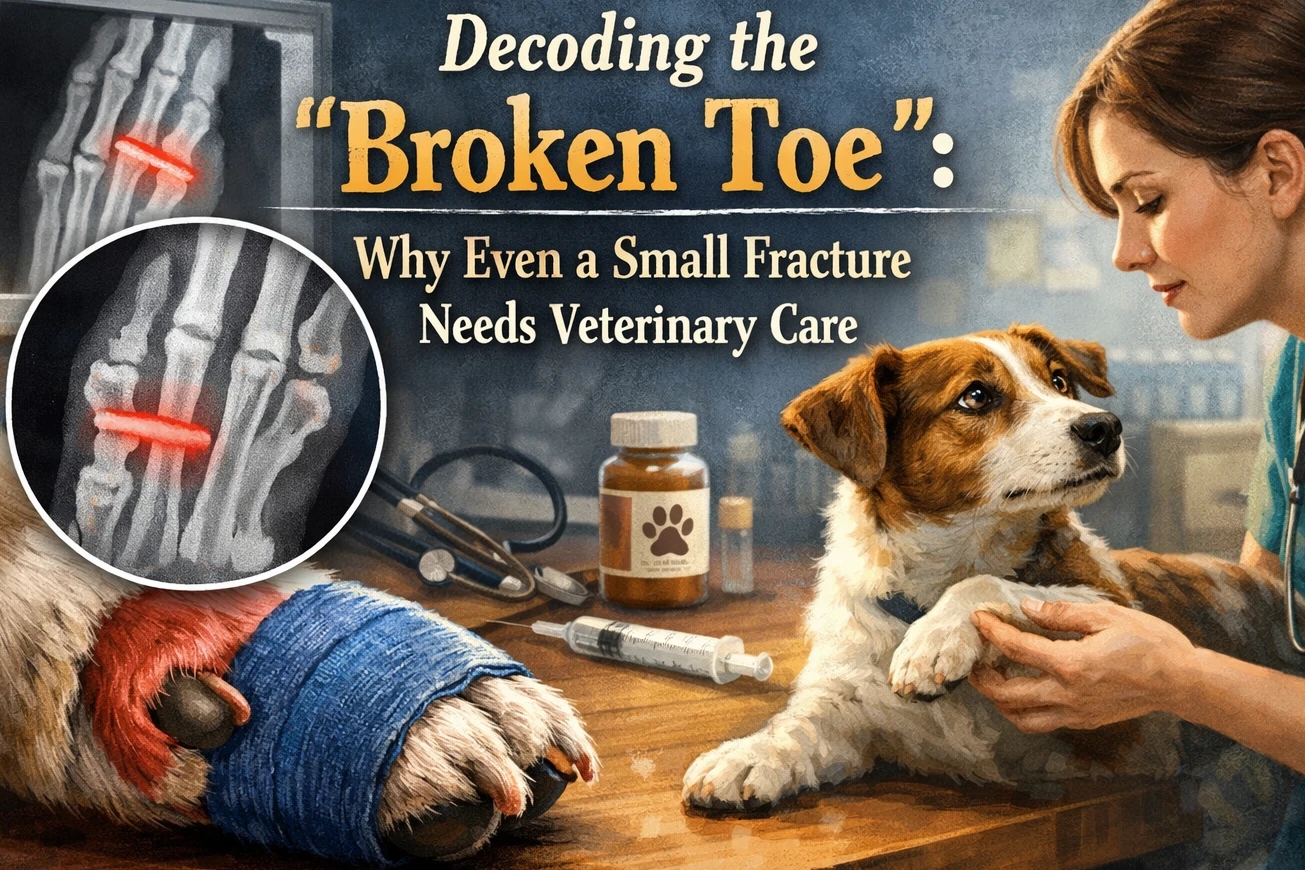
From X-Ray to Treatment Plan: What to Expect When Your Pet is Diagnosed with a Fracture – If your pet has a fall or gets injured, it is natural to feel worried and maybe even a bit confused about what the next steps should be. Pet owners should be aware of the process their pet will go through for informed decision-making and also for providing the most excellent care, including understanding the diagnosis, treatment, and recovery phases.
How X-Rays Help in Finding Fractures
One of the biggest advantages X-rays (or radiographs) offer in a vet’s practice is letting them see the pet’s skeleton, joints, and other internal features. This helps veterinarians determine whether a pet’s bones are broken or if there are dislocations or other bone problems.
The whole thing lasts only for a short time, is completely safe, and does not cause any discomfort to the pet. Sometimes, the animal is simply held in position, or they are given a light sedative so that the pictures turn out really well. X-rays produce detailed images, so they actually show the shapes and outlines of bones, and therefore, it is much easier to notice if they are broken or cracked.
Generally, X-rays are used to first ascertain that the bone is indeed broken and to even find out how serious the injury is.
The Veterinary Diagnostic Process
What is usually done is that the pet first gets physically examined, and then if the vet suspects a bone fracture, he or she will order an X-ray. The process typically involves the following steps:
- Preparing
Not much needs to be done here. Your pet will need to remain still, and, in case of pain or upset, pet sedation might be implemented.
- Imaging Procedure
Usually, an X-ray process only requires a few minutes. To get a comprehensive view of the injury, different angles might be taken.
- Image Analysis
The vet consultation gives you clear insight into the following aspects:
- Type of fracture (simple, compound, hairline)
- Location of the break
- Severity and alignment of the bone
When it is a complicated case, a veterinarian may suggest additional imaging modalities like CT or MRI for accurate diagnosis.
Types of Fractures in Pets
Different fractures have different healing potentials and treatment options; therefore, it is good to have an idea of them.
- Simple fracture – a clean break with minimum disruption to surrounding tissue
- Compound fracture – bone emerges through skin
- Comminuted fracture – bone breaks into several pieces
- Hairline fracture – a very small crack that is difficult to detect
Veterinarians use X-rays to identify a specific kind of fracture in a pet, which enables them to plan a therapy helping the pet efficiently.
Creating a Treatment Plan
After the fracture is identified, the veterinarian will create a tailored treatment plan. It mainly depends on factors such as the pet’s age, general condition, type of fracture, and also habits and lifestyle.
1. Non-Surgical Treatment
- Splints or casts
- Restricted movement
- Pain management medications
Generally, this is the case for fractures that are minor or stable.
2. Surgical Treatment
Some fractures are so severe that they cannot heal properly without surgery. Here are some examples:
- Pins, plates, or screws to stabilize bones
- External fixation devices
Surgery is one way to make sure the bones are aligned properly and help the healing occur more quickly, especially in complicated cases.
3. Pain Management and Medication
Pain relief is an essential part of healing. Your vet may give you some anti-inflammatory drugs and other meds to keep your pet at ease.
Recovery and Rehabilitation
Healing from a fracture is a time-consuming and delicate process. Here’s what to expect:
Restricted Activity
Your pet will have to move very little to avoid getting hurt again. Crate rest is one of the most common recommendations by vets.
Follow-Up Visits
In order to keep an eye on the healing and the bone alignment, you may have to get some X-rays done again.
Physical Therapy
At times, rehabilitation exercises or hydrotherapy are the way to go along with them in restoring the strength and mobility.
Recovery time depends on the individual’s case, but generally, bones heal in 6 to 12 weeks.
Potential Complications to Watch For
Besides healing well, pets may experience complications such as:
- Infections, especially after surgery
- Improper bone healing (malunion)
- Healing takes longer
- Joint stiffness or lessened mobility
These problems can be averted with early recognition and regular doctor’s visits.
How to Support Your Pet at Home
Owners of pets are a major factor in the healing process. Here are some suggestions:
- Strictly follow the medication schedules.
- Keep your pet calm and confined to a limited area.
- Check if your pet is experiencing any swelling or pain.
- Provide your pet with a comfortable resting area.
Your level of involvement and care greatly influences your pet’s recovery.
Conclusion
Understanding the journey From X-Ray to Treatment Plan: What to Expect When Your Pet is Diagnosed with a Fracture not only eases your fears but also makes sure your pet receives the necessary treatment promptly. It is very important to diagnose the condition early, treat the pet properly, and provide excellent aftercare to ensure a successful recovery.
If you want expert veterinary care and compassionate treatment, you should definitely visit AV Veterinary Center. Their highly skilled team is committed to helping animals by providing them with the most efficient medical care.
FAQs
How long does it take for a pet’s fracture to heal?
The majority of fractures heal within a period of 6-12 weeks, of course, depending on factors like severity, age, and treatment method.
Are X-rays safe for pets?
Definitely, X-rays use very low radiation levels, which makes them safe and non-invasive procedures.
Will my pet always need surgery for a fracture?
Minor fractures can usually be treated with splints, casts, and rest only. Surgery is reserved only for more complex cases.
Can fractures be missed on X-rays?
Very rarely, small or hairline fractures may not always be detectable, and in such cases, other imaging techniques are used.
How can I keep my pet comfortable during recovery?
Provide a quiet space, restrict activity, follow vet instructions, and ensure the right pain management.