
Decoding the “Broken Toe”: Why Even a Small Fracture Needs Veterinary Care
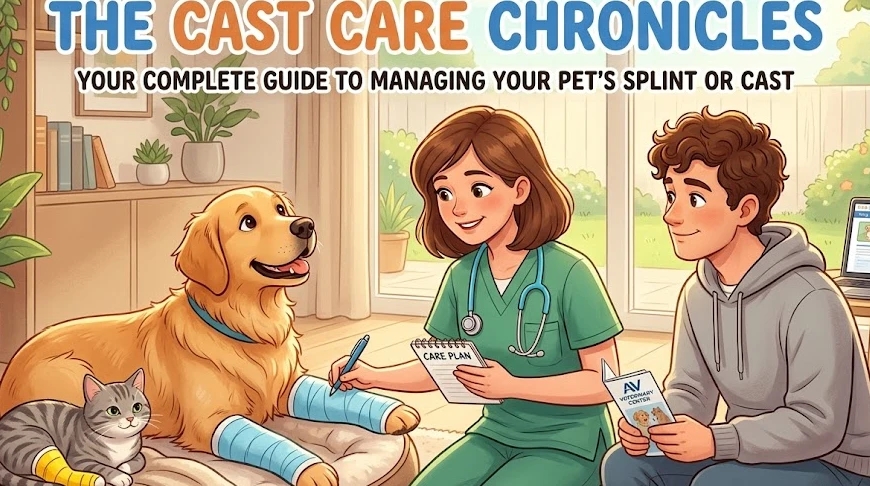
Decoding the “Broken Toe”: Why Even a Small Fracture Needs Veterinary Care – Many owners don’t realize how serious a broken toe in pets can be. Decoding the “Broken Toe”: Why Even a Small Fracture Needs Veterinary Care is crucial for understanding that even a minor injury can cause severe long-term problems if left untreated. So, whether a dog is limping after a run or a cat stays in hiding because of pain, a broken toe is not a minor issue; it requires veterinary care as soon as possible to make sure it’s healing properly and to stop any more damage from happening.
What Does a Broken Toe Mean in Pets?
Usually, a broken toe or digital fracture in your pet means that the bones of the toe have been broken or cracked in some way. These types of injuries can occur through:
- Physical trauma (e.g., being stepped on or caught in doors)
- Falling or jumping from heights
- Accidents during play or exercise
- Road accidents
Even though toes are small, they are very important for balance, movement, and distributing weight. Damage to this part can make a big difference in how your pet can move.
Signs and Symptoms of a Broken Toe
Since pets naturally hide pain, you need to watch for subtle signs. Here are the things you will see most often:
- Limping or favoring one paw.
- Swelling or bruising in the toes.
- Not wanting to walk or play.
- Licking or chewing the paws a lot.
- Visible deformity or misalignment.
If you notice these signs, it is important to have your pet examined by a veterinarian right away. Early treatment can help prevent complications that come with not healing properly or chronic pain.
Why Even a Small Toe Fracture Needs Veterinary Care
There are many reasons why you should keep the animal at the vet, even if it is only a small fracture to a toe:
- Accurate Diagnosis
A veterinarian will use X-rays to diagnose the fracture and how bad it is. It is quite possible that an injury that appears minor will turn out to be a complicated one.
- Proper Immobilization
If you don’t immobilize the extremity (e.g., via splinting or bandaging) properly, the bone may end up healing in the wrong position, which will cause a permanent deformity and eventually arthritis.
- Pain Management
Animals, like people, feel pain. A vet will be able to prescribe appropriate pain medication.
- Prevention of Infection
Not only will a fracture that is left open or an open wound unattended be a cause of infection, but it can also lead to one that will spread and spread throughout the body.
- Faster Recovery
If you opt for expert treatment, recovery will not only be faster but also more thorough, enabling your pet to resume its routine in a shorter time.
Broken Toes in Pets: Treatment Options
Depending on how serious the break is, treatment may involve:
Splinting or Bandaging: Suitable for simple fractures
Rest and Restricted Movement: Necessary for proper healing
Medications: Administration of painkillers and anti-inflammatory drugs
Surgery: Indicated for severe or displaced fractures
Follow-up Care: Periodic visits to the vet for assessing healing
The vet will decide on the specific treatment that is best for your pet after considering its current health, age, and level of activity.
At Home Care After Veterinary Treatment
After your pet has been treated by the vet, it is very important to provide them with proper care at home:
- Limit physical activity and avoid rough play
- Keeping the bandages clean and dry
- Use an Elizabethan collar to prevent licking
- Follow the medication schedule strictly
- Attend all follow-up appointments
Providing a calm and comfortable environment will help speed up your pet’s recovery.
What Happens if a Broken Toe is Ignored?
If you postpone or steer clear of getting your pet treated by a vet, it could result in very serious complications:
- Long-term pain and discomfort
- Permanent deformity
- Limited mobility
- Development of arthritis in the affected joint
- Infection or deterioration of the injury
Even a “small” bone fracture can become a big health problem if it is not treated properly.
Preventing Toe Injuries in Pets
Of course, not every mishap can be prevented, but you can still do your bit to lessen chances by:
- Keeping floors free of clutter
- Supervising outdoor play
- Regular trimming of nails
- Using protective footwear in rough areas
- Avoiding high-impact activities for small or older pets
When it comes to pet injuries, prevention is definitely better than cure.
Conclusion
Even minor injuries can severely affect one, and a broken toe is no different. Prompt veterinary attention will safeguard your pet’s comfort, ease of movement, and future health. When you need expert and compassionate pet care, AV Veterinary Center is a trustworthy vet hospital at your service for looking after your pet companions’ health and happiness.
FAQs
Can a pet’s broken toe heal on its own?
Minor fractures might heal naturally; however, improper healing is common without treatment. Veterinary care ensures proper diagnosis and correct bone alignment during healing.
How long does it take for a broken toe to heal?
Usually, it takes 4-8 weeks for a broken toe to heal, depending on the condition and the method of treatment.
Is a broken toe an emergency?
It is not usually life-threatening; however, it is good to get it treated so that the patient doesn’t suffer any unforeseen complications and pain.
How much does treatment cost?
The cost depends on the extent of the injury and can be as simple as an examination and bandaging, or even surgery and follow-ups.
How can I tell if it’s a sprain or a fracture?
A vet can only do this by physical examination and X-rays. The symptoms of a sprain and a fracture can be similar.