
Emergency Symptoms Checklist: When to Rush for Surgery
Pets can’t communicate in verbal form as humans do, so pet owners should be able to identify signs of a possible problem early. A change in behavior of your pet can indicate a serious health condition and can raise emergency symptoms in pets that may require emergency surgery, and waiting to take action can put your pet at risk and can potentially cause death.
In this blog, we will talk about the emergency symptoms checklist for your pet and when to rush to the surgery.
Why you should never ignore the symptoms in your pet
Pets often try to hide pain from themselves naturally; therefore, once your pet has displayed obvious symptoms of distress, the pet may be suffering from a severe condition. Emergency surgeries are normally performed to correct injuries, internal damage, infections or organ problems before the situation becomes much more serious.
Taking action quickly can:
- Reduce the amount of pain and suffering your pet experiences,
- Prevent your pet from experiencing serious long-term complications as a result of the above-mentioned emergencies,
- Increase the chance that your pet will recover from the emergency, and
- Save your pet’s life.
A speedy response to a pet emergency is often critical for determining the outcome whether the pet recovers fully or if the pet suffers from serious long-term health consequences.
Problems could also be occurring along with this severe bleeding. If your pet has these symptoms, get to a vet immediately because they may require special surgery.
Respiratory Distress
Breathing difficulties are always an emergency for pets. If your pet is struggling to breathe, it is imperative that you get your pet to a veterinarian immediately.
Indicators of Distress:
- Open-mouth breathing in cats
- Wheezing
- Choking sound
- Blue color of gum/tongue
- Rapid breathing.
Emergency surgery may be required in the case of airway obstruction, an injured chest, or internal injuries.
Swollen Tummy or Distended Abdomen
Swollen/circular abdomens in dogs usually mean an unsafe situation. Gastric dilatation-volvulus is a dangerous condition that may confuse doggie owners into thinking they’ll be okay.
Signs of GDV/Bloat:
- Swollen/Hard abdomen
- Restless
- Excessive drooling
- Attempting to vomit unsuccessfully
- Having Trouble Standing.
Immediate surgery is needed for this risky condition
Heavy Bleeding or Extensive Wound
Heavy amounts of bleeding should never be ignored. After an injury, fight, or accident, it is always best to get your pet treated.
Heavy bleeding emergency signs:
- Bleeding that does not stop
- Deep laceration
- Bite wounds
- Visible bones
- Pale gums
Internal bleeding may also be occurring with these symptoms and at this point, a veterinarian’s help is absolutely required.
Bone Fractures Also Known As Broken Bones
If your pet has suddenly started limping or is crying out in pain, please check to see if either of the above symptoms applies to your pet.
If you notice any of the following symptoms in addition to these conditions, contact a veterinarian right away:
- Visible fracture
- Limp and hanging incorrectly; Pet is unable to bear weight on one/limb; Increased swelling; Severe pain
In order to repair broken bones correctly, surgical treatment is generally required.
Urinary Troubles
Male cats are more likely to experience urinary problems compared to female cats. Therefore this type of emergency can potentially lead to death very quickly if it is not treated. When a pet is not able to properly urinate and have difficulties urinating can be a symptom.
Surgical procedures (such as cystotomy & urethrotomy) may need to take place as an emergency to remove blockages.
Collapse & Weakness
If your pet suddenly collapses or loses their strength & becomes extremely weak, there could be a serious medical condition (heart, poisoning, internal bleeding, or severe infection) present.
Typical symptoms are fainting, loss of balance; unresponsive; shaking or convulsions.
You should contact a veterinarian immediately for assistance.
Eye Emergency
In the event that your pet has sustained an eye emergency, please contact a veterinarian right away. If not treated right away, the problem could worsen and lead to permanent vision loss.
Typical signs of an eye emergency are swollen eyes; bleeding from one/both eyes; cloudy appearance; pawing at the face; or sudden blindness.
Most eye conditions will require either an emergency visit to the veterinarian for possible surgical procedure(s) to save vision.
Object Ingestion
Pets generally have very strong stomachs and will frequently attempt to eat/ingest anything that comes into their presence. However, this behavior can easily lead to severe digestive upsets or injuries (potentially resulting in death) which in most cases, must be dealt with via emergency surgery.
When to Go to an Emergency Animal Medical Facility
If your pet shows any of the following symptoms, seek veterinary assistance immediately:
- Sudden onset of symptoms
- Difficulty breathing
- Excessive blood loss
- Loss of consciousness
- Apparent serious injury or exposure to toxins
Waiting an unreasonable length of time may result in complications and higher expenses associated with your pet’s care.
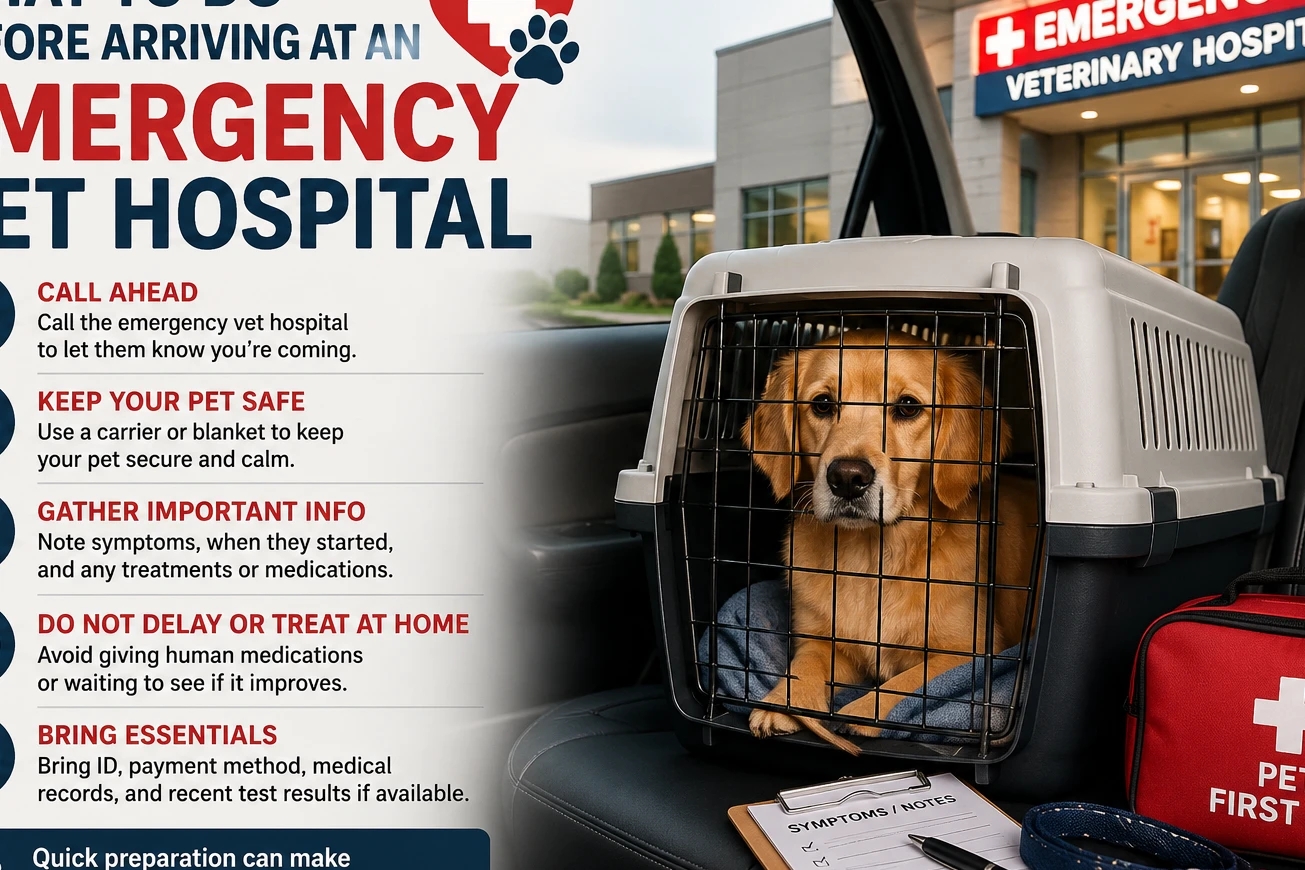
What To Do If You Are Taking Your Pet to An Emergency Clinic
While on route to the veterinarian:
- Reassure your pet and try to remain calm.
- Only give your pet food or medicine after confirming it with a veterinarian.
- Carry any injured animals in a blanket or towel, if at all possible.
- If you have time, call the emergency veterinary clinic for additional instructions before leaving your home.
Staying calm will help your pet to maintain a sense of safety as well as to reduce their level of stress.
Blockquote
Quick action during a pet emergency can save your furry friend’s life.
Final Thoughts
Recognizing the symptoms of an emergency needing surgical intervention may allow you to respond to the emergency more effectively and in turn help to reduce the risk of serious complications for your pet. Notable surgical emergency symptoms include difficulty breathing, severe vomiting, an expanded abdomen, blood loss and sudden loss of consciousness
AV Veterinary Center is a top choice for you to take your pet to get them the best treatment for surgery and regular diagnosis. Feel free to take your pet to the clinic.
Contact details
Name – AV Veterinary Center
Address – 1055 W. Columbia Way #103, Lancaster, CA 93534
Contact – 661-729-1500
E-mail – reception@avvetcenter.com
frequently Asked Questions
Where can I take my pet for the surgery?
AV Veterinary Center is a top veterinary center that can help your pet in surgery and in any other serious situation.
What Common Signs Indicate A Pet Requires Emergency Surgical Care?
Common indications include: severe vomiting, abdomen distended from gas, respiratory distress, excessive blood loss, sudden loss of consciousness.
Is A Pet’s Chance Of Survival Decreased When Emergency Surgical Needs Are Not Promptly Addressed?
Failure to address a pet’s emergency surgical needs may result in worsening of the condition and therefore will decrease the chances of recovery.
What Should You Do Before Visiting The Emergency Animal Medical Facility With Your Pet?
Keep your pet calm and do not give your pet any food or medications unless advised to do so by a veterinarian.