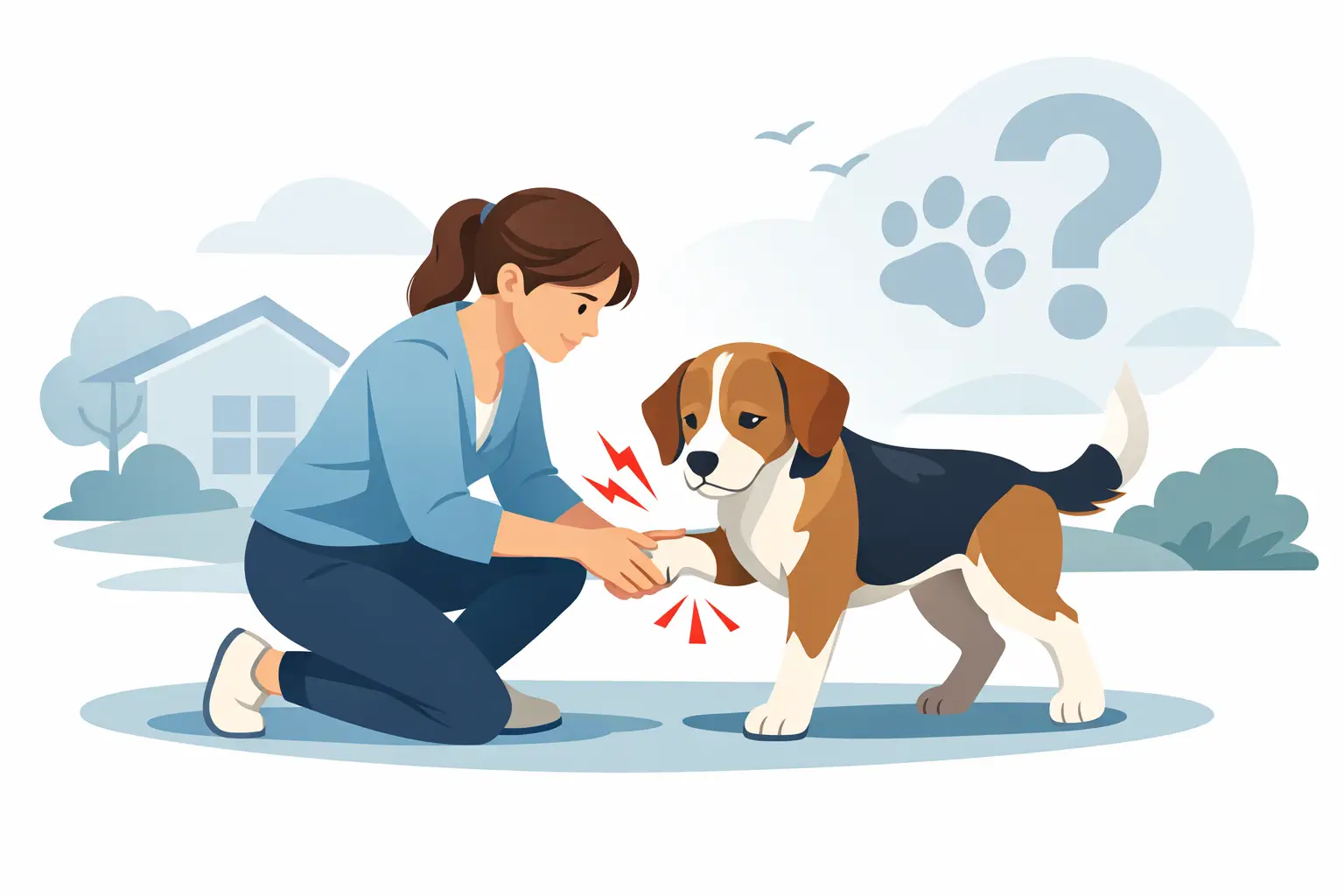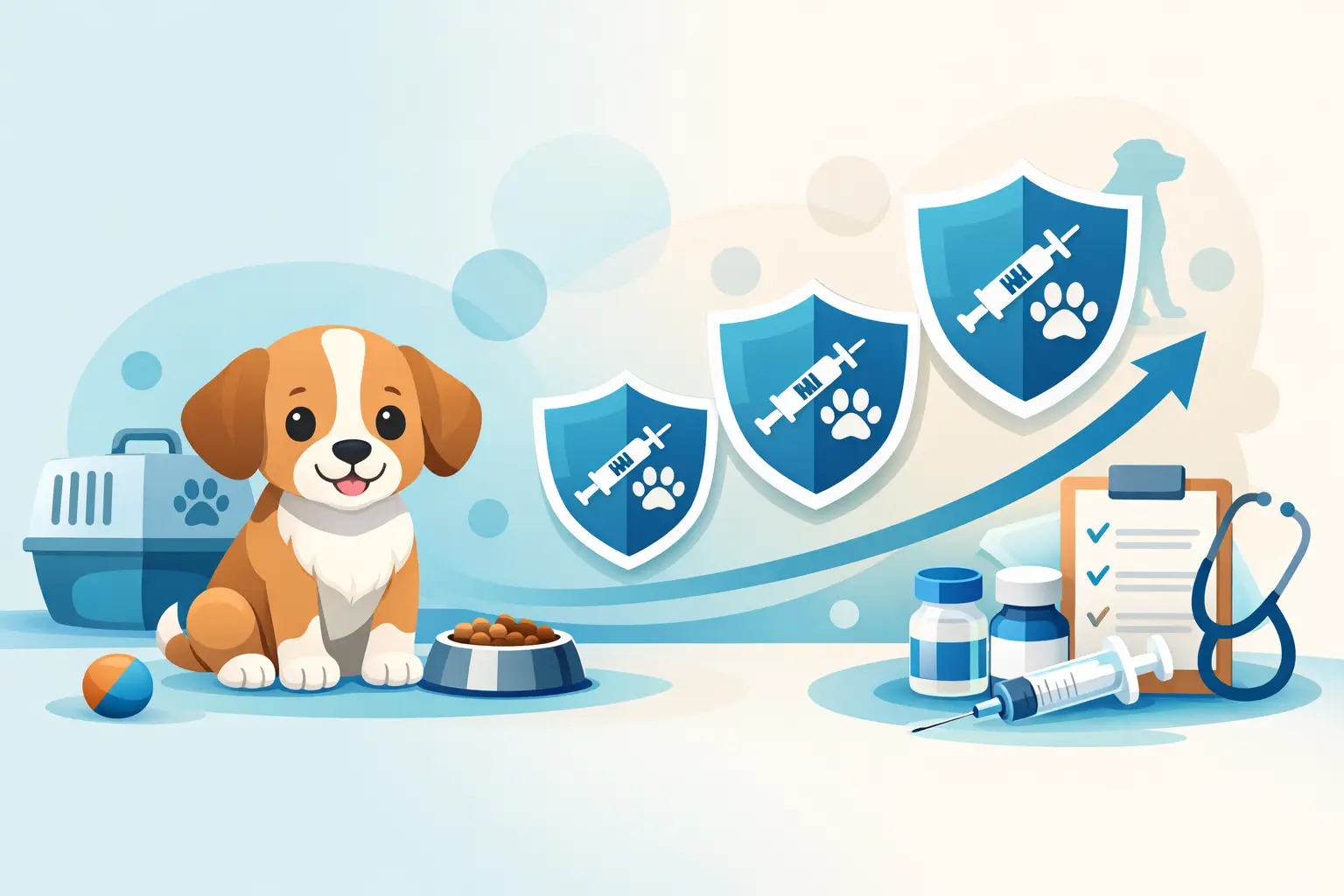
The first few months with a new puppy go by fast. One week you are choosing a collar and working on potty training, and the next your puppy is chewing everything in sight and ready for the next round of vaccines. A clear puppy vaccination schedule helps protect your dog during a time when their immune system is still developing and their risk of serious infectious disease is higher.
For many families, the hardest part is not knowing that vaccines matter. It is knowing which ones are truly needed, when to give them, and why the timing cannot be rushed or skipped. The answer depends on your puppy’s age, health, lifestyle, and local disease risks, but there are well-established guidelines that give most puppies a strong, safe start.
Why the puppy vaccination schedule starts early
Puppies are born with some protection from their mother, especially if they nurse normally in the first hours of life. Those maternal antibodies are helpful, but they do not last forever. As they fade, a puppy becomes more vulnerable to viruses and bacteria. The challenge is that maternal antibodies can also interfere with vaccines if a puppy is vaccinated too early.
That is why puppies receive a series of vaccines instead of one single appointment. The schedule is designed to cover the window when maternal protection is dropping but a puppy is not yet fully protected on their own. Missing a booster or delaying an exam by several weeks can leave a real gap in immunity.
Core vaccines most puppies need
Some vaccines are considered core because they protect against diseases that are common, severe, or both. For most puppies, the core series includes distemper, parvovirus, adenovirus, and rabies.
Distemper is a serious viral disease that can affect the respiratory, gastrointestinal, and nervous systems. Parvovirus is especially feared in puppies because it can cause severe vomiting, diarrhea, dehydration, and life-threatening illness. Adenovirus protection helps prevent infectious canine hepatitis. Rabies is required by law in many areas and protects both animal and human health.
These are the vaccines most veterinarians prioritize for nearly every puppy, even if the puppy spends a lot of time indoors.
A general puppy vaccination schedule by age
A puppy vaccination schedule by age usually begins around 6 to 8 weeks old, with boosters every 3 to 4 weeks until the puppy is about 16 weeks old. Some puppies at higher risk, or those with interrupted vaccine histories, may need a slightly adjusted plan.
6 to 8 weeks
At this stage, many puppies receive their first combination vaccine, often called DAPP, DA2PP, or a similar abbreviation depending on the product used. This vaccine generally covers distemper, adenovirus, parainfluenza, and parvovirus.
Not every puppy will need every non-core vaccine this early, but this is the age when your veterinarian will also start discussing lifestyle risk. A puppy who will attend daycare, training classes, groomers, dog parks, or boarding facilities may need broader protection than a puppy staying mostly at home.
9 to 12 weeks
Your puppy will usually receive the next booster in the combination series during this window. This booster matters. It is not just a repeat shot. It is part of the process that helps the immune system respond at the right time as maternal antibodies continue to fade.
This is also when some puppies begin non-core vaccines such as Bordetella or leptospirosis, depending on risk factors. Bordetella may be recommended for puppies who will be around other dogs. Leptospirosis is often advised in areas where wildlife exposure, standing water, or certain environmental risks are present.
12 to 16 weeks
Another booster in the core series is commonly given during this period. Many puppies also receive their rabies vaccine around 12 to 16 weeks, based on state law and veterinary guidance.
For some puppies, leptospirosis or canine influenza may be added if lifestyle and local disease patterns support it. There is no single one-size-fits-all answer for every household. A puppy living in an apartment and rarely exposed to other dogs may have different needs than a puppy hiking, boarding, or socializing frequently.
16 weeks and beyond
Some puppies need a final booster at or after 16 weeks, particularly for the core combination vaccine. This timing is important because it helps ensure protection after maternal antibodies are expected to be gone.
After the initial series is complete, your veterinarian will recommend the first adult booster schedule, often one year later for many vaccines. From there, vaccine timing may vary based on the specific vaccine, your dog’s age, medical history, and risk profile.
Non-core vaccines and when they make sense
A complete puppy vaccination schedule is not only about the standard shots. It is also about deciding whether non-core vaccines are appropriate.
Bordetella is commonly recommended for puppies that will be around groups of dogs. It can help reduce the risk of kennel cough, although it does not prevent every cause of coughing illness. Canine influenza may be worth considering for dogs with frequent social exposure, especially in regions with known outbreaks. Leptospirosis deserves careful discussion because it can affect both dogs and people, and exposure can happen through contaminated water or wildlife.
The key point is that more vaccines are not automatically better. The right vaccines are the ones that match your puppy’s real risk. That is why a veterinary exam matters at each stage. A medically sound plan is more useful than a generic checklist.
Why timing matters more than many owners realize
It can be tempting to postpone an appointment because your puppy seems healthy, your schedule is busy, or you plan to catch up later. Unfortunately, preventable diseases do not wait for convenience. Parvovirus, for example, can spread in environments where infected dogs have been, and young puppies can become critically ill very quickly.
There is also a practical issue. If too much time passes between boosters, your veterinarian may recommend restarting or extending part of the series to make sure your puppy is properly protected. That can mean more visits, more cost, and a longer period before your puppy is safely ready for broader social activity.
What to expect at vaccine visits
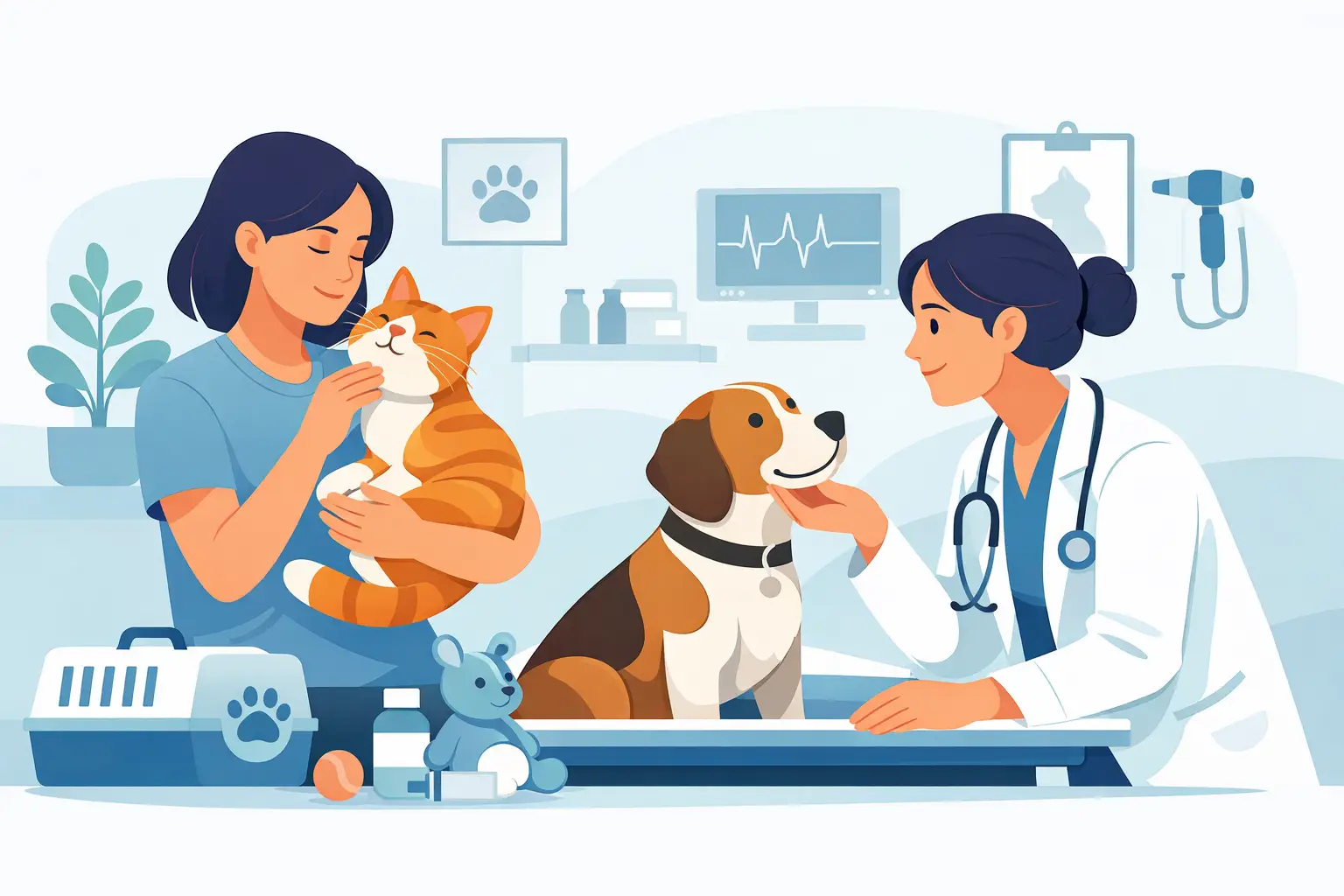
A vaccine appointment is more than a shot visit. Your veterinarian will usually assess weight, growth, body condition, temperature, heart and lung health, and overall development. It is also a chance to talk about stool testing, deworming, flea and tick prevention, nutrition, teething, behavior, and safe socialization.
This is one reason families benefit from working with a full-service hospital instead of treating vaccines as a quick errand. Preventive care works best when it is part of a broader health plan, especially during the rapid changes of puppyhood.
Can puppies go outside before they finish vaccines?
This is one of the most common questions, and the answer is nuanced. Puppies still need early socialization and exposure to the world, but that exposure should be controlled until the puppy vaccination schedule is complete.
In general, it is wise to avoid high-risk areas such as dog parks, pet store floors, shared potty areas with unknown dogs, and any place where vaccination status is uncertain. Safer options include your own yard if it is low risk, being carried in public spaces, meeting healthy vaccinated dogs you know, and attending veterinarian-approved puppy classes with sanitation and vaccine requirements.
The goal is balance. You do not want to isolate a puppy during a key developmental window, but you also do not want to expose them carelessly before immunity is established.
When to call your veterinarian after vaccines
Most puppies do well after vaccination. Mild sleepiness, temporary soreness, or a small amount of swelling at the injection site can happen. These signs are often brief.
Call your veterinarian right away if your puppy has facial swelling, hives, repeated vomiting, trouble breathing, collapse, severe lethargy, or any reaction that feels more than mild. While serious vaccine reactions are uncommon, they should be addressed promptly.
Building a schedule that fits your puppy
The best puppy vaccination schedule is one tailored to your dog, not copied from the internet without context. Breed, age, previous vaccine history, health status, travel, household pets, and lifestyle all matter. Local disease patterns matter too, especially when it comes to leptospirosis, Bordetella exposure, and rabies requirements.
At AV Veterinary Center, we help families in Lancaster, Palmdale, and across the Antelope Valley build vaccine plans that are practical, medically appropriate, and easy to follow. That includes not only routine wellness care, but also the diagnostic and advanced support pets need if illness ever does develop.
A good vaccine plan does more than check a box. It gives your puppy a safer start, gives your family peace of mind, and creates the foundation for a healthier life together.