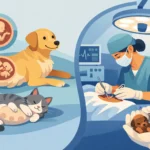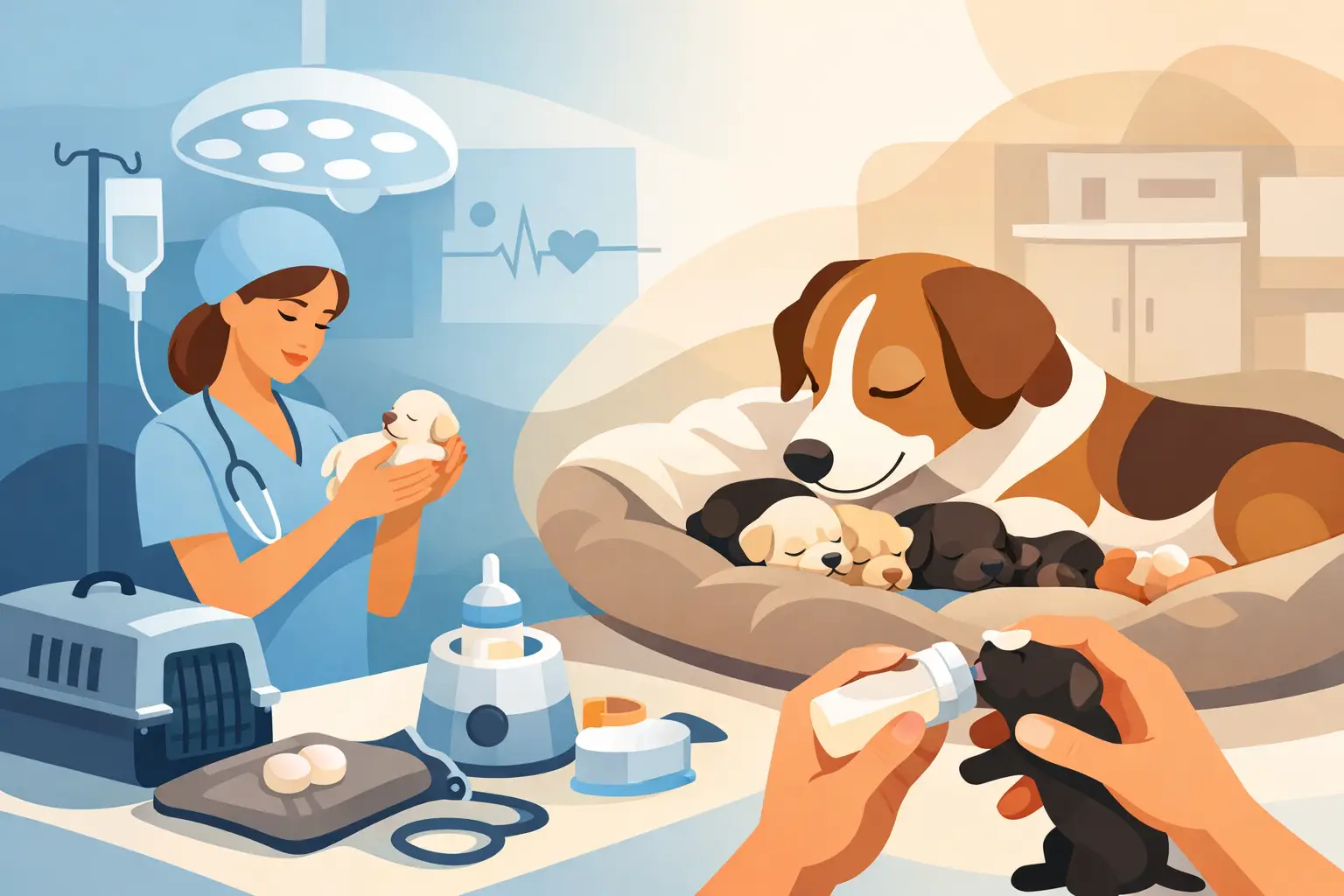
The first few hours after a C-section can feel overwhelming. If you are focused on tiny puppies, a recovering mother, and a lot of fast instructions, that is completely normal. Puppy management after cesarean section at AV Veterinary Center is centered on one goal – giving both mom and puppies the safest possible start with close monitoring, practical support, and clear guidance for what comes next at home.
A cesarean section is often performed because a mother dog needs urgent help delivering her litter safely. Even when surgery goes well, the recovery period is different from a routine birth. Puppies may be slow to nurse, the mother may be groggy from anesthesia, and body temperature control becomes especially important during the first day.
Why puppy management after cesarean section matters
Newborn puppies are fragile under the best circumstances. After a surgical delivery, they may need more hands-on support because they did not go through a normal labor and may be slower to latch, cry, or become active. That does not always mean something is wrong. It means the transition into the world may take a little more help.
At the same time, the mother is recovering from abdominal surgery. She may be tired, uncomfortable, or temporarily less attentive to her litter right away. Some mothers bond immediately. Others need a little time and supervision. This is one of those situations where it depends on the individual dog, the reason for the C-section, and how stable the puppies were at delivery.
The goal is to support three things at once: puppy warmth, puppy feeding, and maternal recovery. If any one of those is off, the others can be affected quickly.
The first hours after a C-section
In the immediate post-operative period, puppies need warmth before almost anything else. Newborns cannot regulate body temperature well, and chilled puppies often cannot nurse effectively. A puppy that feels cool, weak, or limp should never simply be placed at the nipple and expected to feed normally. Warming must happen first, and it needs to be gradual rather than abrupt.
Once puppies are warm enough and alert enough, supervised nursing begins. Colostrum, the first milk, matters because it provides early immune support. Timing is important, but so is safety. If the mother is still sedated, restless, or painful, nursing may need to be assisted closely so no puppy is accidentally laid on or pushed away.
Breathing effort, movement, vocalization, and gum color are also watched carefully. A strong newborn usually squirms, roots, and vocalizes with energy. A puppy that remains weak, does not nurse, or seems to breathe with difficulty needs prompt veterinary attention.
Helping puppies nurse safely
One of the biggest concerns after a cesarean is whether the puppies are getting enough milk. Some mothers produce milk promptly, while others take more time. Stress, illness, difficult labor, and medication effects can all influence early nursing.
A good latch looks active rather than passive. Puppies should root, attach, and suck rhythmically. After nursing, they often appear calmer and sleep quietly. Constant crying, crawling restlessly, or repeatedly falling off the nipple can suggest they are cold, weak, or not getting enough intake.
Supervision matters because the mother may still be uncomfortable from surgery. Positioning her on her side in a quiet, warm area often helps. Some dogs are more relaxed if puppies are brought to them for short, frequent nursing sessions rather than left to scramble around the incision area. If the mother resists handling, seems unusually anxious, or tries to move away from the litter, that deserves attention rather than guesswork.
When supplementation may be needed
Not every litter needs supplementation, but some do. If puppies are not nursing effectively, losing weight, or the mother’s milk supply is delayed, a veterinarian may recommend supplemental feeding. The right plan depends on the puppy’s strength, body weight, and ability to suckle.
This is where pet owners often feel pressure to act fast, and they should. But there is also a trade-off. Supplementing too aggressively without supporting nursing can reduce the puppy’s drive to latch and may affect maternal milk stimulation. On the other hand, waiting too long with a weak puppy is risky. The best approach is individualized and based on exam findings, weight trends, and litter behavior.
Temperature control is not optional
For newborn puppies, warmth is basic life support. They should be kept in a clean, draft-free environment with gentle external heat available, while still allowing enough space to move away from the heat source if needed. Overheating can be as dangerous as chilling, especially if puppies cannot crawl away.
The mother’s comfort matters here too. A whelping area that feels good for puppies may feel too warm for an adult dog recovering from surgery. That is one reason the setup often needs adjustment rather than a one-size-fits-all temperature choice.
Puppies that are too cold may cry continuously, become weak, stop nursing well, or feel cool to the touch. Puppies that are too warm may spread out, pant, or appear restless. The ideal environment keeps them quiet, active when stimulated, and able to sleep comfortably between feedings.
Monitoring weight and hydration
One of the most useful things a pet owner can do at home is track daily weight. Tiny changes matter in neonates. Healthy puppies should begin showing consistent gains, even if the first day is a little uneven.
Weight checks work best when they are done at the same time each day on a gram scale. Guessing by appearance is not enough. A puppy can look similar to littermates and still be falling behind. Early detection gives you a chance to intervene before the puppy becomes critically weak.
Hydration is also important, but it can be hard to judge in newborns. Dry gums, lethargy, poor nursing, or failure to gain can all point to a problem. If a puppy seems weak, cries excessively, or separates from the litter, that should not be watched passively for hours.
Watching the mother during puppy management after cesarean section
Puppy care cannot be separated from the mother’s recovery. If she is painful, feverish, weak, uninterested in the litter, or developing a post-surgical complication, the puppies are affected right away.
Her incision should be checked regularly for redness, swelling, discharge, or opening of the surgical site. Some mild bruising can happen, but worsening inflammation, bleeding, or any foul-smelling discharge is not normal. She should also be eating, drinking, and producing milk appropriately based on her stage of recovery.
Behavior matters just as much as the incision. A mother that is calm, attentive, and allowing nursing is reassuring. A mother that is disoriented, aggressive toward the puppies, or unwilling to lie still with them needs immediate guidance. Sometimes this is due to pain. Sometimes it reflects stress, medication effects, or illness. Either way, it should be addressed quickly.
Signs you should call right away
Some situations need prompt veterinary support rather than home monitoring. Call if puppies are crying constantly, feel cold, fail to nurse, seem weak, or are not gaining weight. Also call if the mother is panting excessively, seems depressed, has pale gums, develops vomiting, refuses food, or shows any concern around the incision.
Discharge from the mother can be normal after birth, but heavy bleeding, a bad odor, or sudden worsening is not something to dismiss. If you are unsure whether a sign is urgent, it is safer to ask.
Creating a calm recovery space at home
The home environment makes a real difference after discharge. New mothers and newborns do best in a quiet, low-traffic area away from household commotion, other pets, and frequent handling by visitors. Families are excited to meet puppies, but too much stimulation can increase stress for the mother and interfere with feeding and rest.
Keep bedding clean and dry. Change soiled materials promptly, but do it gently so the mother does not become protective or unsettled. Good hygiene helps reduce risk while keeping the litter comfortable.
It also helps to have a simple routine. Weigh the puppies, observe nursing, check the mother’s incision, and note any concerns. That kind of structure makes it easier to spot changes early.
Why follow-up care matters
The period after a cesarean is not just about getting through the first night. It is about making sure the litter is progressing and the mother is healing as expected. Follow-up visits can help catch subtle problems before they become emergencies, especially if milk production is poor, the litter is large, or one puppy is falling behind.
At AV Veterinary Center, post-surgical care is guided by both compassion and medical detail. That means looking beyond the incision alone and paying close attention to nursing success, maternal behavior, puppy vitality, and the practical challenges families face once they are home.
A C-section can be a stressful start, but many mothers and puppies do very well with the right support. If something feels off, trust that instinct and ask for help early. A calm plan, close observation, and timely veterinary care can make those first fragile days much safer for the whole family.