You may notice your cat standing at the food bowl, looking interested, then walking away after one bite. That small change can be easy to dismiss, but cat dental disease symptoms often start quietly. Cats are skilled at hiding pain, which means dental problems can progress long before they become obvious.
Dental disease is one of the most common health issues veterinarians see in cats. Plaque and tartar build up on the teeth, bacteria irritate the gums, and inflammation can spread below the gumline where you cannot see it at home. Some cats also develop painful tooth resorption, stomatitis, or infections that make eating and grooming uncomfortable. The earlier these problems are recognized, the easier it is to protect your cat’s comfort, appetite, and overall health.
Common cat dental disease symptoms
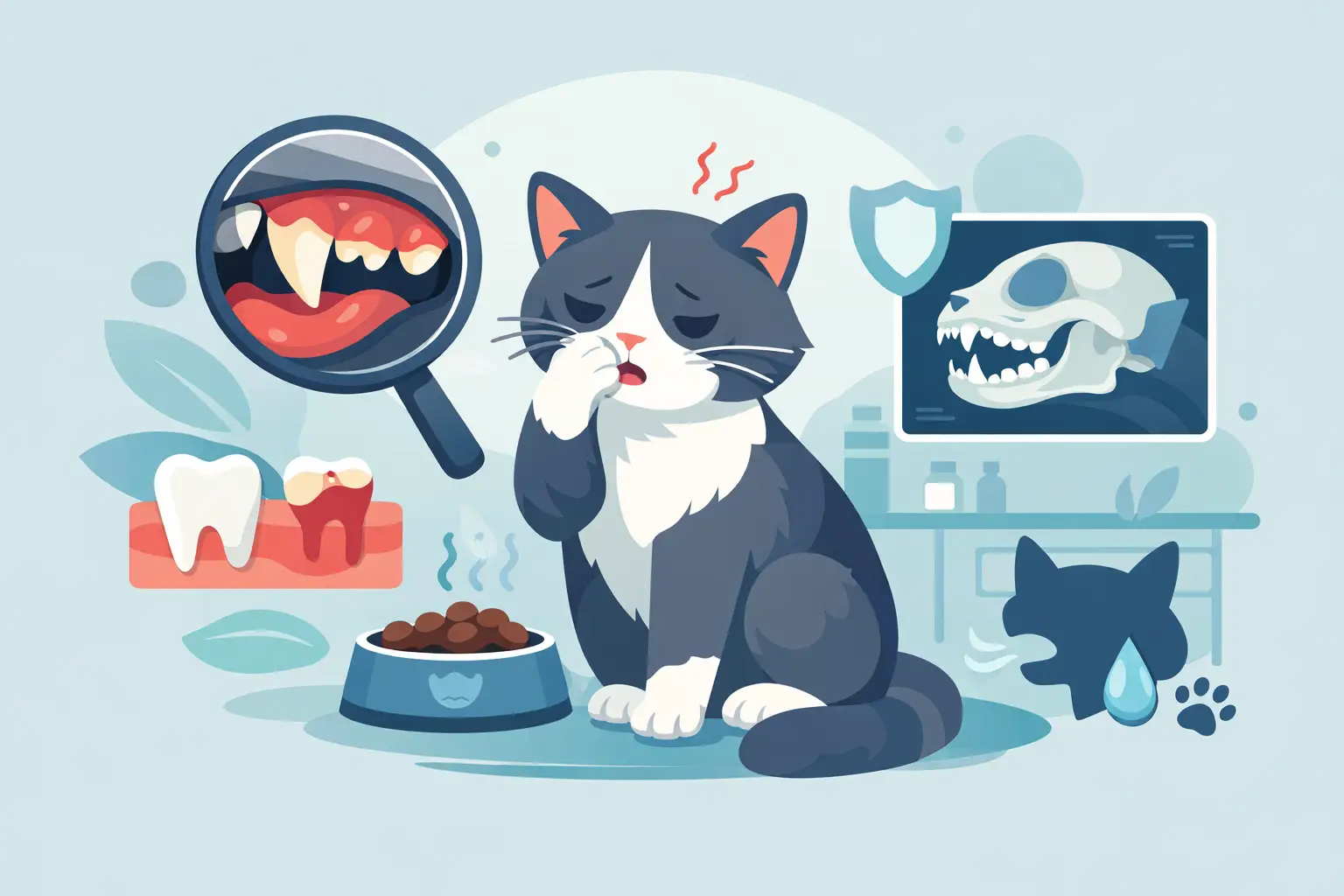
Bad breath is often the first sign owners notice. While a cat’s breath may never smell fresh, a strong or unusually foul odor is not normal. It can suggest bacterial overgrowth, gum infection, or decaying tissue in the mouth.
Changes in eating are also common. Some cats stop eating dry food first but still try canned food because it feels easier to chew. Others chew on one side, drop kibble from the mouth, eat more slowly, or seem hungry but hesitate when they try to bite. In more painful cases, a cat may cry out while eating or avoid meals altogether.
Drooling can be another clue, especially if it is new. You might see wet spots where your cat sleeps or notice saliva around the mouth after meals. If the drool is tinged with blood, that raises concern for inflamed gums, oral ulcers, or a damaged tooth.
A change in grooming habits matters too. Cats with mouth pain may groom less because licking becomes uncomfortable. The coat can begin to look unkempt or greasy. Some cats paw at the mouth, rub their face on furniture, or resist having their head touched.
Behavioral changes are easy to miss because they do not always look dental at first. A normally social cat may become withdrawn, irritable, or less tolerant of handling. Some cats hide more, sleep more, or seem less interested in play. Pain in the mouth can affect the whole day, not just mealtime.
Visible changes may include red gums, swelling along the gumline, yellow or brown tartar on the teeth, loose teeth, or a dark red spot on the tooth where resorption may be developing. Not every dental problem is visible at home, though. In fact, some of the most painful disease occurs below the gumline and requires a veterinary exam and dental X-rays to diagnose properly.
What cat dental disease symptoms can look like at home
Many owners expect obvious mouth pain, but the reality is often more subtle. A cat may continue eating despite significant dental disease because the drive to eat is strong. Instead of stopping completely, they adapt. They may tilt the head, swallow food whole, prefer softer textures, or approach the bowl repeatedly without finishing a normal portion.
You may also notice litter box changes tied to reduced appetite or dehydration if eating and drinking have become uncomfortable. Weight loss can happen gradually. In senior cats, that can be mistaken for normal aging when it is actually a sign of chronic oral pain.
If your cat suddenly seems picky, has bad breath, or no longer enjoys treats they once loved, it is worth taking seriously. Dental disease does not always announce itself dramatically.
Why these symptoms should not be ignored
Dental disease is not just a cosmetic issue. Inflamed gums and infected teeth are painful, and chronic pain can affect eating, sleep, grooming, and quality of life. Bacteria in the mouth can also contribute to deeper infection and ongoing inflammation.
There is also a practical concern: dental problems usually worsen with time. Mild gingivitis may improve with prompt care, but advanced periodontal disease can lead to tissue destruction, loose teeth, and pain that requires more extensive treatment. Tooth resorption, a very common condition in cats, can be especially uncomfortable and often needs extraction of affected teeth.
This is one area where waiting rarely helps. Cats tend to compensate until they can no longer hide the problem well, which means a quiet symptom today can become a much bigger issue later.
Conditions behind cat dental disease symptoms
Periodontal disease is the most common cause. It begins with plaque, then tartar, then inflammation of the gums. As it progresses, the structures supporting the teeth become damaged. A cat may have only mild visible tartar but still have more significant disease below the gumline.
Tooth resorption is another frequent cause of oral pain in cats. In this condition, the body starts breaking down parts of the tooth. It can affect the crown, the root, or both. Some cats with resorptive lesions chatter the jaw, flinch when the mouth is touched, or suddenly stop tolerating dry food.
Stomatitis is a severe inflammatory condition that can make the entire mouth painful. Cats with stomatitis may drool, avoid food, lose weight, and have markedly red oral tissues. This condition often requires a more involved treatment plan.
Fractured teeth, retained baby teeth, oral masses, and infections can also cause similar symptoms. That is why diagnosis matters. Bad breath and reduced appetite can point to several different problems, and each one calls for its own treatment approach.
When to schedule an exam right away
If your cat has stopped eating, is drooling heavily, has blood from the mouth, shows facial swelling, or seems acutely painful, do not wait. These signs call for prompt veterinary attention. The same is true if your cat is hiding, losing weight, or struggling to pick up food.
Less dramatic signs still deserve an appointment. Bad breath, tartar buildup, red gums, food dropping, and changes in behavior are enough reason to have the mouth evaluated. A professional exam can help determine whether the issue is mild gingivitis, advanced periodontal disease, tooth resorption, or another oral condition.
At AV Veterinary Center, cats can be evaluated with the benefit of both routine veterinary dentistry and advanced diagnostics when needed. That matters because some oral disease is straightforward, while some cases require a more detailed picture to plan safe and effective treatment.
How veterinarians diagnose dental disease in cats
A visual exam is the starting point, but it is not the whole story. Cats often need a sedated oral exam and dental X-rays to fully assess the health of each tooth and the bone beneath the gums. This is especially important for identifying resorptive lesions, hidden root disease, and the extent of periodontal damage.
Bloodwork may also be recommended before anesthesia, especially for senior cats or pets with other medical conditions. That helps the veterinary team plan care as safely as possible.
Once the full extent of disease is known, treatment may include a professional dental cleaning, polishing, treatment of gum disease, extractions of painful or damaged teeth, and pain management. If infection is present, additional medication may be part of the plan. The right treatment depends on what is actually causing the symptoms, not just what is visible on the surface.
Can cat dental disease be prevented?
Prevention helps, but it has limits, and that is worth saying clearly. Home dental care can reduce plaque and support oral health, but it does not replace professional exams and cleanings. Some cats are also more prone to conditions like tooth resorption that owners cannot fully prevent with brushing alone.
If your cat tolerates tooth brushing, that can be very helpful. Veterinary-approved dental diets, treats, and water additives may also play a role, depending on the cat and the specific product. What works best is consistency and a plan tailored to your pet.
Routine wellness visits are part of prevention too. A veterinarian may spot early gum inflammation or subtle tooth changes before they become severe. That gives you more options and can spare your cat from prolonged discomfort.
Cats rarely complain when their mouths hurt. They simply eat differently, groom less, hide more, or stop doing the small things that normally make them feel like themselves. If something seems off, trust that instinct and have it checked. A timely dental exam can do more than improve breath – it can bring real relief and help your cat get back to eating, grooming, and living comfortably.