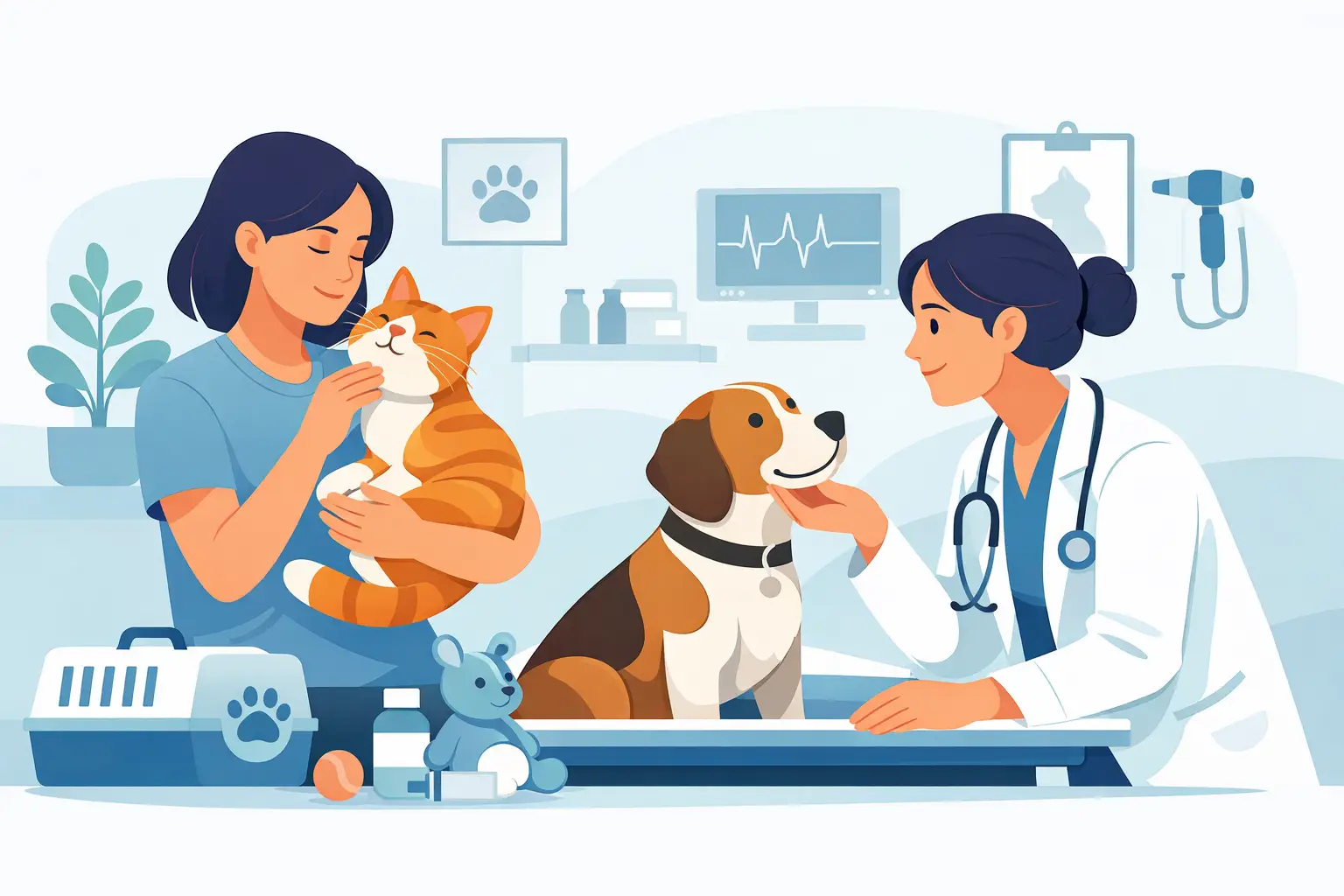
A wellness visit can reveal subtle changes long before your pet seems sick at home. Knowing how to prepare pets for wellness exams helps your veterinarian get a clearer picture of your dog or cat’s health while making the experience less stressful for everyone involved.
A little planning matters, especially for pets who dislike car rides, become anxious around unfamiliar people, or need bloodwork. The goal is not a perfectly calm appointment. It is helping your pet arrive safely, comfortably, and ready for a thorough assessment tailored to their age, lifestyle, and medical needs.
Why preparation makes a difference
During a wellness exam, the veterinary team evaluates more than weight and vaccines. Your veterinarian may assess your pet’s eyes, ears, teeth, heart, lungs, skin, joints, abdomen, mobility, and behavior. Depending on your pet’s life stage and history, preventive bloodwork, parasite screening, vaccination updates, or nutrition discussions may also be recommended.
When a pet is extremely frightened or overstimulated, some parts of the exam can be more difficult to perform. Stress can raise heart rate, alter behavior, and make pets less comfortable with handling. Preparation cannot erase every concern, but it can reduce avoidable stress and allow the care team to focus on what your pet needs.
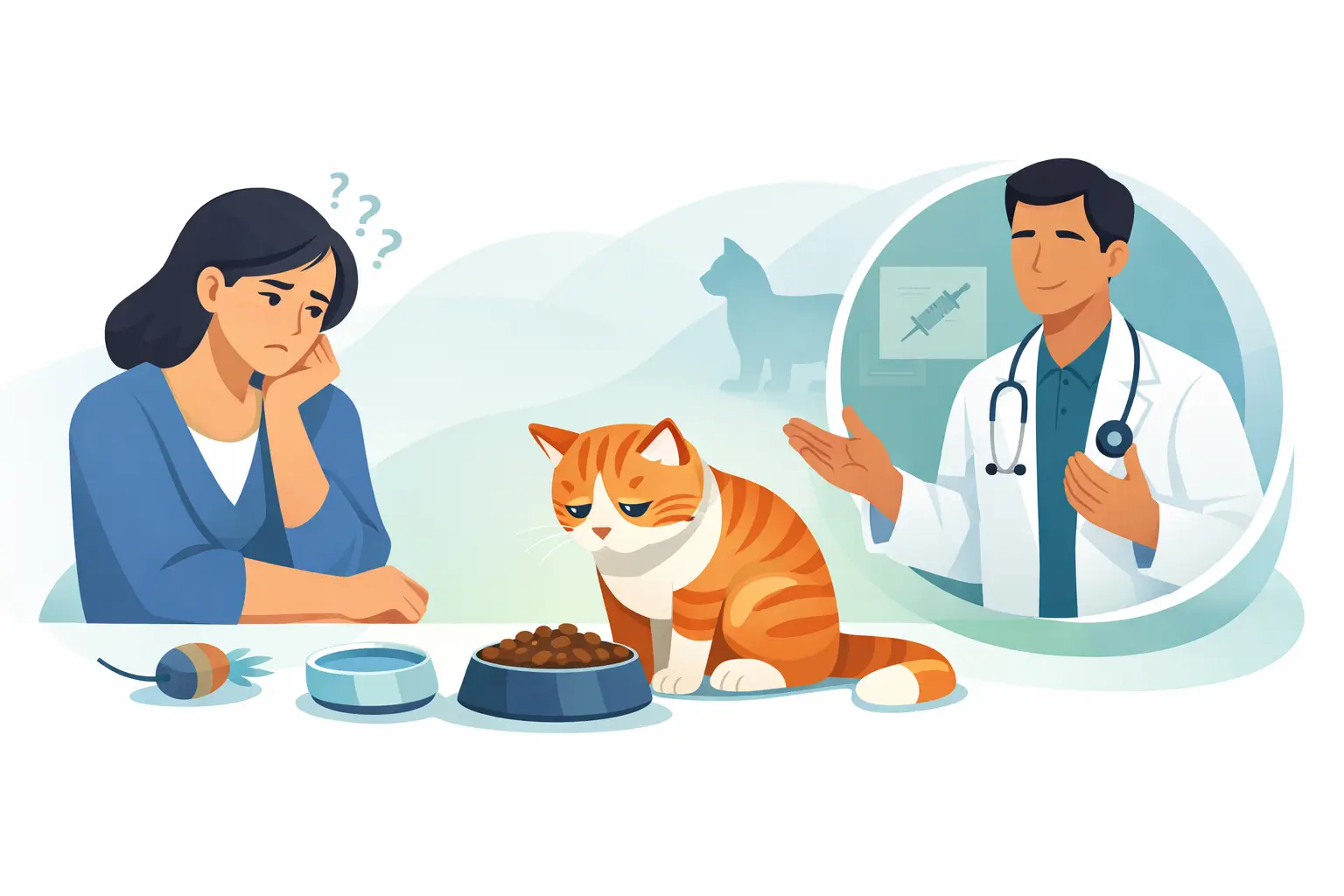
Wellness appointments are also your opportunity to share observations that may not be obvious in an exam room. A change in thirst, appetite, sleep, litter box habits, activity level, or temperament can be medically meaningful, even when your pet otherwise appears well.
Before the appointment: gather the right information
In the days before the visit, take note of anything that has changed. It can help to write a short list rather than relying on memory during the appointment. Include when you first noticed an issue, how often it happens, and whether it is getting better, worse, or staying the same.
Mention changes such as scratching, shaking the head, coughing, sneezing, vomiting, diarrhea, accidents in the house, difficulty jumping, bad breath, weight changes, or reluctance to play. For cats, small changes can be especially easy to miss. Hiding more often, eating less, vocalizing differently, or making repeated trips to the litter box should be discussed.
Bring or photograph the labels of all medications, supplements, flea and tick products, and diets your pet receives. This includes over-the-counter products and treats marketed for calming, joints, skin, or digestion. Knowing the exact product and dose helps your veterinarian avoid interactions and make sound recommendations.
If your pet has received care elsewhere, bring relevant records when possible, including vaccine history, recent laboratory results, imaging reports, or discharge instructions. If you have a concern that happens only at home, a brief video can be more useful than trying to describe it. A recording of limping, coughing, unusual breathing, seizure-like activity, or repetitive behavior can provide valuable clinical context.
Ask about fasting before bloodwork
Do not assume your pet should skip breakfast. Fasting requirements depend on the tests planned, your pet’s age, medical conditions, and medications. Young pets, diabetic pets, and animals with certain health concerns may need a different plan.
Call ahead if bloodwork is expected and ask whether food should be withheld, how long to fast if needed, and whether your pet may have water. Also ask whether regular medications should be given as usual. Never stop a prescribed medication unless your veterinarian directs you to do so.
Make travel and arrival easier
The car ride and waiting area can be the hardest part of the day for some pets. Start with safe transportation. Dogs should travel in a secured crate, carrier, or properly fitted vehicle restraint. Cats should always arrive in a secure carrier, not in your arms. Even gentle cats can panic in an unfamiliar setting, and a carrier protects them from escape, injury, and exposure to other animals.
For cats, leave the carrier out at home several days before the appointment with a familiar blanket and a few treats inside. If the carrier only appears before a stressful trip, your cat may hide as soon as it comes out. A carrier with a removable top can also make handling less intimidating for some cats.
For dogs, a short walk before leaving can help them settle, provided they are feeling well and it is safe to do so. Avoid a strenuous outing in hot Antelope Valley weather, especially for senior pets, flat-faced breeds, or dogs with heart or respiratory concerns. Bring water for the drive when temperatures are high, but do not leave your pet unattended in a parked vehicle.
Plan to arrive a few minutes early so you are not rushing. If your pet is highly reactive, fearful, or uncomfortable around other animals, let the hospital know before you arrive. The team may be able to suggest a quieter arrival plan, such as waiting in your car until an exam room is ready. This is often a better choice than asking an anxious pet to sit in a busy lobby.
How to prepare pets for wellness exams at home
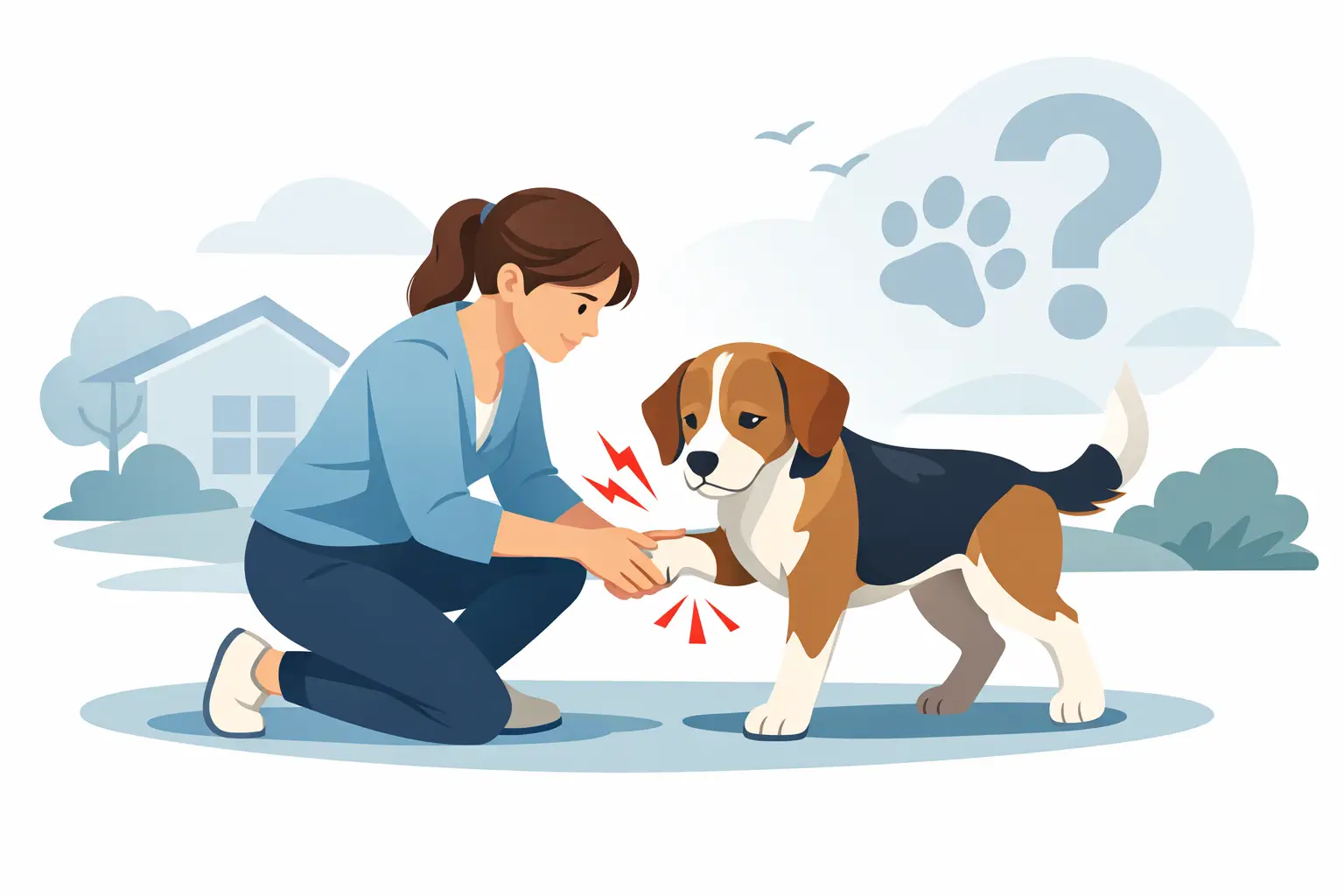
Gentle handling practice can make a meaningful difference, particularly for puppies, kittens, and pets that are uneasy with touch. During calm moments at home, briefly touch your pet’s paws, ears, mouth, and collar area, then offer praise or a small treat. Keep these sessions short and stop before your pet becomes distressed.
This is not about forcing your pet to tolerate handling. It is about building positive, predictable experiences around the kinds of gentle contact that occur during an exam. If your pet pulls away, stiffens, growls, hisses, or tries to bite, give them space. Tell the veterinary team about these reactions so they can choose the safest, least stressful approach.
Avoid scolding a frightened pet on appointment day. Fear is not disobedience, and punishment can make future veterinary visits harder. Calm voices, familiar bedding, and a favorite toy or approved treat can help some pets feel more secure. Others settle better with fewer distractions. It depends on the individual pet.
If your pet has had severe anxiety, motion sickness, or unsafe behavior during previous visits, contact the hospital before the appointment. Your veterinarian may recommend a pre-visit plan, which can include behavior strategies or prescribed medication. Do not give human anxiety medications, sedatives, or new calming products without veterinary guidance.
During the exam: be your pet’s best advocate
Once you are in the exam room, share your priorities early. If you are worried about a specific lump, dental odor, change in mobility, or behavior shift, say so before the appointment moves into routine topics. There is no need to wait until the end.
Be honest about your pet’s behavior and medical history. Let the team know if your dog has snapped when restrained, if your cat becomes defensive when touched near the back, or if your pet has reacted poorly to a vaccine or medication in the past. This information is not a judgment of you or your pet. It helps the team protect your pet, your family, and hospital staff.
You can also ask practical questions about preventive care. For example, ask which vaccines fit your pet’s lifestyle, how often parasite prevention should be given, whether dental care is needed, or when senior screening becomes appropriate. A young indoor cat and an active dog who hikes, boards, or visits dog parks may need different recommendations.
At AV Veterinary Center, wellness care is designed around that individual picture, with routine preventive services supported by advanced diagnostics and treatment options when concerns arise. That continuity can be reassuring when a wellness finding needs closer investigation.
After the visit, follow through at home
Review any instructions before you leave or shortly after you get home. If vaccines, medications, parasite prevention, diet changes, dental care, or diagnostic testing were recommended, make sure you understand the timing and purpose of each step.
Some pets are tired, mildly sore, or less social after a busy visit. Give them a quiet place to rest and monitor them as instructed. Contact your veterinary team promptly if you notice facial swelling, repeated vomiting, breathing difficulty, collapse, severe lethargy, or any reaction that concerns you.
The best preparation is an ongoing habit of paying attention. When you know what is normal for your pet and bring those observations to each wellness exam, you give their care team the information needed to protect many more healthy, comfortable years together.