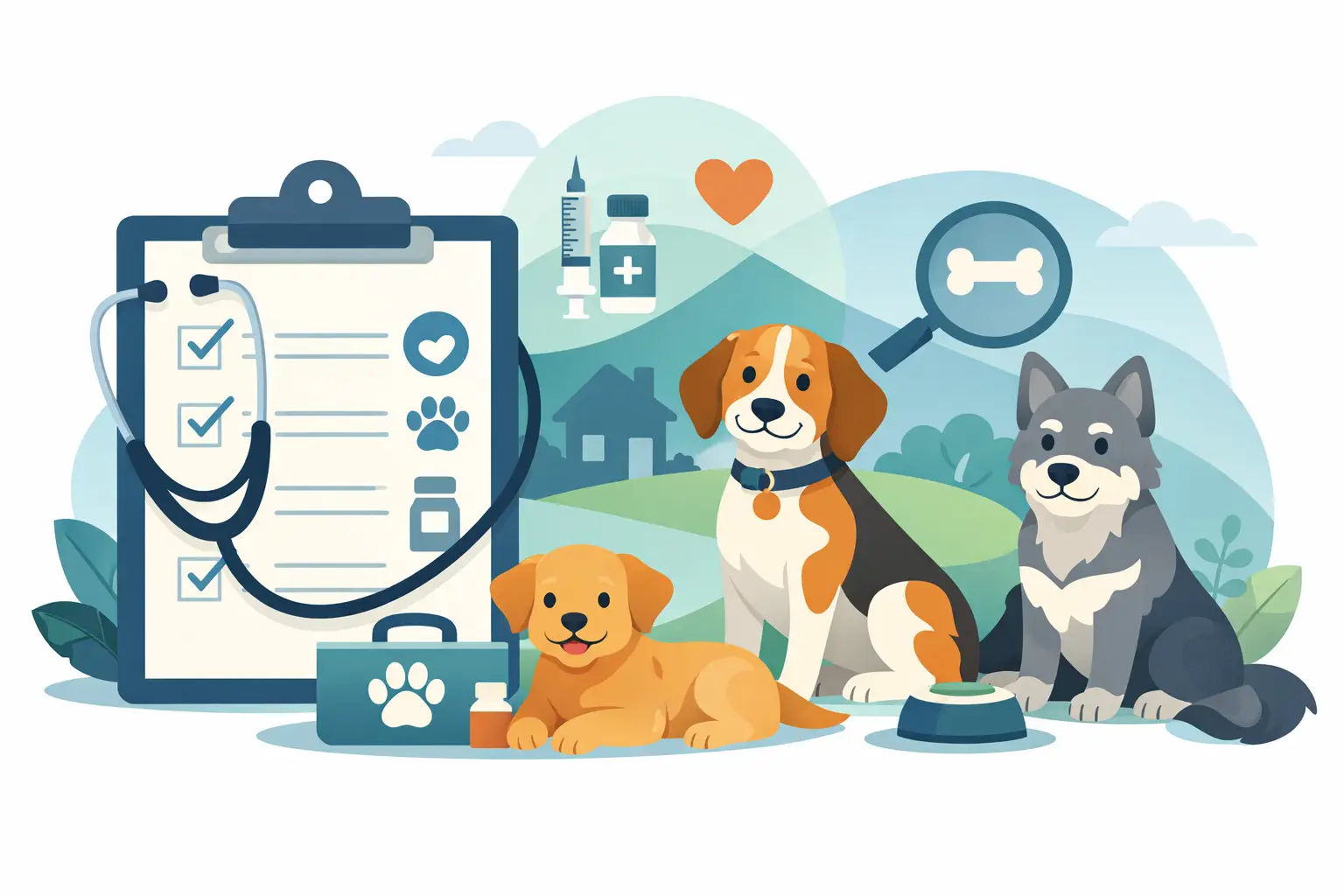
When your dog is scheduled for a procedure, one of the first questions many families ask is whether dog bloodwork before surgery is really necessary. It is a fair question, especially when your pet seems healthy at home. The short answer is that pre-surgical bloodwork helps your veterinarian look for problems that may not be visible during a physical exam alone, so anesthesia and surgery can be planned as safely as possible.
For many dogs, bloodwork is not about finding something dramatic. It is about confirming that the liver, kidneys, blood cells, blood sugar, and other key systems are in a good range for the procedure ahead. When results are abnormal, that information is just as valuable, because it allows the veterinary team to adjust the anesthesia plan, recommend further testing, delay surgery if needed, or address a medical issue before moving forward.
Why dog bloodwork before surgery matters
Dogs cannot tell us when something feels slightly off. A pet can eat normally, play normally, and still have early kidney disease, mild anemia, an infection, or changes in liver values. These issues may not cause obvious symptoms yet, but they can affect how the body handles anesthesia, medications, fluid balance, and recovery.
That is why bloodwork is such an important part of pre-anesthetic screening. Surgery places controlled stress on the body. Anesthesia changes blood pressure, breathing, circulation, and how organs process drugs. If a dog has an underlying condition, even a minor one, it may change how the veterinary team monitors your pet or which medications they choose.
This is especially important for puppies, senior dogs, brachycephalic breeds, dogs with a history of illness, and pets undergoing more involved procedures. Even so, healthy young adult dogs benefit from screening as well. Normal results can provide reassurance. Abnormal results can prevent avoidable risk.
What does pre-surgical bloodwork usually check?
The exact tests depend on your dog’s age, health history, and the type of surgery. In many cases, veterinarians start with a basic screening panel and build from there if needed.
A complete blood count, often called a CBC, looks at red blood cells, white blood cells, and platelets. This helps identify anemia, inflammation, infection, dehydration patterns, or clotting concerns. If a dog has low red blood cells, for example, that may affect oxygen delivery during anesthesia. If platelets are low, there may be added concern about bleeding.
A chemistry panel checks organ function and important body chemistry values. This often includes liver enzymes, kidney values, blood sugar, total protein, and electrolytes such as sodium and potassium. These results help veterinarians understand how safely a dog may process medications and whether fluid support or changes to the anesthesia protocol are needed.
Some patients also need additional testing. Older dogs may benefit from more extensive chemistry screening or a urinalysis. Dogs with a heart murmur, breathing concerns, endocrine disease, or a history of seizures may need further diagnostics before surgery. If the procedure is more advanced or the pet has a complex medical background, imaging or specialty-level evaluation may also be appropriate.
Can a healthy dog still have abnormal results?
Yes, and that is one of the main reasons testing matters.
A dog can appear completely normal and still have early-stage disease. Mild kidney changes may not be noticeable at home. Liver abnormalities can exist without vomiting, weight loss, or appetite changes. Blood sugar may be elevated or unusually low without clear warning signs. In some cases, the issue is minor and does not prevent surgery. In other cases, it changes the plan right away.
This does not mean bloodwork is expected to reveal bad news. Most of the time, results either come back normal or show mild changes that can be managed. The goal is not to create fear. The goal is to make informed decisions with the best available information.
What happens if bloodwork is abnormal?
Abnormal results do not always mean surgery is canceled. They mean your veterinarian has a clearer picture of what your dog needs.
Sometimes the answer is simple. A mildly dehydrated dog may need fluids. A pet with slightly elevated liver values may still be able to proceed with surgery, but with a modified medication plan and closer monitoring. If blood sugar is abnormal, the team may adjust timing, fasting instructions, or anesthetic support.
In other situations, postponing surgery is the safest choice. This is more likely if the bloodwork points to significant anemia, kidney compromise, active infection, poor clotting ability, or another concern that should be stabilized first. While delays can feel frustrating, they are often what protects your dog from preventable complications.
That is the value of individualized medicine. A one-size-fits-all approach is not good enough when anesthesia is involved.
Is dog bloodwork before surgery required for every procedure?
Not every procedure uses the exact same pre-op screening, but bloodwork is commonly recommended before anesthesia because it provides important safety information. A short, routine procedure and a long, complex surgery do not carry the same demands, so recommendations may differ.
Age matters too. A young dog being spayed or neutered may need a more limited panel than a senior dog having mass removal or dental surgery. Breed, current medications, chronic illness, and prior anesthetic history can all influence what testing is advised.
Your veterinarian should be able to explain what is recommended for your dog specifically and why. That conversation matters. It helps you understand whether the testing is routine screening, a response to a known health concern, or part of preparing for a more advanced procedure.
How bloodwork helps your veterinarian build a safer anesthesia plan
Pre-surgical testing is not a separate step from anesthesia planning. It is part of it.
If kidney values are elevated, the team may choose medications that place less strain on renal function and provide more active fluid support. If liver values are abnormal, drug selection may change so medications are metabolized more appropriately. If a CBC shows anemia, your veterinarian may reassess timing, expected blood loss, and monitoring needs. If electrolytes are off, correcting them before anesthesia can reduce risk.
Bloodwork also helps determine how intensively a patient should be monitored and what support should be ready during recovery. This is one reason comprehensive surgical care is about more than the procedure itself. Good outcomes depend on preparation, anesthesia, monitoring, pain control, and post-operative care all working together.
At a full-service hospital with both general and advanced capabilities, that planning can be especially valuable for pets with more complicated needs. A dog with a chronic condition or a more involved surgery benefits from having diagnostics, treatment planning, and follow-up care coordinated in one place.
What pet owners should do before the appointment
Follow your veterinarian’s instructions closely, especially regarding food, water, and medications. Fasting is often required before anesthesia, but the timing can vary based on your dog’s age, procedure, and medical history. Puppies, diabetic dogs, and certain other patients may have different instructions.
Be sure to share anything that could affect the results or the anesthesia plan. Mention coughing, vomiting, diarrhea, appetite changes, recent medications, supplements, increased thirst, changes in urination, or even subtle shifts in energy level. What seems minor at home may be relevant to the surgical team.
It is also helpful to ask when bloodwork will be performed. Some clinics run it days ahead of surgery, while others perform it the same day. Neither approach is automatically better in every case. Same-day testing can reflect your dog’s current status more closely, while earlier testing may be useful when additional follow-up is likely.
Common concerns about cost and necessity
It is understandable to look at the estimate and wonder whether bloodwork can be skipped, especially for a dog that seems perfectly fine. But pre-op testing is not an extra add-on for convenience. It is a medical screening tool that supports safer decision-making.
The trade-off is straightforward. Bloodwork adds cost up front, but it can identify issues that would make anesthesia riskier or recovery more difficult. In many cases, it helps avoid more serious complications, emergency treatment, or delays that happen after a problem is discovered too late.
That said, recommendations should still be thoughtful. The right testing for a healthy young dog may not be the same as what a senior dog or medically complex patient needs. A trustworthy veterinary team will explain what they recommend and tailor that plan to your pet rather than using a blanket approach.
If your dog is scheduled for surgery and you have questions about bloodwork, ask them. Clear communication is part of good medicine. At AV Veterinary Center, we believe families deserve both compassionate guidance and medically sound answers, so they can move forward with confidence when their pet needs care.
A simple blood sample can reveal a great deal before surgery. More importantly, it helps turn uncertainty into a plan that is safer, smarter, and built around your dog as an individual.