
Dog Torn Ligament Surgery: What to Expect
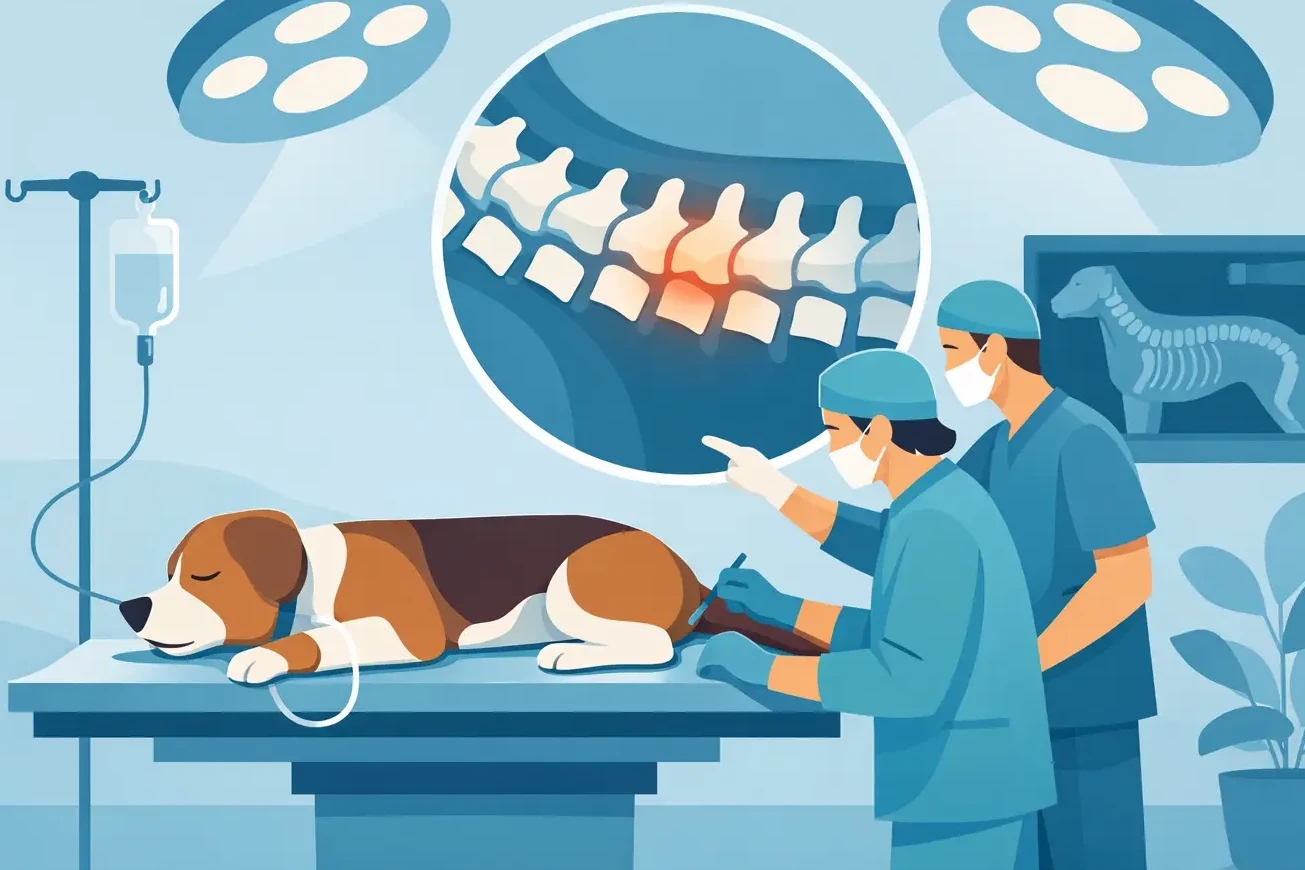
When a dog suddenly starts limping after a run in the yard, struggles to rise, or avoids putting weight on a back leg, pet owners often fear the worst. In many cases, dog torn ligament surgery becomes part of the conversation after an exam confirms injury to the cranial cruciate ligament, one of the main stabilizers in the knee.
For families, this diagnosis can feel overwhelming. The good news is that a torn ligament is a common orthopedic problem in dogs, and there are well-established surgical options that can relieve pain, improve mobility, and help many pets return to a comfortable, active life. The right plan depends on your dog’s size, age, activity level, overall health, and how unstable the joint has become.
What happens when a dog tears a ligament?
Most people think of this injury as the canine version of an ACL tear. In dogs, the structure is called the cranial cruciate ligament, or CCL. It helps keep the knee stable as your dog walks, runs, turns, and jumps.
When that ligament frays or tears, the knee can slip abnormally during movement. That instability causes pain, inflammation, and often progressive damage to the cartilage and meniscus inside the joint. Some dogs experience a sudden injury, but many develop a tear gradually as the ligament weakens over time.
This is why some pets do not come in after one dramatic event. Instead, owners notice an off-and-on limp, stiffness after rest, hesitation on stairs, or trouble getting into the car. Large breeds, overweight dogs, and middle-aged to senior dogs are especially prone to this condition, but it can happen in younger and more active pets too.
Signs your dog may need torn ligament surgery
Not every limp means surgery, but there are certain patterns that raise concern for a cruciate injury. A dog with a torn ligament may toe-touch or carry the leg, sit with the leg extended, or shift weight away from the affected knee. Some dogs show swelling around the joint or seem less interested in walks and play.
A partial tear can look subtle at first. Dogs may improve with rest, then limp again after activity. That improvement can be misleading. Even if pain seems to come and go, the knee may still be unstable and vulnerable to worsening damage.
A veterinary exam is the best next step. Diagnosis often includes a hands-on orthopedic evaluation and x-rays to assess joint changes and rule out other causes of rear leg lameness. In some cases, sedation may be needed for a more accurate exam because a painful or tense dog can make instability harder to assess.
Is dog torn ligament surgery always necessary?
It depends. Some very small dogs or patients with significant health limitations may be managed without surgery, especially if the tear is partial or the pet is not a good anesthetic candidate. Non-surgical care can include strict rest, pain control, anti-inflammatory medication, joint support, weight management, and rehabilitation.
That said, surgery is often the most effective way to restore stability in the knee, especially for medium to large dogs or dogs with marked lameness. Without stabilization, the joint typically continues to develop arthritis, and many dogs remain painful or limited. Waiting too long can also increase the chance of meniscal injury, which may worsen discomfort and recovery.
The goal is not simply to get a dog walking again. It is to reduce pain, protect the joint as much as possible, and give your pet the best chance at long-term function.
Dog torn ligament surgery options
There is no single best procedure for every patient. The right approach depends on anatomy, body weight, activity level, and the surgeon’s findings.
TPLO
TPLO stands for tibial plateau leveling osteotomy. This procedure changes the mechanics of the knee so the joint stays more stable during weight-bearing, even without a functioning ligament. It is commonly recommended for larger, active dogs and is widely considered one of the most reliable options for returning dogs to good function.
Because TPLO involves cutting and stabilizing the bone with a plate and screws, it is a more advanced orthopedic surgery. Recovery still takes time, but many dogs do very well with it.
TTA
TTA, or tibial tuberosity advancement, is another surgery that changes knee biomechanics rather than replacing the torn ligament itself. It can be a strong option for selected dogs depending on the shape of the knee and the nature of the injury.
Like TPLO, it requires careful planning and controlled postoperative recovery. For the right patient, it can provide excellent stability and comfort.
Extracapsular repair
This technique uses a strong suture material placed outside the joint to improve stability. It is more often used in smaller dogs, less active dogs, or certain cases where a bone-cutting procedure may not be ideal.
It can work well, but outcomes are more variable in larger or highly active patients because the repair relies more heavily on scar tissue and external support over time.
What to expect before surgery
Before scheduling dog torn ligament surgery, your veterinarian will assess your dog’s overall health and discuss the best procedure for that individual case. Pre-anesthetic bloodwork is commonly recommended, and additional imaging may be needed in some patients.
This is also the time to talk through realistic expectations. Surgery can greatly improve comfort and function, but recovery is not instant. Most dogs need several weeks of restricted activity, followed by gradual rehabilitation. Arthritis in the joint may still progress over time, even after successful stabilization, although surgery usually helps reduce ongoing damage.
Owners should also know that dogs who tear one cruciate ligament have a meaningful risk of injuring the ligament in the other knee later on. That does not mean it will definitely happen, but it is common enough that veterinarians discuss it early.
Recovery after dog torn ligament surgery
The first phase of recovery is usually the most demanding for families. Dogs often feel better before the joint is truly healed, which means activity restriction matters. Running, jumping, stairs, roughhousing, and off-leash activity can compromise recovery if allowed too soon.
For the first several weeks, most dogs need leash walks only for bathroom breaks and brief controlled movement. Pain medication, anti-inflammatory support, and incision care are typically part of the plan. Your veterinary team may recommend cold therapy early, then a progressive rehabilitation program as healing advances.
Why rehab matters
Rehabilitation can make a major difference in strength, comfort, and long-term function. Depending on the dog and the procedure performed, rehab may include guided exercises, range-of-motion work, balance training, hydrotherapy, underwater treadmill sessions, and gradual muscle rebuilding.
This is one area where comprehensive care matters. Having access to surgical follow-up, imaging, pain management, and rehabilitation in one setting can make the recovery process more consistent and less stressful for pet owners trying to coordinate care.
How long recovery takes
Most dogs improve steadily over 8 to 12 weeks, but full recovery can take several months. Younger, fit dogs may regain function more quickly, while older dogs, overweight dogs, or pets with arthritis may need a slower timeline.
That does not mean progress is linear every day. Some dogs have excellent days followed by mild setbacks if they overdo activity. Regular rechecks help make sure healing stays on track.
Cost and decision-making
One of the hardest parts of this diagnosis is balancing medical need with financial reality. Dog torn ligament surgery costs vary based on the procedure, the size of the dog, preoperative testing, anesthesia, implants, pain medications, and rehabilitation needs.
In general, more advanced orthopedic procedures cost more upfront than conservative management. But cost should be weighed against likely outcome, long-term comfort, and the possibility that a dog managed without surgery may continue to limp, remain painful, or develop more severe arthritis.
A thoughtful treatment discussion should include both the medical recommendation and the practical side of care at home. The best plan is one that is medically appropriate and realistic for the family to carry through.
When to seek care right away
A torn ligament is painful, but not every case is a middle-of-the-night emergency. Still, prompt evaluation matters. If your dog suddenly will not bear weight, cries out with movement, shows swelling around the knee, or has worsening lameness after a known injury, it is wise to schedule an exam as soon as possible.
Early diagnosis helps protect the joint and gives you more options. At AV Veterinary Center, dogs with orthopedic injuries can be evaluated with a personalized plan that may include diagnostics, surgery, pain management, and rehabilitation support under one roof.
If your dog is limping and you suspect a knee injury, trust what you are seeing. Getting answers early can spare your dog more pain and help you move forward with confidence, one careful step at a time.