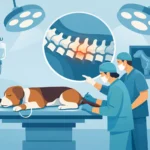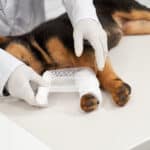
Spine Surgery & Herniated Disc Surgery in Pets – Spinal surgery in dogs is one of the most common neurologic emergencies that veterinarians have to deal with, especially in dogs. Disc herniation surgery in dogs is pretty common, too. If a dog has a herniated disc, it may experience extreme pain, loss of movement, and nerve damage, which can become permanent if left untreated for too long. If all factors like timing, diagnosis, and surgical technique come together favorably, then modern veterinary spinal surgery can yield great results.
This article covers the basics of herniated disc surgery pets, deciding on surgery, how surgery for IVDD in dogs goes, what the recovery looks like, and the long-term outlook. It’s written for pet owners, clinics, and veterinary education platforms.
What is a Herniated Disc in Pets?
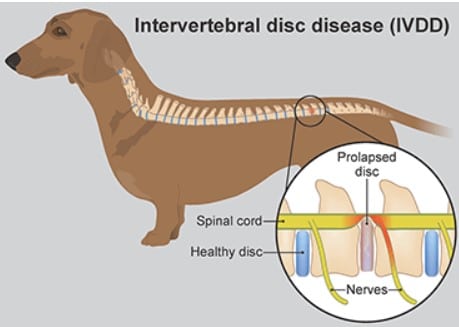
A herniated disc occurs when an intervertebral disc, or a cushion between vertebrae, cracks or bulges, and the spinal cord gets pinched.
People commonly refer to this as:
- IVDD (Intervertebral disc disease) in dogs
- Cats rarely get it, but it is still possible
Intervertebral disc disease treatment can be done either through medicine or operations, which is dependent on the level of severity of the illness.
Why Disc Herniation Is Dangerous
- Compression of the spinal cord reduces the blood flow
- Nerve signals are not transmitted normally
- Without immediate treatment, damage might become irreversible
If care is delayed, not only is the risk of permanent paralysis increased, but dog paralysis spine surgery may be necessary to regain mobility.
Pets Most Commonly Affected
High-Risk Dog Breeds
- Dachshunds
- French Bulldogs
- Beagles
- Shih Tzus
- Cocker Spaniels
Other Risk Factors
- Middle-aged to older pets
- Obesity
- Sudden jumping or twisting
- Degenerative disc disease
Cats are less often affected, but when they are, the symptoms can be very subtle.
Signs of a Herniated Disc (Red Flags)
Early Signs
- Neck or back pain
- Crying when picked up
- Reluctance to move, jump, or climb stairs
- Tight or hunched posture
Progressive & Emergency Signs
- Weakness in limbs
- Knuckling or dragging paws
- Loss of coordination
- Paralysis
- Loss of bladder or bowel control
Loss of the ability to walk is a neurological emergency.
When Is Spine Surgery Needed?
Spinal surgery veterinary specialists recommend surgery when:
- Pain is severe or uncontrollable
- Neurologic deficits are worsening
- The pet cannot walk
- There is a loss of deep pain sensation
- Medical management has failed
Early IVDD surgery dog significantly improves outcomes.
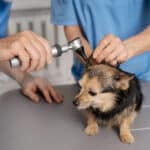
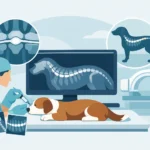
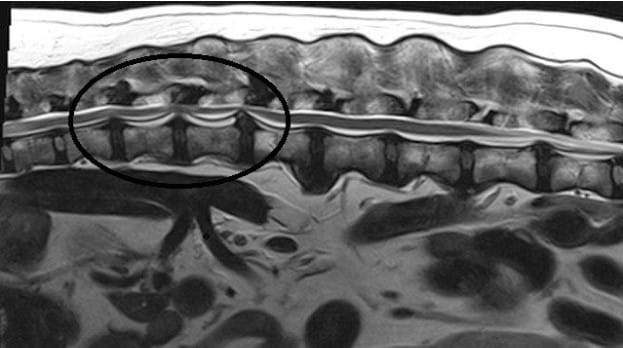
How Herniated Disc Disease Is Diagnosed
Diagnostic Steps
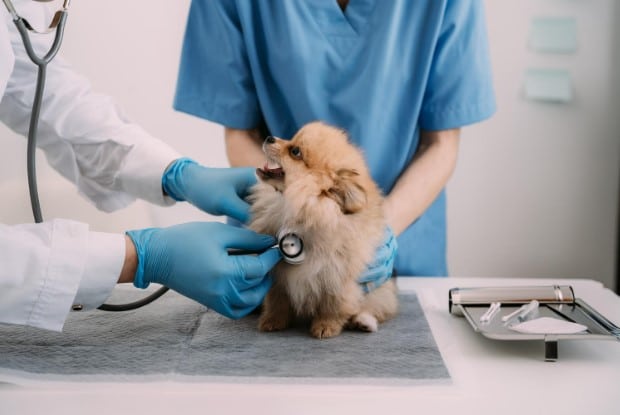
- Full neurologic examination
- Advanced imaging: MRI (gold standard), CT scan (selected cases)
X-rays alone cannot confirm a disc herniation.
Types of Spine & Herniated Disc Surgery
Hemilaminectomy (Most Common)
- Removes part of the vertebral bone
- Relieves pressure on the spinal cord
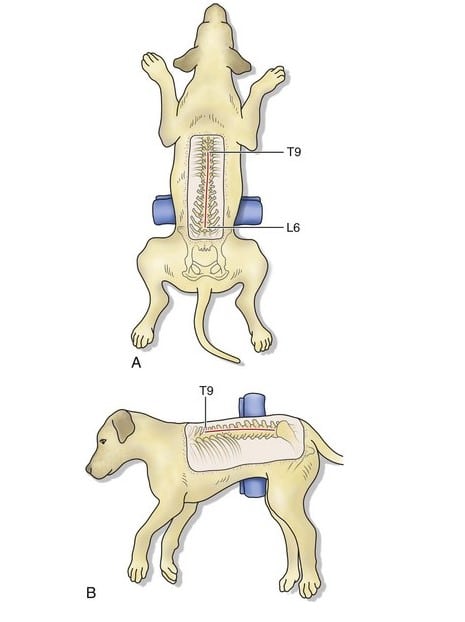
- Common for thoracolumbar IVDD
Ventral Slot Surgery
- Used for cervical (neck) disc herniations
- Approached from the underside of the neck
Mini-Hemilaminectomy / Fenestration
- Helps prevent future disc rupture
- Often combined with decompression
The specific spine operation for dogs is decided by the location and intensity of the disc.
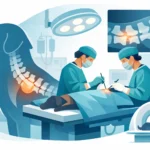
What Happens During Surgery?
- General anesthesia
- Surgical exposure of the affected spinal segment
- Removal of disc material compressing the spinal cord
- Spinal stabilization (if required)
- Closure and intensive monitoring
Most procedures last 13 hours.
Pain Management & ICU Care After Surgery
Post-operative care involves:
- Multimodal pain control
- Anti-inflammatory medications
- Strict activity restriction
- Bladder care (if needed)
- Neurologic monitoring
Most animals are kept for a hospital stay of 25 days.
Recovery Timeline After Spine Surgery
Typical Recovery Stages
- 0-2 weeks: Strict rest and pain control
- 2-6 weeks: Gradual return of strength
- 6-12 weeks: Physical rehabilitation
Physical Therapy May Include
- Assisted standing
- Passive range-of-motion exercises
- Hydrotherapy
- Muscle strengthening
Dog paralysis spinal surgery rehabilitation can really help you get significantly better results.
Prognosis: Will My Pet Walk Again?
Prognosis is influenced by:
- Whether deep pain was present pre-surgery
- How fast did the intervention take place
- The extent of spinal cord injury
- Compliance with post-op care and rehabilitation
Neurologic Status – Prognosis
Pain only – Excellent
Walking but weak – Very good
Non-walking, deep pain present – Good, Very good
No deep pain – Guarded
It is important to stress that early intervention is critical.
Is It Possible to Manage Herniated Discs Without Surgery?
Medical management could be an option if:
- Pain only
- No neurologic deficits
- Mild, first-time episode
It involves:
- Strict crate rest
- Pain relief
- Anti-inflammatory drugs
Medication alone is not suitable for pets that are paralyzed.
Long-Term Management & Prevention
To prevent recurrences:
- Keep your pet’s weight at the perfect level
- Use ramps for getting to different levels instead of stairs
- Disallow jumping on furniture
- Keep up with strengthening exercises
- Look into preventive disc fenestration if your dog breed is prone to it
IVDD is a lifelong condition that can be kept under control with the proper care.
When to Seek Emergency Care
Go to the veterinary emergency clinic if your pet:
- Suddenly loses the ability to walk
- Cries from pain
- Has urinary incontinence
- Exhibits rapidly worsening neurologic symptoms
Every second counts when it comes to spinal
Conclusion
Spine surgery in dogs and herniated disc surgery in pets with IVDD can remarkably improve their quality of life. With early diagnosis, expert spinal surgery, veterinary care, and dedicated rehabilitation, a large number of pets are able to lead happy and active lives again.
If your pet suddenly shows weakness or back pain, do not hesitate to take your pet to a veterinarian for an immediate check-up. Rapid action can make a huge difference.
FAQs
Is IVDD surgery painful for dogs?
Thanks to modern anesthesia and medications, pain is very well managed, and most dogs experience relief shortly after surgery.
How soon should herniated disc surgery be done?
As quickly as possibleinitial surgery results in better nerve recovery and mobility.
Can a paralyzed dog walk again after spine surgery?
Many dogs will be able to walk again, especially if deep pain sensation is detected before surgery.
Is spinal surgery risky for pets?
Any surgical intervention is associated with risk, but spinal surgery is regularly performed, and often it is a life-saving procedure when done in time.
Can IVDD come back after surgery?
There is a possibility of recurrence; however, with lifestyle changes and preventive care, the risk will be greatly diminished.