There is usually no single moment that makes this decision feel easy. More often, families start asking when to euthanize a dog after weeks or months of watching small changes add up – less interest in food, trouble getting up, painful breathing, confusion, or a loss of joy in daily life. If you are facing that question, you are not giving up on your dog. You are trying to protect them from unnecessary suffering, and that is an act of love.
When to euthanize a dog is becoming the kindest option
Euthanasia is considered when a dog’s pain, distress, or loss of function can no longer be managed well enough to give them a comfortable, meaningful quality of life. That can happen with advanced cancer, severe arthritis, organ failure, progressive neurologic disease, traumatic injury, or age-related decline. The diagnosis matters, but the day-to-day experience matters just as much.
A dog does not need to be at death’s door before this decision is discussed. In many cases, waiting for a natural death can mean prolonged discomfort, panic, difficulty breathing, or pain that medications can no longer control. A peaceful, planned goodbye may be gentler than an emergency crisis in the middle of the night.
This is where medical guidance is so important. Your veterinarian can help separate what is treatable, what is manageable, and what is likely to worsen despite treatment. Sometimes there are still options worth trying. Sometimes the most compassionate recommendation is to prevent further suffering.
Signs your dog may be suffering
Families often worry that they will miss the signs or make the call too soon. In reality, most dogs show us a pattern. The question is not whether your dog has a bad day now and then. The question is whether bad days are becoming more common, more severe, or harder to relieve.
Pain is one of the biggest concerns, but it is not always obvious. Some dogs cry out, limp, or resist touch. Others simply withdraw, pant, pace, tremble, hide, or stop doing things they once enjoyed. A dog with chronic pain may seem restless at night, have trouble lying down comfortably, or struggle to stand after resting.
Breathing problems are another serious sign. Labored breathing, persistent coughing, open-mouth breathing at rest, or episodes where your dog seems anxious because they cannot get enough air should never be minimized. Dogs experiencing respiratory distress are often frightened as well as physically uncomfortable.
Loss of appetite can also signal declining quality of life, especially if your dog is refusing favorite foods, eating only with coaxing, or vomiting regularly. Hydration matters too. Dogs that are no longer drinking enough, or cannot keep food and water down, can decline quickly.
Mobility changes deserve careful attention. A dog who slips, falls, cannot rise without assistance, or soils themselves because they cannot get outside is often experiencing more than inconvenience. Loss of independence can create frustration, anxiety, skin problems, and ongoing discomfort.
Mental changes count too. Dogs with cognitive decline may pace, get stuck in corners, seem disoriented in familiar spaces, or stop recognizing routines. A dog who appears persistently confused, distressed, or unable to settle may no longer be experiencing life in a way that feels safe or comfortable.
How veterinarians assess quality of life
When families ask when to euthanize a dog, the most useful conversation usually centers on quality of life rather than age alone. There is no specific birthday or diagnosis that automatically answers the question. Instead, veterinarians look at whether your dog can still enjoy the basics of being a dog.
That includes eating with interest, drinking normally, breathing comfortably, moving without severe distress, resting well, staying clean, interacting with family, and experiencing more good days than bad ones. If several of those areas are declining at the same time, quality of life may be poor even if your dog still has moments of alertness.
It can help to track your dog’s days on a calendar. Mark good days, difficult days, appetite changes, accidents, pain episodes, and sleep patterns. Families are often surprised by what they see after two weeks of writing it down. When bad days begin to outnumber the good, that pattern provides clarity.
Some situations are less clear-cut. A dog with cancer may still enjoy meals and affection but be vulnerable to a sudden internal bleed or rapid decline. A dog with severe arthritis may have a bright mind but a body that can no longer keep up. These are hard cases because love naturally focuses on the parts of your dog that are still present. Your veterinarian can help weigh those good moments against the burden your dog is carrying the rest of the day.
When treatment is still reasonable – and when it may not be
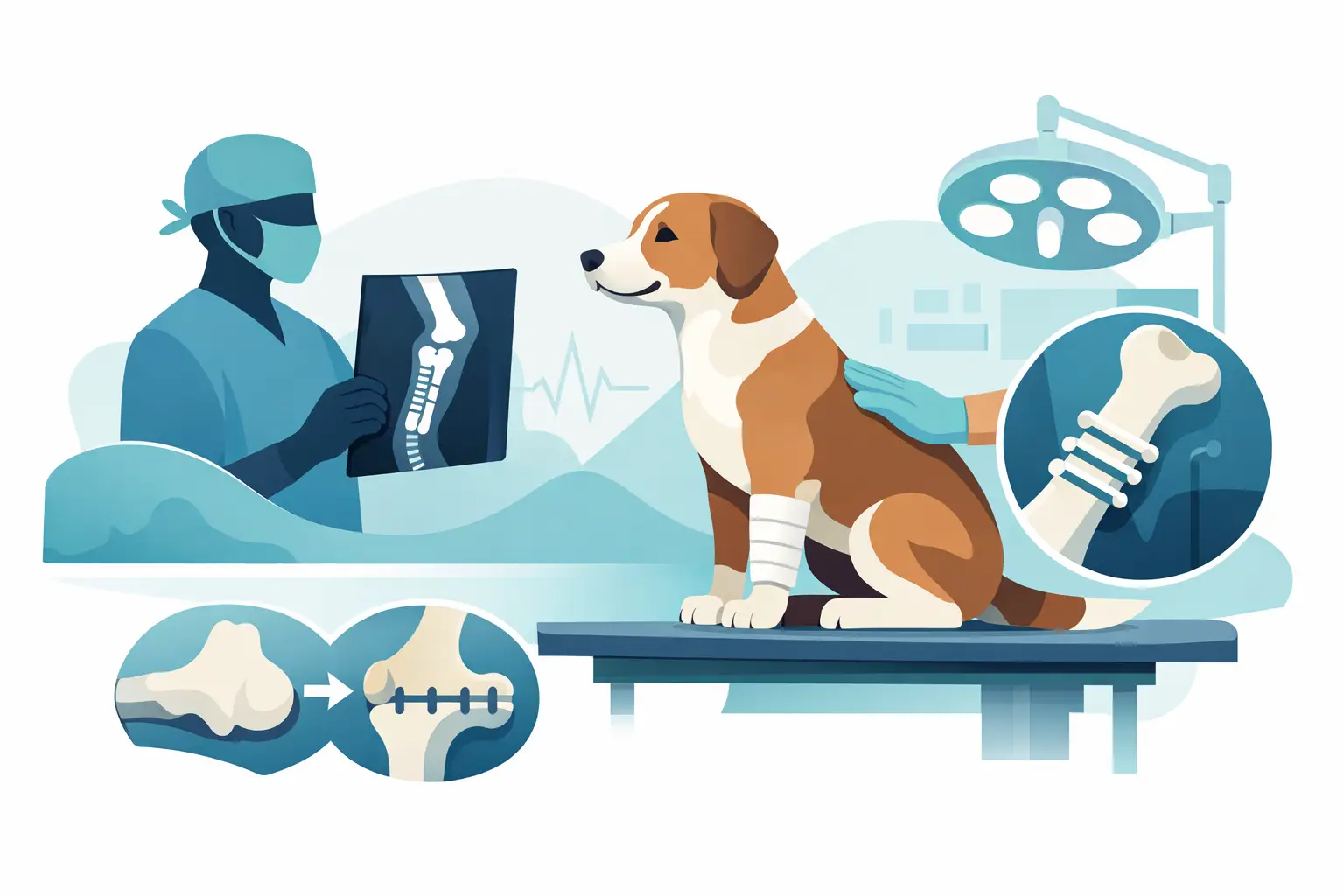
Choosing euthanasia should not feel rushed if there are realistic options for relief. In some cases, pain control can be adjusted, supportive care can be added, advanced imaging can clarify the problem, or surgery may restore comfort and function. Dogs with complex conditions sometimes benefit from a broader diagnostic workup before a final decision is made.
At the same time, more treatment is not always better treatment. If a procedure is unlikely to improve comfort, if hospitalization would be highly stressful with little benefit, or if disease has progressed beyond what medicine can meaningfully manage, then continuing interventions may prolong suffering rather than ease it.
This is especially true in emergencies. A dog with uncontrolled bleeding, severe trauma, advanced heart failure, or irreversible neurologic injury may not have a path back to comfort. In those moments, compassionate end-of-life care can be the most humane choice.
Questions to ask before making the decision
If you are unsure, ask your veterinarian direct questions. Is my dog in pain? Can that pain be controlled? Are we preserving life, or preserving comfort? What is likely to happen over the next few days or weeks? Is there a risk of a sudden crisis? If we try another treatment, what is the best realistic outcome?
These questions matter because families often carry guilt about either choice. They worry about acting too soon, but they also fear waiting too long. Most people who have been through this regret prolonged suffering more than they regret a peaceful goodbye that came slightly earlier than nature might have taken its course.
You know your dog better than anyone. Your veterinarian brings medical perspective, but your observations are essential. If your dog no longer seems like themselves, if they are enduring more than enjoying, or if you are constantly managing distress rather than comfort, those feelings deserve to be taken seriously.
What to expect if euthanasia is recommended
Knowing what the process looks like can lessen some of the fear. Veterinary teams aim to make euthanasia peaceful, gentle, and respectful for both the pet and the family. In most cases, a sedative is given first so your dog can relax fully. Once they are comfortable, the final medication is administered and they pass away without pain.
Some dogs are very tired and calm beforehand. Others may be anxious, painful, or restless because of their condition. That does not mean you have failed them. It means they need your support and a medical team that can guide the process with compassion.
At AV Veterinary Center, end-of-life conversations are handled with both empathy and clinical honesty, because families need reassurance but they also need clear medical guidance. If you are facing this decision, you do not have to figure it out alone.
If you are waiting for the right day
Sometimes the hardest part is not deciding whether euthanasia is appropriate, but deciding when. If your dog has a terminal condition, many families hope their pet will let them know. Occasionally that happens in a very obvious way. More often, the signs are quieter. They stop greeting you at the door. They cannot get comfortable. They lose interest in meals they once loved. The spark is still there sometimes, but it is fading.
There may never be a perfect answer or a perfect day. What you can aim for is a kind day, before pain becomes overwhelming, before breathing becomes a struggle, before fear replaces comfort. That is not choosing death over life. It is choosing peace over suffering.
If you are asking when to euthanize a dog, your heart is already doing the difficult work of putting your pet first. Let your veterinarian help you carry the rest.