A dog that suddenly starts limping after chasing a ball is scary enough. When that limp does not improve, or your pet seems unwilling to put weight on a back leg, a torn ccl in pets at AV Veterinary Center is one of the conditions we take seriously because early evaluation can make a real difference in comfort, stability, and long-term joint health.
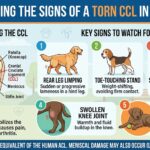
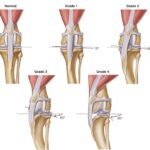
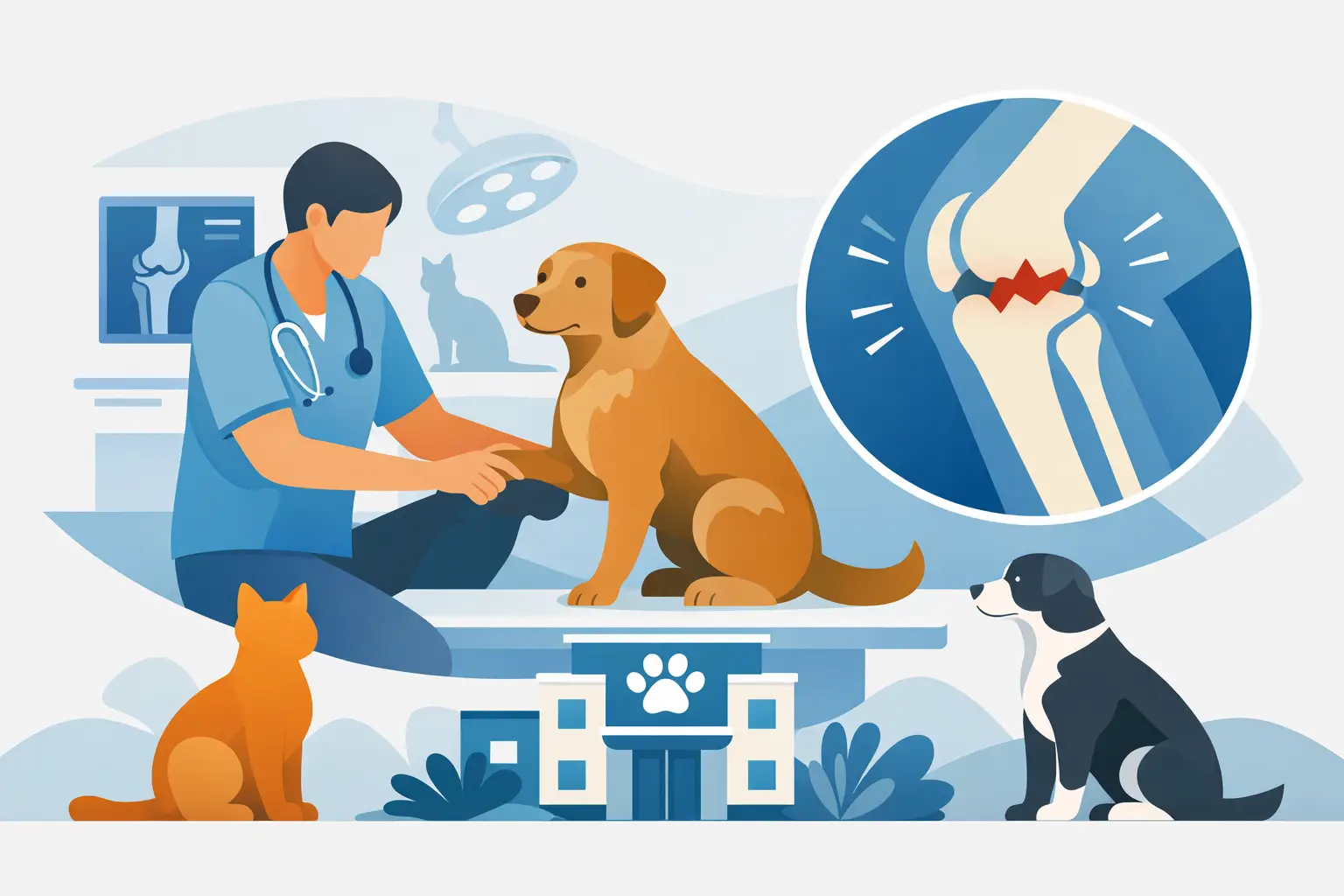
The cranial cruciate ligament, often called the CCL, helps stabilize the knee joint in dogs. It is similar to the ACL in people, but injuries in pets do not always happen the same way. In many dogs, the ligament weakens over time and then partially or completely tears during normal activity. That means your dog may not have had one dramatic accident. Sometimes the injury appears after a run, a jump off the couch, or even a routine walk.
Cats can injure this ligament too, although it is more common in dogs. Large breeds, active dogs, overweight pets, and middle-aged to senior dogs are often at higher risk, but any pet can be affected. Because the knee becomes unstable after a tear, the joint can become painful and inflamed quickly. Over time, arthritis can develop or worsen if the problem is left untreated.
What a torn CCL in pets can look like
Some pets stop using the leg almost immediately. Others have a more subtle limp that comes and goes, especially after exercise. You may notice your dog sitting with the leg angled out, having trouble rising, hesitating on stairs, or tiring more quickly on walks. In partial tears, the signs can be mild at first and then progress over weeks or months.
There are also cases where pet owners think the problem is in the hip, paw, or back because the limp changes from day to day. That is one reason a proper orthopedic exam matters. Knee injuries can mimic other conditions, and the right treatment starts with the right diagnosis.
How we diagnose a torn CCL in pets at AV Veterinary Center
A diagnosis begins with a physical exam and a close look at how your pet stands and walks. Your veterinarian will evaluate the knee for swelling, pain, reduced range of motion, and instability. One of the classic findings is abnormal movement within the knee, sometimes called drawer motion, but not every pet is relaxed enough for that to be easy to assess when awake.
X-rays are usually an important next step. They do not show the ligament itself well, but they can reveal joint effusion, arthritis, and other changes that support the diagnosis. They also help rule out fractures, certain growths, and other causes of lameness. In more complex cases, advanced imaging may be recommended, especially if there are additional orthopedic concerns or a pet has a less typical presentation.
This is where having broad diagnostic capability in one facility can help. Some pets need a straightforward workup and treatment plan. Others benefit from more advanced imaging, surgical planning, and rehabilitation support without having to coordinate care across multiple locations.
Why timing matters
A torn CCL is not just a temporary limp. Once the knee is unstable, the cartilage and meniscus can be placed under abnormal stress. The meniscus is a cushion inside the joint, and when it becomes damaged, pain often increases significantly. Delaying care can also allow arthritis to progress further.
That does not mean every pet needs emergency surgery the same day. It does mean that persistent limping, sudden rear leg lameness, or signs of knee pain should be evaluated promptly. The earlier we can define the problem, the earlier we can protect the joint and discuss realistic options.
Treatment depends on the pet
There is no single treatment that fits every torn CCL. The best plan depends on your pet’s size, age, activity level, overall health, degree of instability, and whether the tear is partial or complete. Lifestyle and family goals matter too. A young, active large-breed dog usually needs a different approach than a small senior dog with multiple medical conditions.
For many dogs, especially medium to large dogs, surgery offers the best chance for improved stability and function. Surgical treatment is designed to address the unstable joint and reduce ongoing damage. There are different surgical techniques, and the right procedure depends on the individual case. The goal is not simply to get your pet walking again, but to support more comfortable long-term use of the limb.
Conservative management may be considered in select cases, particularly for some small dogs, cats, or pets who are not ideal surgical candidates. This can include pain management, anti-inflammatory medication, activity restriction, joint support, weight management, and structured rehabilitation. The trade-off is that non-surgical care may not restore the same level of stability, and some pets continue to have intermittent pain or reduced function.
The role of surgery and advanced care
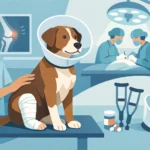
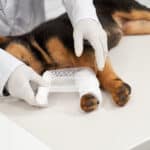
When surgery is recommended, pet owners often want to know two things right away: Will my dog recover well, and how long will it take? Most pets do improve significantly after appropriate surgical repair, but recovery is not instant. Healing is a process that usually includes restricted activity, scheduled rechecks, pain control, and a carefully managed return to exercise.
This is also where comprehensive care matters. Orthopedic surgery works best when it is supported by good diagnostics, attentive monitoring, and a clear recovery plan. At AV Veterinary Center, pets can benefit from a continuum of care that includes advanced imaging, surgical capability, and rehabilitative support. For some patients, rehab tools such as hydrotherapy or an underwater treadmill can be helpful parts of recovery once healing has progressed enough for guided exercise.
Not every pet needs every service. Some recover well with a simpler plan. Others, particularly athletic dogs, larger dogs, or pets with muscle loss, may do better with a more structured rehabilitation approach. That is why individualized treatment planning matters so much.
What recovery looks like at home
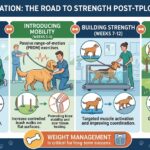
The first weeks after diagnosis or surgery often require the most patience. Even if your pet feels better quickly, too much activity too soon can set recovery back. Running, jumping, rough play, and slippery floors can all create problems. Most families need to think ahead about crate rest or confinement, short leash walks only, and how to help their pet move safely around the house.
Pain control is also a real part of healing. Pets hide discomfort well, so it helps to watch for subtle signs such as restlessness, panting, reduced appetite, or reluctance to rise. Follow medication instructions closely and let your veterinary team know if something seems off. Small adjustments can make recovery much smoother.
Weight management deserves special attention. Extra pounds put extra strain on an injured or healing knee. For many dogs with CCL disease, getting to a healthier body condition is one of the most effective ways to reduce stress on the joint and improve long-term comfort.
Will the other knee be affected?
Unfortunately, it is common for dogs with a torn CCL in one knee to develop a problem in the other knee later. That does not happen in every case, but the risk is high enough that we discuss it openly with families. This is another reason long-term joint care matters, even after the first knee has been treated successfully.
Good muscle maintenance, healthy weight, regular follow-up, and attention to early signs of limping can all help. If your pet starts favoring the opposite leg, that should be checked promptly rather than watched for weeks.
When to call
If your dog suddenly will not bear weight on a back leg, if the knee looks swollen, or if your pet cries out in pain, call right away. If your pet has a limp that seems mild but lasts more than a day or two, it is still worth scheduling an exam. What looks like a strain to the eye can turn out to be a joint injury that needs a very different plan.
Families in Lancaster, Palmdale, and the surrounding Antelope Valley area often want care that is both compassionate and medically thorough. That is exactly the point. A knee injury affects comfort, mobility, and quality of life, but with a timely diagnosis and the right treatment plan, many pets return to happier, more active routines.
If you are worried about a new limp or a suspected knee injury, the best next step is a veterinary evaluation. A steady, comfortable walk starts with knowing what your pet is dealing with and having a team ready to help every step after that.