

Pyometra Surgery in Dogs and Cats
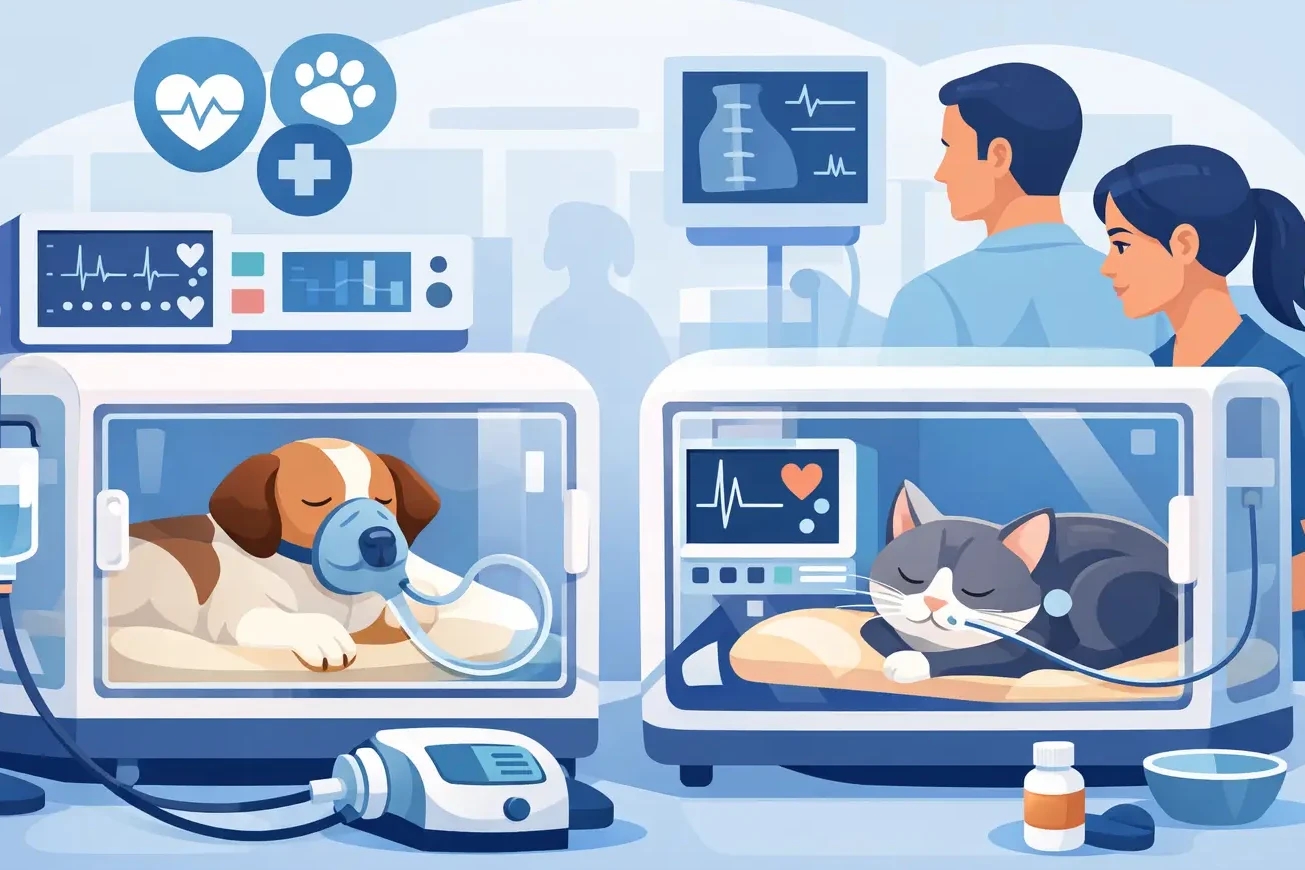
One day your pet seems tired and off, and by the next, she may be facing a life-threatening emergency. Pyometra surgery is often the treatment that saves dogs and cats with this serious uterine infection, and timing matters. When an infection is trapped inside the uterus, it can quickly lead to sepsis, organ stress, dehydration, and collapse.
For pet owners, this can feel sudden and frightening. The good news is that with prompt diagnosis, skilled surgical care, and close monitoring, many pets recover well. Knowing what pyometra is, what warning signs to watch for, and what to expect from surgery can help you act quickly when your pet needs you most.
What is pyometra?
Pyometra is a severe infection of the uterus that most often affects unspayed females. It usually develops after a heat cycle, when hormonal changes create conditions that allow bacteria to grow inside the uterus. As the uterus fills with infected material, the pet can become seriously ill in a short period of time.
There are two main forms of pyometra. In an open pyometra, the cervix remains open and discharge may drain from the vulva. In a closed pyometra, the cervix is shut, which means the infected material is trapped inside the uterus. Closed pyometra is especially dangerous because there may be no visible discharge, even while the infection worsens rapidly.
Dogs develop pyometra more commonly than cats, but it can occur in both. The condition is considered an emergency because untreated infection can lead to uterine rupture, widespread infection in the bloodstream, shock, and death.
Signs that may point to pyometra surgery
Many pets with pyometra do not look obviously critical at first. Some simply seem quieter than usual or lose interest in food. Others show more dramatic signs. You may notice vomiting, increased thirst, frequent urination, weakness, abdominal swelling, fever, or discharge from the vulva. Some pets become lethargic enough that they do not want to get up or interact normally.
It depends on whether the pyometra is open or closed, how long it has been developing, and how the pet’s body is responding to the infection. A dog with open pyometra may still be walking around and drinking water, while a pet with closed pyometra may become very sick with little warning. That is one reason veterinarians take these signs seriously, especially in an unspayed female who has recently been in heat.
If your pet is vomiting, weak, breathing harder than normal, has pale gums, or seems to be declining quickly, emergency evaluation is the safest next step.
Why pyometra surgery is usually the best treatment
The standard treatment for pyometra is surgery to remove the infected uterus and ovaries. This procedure is similar in concept to a spay, but it is more complex because the uterus is enlarged, fragile, and full of infected material. The patient may also be dehydrated, septic, or unstable before surgery begins.
In most cases, pyometra surgery offers the clearest path to removing the source of infection. Antibiotics alone are generally not enough to resolve the problem safely, especially in dogs. There are medical management options in select breeding animals, but these cases require very careful selection and close follow-up, and recurrence is common. For the average family pet, surgery is the most reliable and definitive treatment.
The trade-off is that surgery on a sick pet carries more risk than a routine spay. That is why pre-operative stabilization, anesthesia planning, monitoring, and post-operative support matter so much.
How veterinarians diagnose pyometra
Diagnosis usually starts with a physical exam and a review of your pet’s recent history, including whether she has had a recent heat cycle. Bloodwork often helps assess infection, dehydration, kidney function, and how sick the pet is overall. Imaging such as ultrasound or X-rays can help confirm an enlarged, fluid-filled uterus and rule out other causes of abdominal illness.
This step is important because pyometra can look similar to other urgent conditions at home. Vomiting, lethargy, increased thirst, and abdominal discomfort can overlap with problems involving the gastrointestinal tract, kidneys, pancreas, or bladder. Good diagnostics help the veterinary team move quickly while still making sound medical decisions.
What happens before surgery
Before pyometra surgery, many pets need to be stabilized. That often includes IV fluids, antibiotics, pain control, and bloodwork review. If the infection has affected blood pressure, blood sugar, kidney values, or electrolyte balance, those issues may need attention right away.
This preparation is not a delay for delay’s sake. It improves safety under anesthesia and helps the body tolerate surgery. In very unstable patients, even a few hours of supportive care can make a meaningful difference.
Pet owners often ask whether surgery can wait until the next day. In most cases, pyometra should be treated as soon as possible once diagnosed. Waiting can allow the infection to worsen and raises the risk of rupture or sepsis.
What pyometra surgery involves
During pyometra surgery, the ovaries and uterus are removed through an abdominal incision. The surgeon works carefully to prevent leakage of infected material into the abdomen and to manage the enlarged blood vessels that often accompany this condition. Gentle tissue handling and careful surgical technique are especially important.
Because these patients can be medically fragile, anesthesia monitoring is a major part of care. Heart rate, blood pressure, oxygenation, temperature, and other parameters are watched closely throughout the procedure. In some pets, especially older dogs or those with more advanced illness, the medical team may recommend additional monitoring and supportive care after surgery as well.
If the uterus has ruptured or there is concern for contamination in the abdomen, treatment becomes more intensive. That does not mean recovery is impossible, but it does increase the seriousness of the case and the need for close post-operative management.
Recovery after pyometra surgery
Many pets improve noticeably once the infected uterus is removed, but recovery is not always instant. Some are brighter within a day. Others need a longer hospital stay for IV fluids, antibiotics, pain management, and monitoring of appetite, energy, and lab values.
At home, recovery often looks similar to other abdominal surgeries in some ways. Your pet needs rest, incision monitoring, and restricted activity. She should wear an e-collar or recovery suit if recommended so she cannot lick the incision. Give medications exactly as prescribed, and keep follow-up visits even if she seems much better.
Appetite may be reduced for a short time, but continued vomiting, diarrhea, weakness, labored breathing, pale gums, or a swollen painful abdomen are not expected recovery signs. If anything feels off, it is best to call right away.
Risks and prognosis
Any emergency surgery carries risk, and pyometra is no exception. Risk level depends on how early the disease was caught, whether the uterus has ruptured, your pet’s age, and whether organs such as the kidneys are affected. A stable pet treated promptly generally has a much better outlook than one arriving in shock or with severe sepsis.
The reassuring part is that many pets do very well after surgery when care is started in time. Once the infected uterus and ovaries are removed, the condition itself does not come back. The most significant dangers are tied to delay, advanced infection, or complications present before treatment begins.
Can pyometra be prevented?
Yes. The most effective prevention is spaying before pyometra has a chance to develop. Spaying removes the uterus and ovaries, which prevents this infection and also reduces the risk of several other reproductive diseases. Timing of spay can vary depending on species, breed, age, and overall health, so it is worth having that discussion with your veterinarian based on your pet’s individual needs.
For pets that remain unspayed, paying close attention after heat cycles matters. Any unusual discharge, lethargy, increased drinking, appetite loss, or vomiting should be evaluated promptly.
When to seek emergency care
If your unspayed dog or cat is acting sick and has recently been in heat, pyometra needs to be on the list of possibilities. Do not wait for every symptom to appear. Some pets show only a few subtle changes before becoming critically ill.
A full-service hospital with urgent care, surgery, diagnostics, and post-operative support can make a major difference because these cases often need fast answers and immediate treatment. At AV Veterinary Center, that means pet owners in Lancaster, Palmdale, and the Antelope Valley can access both emergency evaluation and advanced surgical care in one place.
If you are worried about your pet, trust that instinct. A quick exam is always easier than trying to catch up with a rapidly progressing infection, and early action gives your dog or cat the best chance for a safe recovery.