

ICU Unit Benefits for Critical Pets Recovery
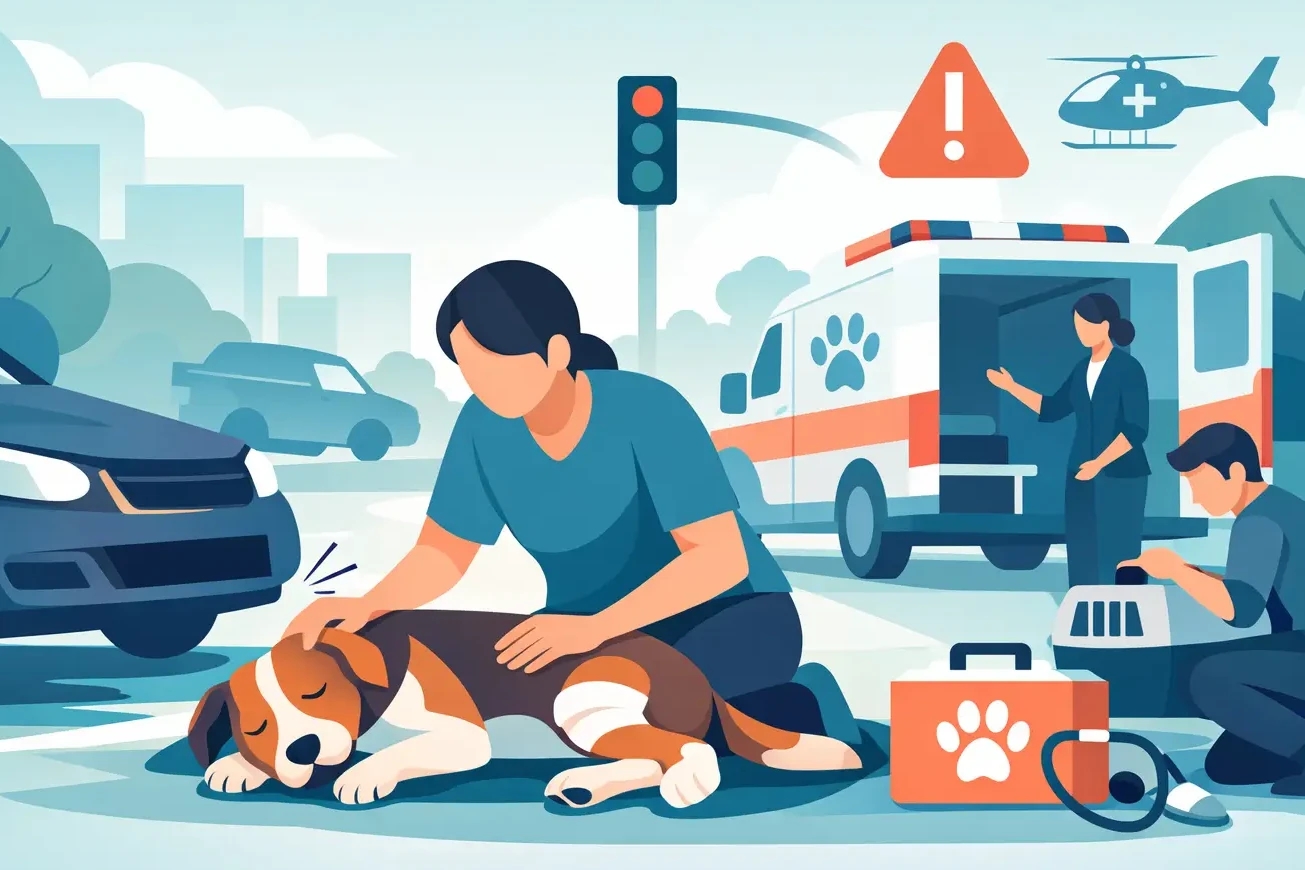
A pet who cannot keep their oxygen levels up, maintain blood pressure, or recover safely after major surgery needs more than routine hospitalization. The real value of icu unit benefits for critical pets stabilization and recovery is that every hour of care is built around close monitoring, rapid treatment changes, and support for the body while it heals.
For many families, the letters ICU sound frightening. They usually mean the situation is serious, and that is true. But they also mean your dog or cat is in a setting designed for the sickest patients – pets who need advanced equipment, skilled nursing, and medical decisions made quickly when conditions change.
Why ICU unit benefits for critical pets stabilization and recovery matter
A veterinary ICU is not simply a quieter room with cages. It is a hospital-level care environment for pets facing trauma, breathing problems, severe infection, toxin exposure, neurologic events, post-operative complications, uncontrolled pain, or other life-threatening conditions.
The biggest difference is intensity of care. In general hospitalization, a stable patient may need periodic checks, medication administration, and supportive care. In an ICU, a critical patient may need oxygen support, IV fluids adjusted throughout the day, continuous temperature tracking, blood pressure monitoring, repeat bloodwork, pain management, nutritional support, and immediate intervention if their condition declines.
That level of attention matters because critical illness can change fast. A pet may seem improved in the morning and struggle by afternoon. Blood pressure can drop. Breathing can become more labored. Internal bleeding, sepsis, arrhythmias, and swelling after surgery can develop with little warning. ICU care is built around catching those changes early, when treatment can still make a major difference.
What an ICU actually does for a critical pet
Stabilization comes first. If a pet arrives in shock, severe respiratory distress, or with major injuries, the initial goal is to support the basic functions the body needs to survive – oxygen delivery, circulation, temperature control, and pain relief. That often means IV catheter placement, fluid therapy, oxygen supplementation, emergency imaging, blood testing, and medications that can be adjusted based on response.
Once the immediate crisis is controlled, recovery support becomes the focus. Recovery is not passive. It can involve managing nausea so a pet can eat again, preventing pressure sores in a weak patient, keeping surgical sites clean, monitoring urine output, correcting electrolyte imbalances, and reducing stress so healing is not constantly interrupted by fear or discomfort.
This is where ICU care becomes especially valuable for dogs and cats with complicated needs. A pet recovering from trauma may also need neurologic checks. A dog with pancreatitis may need aggressive fluids but also careful monitoring to avoid fluid overload. A cat with urinary obstruction may look better after the blockage is relieved, but still need close observation for kidney values, electrolyte shifts, and pain control. ICU medicine is often about managing several problems at once, not just one diagnosis.
Monitoring that catches problems early
Close monitoring is one of the clearest icu unit benefits for critical pets stabilization and recovery. In critical cases, waiting too long to notice a problem can limit treatment options. When a team is tracking vital signs, mentation, oxygenation, blood pressure, comfort, and laboratory trends, they can respond before a setback becomes a crisis.
That does not mean every ICU patient needs the exact same equipment or level of intervention. It depends on the illness, age, and overall stability of the pet. Some need oxygen cages or advanced respiratory support. Others need frequent neurologic assessment after spinal or head trauma. Post-surgical patients may require intensive pain control, fluid management, and repeated checks for bleeding or swelling.
For pet owners, this kind of monitoring also provides something emotionally important: informed updates. Instead of guessing whether a pet is resting or worsening, the care team can explain what has changed, what the numbers show, and what the next steps are.
Pain control and comfort are part of survival
Families sometimes think ICU care is only about machines and emergency procedures. In reality, comfort is a major medical priority. Pain increases stress hormones, affects breathing and heart rate, reduces appetite, slows mobility, and can interfere with healing.
A critical pet may need injectable pain medication, constant-rate infusions, anti-nausea treatment, warming support, repositioning, and help staying clean and dry. Cats, in particular, can become withdrawn and difficult to assess if they are painful or frightened. Dogs may become restless, vocal, or unwilling to lie down comfortably. Managing those signs is not only compassionate – it can improve recovery.
Comfort also includes minimizing unnecessary stress. ICU teams work to handle pets carefully, create safer resting conditions, and tailor treatment to what each patient can tolerate. A brachycephalic dog in respiratory distress, for example, may become worse if stressed by too much handling. A senior cat with heart disease may need a very different fluid plan than a young trauma patient. Good ICU care is always individualized.
ICU care after emergency surgery and advanced procedures
Some pets enter the ICU because of illness. Others need it after major surgery or complex intervention. Procedures involving the abdomen, chest, spine, bladder, airway, or severe wounds may require a higher level of observation during the first hours or days after treatment.
This is especially true when there is risk of bleeding, infection, breathing compromise, neurologic changes, or severe post-operative pain. A pet may need repeat imaging, drainage monitoring, bloodwork, oxygen support, or rehabilitation planning as recovery begins. Having advanced diagnostics and treatment capabilities available in one facility can make those transitions faster and safer.
That continuity matters for families too. When the same hospital can evaluate the emergency, perform needed diagnostics, provide surgery, and oversee intensive recovery, communication tends to be clearer and care plans more coordinated. In a high-stress situation, reducing delays and handoffs is not a small benefit.
When a pet may need ICU-level hospitalization
Not every urgent case requires intensive care, but some conditions commonly do. These include severe trauma, heatstroke, seizures, toxin ingestion, diabetic emergencies, respiratory distress, severe pancreatitis, shock, collapse, uncontrolled bleeding, urinary obstruction, post-operative complications, and serious infections.
There are also gray-area cases where the need for ICU care depends on how the pet responds in the first few hours. A dog with pneumonia may improve with oxygen and medication, or may become more distressed and require much closer support. A cat with kidney failure may initially appear stable but worsen as lab values shift. That is why early evaluation is so important. Waiting at home to see what happens can allow a manageable problem to become much harder to treat.
What pet owners can expect during an ICU stay
An ICU stay can feel overwhelming because progress is not always linear. Some pets improve steadily. Others have a good day followed by a setback. Critical care often involves frequent reassessment and treatment changes based on new findings.
That does not mean the plan is uncertain. It means the care team is responding to the reality of critical illness. Good communication should include what the main concerns are, what treatments are being used, what markers show improvement, and where the risks still remain.
At AV Veterinary Center, families facing serious illness or injury in a pet need both compassion and clear medical guidance. ICU-level care works best when owners understand not only what is being done, but why it matters for stabilization, comfort, and the safest possible recovery.
One practical truth is that intensive care can be resource-heavy. It often requires specialized staff time, advanced monitoring, and repeat diagnostics. For some pets, that investment gives them the best chance at recovery. For others with advanced disease or poor prognosis, the conversation may include quality of life and realistic goals. A trustworthy veterinary team will talk honestly about both possibilities.
The real benefit is time, support, and expertise
When a pet is critically ill, the body may need time to respond to treatment. The lungs may need help getting enough oxygen into the bloodstream. The kidneys may need support while toxins clear. The heart and circulation may need stabilization after shock or blood loss. The brain and spinal cord may need close monitoring after injury. An ICU creates the conditions where that healing time is protected and where worsening signs are addressed quickly.
For families in Lancaster, Palmdale, and the Antelope Valley, access to advanced veterinary care close to home can make a difficult moment more manageable. If your dog or cat is showing signs of a medical emergency, do not wait for symptoms to settle on their own. Prompt evaluation can be the difference between a pet who needs brief stabilization and one who arrives in far more serious condition.
If your pet ever requires intensive care, remember this: ICU treatment is not just about keeping a patient alive through the worst moment. It is about giving them skilled, closely supervised support while their body has the best possible chance to recover.