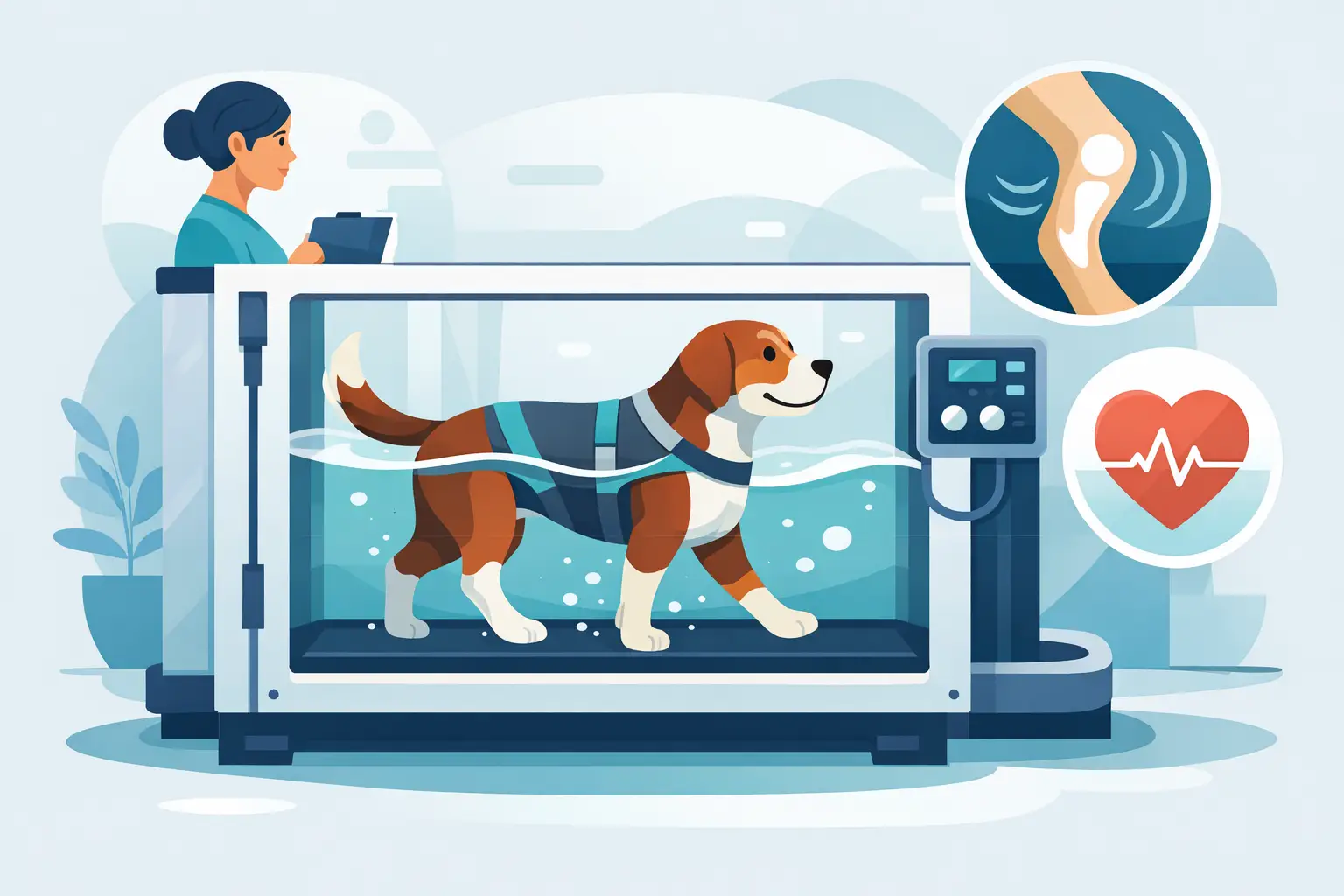
When a dog is recovering from surgery, struggling with arthritis, or simply losing strength with age, regular exercise can become difficult fast. An underwater treadmill for dogs gives veterinarians and rehabilitation teams a way to keep those pets moving with less stress on painful joints, healing tissues, and weakened muscles.
For many families, hydrotherapy sounds unusual at first. Once they understand how it works, it often makes immediate sense. Water reduces the impact of movement while still creating gentle resistance, which means a dog can build strength, improve mobility, and relearn healthy movement patterns in a controlled setting.
How an underwater treadmill for dogs works
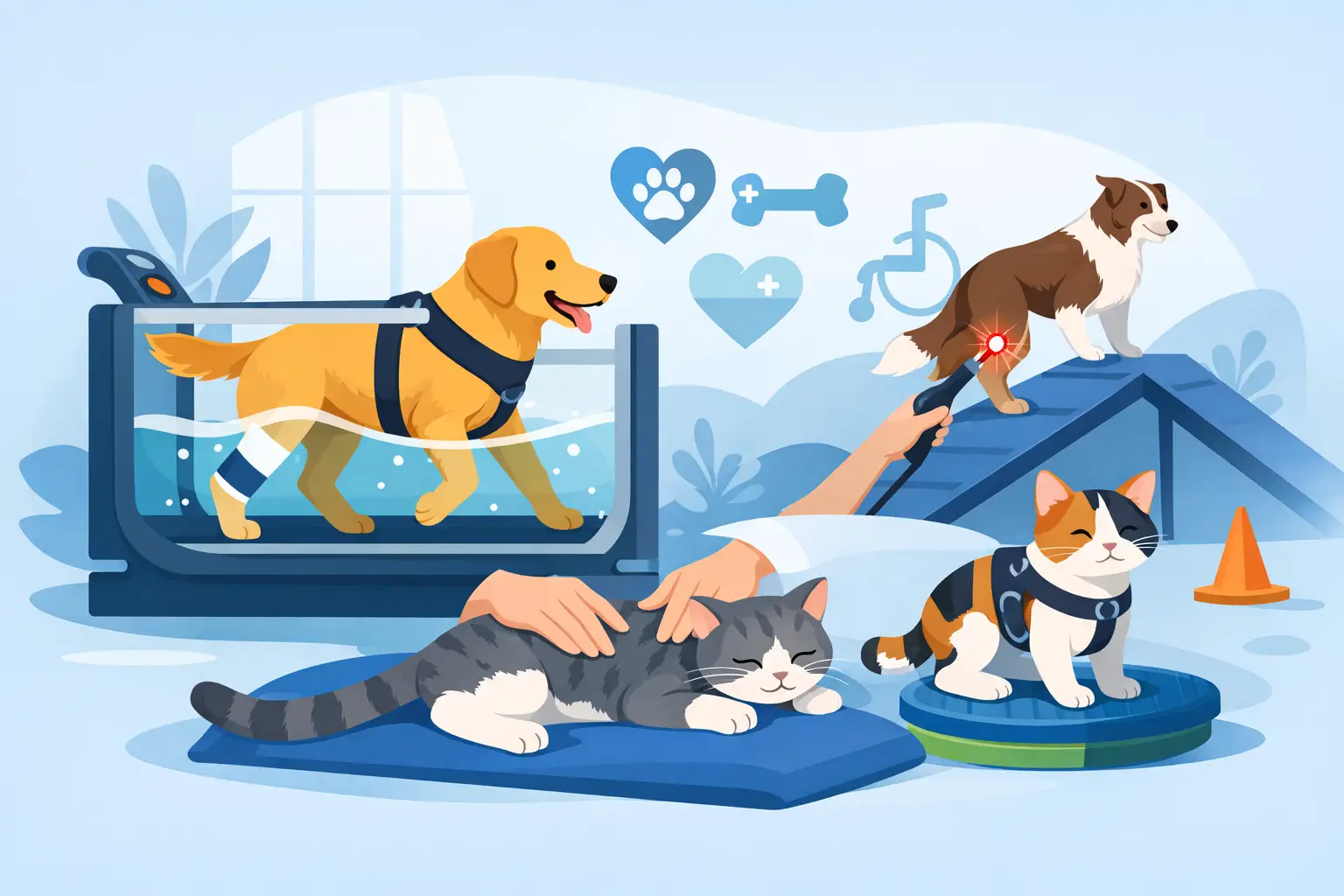
An underwater treadmill is a specialized rehabilitation tool designed for canine therapy. The dog walks inside a clear chamber while the water level is adjusted to meet specific treatment goals. A trained veterinary rehabilitation team controls the depth, speed, session length, and level of support based on the dog’s condition, comfort, and medical history.
The water does several jobs at once. Buoyancy helps reduce the amount of weight placed on the limbs and spine. Hydrostatic pressure can support circulation and reduce swelling. Resistance from the water makes each step more purposeful, so even slow walking can help strengthen muscles and improve coordination.
That combination is what makes this therapy so valuable. A dog who cannot tolerate enough land exercise to make progress may be able to move more comfortably in water, which creates a safer path toward recovery.
When veterinarians recommend an underwater treadmill for dogs
This therapy is not only for one type of patient. It can be useful in a wide range of medical and mobility cases, especially when movement is necessary but full weight-bearing is difficult or painful.
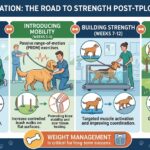
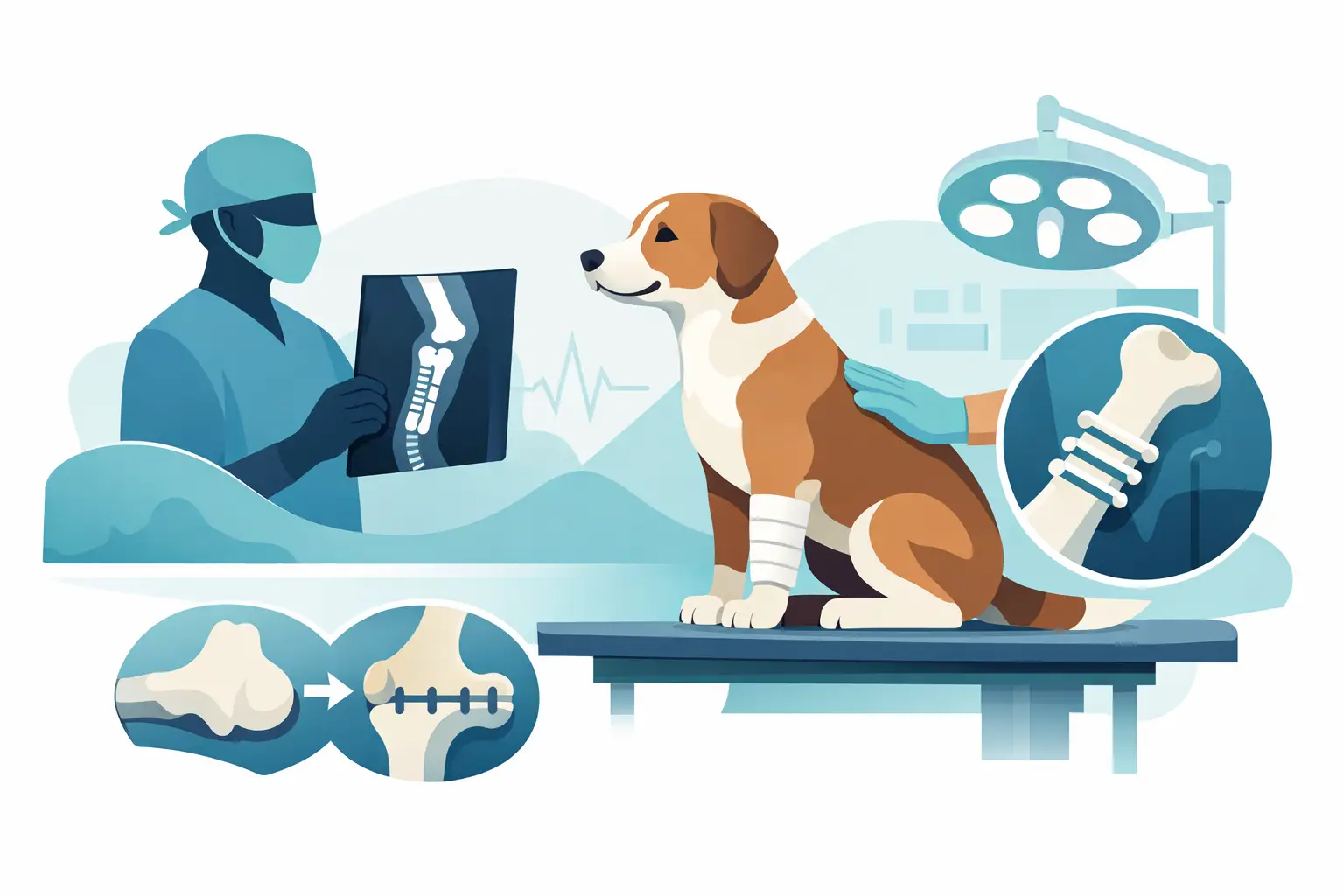
Dogs recovering from orthopedic procedures often benefit from carefully guided hydrotherapy. After surgeries involving the knee, hip, or other joints, the goal is not simply to get the dog moving again. The goal is to support better, more balanced movement while protecting healing structures. The underwater treadmill can help build that bridge.
It is also commonly recommended for dogs with arthritis. These patients often need exercise to maintain joint function and muscle mass, but too much impact can make them more uncomfortable. Walking in water gives many arthritic dogs a more tolerable way to stay active.
Neurologic patients may benefit as well, depending on the diagnosis and stage of recovery. Dogs with weakness, balance issues, or delayed limb placement sometimes respond well to the sensory input and supported movement that water provides. In these cases, progress may be gradual, and treatment plans need close veterinary oversight.
Some dogs use underwater treadmill sessions for conditioning rather than injury recovery. Senior dogs, overweight dogs, and certain athletic dogs may benefit from low-impact exercise that supports strength and endurance. That said, conditioning therapy should still be guided by a veterinarian when there are underlying health concerns.
What conditions may benefit
An underwater treadmill for dogs may be considered as part of treatment or rehabilitation for cruciate ligament injuries, post-operative recovery, hip dysplasia, arthritis, muscle loss, obesity, spinal conditions, neurologic weakness, and age-related mobility decline. Whether it is appropriate depends on the dog’s diagnosis, pain level, surgical status, cardiovascular health, skin health, and overall stability.
This is where individualized planning matters. Two dogs with the same diagnosis may need very different therapy approaches. One may be ready for active hydrotherapy early, while another may need pain control, rest, or different rehabilitation techniques first.
What a session typically looks like
A proper program starts with a veterinary assessment. Before hydrotherapy begins, the medical team looks at the dog’s diagnosis, range of motion, gait, strength, comfort level, surgical history, and any risks that could affect treatment. This step is important because underwater therapy is not a one-size-fits-all service.
During the session, the dog is guided into the treadmill chamber and the water is gradually raised. Some dogs are confident right away. Others need time, encouragement, and gentle handling to relax. The treadmill speed starts low, and the team watches closely for fatigue, gait changes, stress, or signs of discomfort.
Sessions are usually tailored carefully rather than pushed aggressively. A short, well-managed session is often more effective than trying to do too much too soon. As the dog gains strength and tolerance, the treatment plan may change by adjusting water depth, speed, duration, or frequency.
Afterward, the team evaluates how the dog responded. That response helps guide the next session and the broader rehabilitation plan.
Benefits beyond exercise
One of the biggest advantages of underwater treadmill therapy is that it allows movement that might otherwise be too painful, too difficult, or too risky on land. That alone can be meaningful, especially for dogs that are losing confidence along with physical ability.
There are also broader benefits. Regular sessions may help maintain muscle mass, improve joint motion, support weight management, and encourage more normal gait mechanics. In post-surgical cases, therapy can play an important role in helping a dog return to daily activities with better strength and coordination.
For some families, the emotional benefit is just as important. Seeing a dog move more comfortably after weeks of limited activity can be a real turning point. A pet that seemed withdrawn or frustrated may begin showing more interest in walks, play, and everyday life.
Important limitations and safety considerations
Hydrotherapy is useful, but it is not the right choice for every dog. Some medical conditions make underwater treadmill sessions unsafe or inappropriate, at least temporarily. Open wounds, certain infections, uncontrolled heart or respiratory disease, severe stress in the water, and some post-operative stages may require a different approach.
That is why veterinary supervision matters. A medically sound plan takes the whole patient into account, not just the limp or the surgery site. Pain control, imaging results, surgical instructions, neurologic findings, and home activity restrictions all influence whether underwater therapy should begin and how it should be structured.
It is also worth remembering that an underwater treadmill is not a shortcut. Results usually come from consistency, realistic goals, and a program that may also include home exercises, medication, weight management, and follow-up evaluations. The treadmill is one tool within a larger rehabilitation strategy.
How to know if your dog is a good candidate
If your dog is slowing down, limping, recovering from surgery, or having trouble getting back to normal activity, it is reasonable to ask whether rehabilitation could help. The best next step is a veterinary evaluation focused on function, pain, and diagnosis rather than guessing based on symptoms alone.
A good candidate is not simply a dog with mobility trouble. A good candidate is a dog whose condition, temperament, and medical status make this kind of supported exercise both safe and useful. Some dogs benefit early in recovery. Others do better later, once inflammation or surgical healing has progressed. It depends on the case.
At a facility with both general and advanced veterinary capabilities, rehabilitation can be coordinated with imaging, surgery, pain management, and ongoing medical care. That matters because recovery is rarely just about one appointment. It is a process, and pets tend to do best when each part of that process works together.
Why personalized rehab matters
The most effective underwater treadmill for dogs program is the one built around the individual patient. Breed, age, body condition, diagnosis, personality, and home environment all affect progress. A senior Labrador with arthritis needs something very different from a young dog recovering from orthopedic surgery or a neurologic patient relearning coordinated movement.
At AV Veterinary Center, that personalized approach is part of the larger standard of care. Rehabilitation and hydrotherapy are most valuable when they are integrated into a complete medical plan guided by compassionate, evidence-based veterinary oversight.
If your dog is dealing with pain, weakness, or a slower recovery than expected, asking about rehabilitation is a practical next step. Sometimes the right support does not mean doing more. It means doing the right kind of movement, at the right time, with the right medical team beside you.