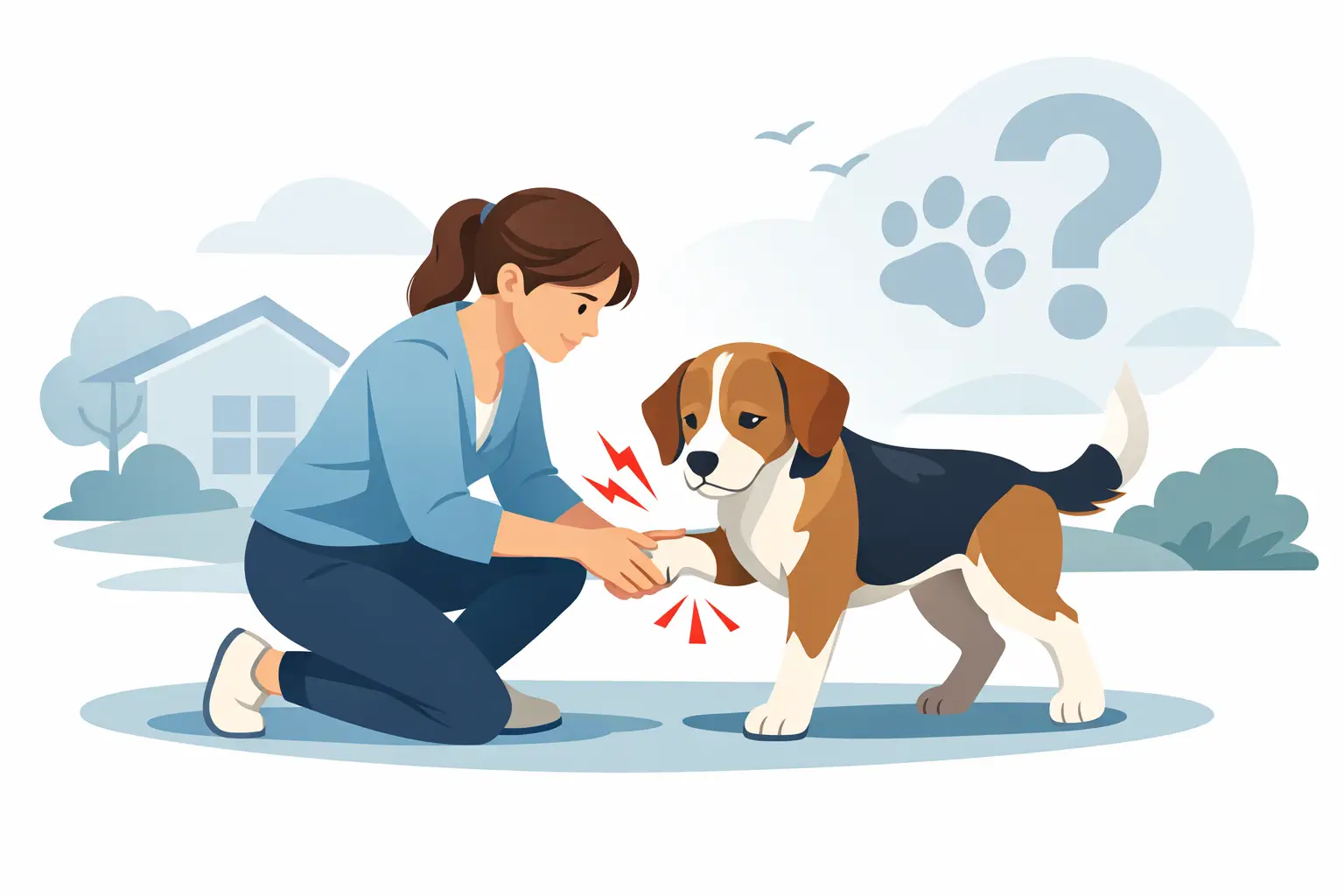
If you have seen your pet limp after playing fetch or seen your cat not jump down from their favourite perch, then you know how much you worry when that happens. Since pets cannot communicate when they are hurting, orthopedic injuries are an extremely stressful experience for pet owners. The fact is, musculoskeletal problems are far more prevalent in pets than the majority of people know– and can occur in animals of all ages, breeds, and sizes. However, most pets will recover well from their injuries with prompt diagnosis and appropriate treatment.
So here in this blog, we give you proper information about common orthopedic injuries in pets and their treatment options. Stay tuned with this blog.
What Are Orthopedic Injuries in Pets?
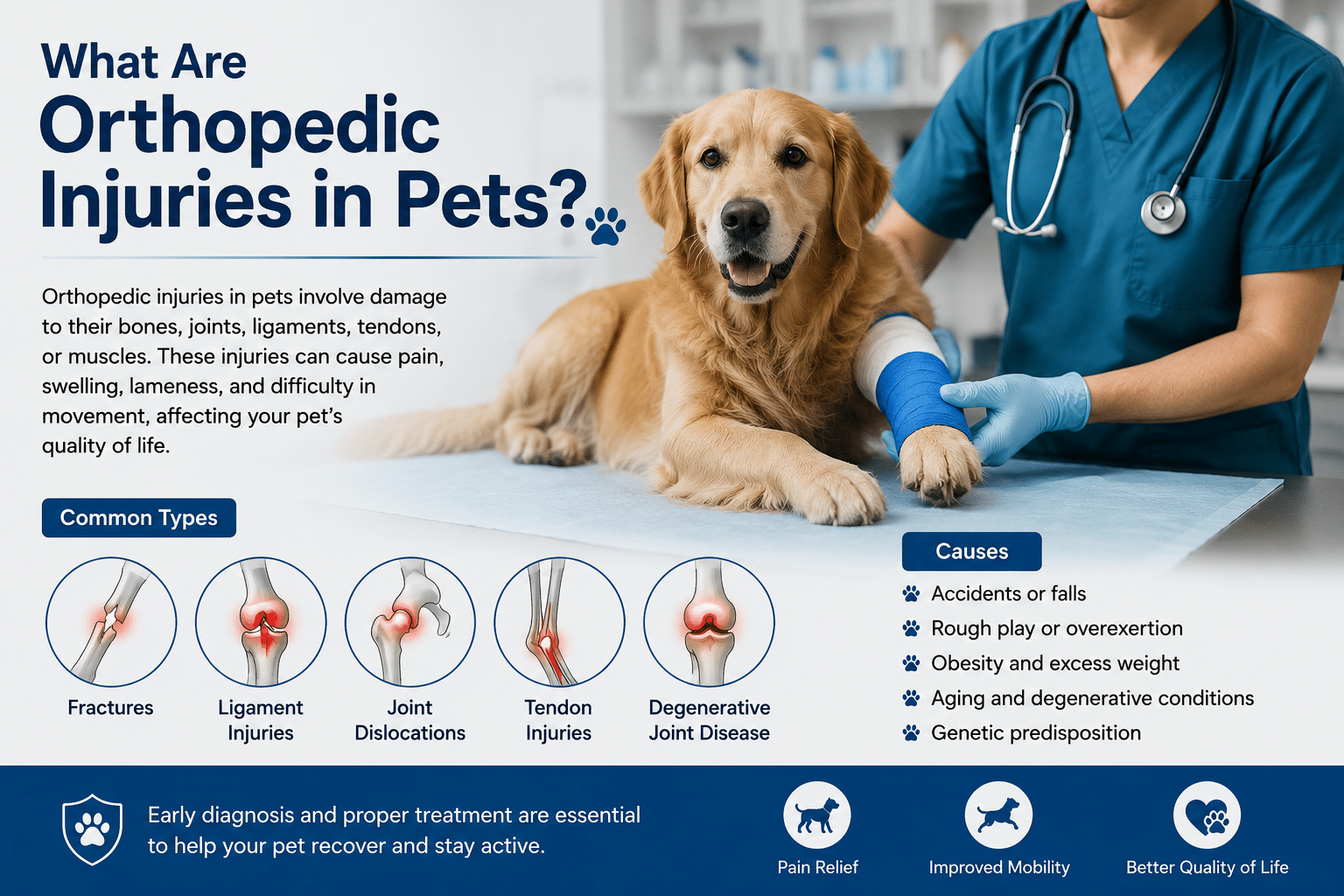
The term “Orthopedic injury” refers to injuries to the bones, joints, muscles, ligaments and tendons which may occur because of trauma, repetitive stress, congenital conditions or just normal wear and tear associated with aging. Dogs tend to suffer from orthopedic conditions much more frequently than cats, although cats do suffer from these injuries too.
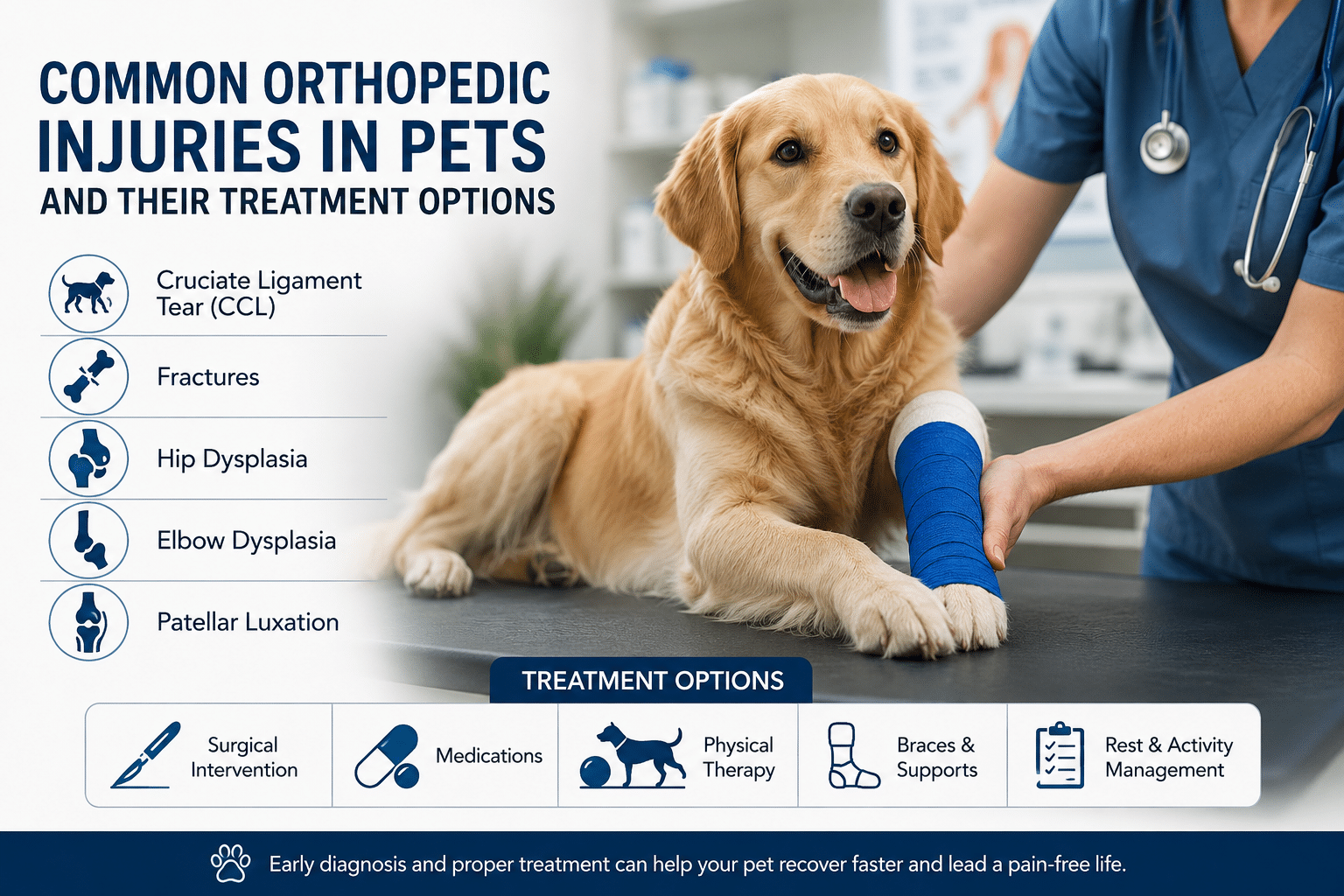
Most Common Orthopedic Injuries
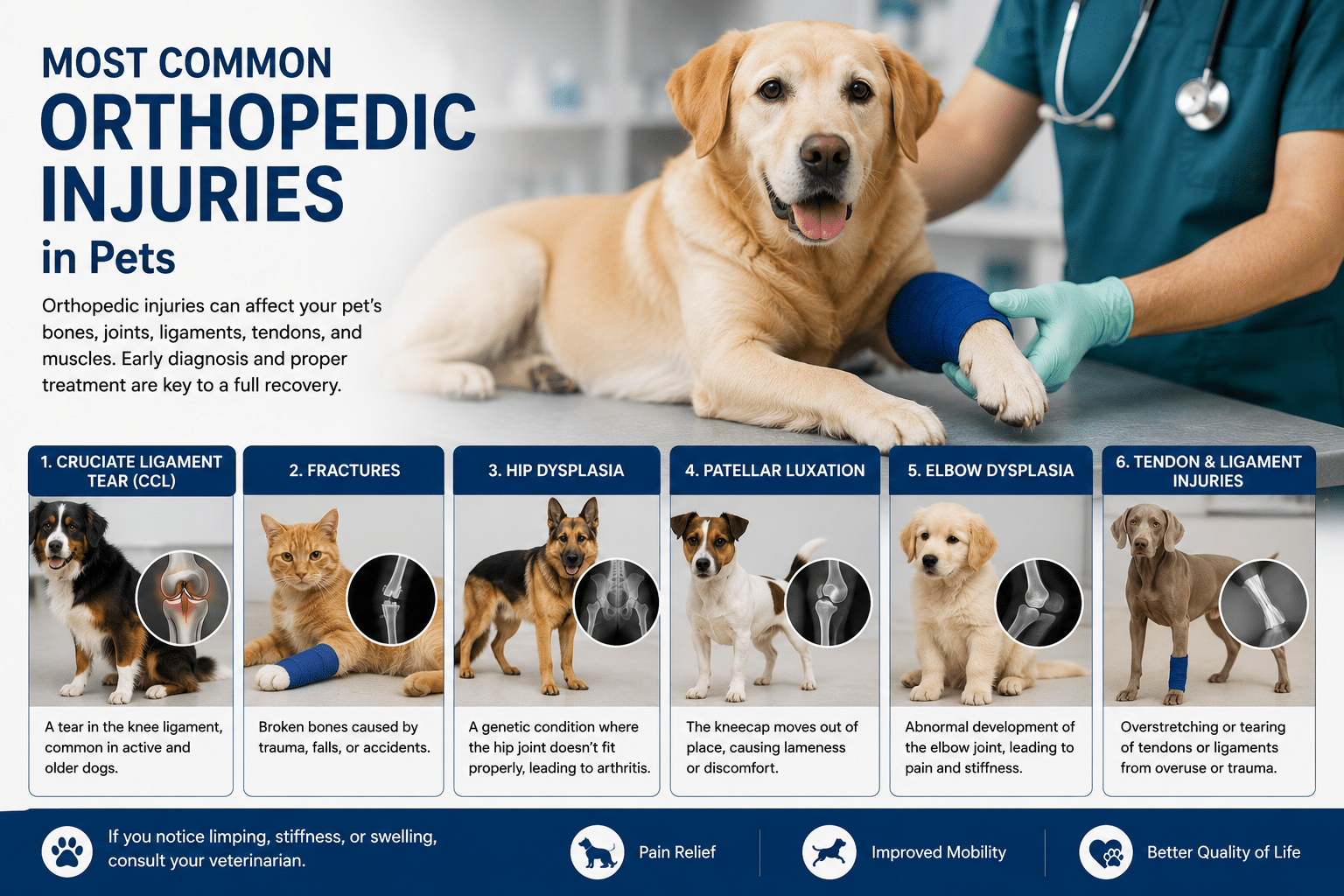
1. Cranial Cruciate Ligament (CCL) Rupture
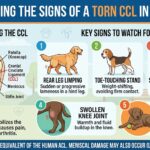
The most common orthopedic condition within dog populations is the rupturing of the cranial cruciate ligament (CCL). This injury is very similar to the tearing of the anterior cruciate ligament (ACL) in people and involves the knee joint (stifle) resulting in lameness of the hind limb, either sudden or progressive onset. Large or overweight breed dogs are most vulnerable to this type of injury.
Surgical intervention is generally the recommended course of treatment and TPLO (Tibial Plateau Leveling Osteotomy) and TTA (Tibial Tuberosity Advancement) have both proven to be effective options for correcting CCL injuries. Physiotherapy after surgery is very important in achieving full recovery!
2. Hip Dysplasia
When hip joints do not properly develop, this causes an unstable hip that can become painful and eventually lead to arthritis. Hip Dysplasia is frequently seen in large breeds such as German Shepherd Dogs, Labrador Retrievers, Golden Retrievers, and many others.
There are many options available for the treatment of Hip Dysplasia. The first line of treatment is usually a conservative approach that often includes controlling the dog’s weight, using anti-inflammatory medications, and physical therapy. In severe cases, the veterinarian may recommend surgery. The two most common types of surgery used to treat Hip Dysplasia are femoral headostectomy (FHO) and total hip replacement.
3. Fractures
Many pet owners have witnessed their pets break bones from road accidents, falling or even traumatic events. The location as well as the severity of a fracture will determine the appropriate treatment.
Treatment for a simple fracture would typically involve splinting or casting the broken limb; however, a more complicated fracture may require surgical stabilization with pins, plates/and/or screws. While healing occurs it is important to provide your pet with limited exercise and closely monitor them while they heal from the injury.
4. Patellar Luxation
This type of problem happens in small breed dogs and a small number of cats to ears to cause kneecap misalignment taking place. The severity of the problem may vary from mild to severe, and either cause an intermittent skip in the dog’s walking to a continued limp.
When treating a mild case, the dog is monitored but moderate or severe pavl are likely to have surgery to correct the misalignment of the kneecap with the goal of preventing any lasting damage to the joint.
5. Intervertebral Disc Disease (IVDD)
IVDD is considered an orthopedic condition, even though it is primarily a spinal issue. Typically, it is found in Dachshunds, Beagles and Shih Tzus. If a disc herniates, it will apply pressure to the spinal cord which can cause pain, weakness, or paralysis.
Treatment Options: Mildly affected dogs typically are treated with strict rest and anti-inflammatory drug therapy. Dogs with significant neurologic abnormalities usually will require surgical decompression.
Signs Your Pet May Have an Orthopedic Injury
Be on the lookout for the following:
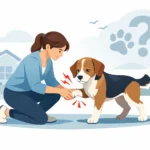
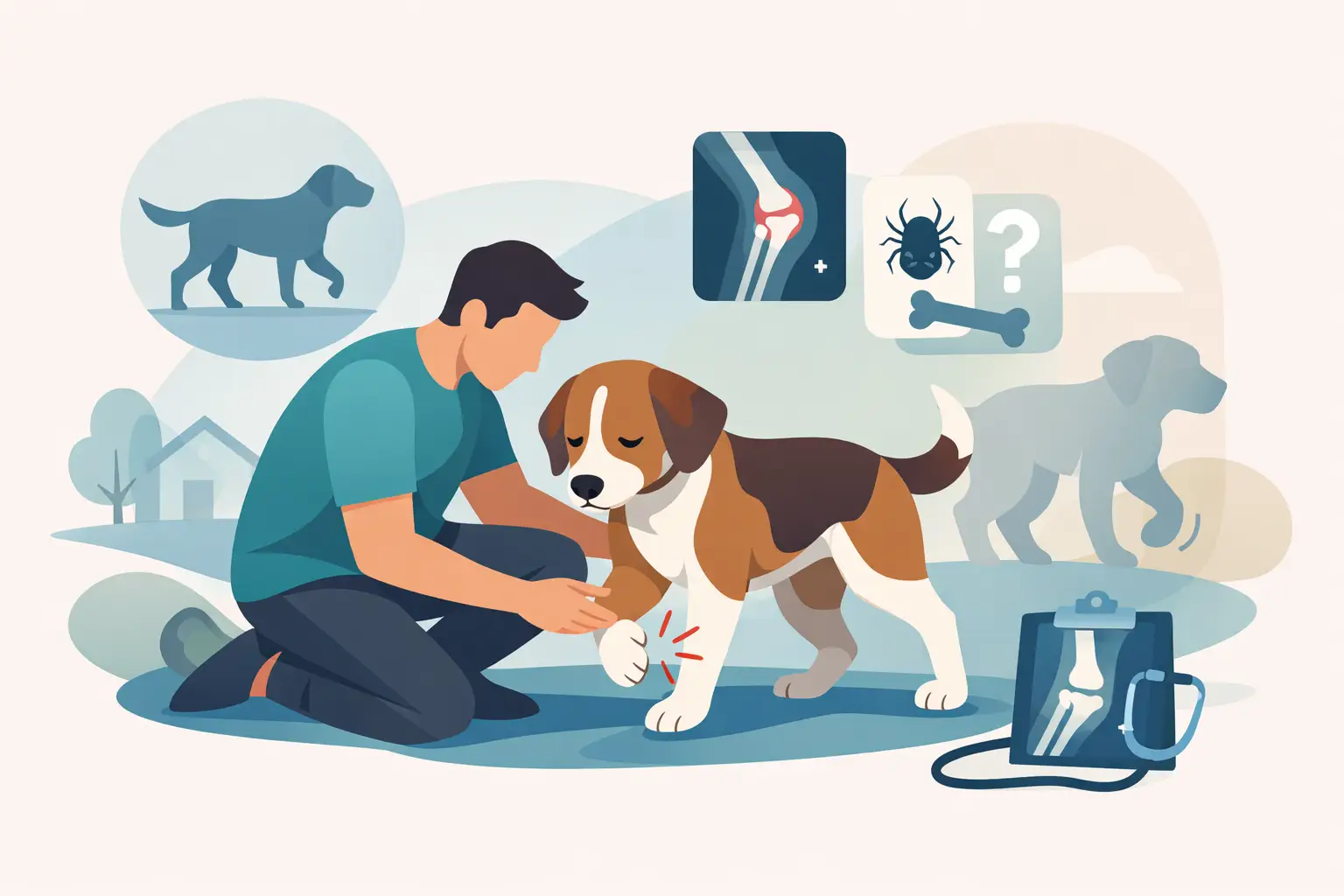
- Limping or favouring one leg
- Trouble getting up, down, or going up or down stairs
- Swelling or tenderness at a joint
- Less activity or not wanting to exercise
- Whimpering or crying out when being touched
Prevention Tips
- To minimize the stress on their joints, keep a healthy weight.
- Make sure your pet receives regular exercise that doesn’t put a lot of pressure on their joints (e.g., swimming, walking).
- Whenever possible, use ramps instead of stairs with small dogs or older dogs.
- Make sure you take your pet in for their regular checkups, so any issues can be identified early.
Conclusion
If you see any indication of pain or difficulty moving in your pet, please do not wait to seek assistance! Early diagnosis and appropriate treatment will allow many pets to fully recover from their orthopedic injury. Your veterinarian at the AV Veterinary Center has the experience and skill to evaluate various types of orthopedic problems and create a treatment plan specific to your pet’s needs. We care about your pets health; we want them to be able to run around without being in pain or unable to use their legs. That is our goal!
FAQs
Q1. How do I know if my pet has an orthopedic injury and not just a minor strain?
This is a very good question, and the truth is that it may be difficult to determine what the status of your pet is at first. A mild strain will typically resolve itself in one to two days when resting. If, however, the limping continues for longer than that, the pet will not put any weight on his leg, will whine if touched, or appear to be unusually quiet and not active, you should have the pet examined. Do not continue to wait – an early diagnosis is always better than waiting too long.
Q2. Can orthopedic injuries heal on their own without surgery?
Certainly, done so but obviously with consideration given both as to the nature of the injury & how bad off they actually are when they present. Some injuries such as less severe fractures or mild cases of patellar luxation or early onset hip dysplasia may be treated conservatively (rest, medication, rehab), but others, such as CCL ruptures & severe fractures almost always require surgical intervention following proper healing. Your Veterinarian will be able to provide you with guidance pertaining to what method is most appropriate based on the unique characteristics/needs of your pet.
Q3. My pet seems fine most of the time, but limps occasionally — should I be worried?
It may appear as if the “on and off” limping does not indicate any issues; however this is not the case, and should serve as a warning sign rather than an opportunity to relax. Lameness with some intervals (intermittent lameness) is one of the most common early signs of joint issues such as patellar luxation or the early stages of arthritis. The body does a fantastic job of concealing pain, by the time a pet is manifesting pain, it typically means that there is already a significant amount of advancement with the underlying chronic condition. It is always preferable to have something checked right away rather than to wait too much longer.
Q4. Are certain dog breeds more prone to orthopedic problems?
Definitely. The larger breed types, such as German Shepherd, Labrador Retriever, and Golden Retriever, have a greater tendency to develop hip dysplasia, as well as tears of the cranial cruciate ligament. Small breeds, such as Dachshunds, Pomeranians, and French Bulldogs, have a greater tendency to develop patellar luxation and intervertebral disc disease. All breeds of dogs, even those that are mixed breeds, can potentially develop orthopedic issues; therefore, any dog can be at risk!