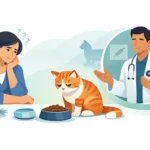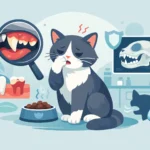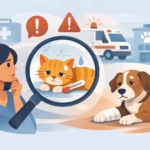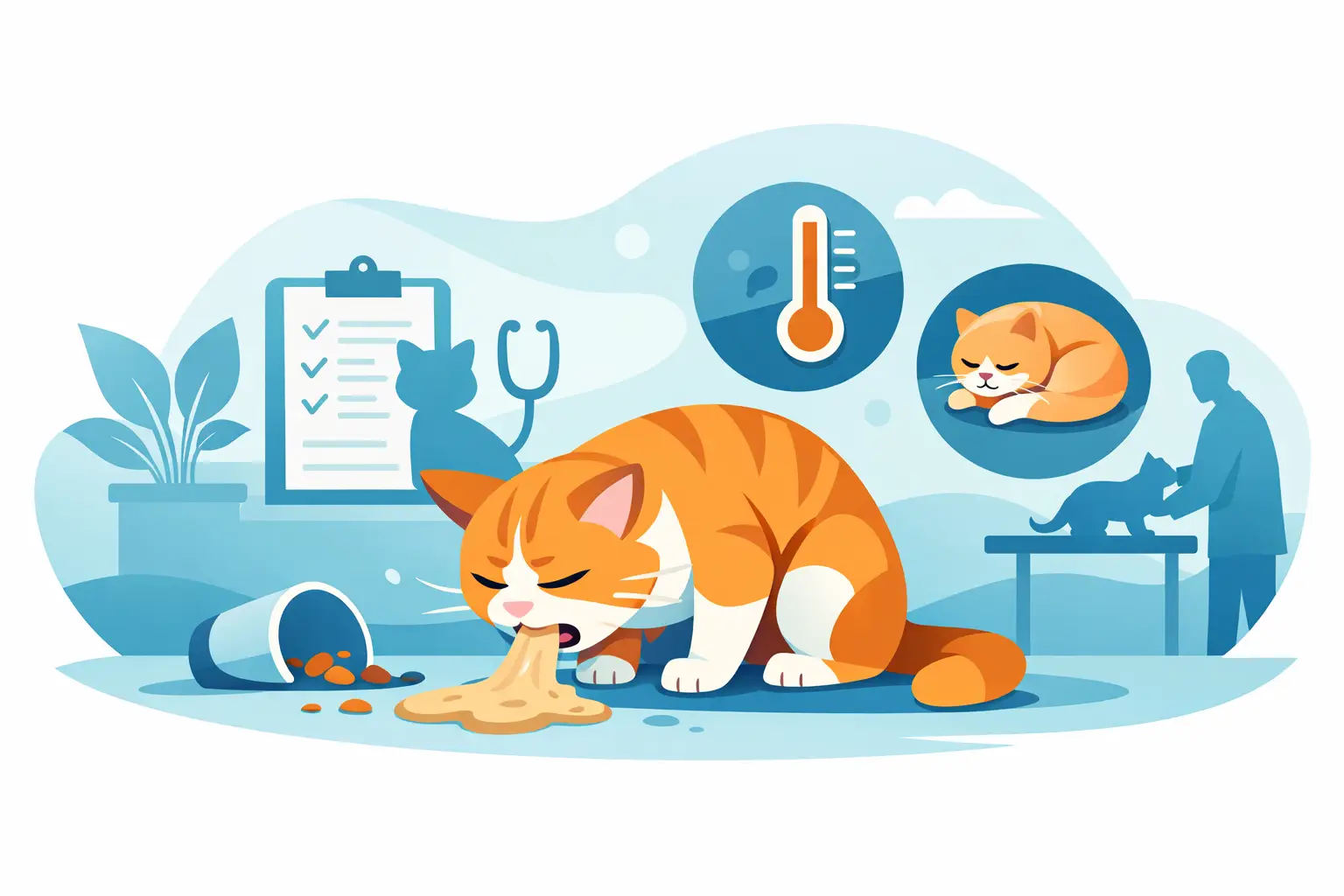
A single episode of vomiting can be unsettling, especially when your cat seemed perfectly normal at breakfast. Cat vomiting causes range from a minor stomach upset to conditions that need prompt medical treatment, and the details matter: what came up, how often it happens, whether your cat is eating, and how they are acting afterward.
Cats are skilled at masking illness. A cat that vomits repeatedly, withdraws from the family, skips meals, or seems painful should not be monitored at home for long. Timely veterinary care can identify the cause, relieve discomfort, and help prevent dehydration or a more serious complication.
Cat Vomiting Causes: Common Reasons Cats Throw Up
Some cats vomit occasionally after eating too quickly or bringing up a hairball. Others are reacting to a food change, intestinal irritation, or an underlying medical problem. While the appearance of vomit can provide clues, it cannot diagnose the cause on its own.
Hairballs and grooming-related irritation
Hairballs are common, particularly in long-haired cats and frequent groomers. As loose fur collects in the stomach, it may trigger retching and the eventual passage of a tube-shaped clump of hair. Cats may also vomit clear fluid, foam, or food before a hairball appears.
Frequent hairball-related vomiting is still worth discussing with a veterinarian. Excessive grooming can be linked to skin irritation, parasites, stress, or pain, while repeated vomiting may indicate that hair is not the only issue. Regular brushing can reduce swallowed hair, but it is not a substitute for an exam when vomiting becomes recurrent.
Eating too fast, dietary changes, or food intolerance
A cat that gulps down a meal may bring up undigested food shortly afterward. Sudden changes in food, rich treats, spoiled food, or access to human foods can also upset the digestive tract. Some cats develop food sensitivities that cause intermittent vomiting along with loose stool, itching, or poor coat quality.
If a diet change is needed, transition slowly over about a week unless your veterinarian recommends otherwise. Avoid offering multiple new foods or over-the-counter remedies at once, since that can make it harder to determine what is causing the problem.
Parasites and infectious illness
Intestinal parasites can affect cats of any age, including indoor cats. Fleas, contaminated soil, prey animals, and other exposures can introduce parasites that contribute to vomiting, diarrhea, weight loss, or changes in appetite. Kittens are especially vulnerable because they can become dehydrated quickly.
Viral or bacterial illness may also cause vomiting, often with lethargy, fever, diarrhea, or reduced appetite. A stool test, bloodwork, and a thorough examination help a veterinarian determine whether infection or parasites are involved.
Stomach and intestinal disease
Inflammation of the stomach or intestines can result from dietary indiscretion, chronic intestinal disease, pancreatitis, or other conditions. Cats with inflammatory bowel disease may vomit intermittently for weeks or months and gradually lose weight, even if they still seem interested in food.
Constipation can also cause nausea and vomiting. If your cat is straining in the litter box, producing small or hard stools, or not passing stool normally, contact your veterinary team rather than assuming the issue is simply a hairball.
Kidney disease, thyroid disease, diabetes, and other conditions
Vomiting is sometimes a sign of disease outside the digestive system. Chronic kidney disease can cause nausea, increased thirst, weight loss, and poor appetite, particularly in senior cats. Hyperthyroidism may cause vomiting alongside weight loss, restlessness, and increased hunger. Diabetes, liver disease, and certain cancers can produce similar nonspecific signs.
This is why ongoing vomiting deserves a medical evaluation. Bloodwork, urinalysis, blood pressure testing, and imaging can reveal problems that are not visible from symptoms alone.
Foreign objects and toxins
Cats may chew or swallow string, ribbon, rubber bands, hair ties, plants, small toys, or pieces of plastic. A foreign object can cause a partial or complete intestinal blockage. String is particularly dangerous because it can anchor under the tongue or in the stomach while the intestines bunch around it.
Never pull string from your cat’s mouth or rectum. Keep your cat from swallowing more of it and seek veterinary care immediately. Many household substances, including lilies, certain medications, cleaning products, and antifreeze, can also be toxic to cats. If you suspect an exposure, call a veterinarian or emergency hospital right away.
Vomiting or Regurgitation: Why the Difference Matters
Pet owners often use the word vomiting for any food that comes back up, but regurgitation is different. Vomiting usually involves nausea, drooling, lip licking, abdominal contractions, and forceful expulsion of stomach contents. Regurgitation is more passive and often happens soon after eating, with undigested food coming up from the esophagus.
A short video of an episode can be very helpful for your veterinarian. So can a photo of the material, if it is safe and practical to take one. These details may guide recommendations for X-rays, ultrasound, endoscopy, or other diagnostic testing.
When Cat Vomiting Needs Urgent Care
One isolated episode in an otherwise bright, comfortable adult cat may be monitored briefly, provided your cat resumes normal eating, drinking, and litter box habits. However, cats can deteriorate faster than many owners expect, especially kittens, seniors, and cats with chronic medical conditions.
Seek urgent veterinary care if your cat has any of the following:
- Vomiting multiple times in a day or vomiting that continues beyond 24 hours
- Blood in the vomit, dark material that resembles coffee grounds, or black, tarry stool
- Lethargy, hiding, weakness, collapse, pain, a swollen abdomen, or trouble breathing
- Inability to keep water down, refusal to eat, or signs of dehydration such as dry gums
- Possible exposure to a toxin or suspected ingestion of string, a toy, or another object
A cat who has not eaten for even a short period can face additional risks, particularly if overweight or already ill. Do not force-feed, give human anti-nausea medication, or administer products intended for dogs without veterinary direction. Some common human and canine medications are unsafe for cats.
What to Do Before Your Veterinary Visit
If your cat is stable, note the timing and number of episodes, what the vomit looked like, recent diet changes, access to plants or household items, current medications, and any changes in stool, thirst, urination, or behavior. Bring a list of foods, treats, supplements, and medications. These observations can make the diagnostic process more efficient.
Do not withhold water from a vomiting cat unless a veterinarian tells you to do so. Small, frequent amounts may be better tolerated, but a cat who vomits water needs prompt medical attention. Your veterinarian may recommend an examination, fecal testing, bloodwork, X-rays, ultrasound, or advanced imaging based on your cat’s history and physical findings.
At AV Veterinary Center, our team can evaluate both routine digestive concerns and urgent vomiting cases with personalized treatment planning and advanced diagnostic support when needed. The goal is not simply to stop the vomiting, but to identify why it happened and protect your cat’s long-term health.
When your cat is not acting like themselves, trust that change. A call to your veterinary team can provide clarity, reassurance, and the right next step for a family member who cannot explain how they feel.