A limp can appear after an enthusiastic game of fetch, a long walk, or seemingly out of nowhere when your dog rises from a nap. If you are asking, “why does my dog limp,” the answer can range from a minor paw irritation to a painful orthopedic or neurologic condition. Because dogs often try to carry on despite discomfort, a change in the way they walk deserves close attention.
A limp is not a diagnosis. It is your dog’s way of shifting weight away from a leg, paw, hip, or even the spine because movement hurts or feels unstable. The timing, severity, and accompanying signs help determine whether careful observation is reasonable or whether your dog needs prompt veterinary care.
Why Does My Dog Limp? Common Causes
Some causes are visible and relatively straightforward. Others require a hands-on examination and diagnostic imaging to identify. Avoid assuming that a limp is “just a sprain,” especially when it persists, returns, or worsens.
Paw and nail injuries
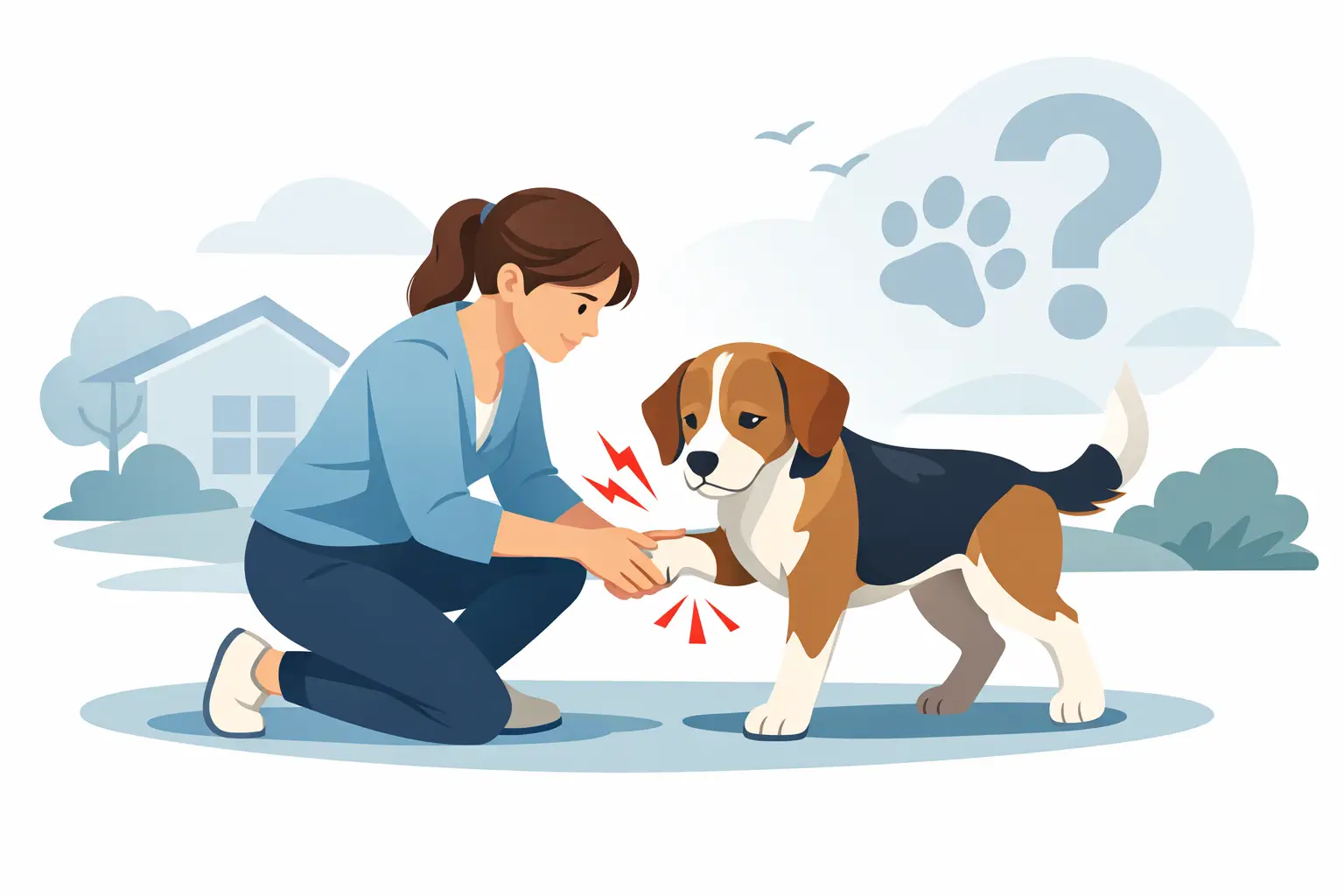
A torn nail, cut pad, thorn, foxtail, insect sting, or material lodged between the toes can make every step uncomfortable. Dogs may lick the foot repeatedly, hold the paw up, or limp only on hard surfaces. Check gently between the toes and around the pads if your dog allows it, but do not force the paw open or dig into a wound.
Hot pavement can also burn paw pads in the Antelope Valley, particularly during summer. Pad injuries may look red, blistered, raw, or cracked, and they can become infected if not treated appropriately.
Muscle strains and soft-tissue injuries
A sudden sprint, jump from furniture, rough play, or awkward landing can strain a muscle or tendon. These injuries may cause mild to moderate limping that is more noticeable after activity. Your dog may seem better after resting, then limp again after becoming active.
Rest can help some minor strains, but it does not confirm the cause. Ligament injuries, joint instability, and fractures can initially look similar to a simple strain. If the limp continues beyond a day, recurs, or affects your dog’s willingness to bear weight, an examination is the safest next step.
Joint disease and arthritis
Arthritis is common in senior dogs, but it can affect younger dogs after previous injuries or because of developmental joint conditions. Stiffness after sleeping, difficulty rising, reluctance to use stairs, reduced interest in walks, and a limp that improves after a few minutes of movement are familiar patterns.
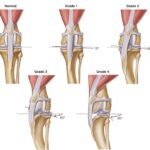
Hip dysplasia, elbow dysplasia, luxating patella, and other joint disorders can also cause intermittent or ongoing limping. A small dog that suddenly skips on a back leg may have a kneecap that slips out of position. A large, active dog with a hind-leg limp may have a cranial cruciate ligament injury, which is similar to an ACL injury in people. These conditions need individualized treatment planning, not guesswork.
Broken bones, dislocations, and trauma
Falls, vehicle accidents, encounters with larger animals, and forceful impacts can cause fractures or dislocations. Sometimes the injury is obvious, with swelling, an abnormal limb position, or complete refusal to use the leg. At other times, particularly with small cracks or injuries near a joint, the signs are subtler.
Any dog that limps after significant trauma should be assessed promptly, even if they seem alert and settled. Adrenaline can temporarily mask pain, and injuries to the chest, abdomen, or spine may not be apparent at home.
Spine and nerve problems
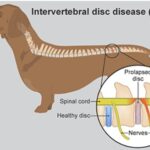
Not every limp starts in the leg. Pain from the neck or back can change a dog’s gait, and nerve conditions can lead to weakness, knuckling of the paw, dragging toes, wobbliness, or trouble standing. Intervertebral disc disease is one example that can become urgent, particularly when a dog develops sudden weakness or loses the ability to walk normally.
Neurologic signs require timely evaluation. A veterinarian may recommend advanced diagnostics, such as imaging, to identify whether the problem involves bones, joints, soft tissues, or the spinal cord.
Infection, inflammation, or less common disease
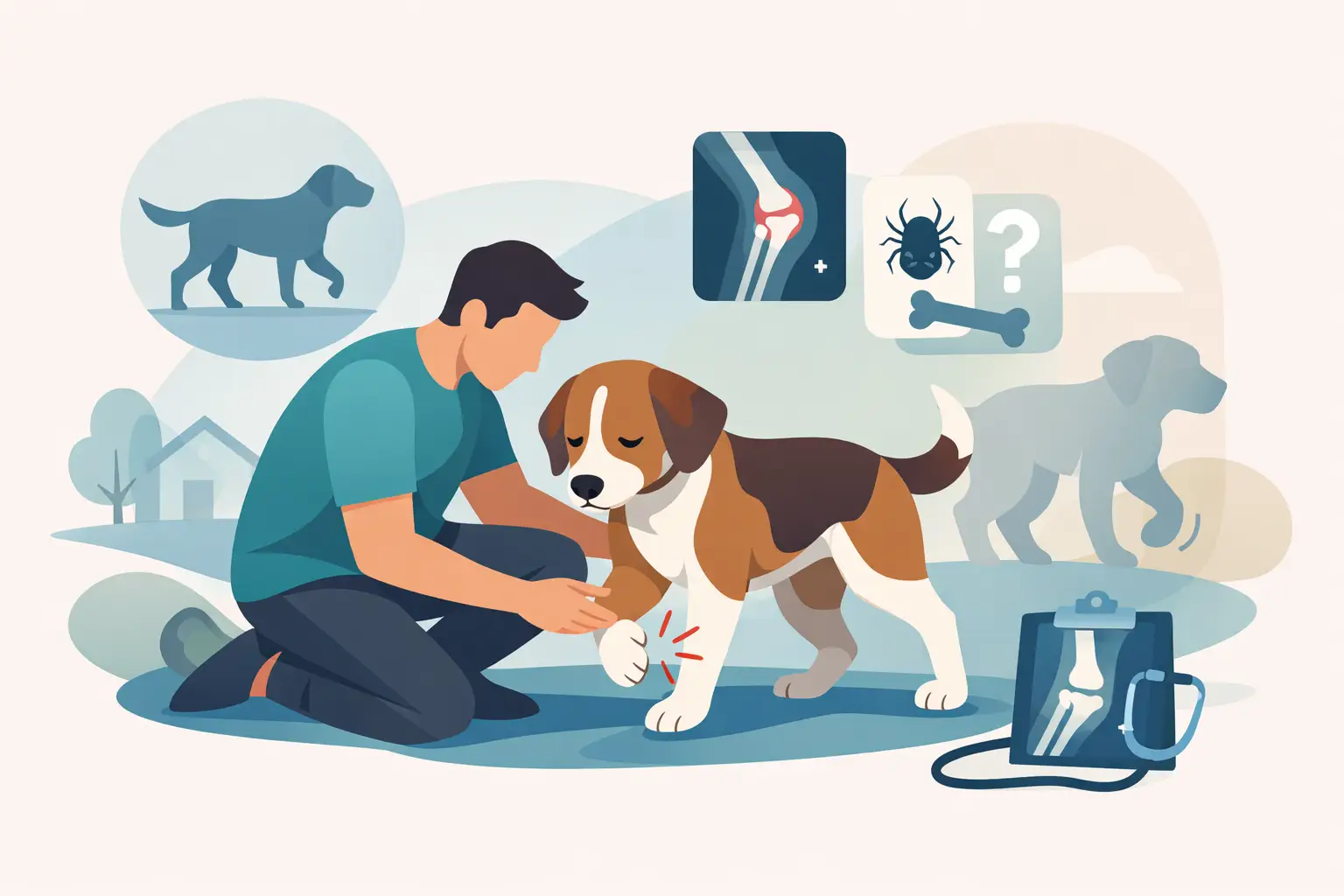
Tick-borne illness, immune-mediated joint inflammation, bone infection, and certain cancers can cause lameness. These causes may be accompanied by fever, tiredness, poor appetite, swollen joints, or limping that shifts from one leg to another. In a growing puppy or a young large-breed dog, bone and joint pain deserves particular attention because developmental conditions can progress quickly.
When a Dog Limp Requires Urgent Care
Call a veterinarian promptly or seek emergency care if your dog cannot bear weight on a leg, cries out in pain, has a visibly bent or dangling limb, or develops substantial swelling. Immediate attention is also needed after a vehicle accident, a serious fall, or an animal attack.
Treat neurologic changes as urgent. These include dragging a leg, sudden hind-end weakness, inability to stand, loss of bladder or bowel control, severe back pain, or a rapidly worsening gait. A dog who is quiet, pale-gummed, breathing unusually, collapsed, or seems generally unwell may have more than an orthopedic injury.
Even without an obvious emergency, schedule an appointment if a limp lasts more than 24 hours, keeps returning, or changes your dog’s normal behavior. A dog that no longer wants to climb into the car, play, eat, or greet the family with their usual enthusiasm may be managing more pain than is visible.
What You Can Safely Do at Home
Until your dog can be evaluated, keep activity calm and controlled. Short leash walks for bathroom breaks are preferable to running, jumping, stairs, or off-leash play. If possible, use rugs or traction mats on slick floors and help your dog into the car rather than asking them to jump.
You can look for obvious problems such as a torn nail, bleeding pad, or object between the toes. Stop if your dog pulls away, growls, or appears painful. Pain can make even the gentlest family dog react defensively, so keep children away from a sore leg and avoid repeated testing of the joint.
Do not give human pain medicines unless a veterinarian has specifically instructed you to do so. Ibuprofen, naproxen, acetaminophen, and many other common medications can be dangerous or toxic to dogs. Do not wrap or splint a limb at home unless directed, either. An improperly placed bandage or splint can worsen pain, swelling, and circulation problems.
A brief video of your dog walking can be useful, especially if the limp comes and goes. Record them walking toward and away from the camera on a flat, non-slip surface. Note which leg seems affected, when the limp began, recent activity or injury, and whether signs are worse after rest or exercise. This information helps your veterinary team build an accurate picture.
How Veterinarians Find the Cause of a Limp
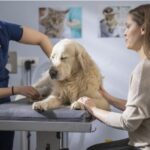
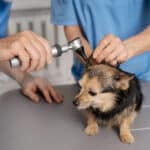
A thorough evaluation starts with your observations and a physical examination. Your veterinarian will watch your dog walk, assess the paws and nails, feel the muscles and joints, check range of motion, and look for pain, swelling, instability, or neurologic changes. Some dogs need mild sedation for a complete, comfortable orthopedic examination.
X-rays may reveal fractures, arthritis, joint changes, or some bone conditions, but they do not show every soft-tissue injury. Depending on the findings, bloodwork, ultrasound, CT imaging, or other testing may be appropriate. This is why a clear diagnosis matters: the best treatment for a torn ligament is not the same as the best treatment for arthritis, a paw wound, or spinal disease.
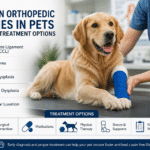
Treatment may include rest, veterinary-prescribed pain relief and anti-inflammatory medication, wound care, rehabilitation, weight management, or surgical repair. Dogs recovering from orthopedic or neurologic conditions can benefit from carefully guided rehabilitation, including therapeutic exercise and underwater treadmill sessions when appropriate. The goal is not simply to make the limp less noticeable, but to address its source while protecting long-term mobility.
At AV Veterinary Center, dogs with lameness can receive comprehensive evaluation, advanced diagnostics, surgery when needed, and rehabilitation planning in one setting. That continuity can make a stressful problem easier for families to navigate.
Your dog does not need to be crying or unable to walk for a limp to matter. Trust the change you are seeing, protect them from further activity, and let a veterinary team help them return to comfortable, confident movement.