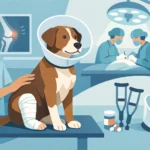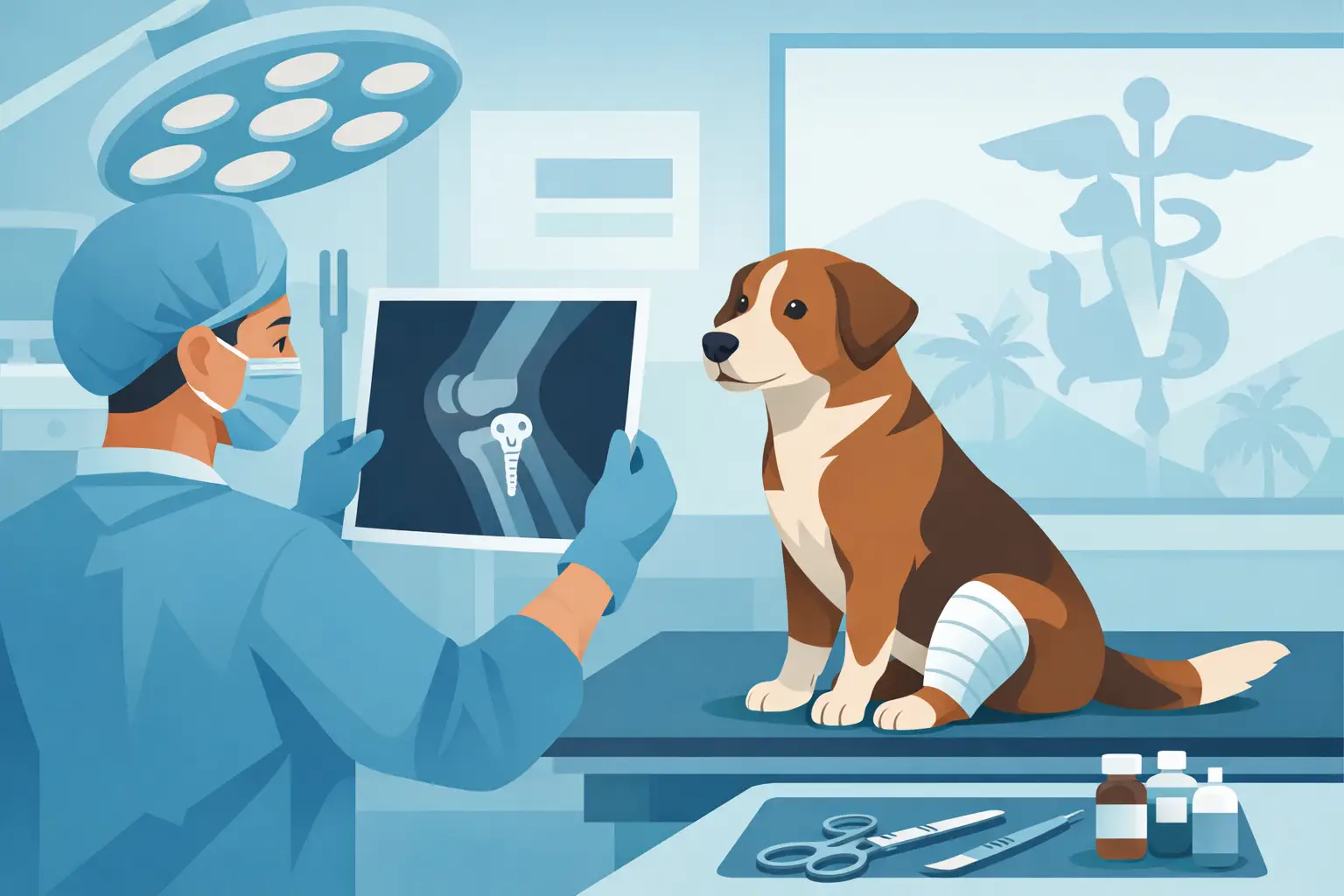
When a dog suddenly starts toe-touching on one back leg, struggles to rise, or can no longer enjoy walks without pain, a torn cranial cruciate ligament is often the reason. For many families, TPLO surgery at AV Veterinary Center becomes part of the conversation when they want a reliable, long-term solution that helps their dog return to a more active, comfortable life.
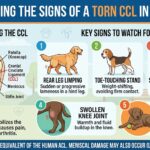
A cruciate ligament injury is one of the most common orthopedic problems seen in dogs. It can happen after a misstep in the yard, during play, or from gradual wear over time. Some dogs show a dramatic limp right away, while others have a more subtle pattern – stiffness after rest, hesitation on stairs, or difficulty jumping into the car. Either way, the underlying issue is painful instability in the knee.
What TPLO surgery is and why it is used
TPLO stands for tibial plateau leveling osteotomy. It is a procedure designed to stabilize the knee after a cranial cruciate ligament tear by changing the mechanics of the joint. Instead of relying on the damaged ligament to keep the knee stable, the surgery changes the angle of the top of the tibia so the knee can function more normally during weight bearing.
That may sound technical, but the goal is simple. TPLO helps reduce painful shifting in the knee and supports better long-term function. For many dogs, especially medium to large breeds or very active dogs, this procedure is often considered one of the most dependable surgical options.
Not every dog with a cruciate injury needs the exact same plan. Size, age, activity level, body condition, degree of arthritis, and overall health all matter. That is why a careful orthopedic evaluation comes first. A dog that hikes every weekend may need a different conversation than a small senior dog with multiple medical conditions. Good surgical care starts with choosing the right treatment for the individual patient.
When TPLO surgery at AV Veterinary Center may be recommended
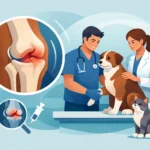
Dogs with a torn or partially torn cranial cruciate ligament typically have knee instability, inflammation, and pain. Over time, that instability can lead to worsening arthritis and muscle loss if it is not addressed. In many cases, surgery is recommended because rest alone cannot restore normal joint stability.
TPLO is commonly recommended for dogs that need a strong, functional repair with the goal of returning to regular daily activity. Larger dogs often benefit significantly, but size is not the only factor. Temperament, lifestyle, and the condition of the joint also shape the decision.
Before surgery is scheduled, your dog should have a full exam and diagnostic workup. This may include orthopedic assessment, X-rays, and pre-anesthetic lab testing. These steps help confirm the diagnosis, evaluate the knee, and identify any health concerns that could affect anesthesia or recovery. Clear planning matters because a good outcome depends on more than the procedure itself.
What to expect before surgery
The days leading up to surgery can feel stressful for any pet owner. Most families want to know the same things: Is this really necessary? Will my dog be safe under anesthesia? How hard will recovery be?
These are reasonable questions. TPLO is a major orthopedic procedure, and it should be approached that way – with careful preparation, pain management, and clear communication. Pre-surgical planning typically includes reviewing your dog’s history, medications, activity level, and any other conditions that could affect healing. If your dog is overweight, that may also become part of the discussion, because extra body weight places more stress on the healing joint.
You may also be given instructions about fasting, medication adjustments, and what to bring on the day of surgery. Following those directions closely helps keep anesthesia safer and recovery smoother.
The surgical process and immediate aftercare
During TPLO surgery, the surgeon makes a curved cut in the top portion of the tibia, rotates the bone segment to change the slope of the joint surface, and secures it with a specialized plate and screws. The goal is to reduce the forward thrust that occurs when a dog bears weight on a cruciate-deficient knee.
Because this is advanced orthopedic surgery, precision matters. So does perioperative care. Anesthesia monitoring, sterile technique, pain control, and post-operative imaging all play important roles in the overall treatment process.
After surgery, most dogs go home with a detailed recovery plan. That usually includes pain medication, anti-inflammatory medication when appropriate, incision care instructions, strict activity restriction, and follow-up visits. Some dogs want to do too much too soon because they start feeling better before the bone has fully healed. That is one of the biggest challenges in the recovery period.
Recovery after TPLO surgery at AV Veterinary Center
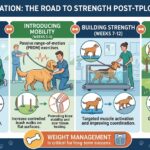
Recovery is not instant, but it is very manageable when families know what to expect. The first several weeks are focused on protecting the repair while pain and inflammation settle down. Short leash walks for bathroom breaks are usually allowed, but running, jumping, wrestling, and off-leash activity are typically restricted.
You may notice gradual improvements in comfort before your dog is truly ready for normal activity. That can be misleading. A dog who is willing to sprint across the yard at week three is not necessarily healed. Bone healing and joint recovery take time, and pushing activity too early can create setbacks.
Most recovery plans involve scheduled rechecks and repeat X-rays to assess healing. Based on progress, activity is gradually increased. This often happens in stages rather than all at once. Controlled movement is important because it helps rebuild muscle and supports joint function, but it needs to be introduced carefully.
Rehabilitation can make a meaningful difference during this stage. Therapeutic exercises, guided mobility work, and modalities such as hydrotherapy or underwater treadmill sessions may help improve strength, coordination, and comfort. Not every dog needs the same rehab intensity, but many benefit from a structured recovery plan rather than simple rest alone.
Why advanced diagnostics and rehabilitation matter
A strong TPLO outcome depends on more than the day of surgery. It depends on accurate diagnosis, thoughtful case selection, skilled surgical technique, and proper follow-through afterward. That is where having access to broader medical and rehabilitative support can be especially valuable for pet owners.
When advanced imaging, surgical care, and post-operative rehabilitation are available within one veterinary center, families often have a more coordinated experience. Questions can be answered faster. Complications or concerns can be assessed promptly. Recovery plans can be adjusted based on how the dog is actually doing, not just on a generic timeline.
This is especially important for complex cases. Some dogs have bilateral cruciate disease, existing arthritis, meniscal injury, or other orthopedic and neurologic issues that affect recovery. Others need more support because they are older, anxious, or slow to regain strength. A comprehensive care setting allows treatment to stay personalized.
Common concerns from pet owners
One of the most common concerns is whether TPLO is worth it. The honest answer is that it depends on the dog, the injury, and the family’s goals. For many dogs, especially those who are active or larger-bodied, TPLO offers excellent functional improvement and long-term comfort. But surgery is still surgery. It involves anesthesia, recovery time, financial planning, and a commitment to aftercare.
Another common question is whether a dog will ever be normal again. Many dogs do very well after TPLO and return to walking, playing, and family life with much better stability and comfort. Still, a repaired knee is not the same as a knee that was never injured. Some degree of arthritis may still develop over time, especially if damage was already present before surgery. The good news is that effective treatment can significantly improve quality of life and mobility.
Owners also ask about the other knee. Unfortunately, dogs who tear one cruciate ligament do have a higher risk of injuring the opposite knee later. That does not mean it will definitely happen, but it is something to keep in mind. Maintaining a healthy weight, building muscle, and following recovery recommendations can help support overall joint health.
Choosing the right team for TPLO care
When your dog needs orthopedic surgery, experience and continuity matter. You want a veterinary team that can evaluate the injury thoroughly, explain the options clearly, perform advanced treatment with care, and stay involved through recovery. That kind of support helps reduce uncertainty at a time when families are already worried.
At AV Veterinary Center, TPLO care fits into a larger commitment to comprehensive, evidence-based treatment for pets and the people who love them. For families in Lancaster, Palmdale, and the surrounding Antelope Valley, having access to advanced surgery, diagnostics, and rehabilitation in one place can make a difficult situation feel more manageable.
If your dog has started limping, slowing down, or showing signs of knee pain, do not wait for it to become the new normal. Early evaluation can make the next step clearer and give your dog the best chance to move through life with more strength, comfort, and confidence.