The first visit with a new clinic often starts before the exam room. It starts with the questions you ask, the answers you hear, and whether you feel confident placing a family member in that team’s hands. If you are looking for the best questions for new veterinarian visits, the goal is not to quiz the doctor. It is to understand how they think, how they communicate, and how they will care for your dog or cat over time.
A strong veterinary relationship should feel both compassionate and medically clear. You want a team that listens carefully, explains findings in plain language, and has the tools to respond when care becomes more complex. That matters whether you are scheduling a first puppy visit, transferring records for a senior cat, or looking for one hospital that can handle wellness care, urgent needs, diagnostics, surgery, and recovery support.
Why the best questions for a new veterinarian matter
Many pet owners focus on location, hours, or cost first. Those factors are real and practical, but they do not tell you how a clinic approaches medicine. The right questions help you understand whether the hospital emphasizes prevention, uses evidence-based diagnostics, and creates treatment plans tailored to your pet instead of offering one-size-fits-all recommendations.
They also help you judge communication. A veterinarian may be highly skilled, but if explanations are rushed or unclear, it becomes harder to make informed decisions. Good care depends on both medical expertise and trust.
Start with questions about your pet’s overall care
A new veterinarian should be able to explain not just what your pet needs today, but how they think about lifelong health. That bigger picture is especially important for dogs and cats whose needs change with age, breed, lifestyle, and medical history.
1. What preventive care schedule do you recommend for my pet?
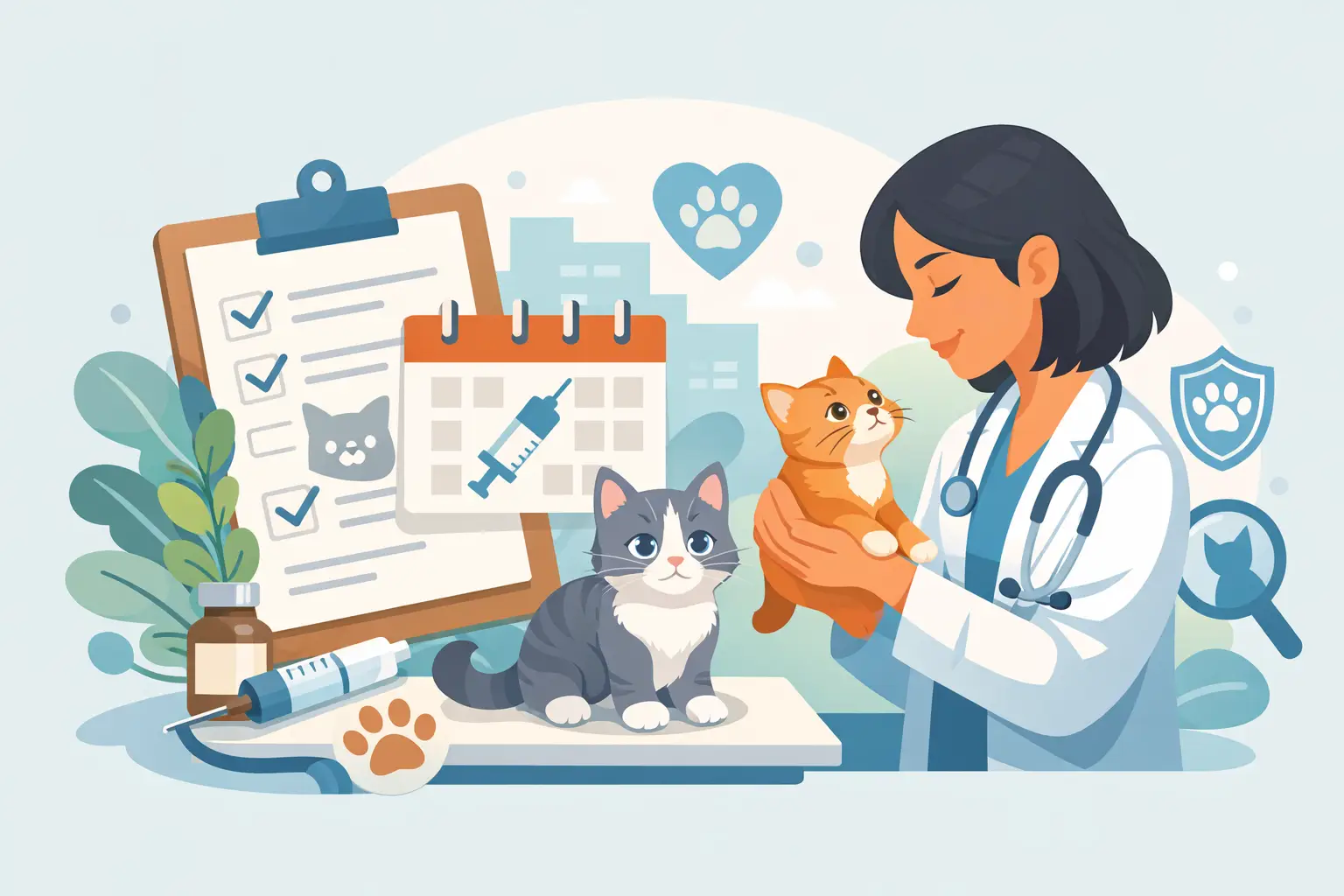
This question opens the door to a meaningful discussion about wellness exams, vaccines, parasite prevention, dental care, nutrition, and screening tests. A thoughtful answer should reflect your pet’s age and risk factors. A strictly indoor cat may not need the same recommendations as a dog that hikes, boards, or visits grooming facilities regularly.
2. What health issues should I watch for based on my pet’s breed, age, or lifestyle?
This is one of the best questions for a new veterinarian because it shows whether the doctor is thinking ahead. Some pets need closer monitoring for orthopedic problems, dental disease, heart conditions, allergies, obesity, or age-related changes. You want a veterinarian who can tell you what is common, what is urgent, and what can be monitored over time.
3. How do you approach nutrition and weight management?
Weight is tied to joint health, diabetes risk, heart strain, mobility, and quality of life. A good answer should go beyond telling you to feed less. It should include body condition, calorie guidance, diet selection, treats, activity, and realistic follow-up.
Ask how the clinic handles diagnostics and decision-making
Veterinary medicine works best when recommendations are clear and supported by findings. If your pet becomes sick or develops a chronic condition, diagnostics often shape the next step.
4. When do you recommend bloodwork, imaging, or other diagnostic testing?
This question helps you understand the clinic’s medical standards. For example, baseline lab work may be recommended for senior pets, before anesthesia, or when symptoms are vague. Imaging may include X-rays, ultrasound, CT, or endoscopy depending on the case. The best answer is rarely all or nothing. It depends on symptoms, exam findings, and how quickly answers are needed.
5. How do you explain test results and treatment options?
Pet owners should never feel left behind in the conversation. Ask whether the veterinarian walks through results, discusses likely diagnoses, and explains the pros and cons of each option. Good care is not just about ordering tests. It is about helping you understand what the results mean for your pet.
6. If my pet needs advanced care, can that happen here or will I need a referral?
This question matters more than many people realize. Some clinics handle routine care well but refer out for imaging, surgery, rehabilitation, or urgent intervention. Referral is not a bad thing, but coordination can add stress, travel, and delays. For many families, it is reassuring to know whether more advanced services are available in one place.
Ask about emergencies, urgent issues, and after-hours guidance
Even healthy pets can have sudden problems. Vomiting, trauma, toxin exposure, breathing changes, urinary issues, and neurologic symptoms can all become urgent quickly.
7. What should I do if my pet gets sick after hours?
You are listening for a clear process. Does the clinic offer emergency support, urgent appointments, or guidance on where to go? Knowing this before a crisis happens can save valuable time.
8. Which symptoms do you consider an emergency?
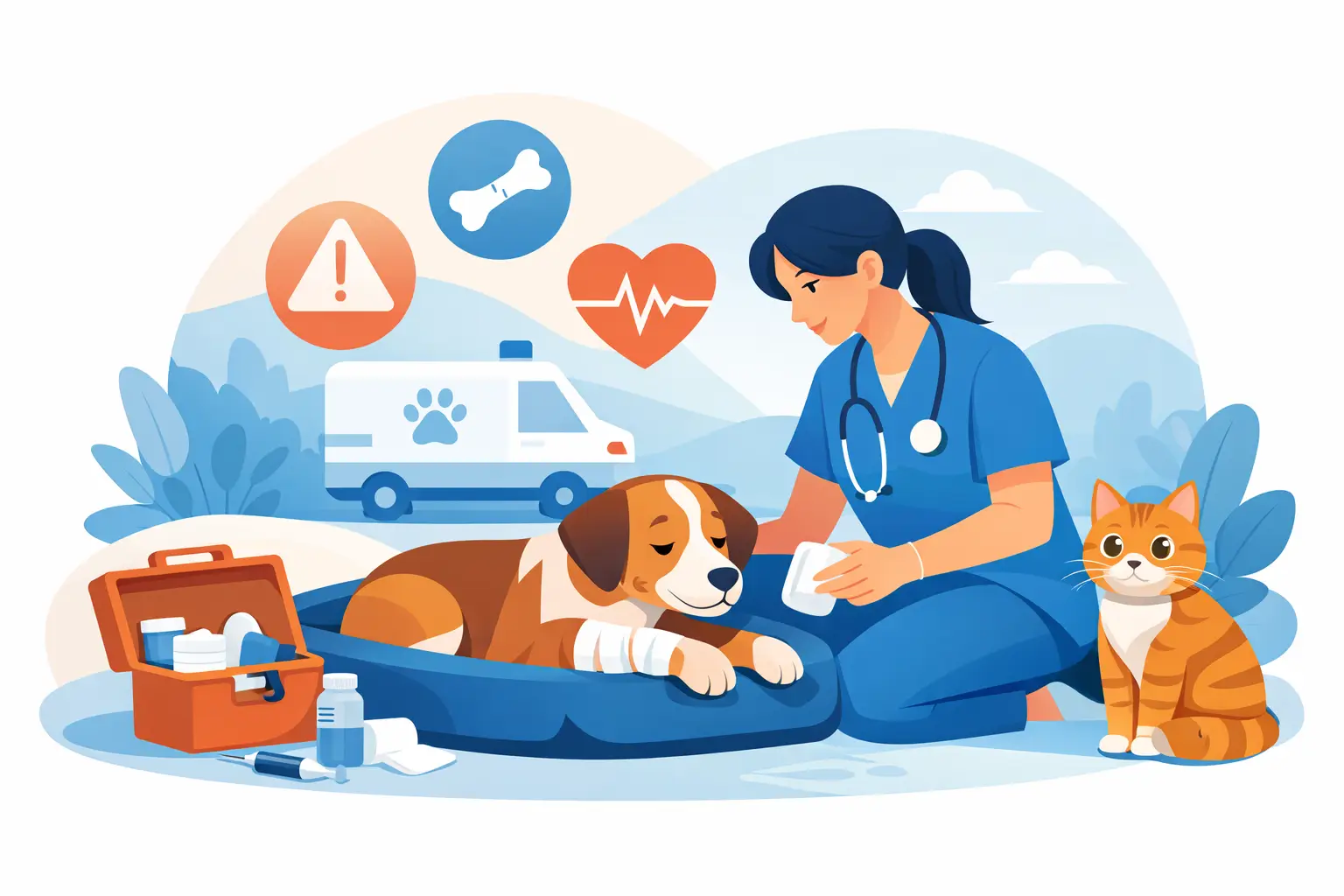
A reliable veterinarian should be comfortable giving examples. Trouble breathing, repeated vomiting, collapse, seizures, inability to urinate, severe pain, major bleeding, and sudden paralysis are a few situations that often need immediate care. This question can help you avoid waiting too long or rushing in for something that can safely be monitored until morning.
Ask practical questions about surgery, anesthesia, and pain control
If your pet ever needs a dental procedure, spay or neuter, mass removal, orthopedic treatment, or another operation, you want to know how the clinic protects safety and comfort.
9. How do you monitor pets during anesthesia?
This is one of the best questions for new veterinarian consultations because anesthesia protocols say a lot about standards of care. Ask about pre-anesthetic testing, monitoring equipment, trained staff, IV support, temperature management, and recovery supervision.
10. How do you manage pain after procedures or injuries?
Pain control should be proactive, not an afterthought. A veterinarian should be able to explain how they assess pain and what medications, rehabilitation tools, or follow-up plans they use to support recovery.
Ask how the team communicates with pet owners
Even excellent medicine can feel stressful if communication is inconsistent. Families often want to know what happens next, how long results take, and who to call with concerns.
11. How will I receive updates, test results, and follow-up instructions?
Some clinics call, some text, and some use a combination depending on the situation. What matters is clarity. You should know how information will be shared and how quickly you can expect a response.
12. If I have questions after the visit, what is the best way to reach the team?
This sounds simple, but it is useful. Chronic conditions, medication changes, and recovery periods often bring follow-up questions. It helps to know whether you should call, email, or schedule a recheck.
Ask about long-term planning, not just today’s visit
A new veterinarian should be able to think beyond the immediate problem. That is especially valuable for puppies and kittens, senior pets, and animals with chronic disease.
13. How often should my pet be rechecked?
The answer will vary. A healthy young adult may need routine wellness visits, while a senior dog with arthritis or a cat with kidney disease may need more frequent monitoring. This question helps set expectations and encourages proactive care.
14. How do you handle chronic conditions like allergies, arthritis, diabetes, or kidney disease?
You want to hear a balanced answer that includes diagnostics, monitoring, home care, medication adjustments, and realistic quality-of-life goals. Chronic disease management is rarely one visit and done.
15. What signs would tell us it is time to change the treatment plan?
This is an excellent question because it gets specific. It helps you understand what progress should look like and what setbacks matter. It also shows whether the veterinarian plans to reassess rather than simply repeat the same approach forever.
Do not forget the emotional side of care
Veterinary decisions are medical, but they are also personal. Families want to know they will be treated with respect, especially during hard moments.
16. How do you help families make difficult decisions?
A compassionate veterinarian will not pressure you into choices without explanation. They should be willing to discuss prognosis, quality of life, treatment ranges, expected outcomes, and comfort-focused options when needed. This question can tell you a great deal about the clinic’s values.
What to listen for in the answers
The best veterinarian is not always the one who gives the fastest answer. It is often the one who asks follow-up questions, explains why a recommendation fits your pet, and acknowledges where there is more than one reasonable option. Medicine has standards, but many decisions involve nuance.
Look for answers that are specific, calm, and tailored. Be cautious if every pet seems to get the same advice, if costs are discussed without any medical context, or if you leave feeling rushed and uncertain. Trust grows when a veterinary team combines compassion with clear reasoning.
For families in the Antelope Valley, that often means looking for a hospital that can support both routine wellness and more advanced needs without losing the personal connection that makes care feel reassuring. At AV Veterinary Center, that combination of comprehensive medicine and individualized attention is central to how care is delivered.
A new veterinarian does not need to say everything perfectly on day one. What matters most is whether they welcome good questions, answer them honestly, and show you that your pet’s care will be thoughtful at every stage of life. That kind of partnership can make every future visit a little easier.